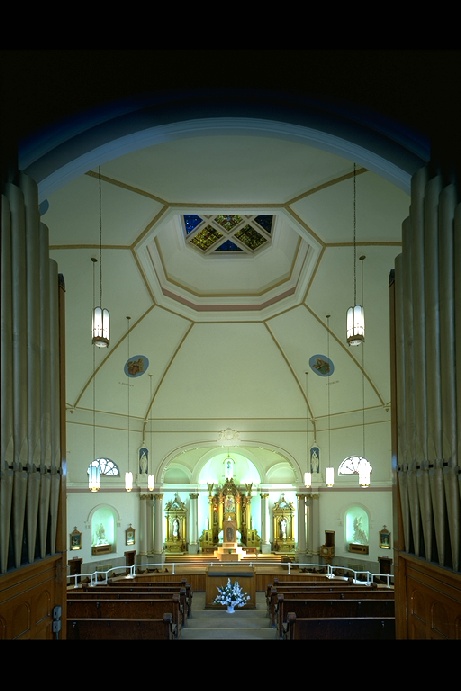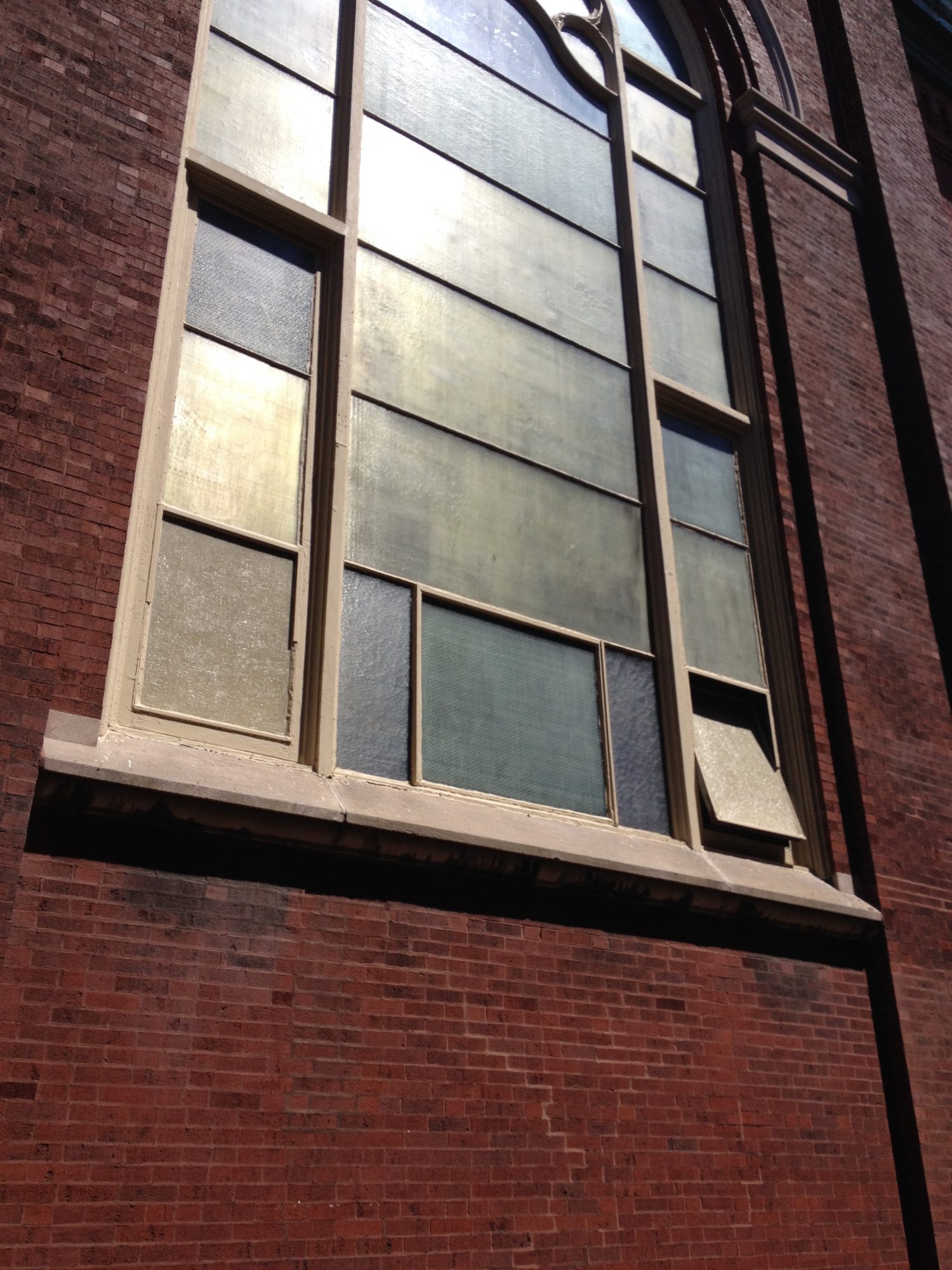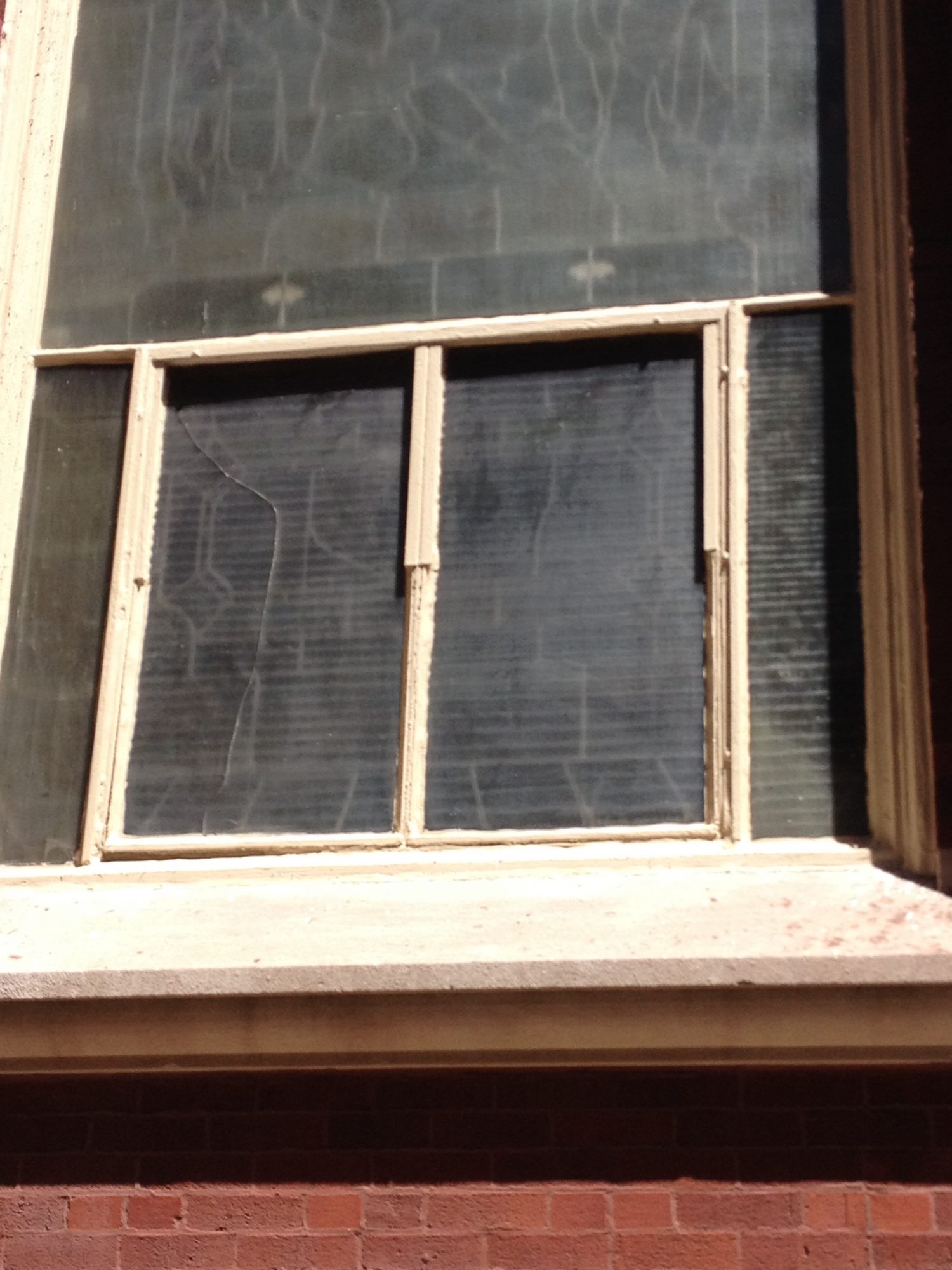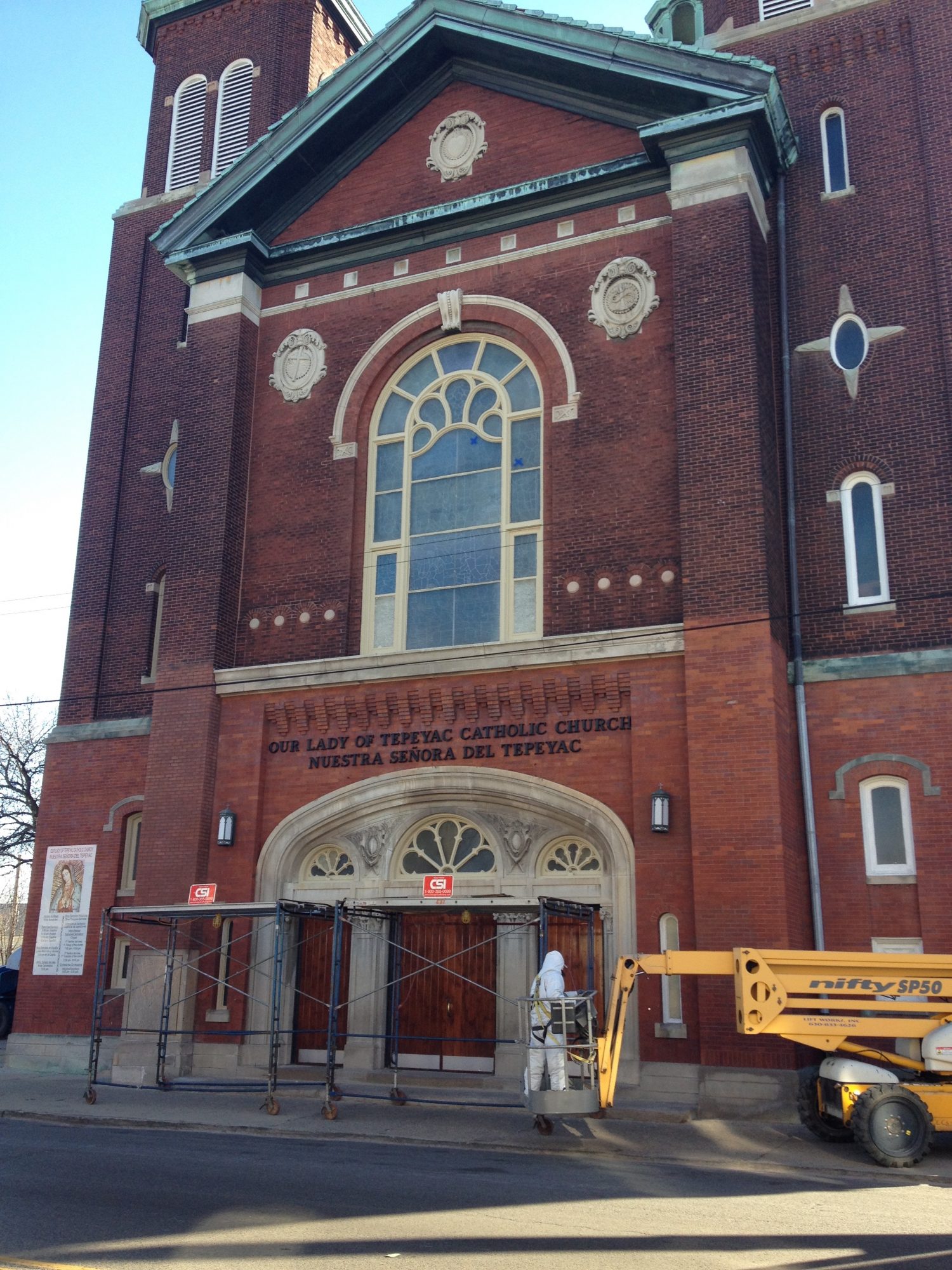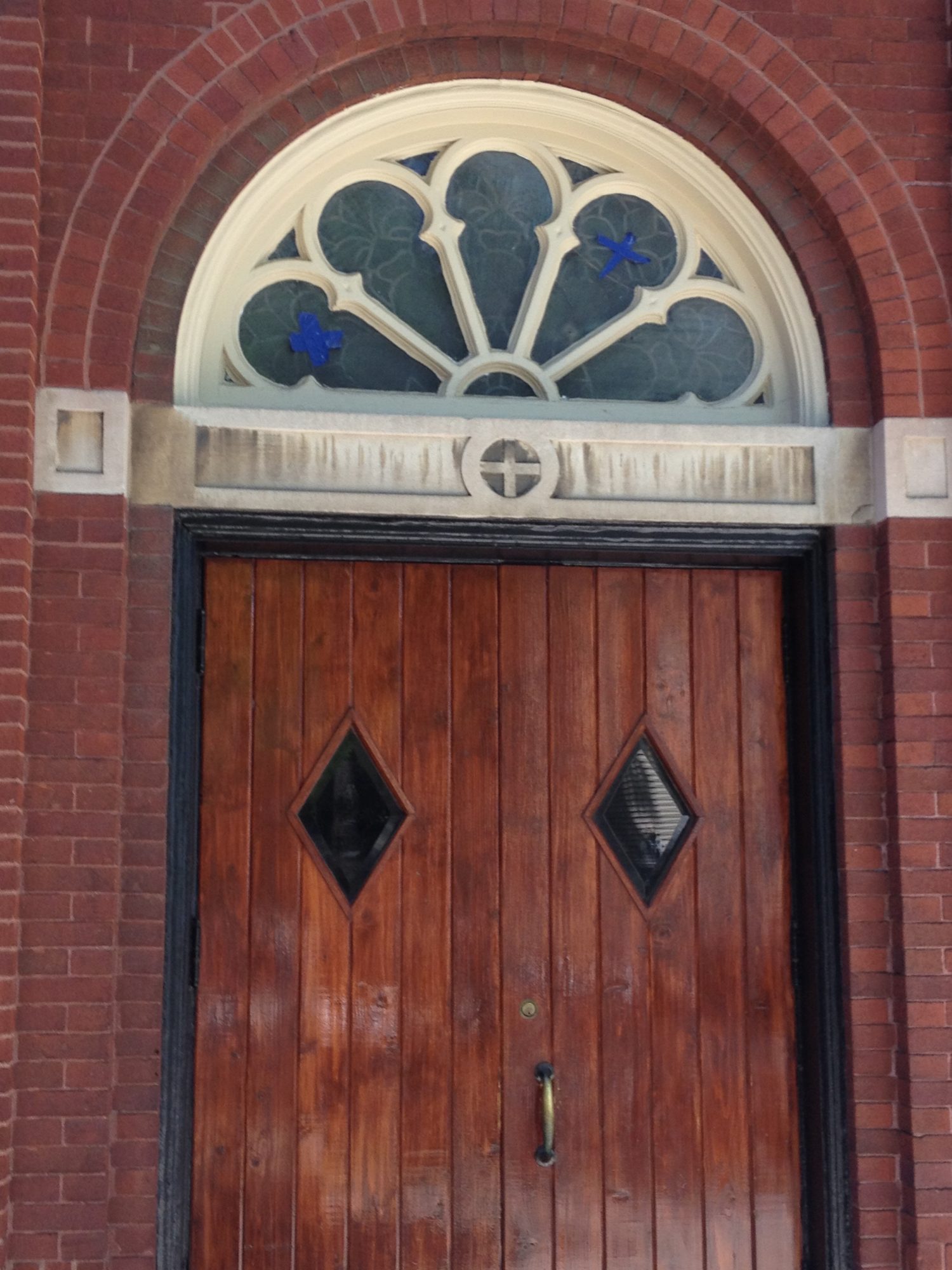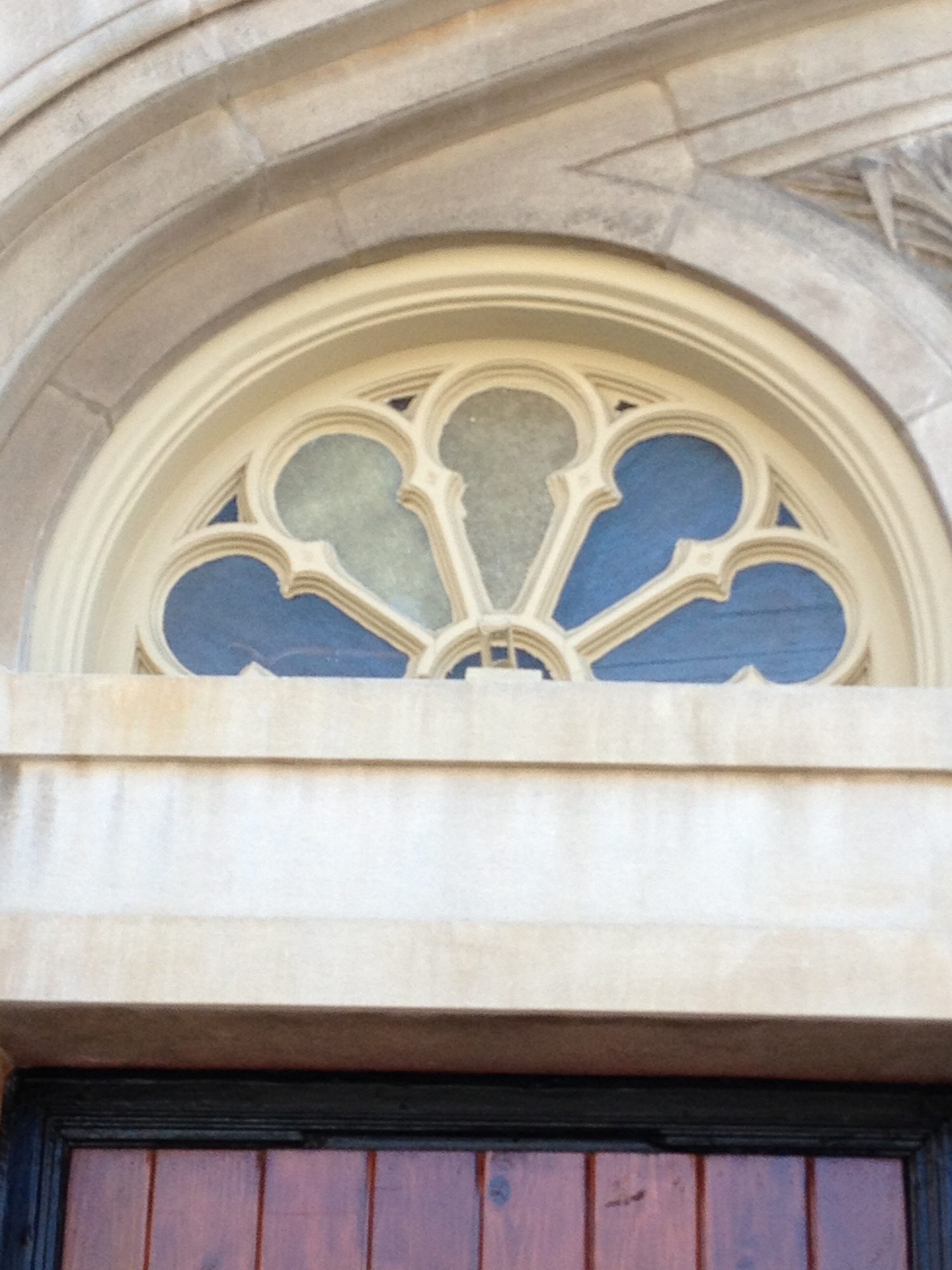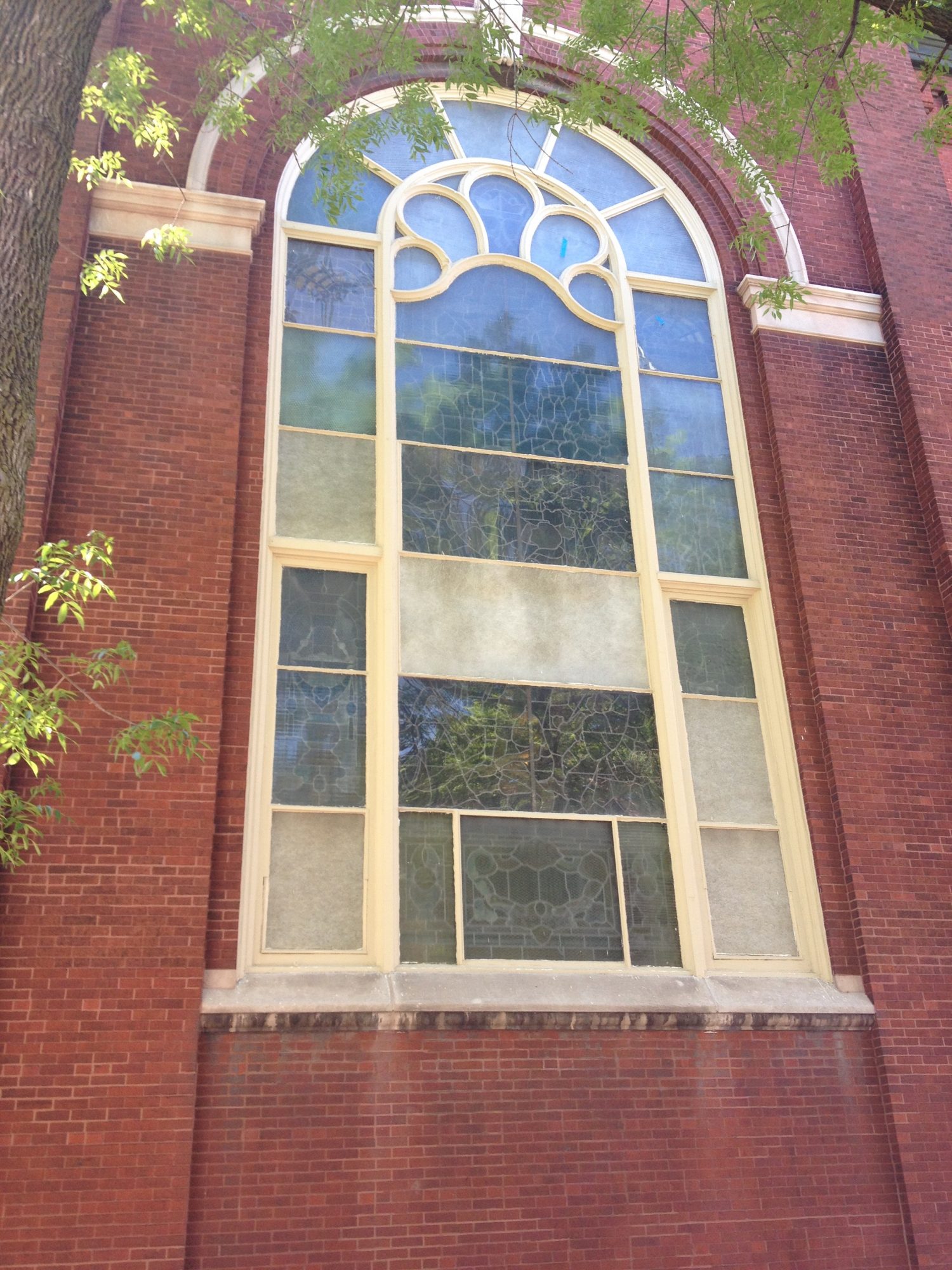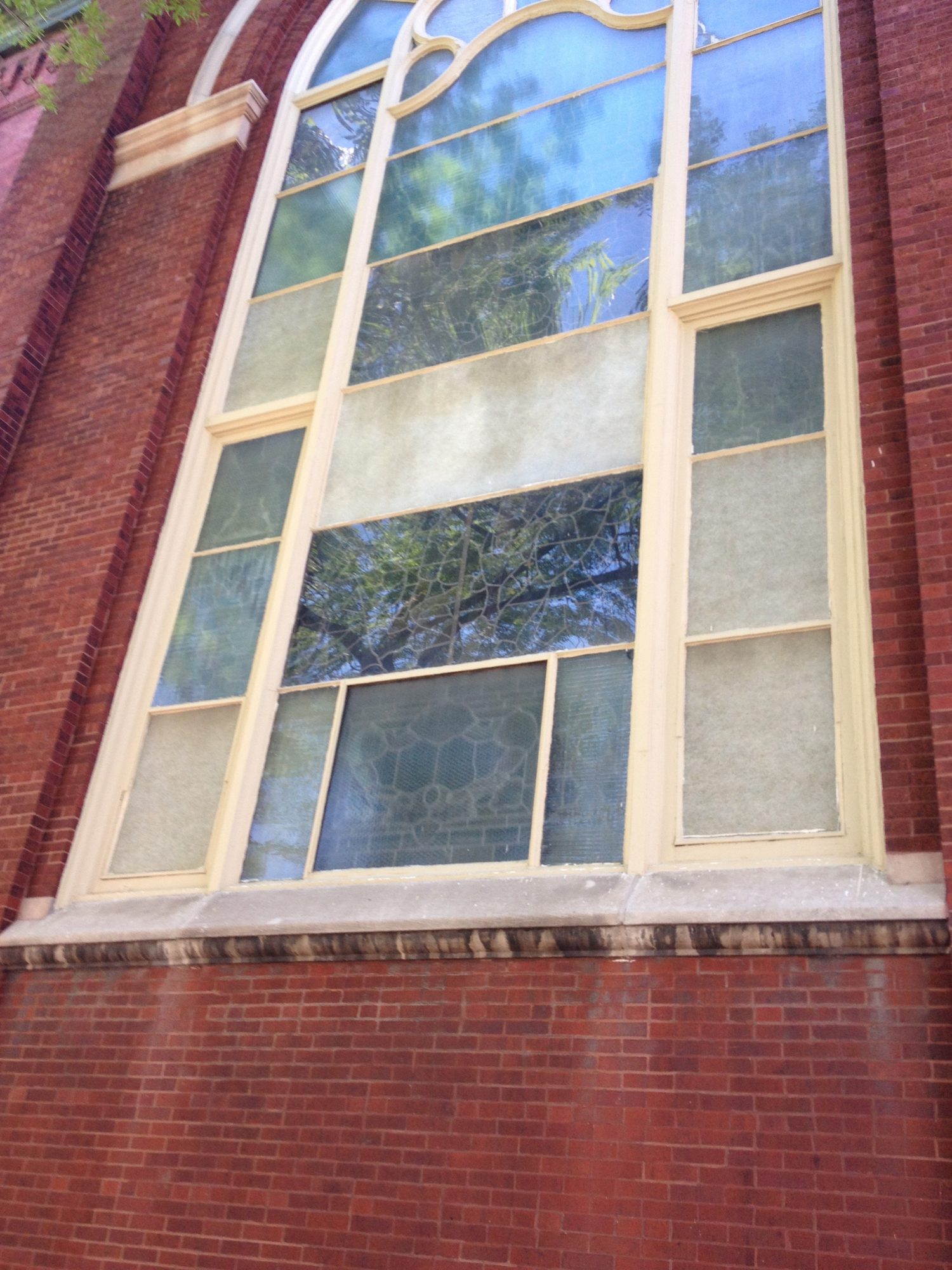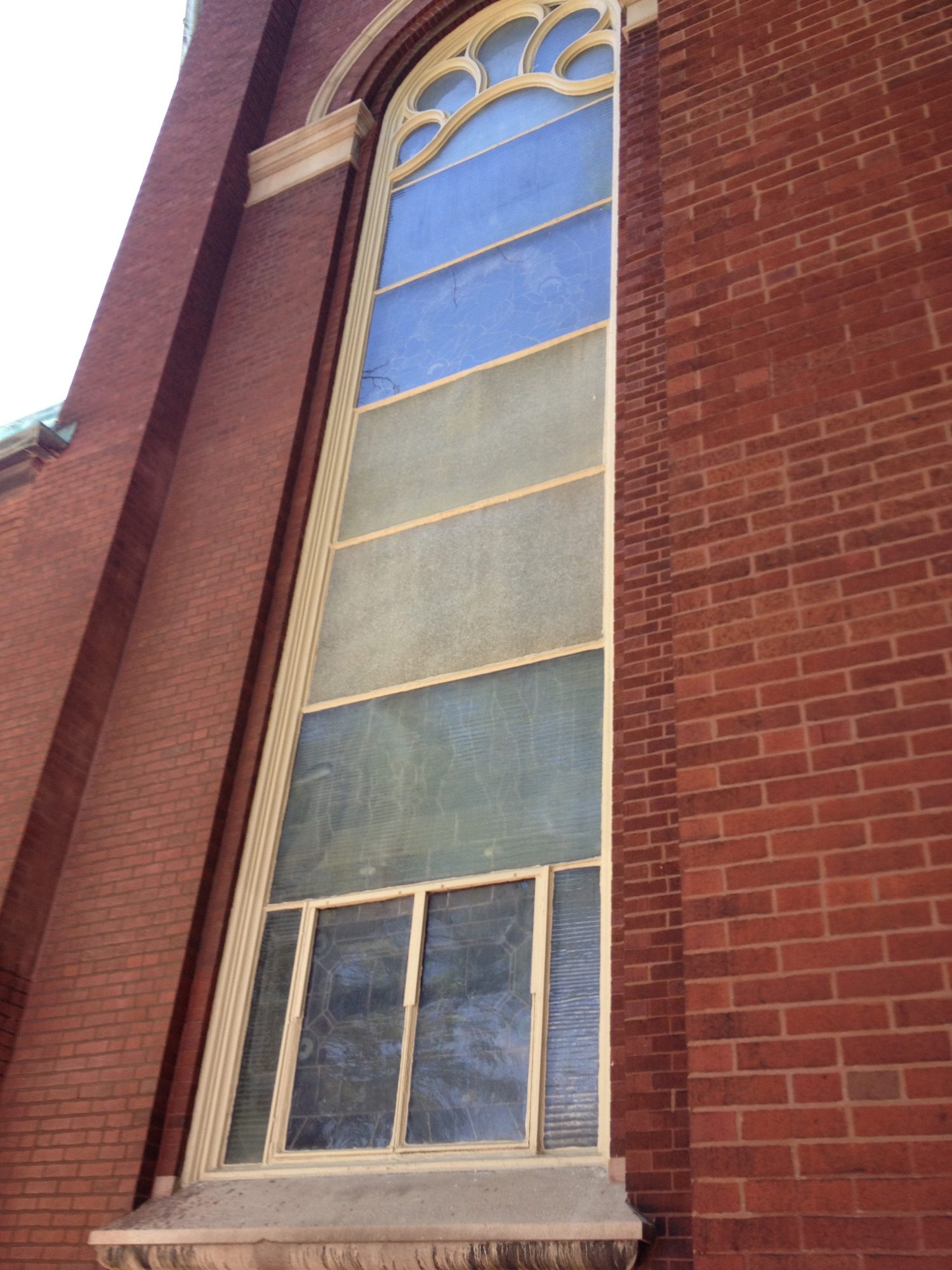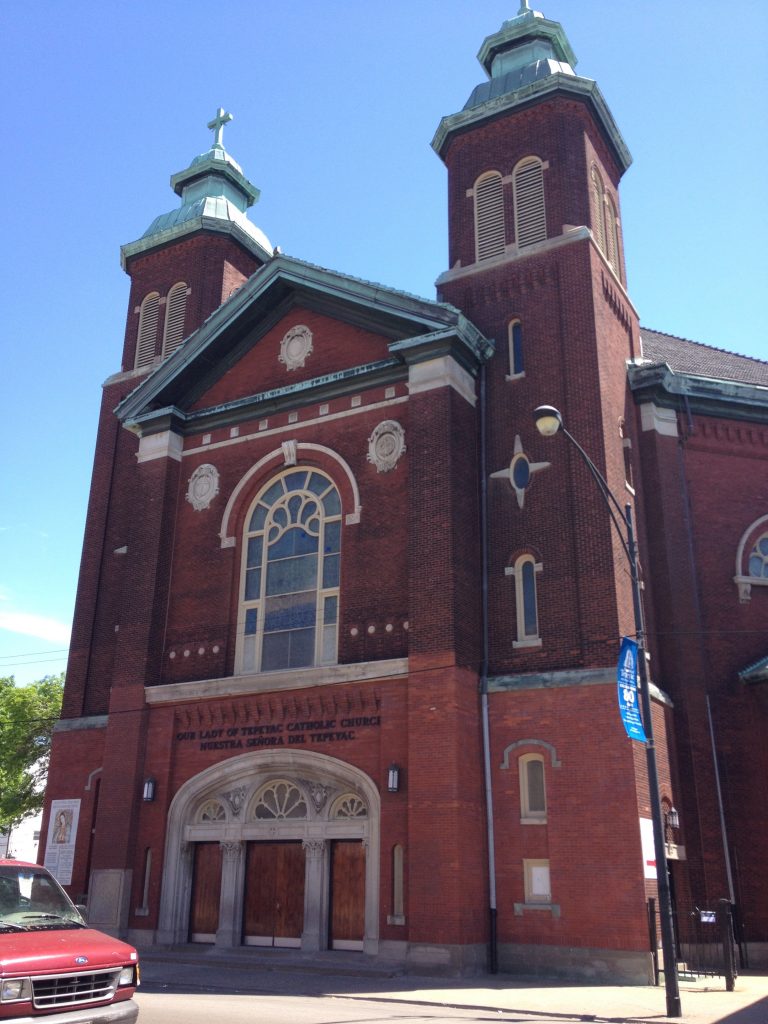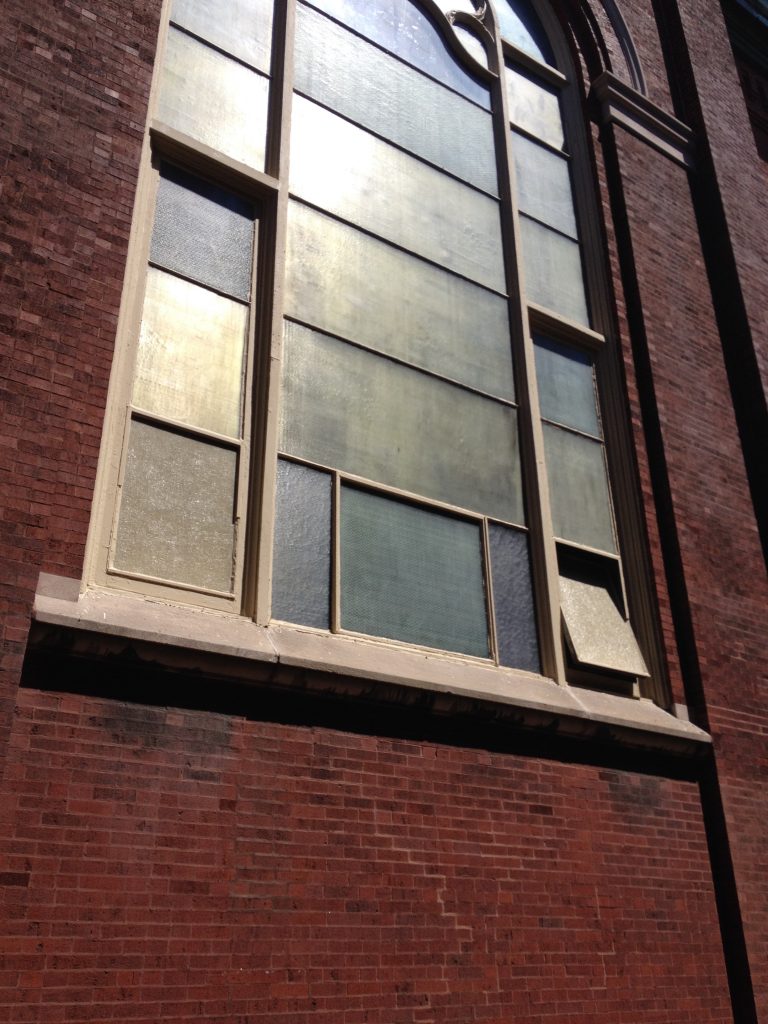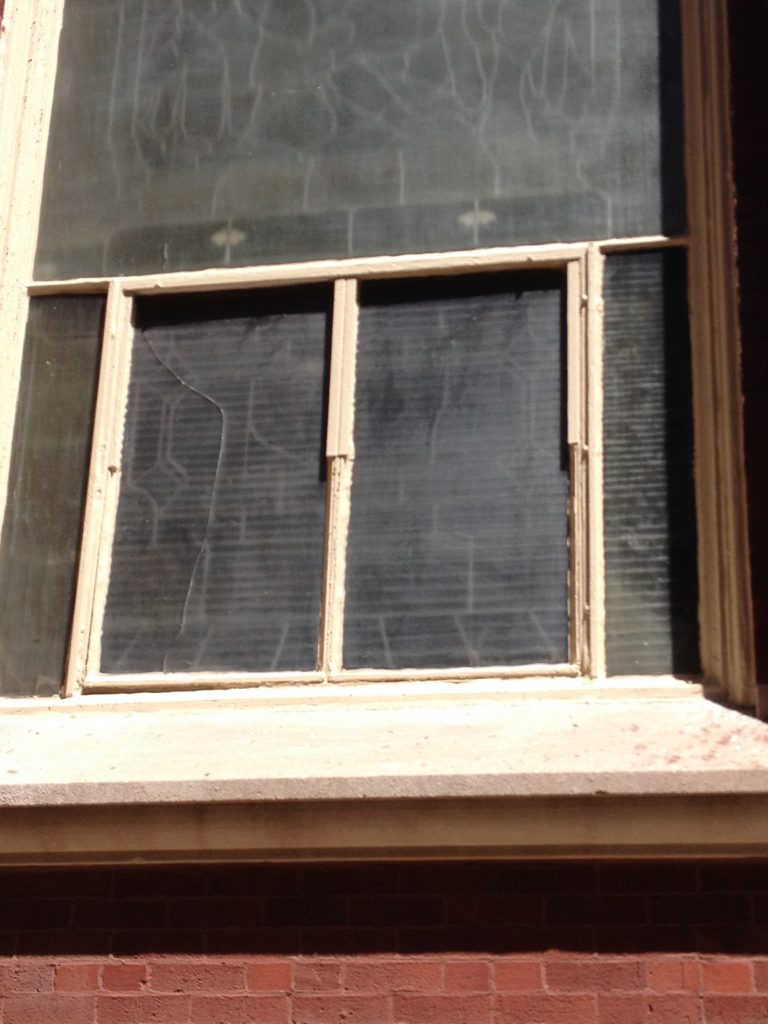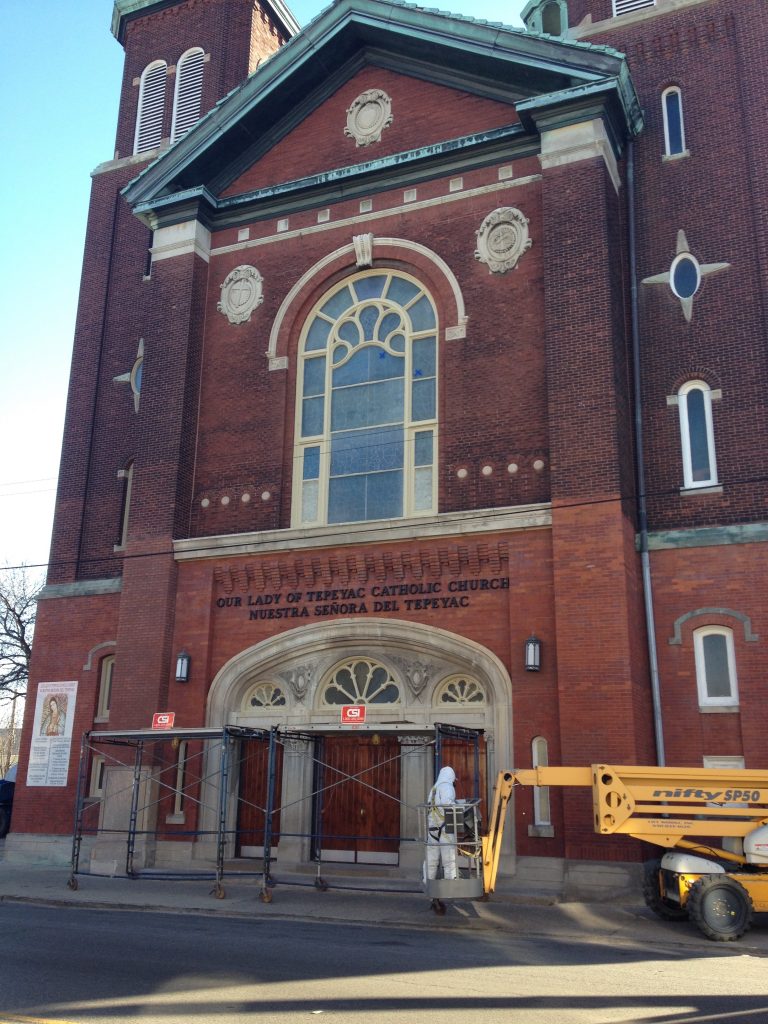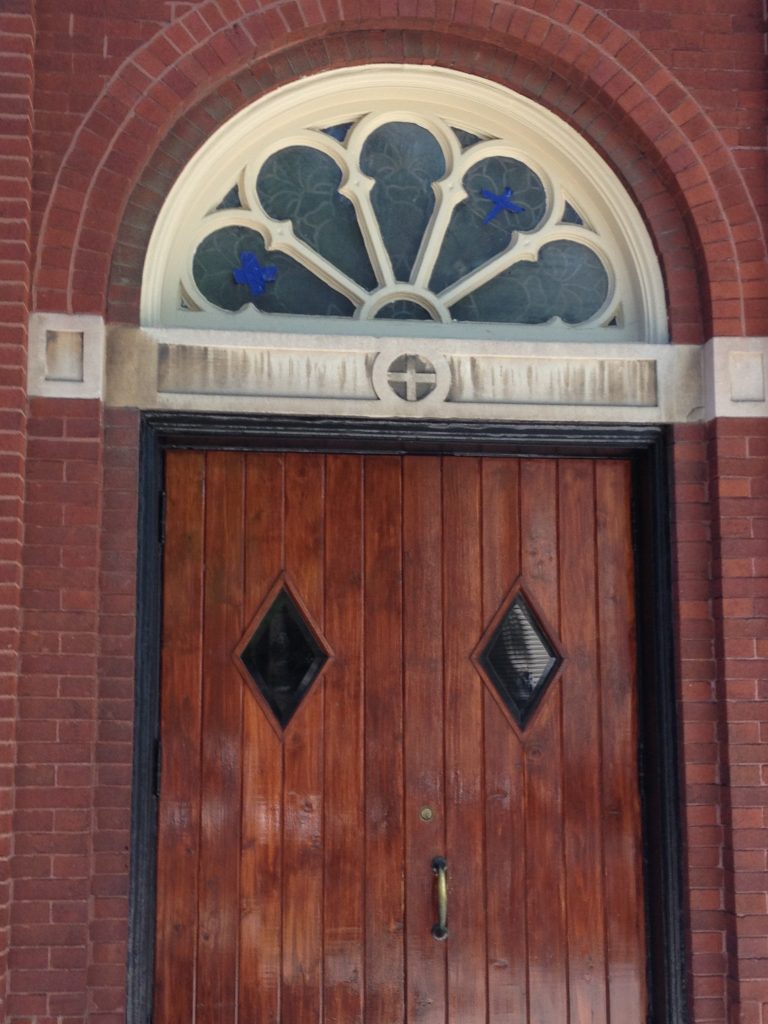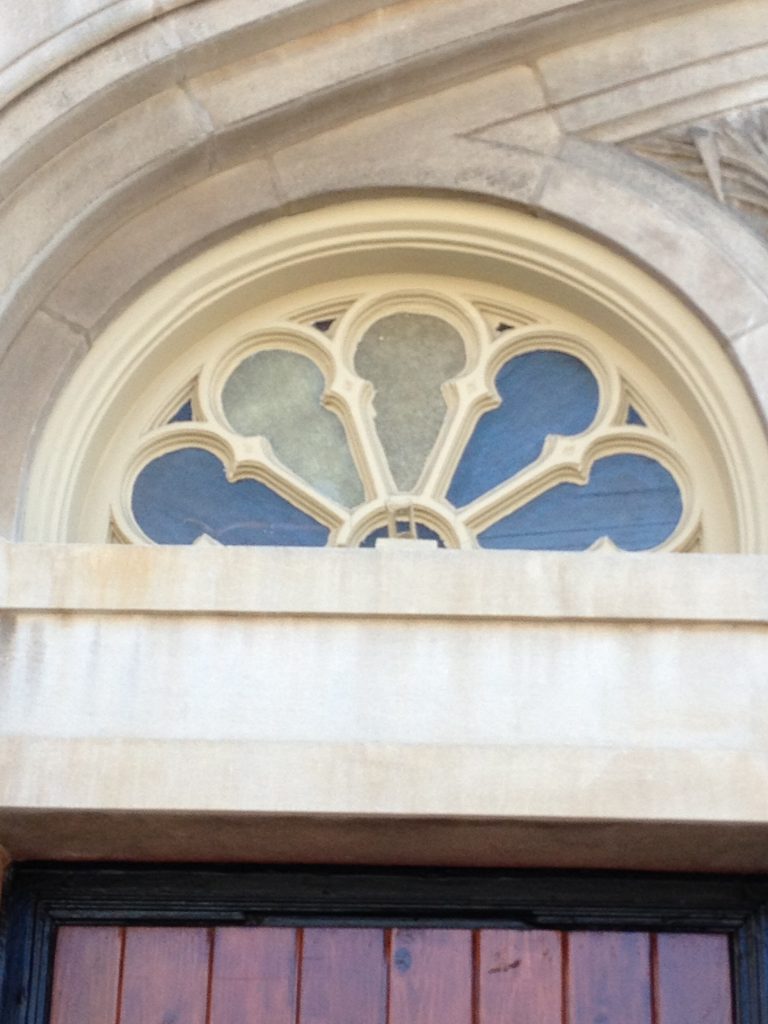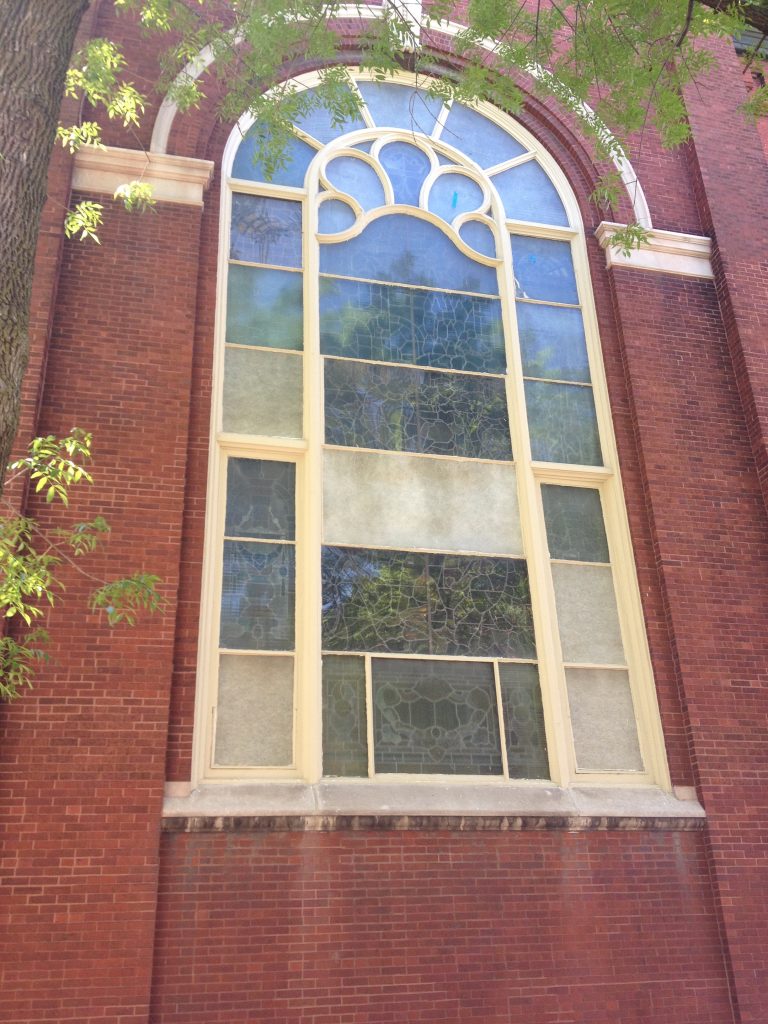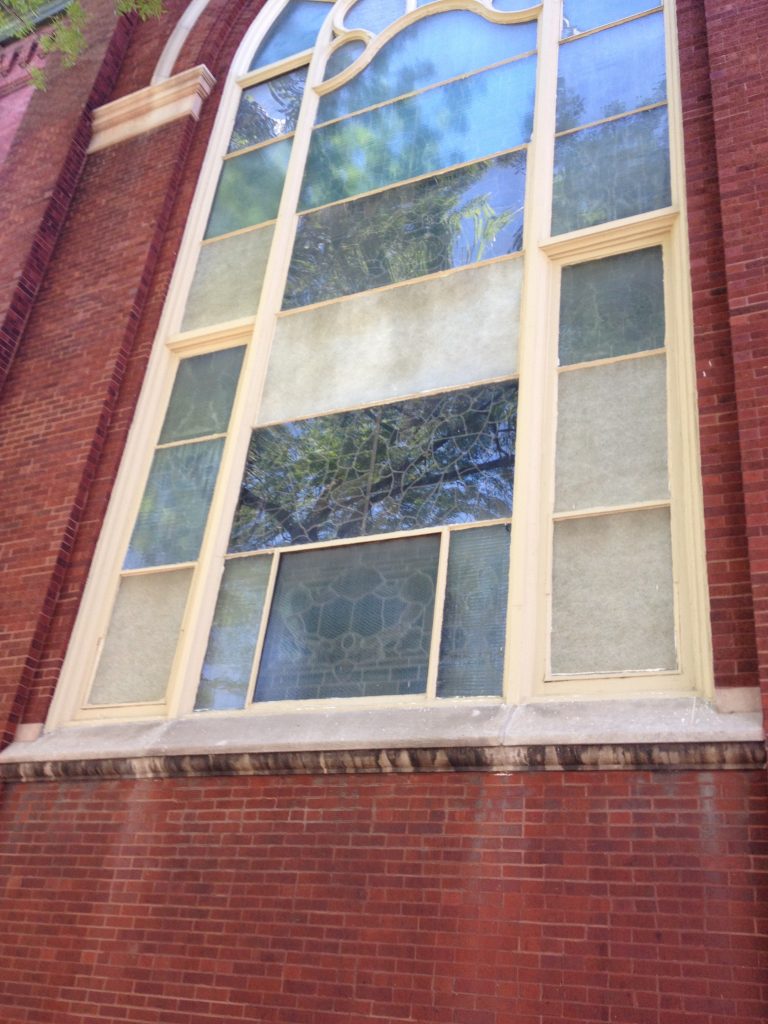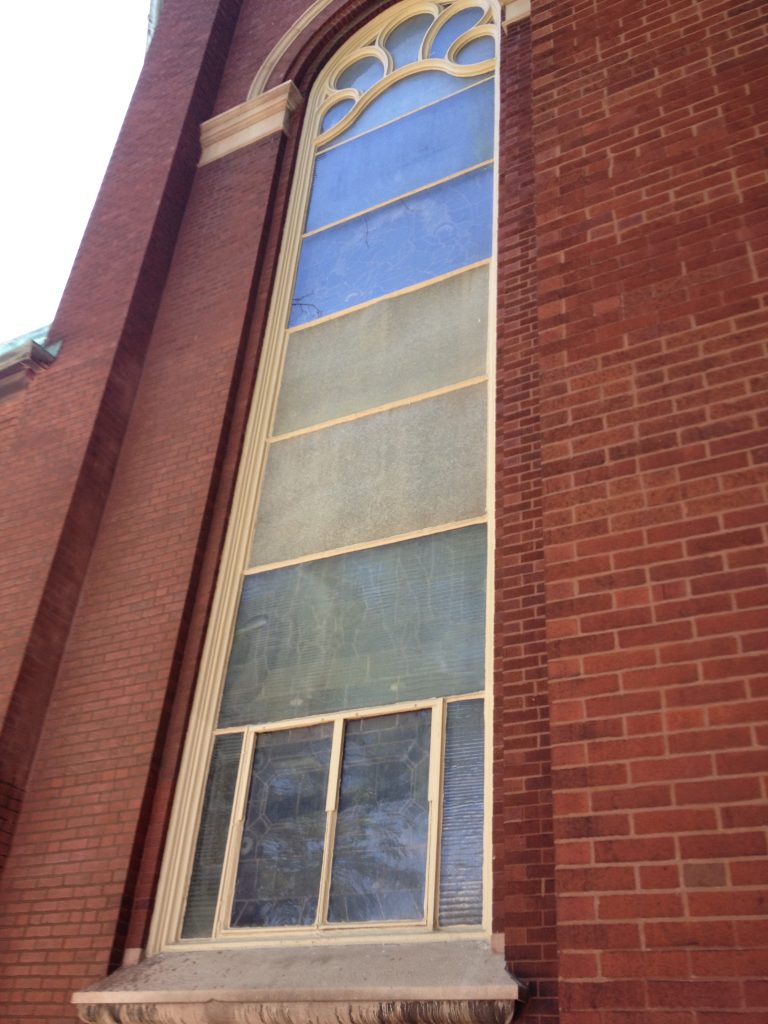
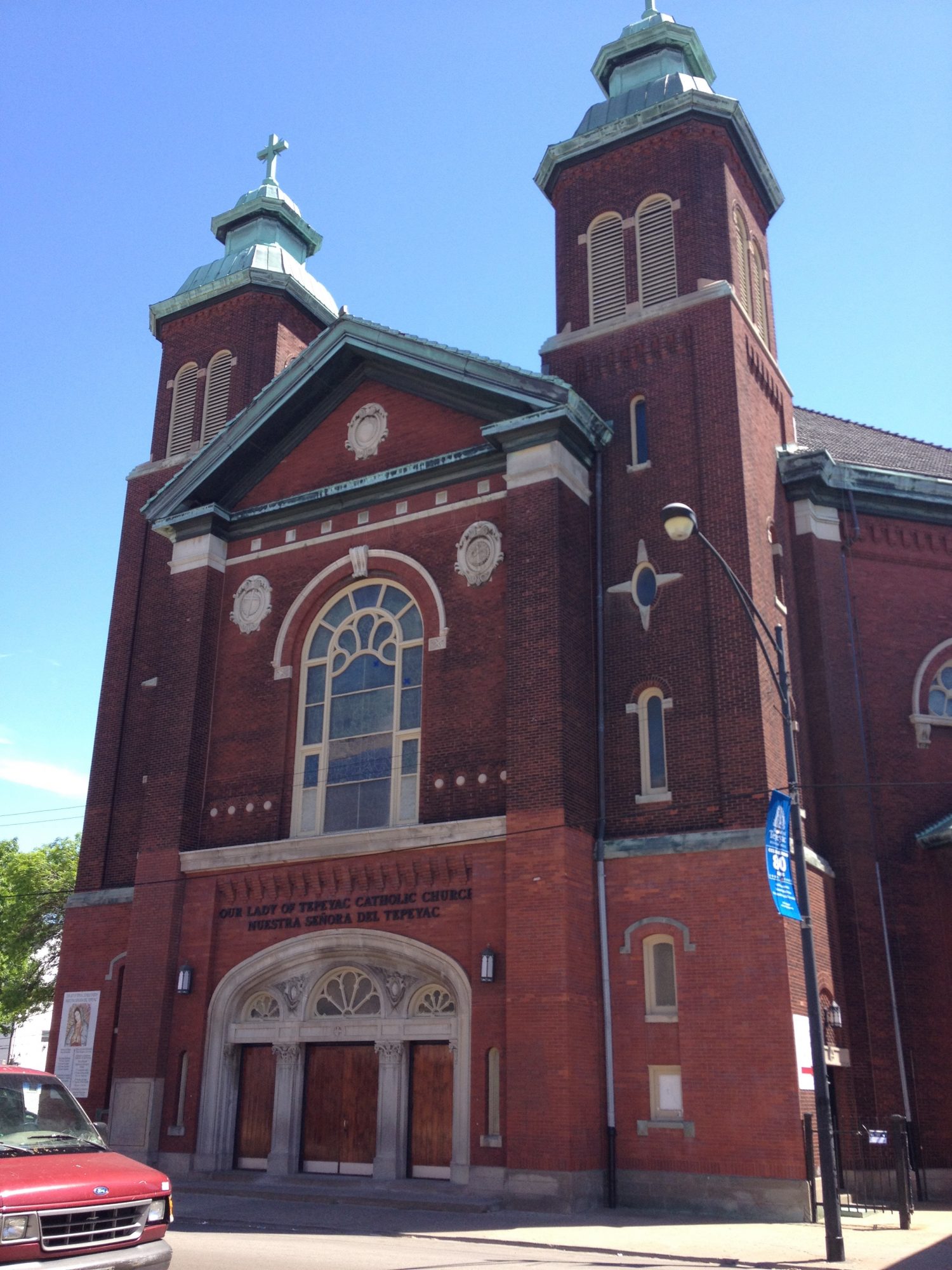
Fortune Restoration has worked with Our Lady of Tepeyac in Chicago on multiple occasions over the last 20 years. Fortune Restoration’s interior and exterior painting services were called upon to help transform the building that was once St. Casmir Church on the Southside of Chicago into the beautiful parish of Our Lady of Tepeyac. Fortune Restoration has also been a tuckpoint contractor, completing various exterior Church masonry projects for the Church. From interior plaster work, to helping with colors and ways to highlight sacred features around the church interior, Fortune Restoration’s work with Our Lady of Tepeyac did not end there. Fortune Restoration was hired again, 10 years later, as an exterior paint contractor to restore the exterior Church painting and woodwork of the original windows and trim to both the church and parish office.
Our Lady of Tepeyac High School is a Roman Catholic girls’ secondary school deeply rooted in the Little Village neighborhood that, without regard to ability to pay or immediate preparedness for high school study, provides a multicultural educational experience developing each young woman to her full intellectual and spiritual potential in an environment that values learning linked to faith, family, and community.
The red brick building on Whipple Street began as St. Casimir, a parochial elementary school, in 1904. It served the southwest Chicago community comprising both Polish and Lithuanian immigrants at the time. The Sisters of the Resurrection administered the school and lived on the fourth floor until most of the floor was destroyed by fire in 1933. In 1927, the new school building on Albany Ave was completed and became the new home of St. Casimir Elementary School, now Our Lady of Tepeyac Elementary School. The original building became home for St. Casimir’s new high school. Both schools served Chicago’s Polish community through a rapid demographic shift beginning in the 1970s, which saw an influx of Mexican immigrants seeking opportunity.
In 1990, St. Ludmila and St. Casimir parishes merged and adopted the new name of Our Lady of Tepeyac, reflecting the now dominant Latino-American presence in the Little Village neighborhood. Also at that time, Catholic schools were no longer required to serve families only within their parish boundaries, a policy change which brought students to Our Lady of Tepeyac from all over Chicago. The last of the Sisters of the Resurrection who worked in the building was Sr. Katheryn Wojcik, principal of the high school until 2003, but the Sisters continue to support Our Lady of Tepeyac today.
Our Lady of Tepeyac Restoration FAQs
What restoration work did Fortune Restoration complete at Our Lady of Tepeyac?
Fortune Restoration provided interior and exterior painting, tuckpointing, masonry repair, plaster work, gold leafing, mural restoration, and woodwork on the original windows and trim across more than two decades of work at the parish.
Our involvement began when the building transitioned from St. Casimir Church to Our Lady of Tepeyac and continued ten years later when the parish brought us back to restore the exterior paint and original window and trim woodwork on both the church and the parish office.
What awards has the Our Lady of Tepeyac restoration received?
The Our Lady of Tepeyac project earned the Painting & Decorating Contractors of America National Award for Outstanding Achievement, recognized as the best commercial interior restoration project.
The award acknowledged the complete color change, mural work, gold leafing, and restoration of the 90-degree dome - one of several national recognitions Fortune Restoration has received for sacred architecture. See our full list of awards.
Can a church be painted and restored while services continue?
Yes. We schedule and stage church restoration around the parish calendar - worship services, religious education, weddings, funerals - using phased work zones and mobile scaffolding to keep the congregation gathering throughout the project.
Active parishes can’t simply close for months of work. We coordinate closely with clergy and parish administrators to plan around the liturgical year, contain dust and fumes, and protect pews, fixed furnishings, and sacred objects between work zones.
How do you handle decorative painting, gold leafing, and mural work in churches?
Decorative finishes - gold leaf, stenciling, mural restoration, and trompe l’oeil - require specialty crews trained in conservation techniques. We treat sacred art as art, not as surfaces to be painted over.
At Our Lady of Tepeyac, the project included restoring the 90-degree dome with gold leafing and mural work alongside a complete color change. These elements require careful documentation, color matching, and approaches that respect both the artistic intent and the spiritual significance of the space.
What does exterior masonry restoration on a Chicago church involve?
Exterior church masonry typically includes tuckpointing failed mortar joints, replacing spalled brick, repairing parapets and coping, and addressing flashing - all critical for protecting irreplaceable interior finishes from water damage.
Many of Chicago’s historic churches were built with soft lime mortar and historic brick that require compatible materials for repair. Using modern Portland-cement-heavy mortar on these buildings transfers stress to the brick and accelerates damage. Our masonry work for parishes across Chicago and the North Shore matches mortar composition to the original.
How long does a church restoration project usually take?
Church restoration timelines depend on scope. Interior repaints with decorative work commonly run three to six months. Full envelope projects involving masonry, woodwork, and decorative finishes can extend across multiple seasons.
Scaffold setup alone can take weeks in soaring church interiors before a brush touches the walls. We provide a phased schedule before work starts, build in buffer time for liturgical events, and often return to the same parish for additional projects across decades - as we did at Our Lady of Tepeyac.
Do you work with parishes on phased restoration projects to fit the budget?
Yes. We regularly structure church restoration in phases tied to capital campaign milestones and parish budget cycles, prioritizing the most urgent envelope conditions - masonry and water intrusion - before interior cosmetic work.
Most parish restoration budgets don’t allow for everything at once. We help parish councils, building committees, and pastors prioritize scope so the most critical repairs happen first and protect the investments that follow. See our full church restoration portfolio or request an estimate.