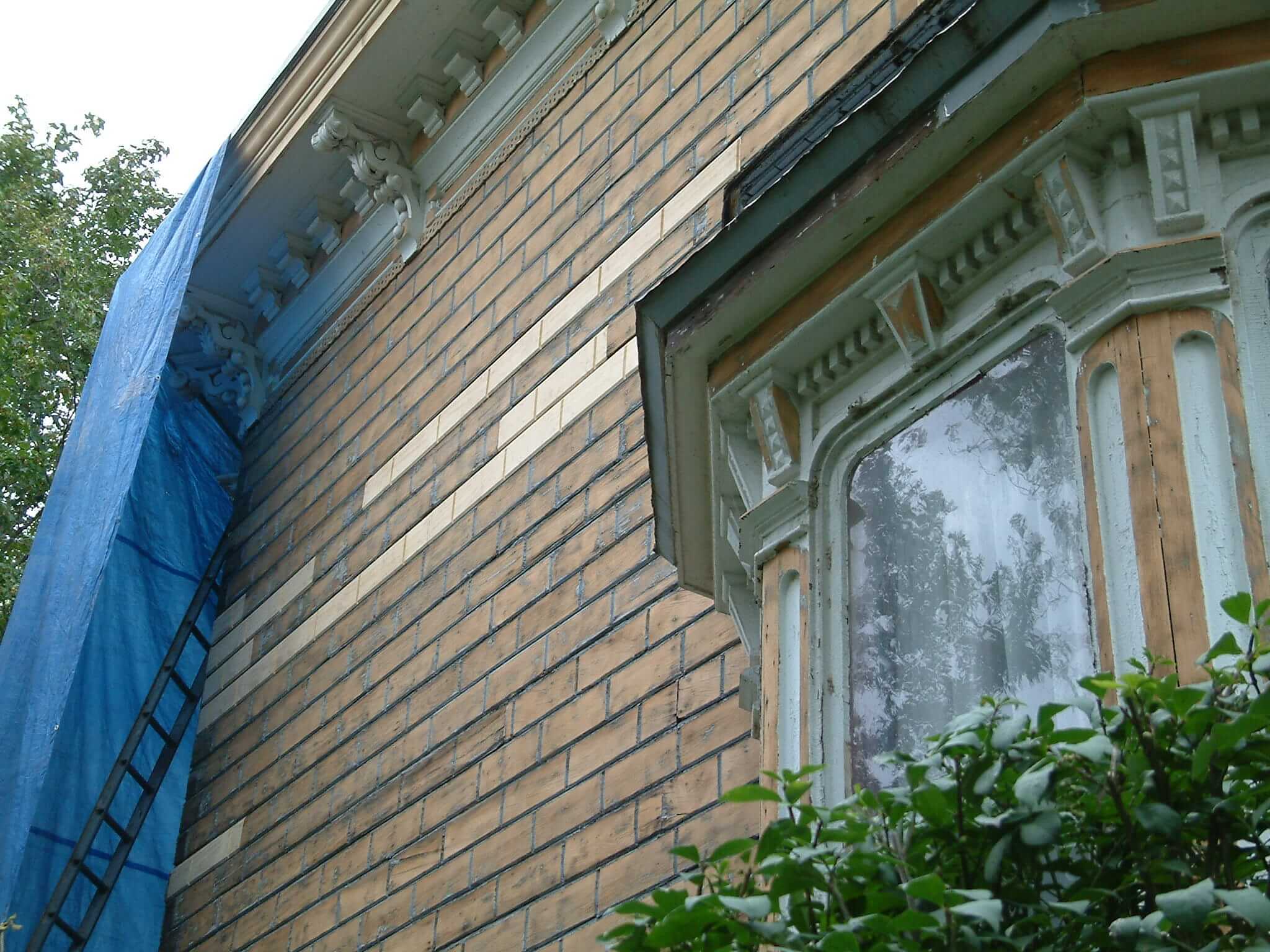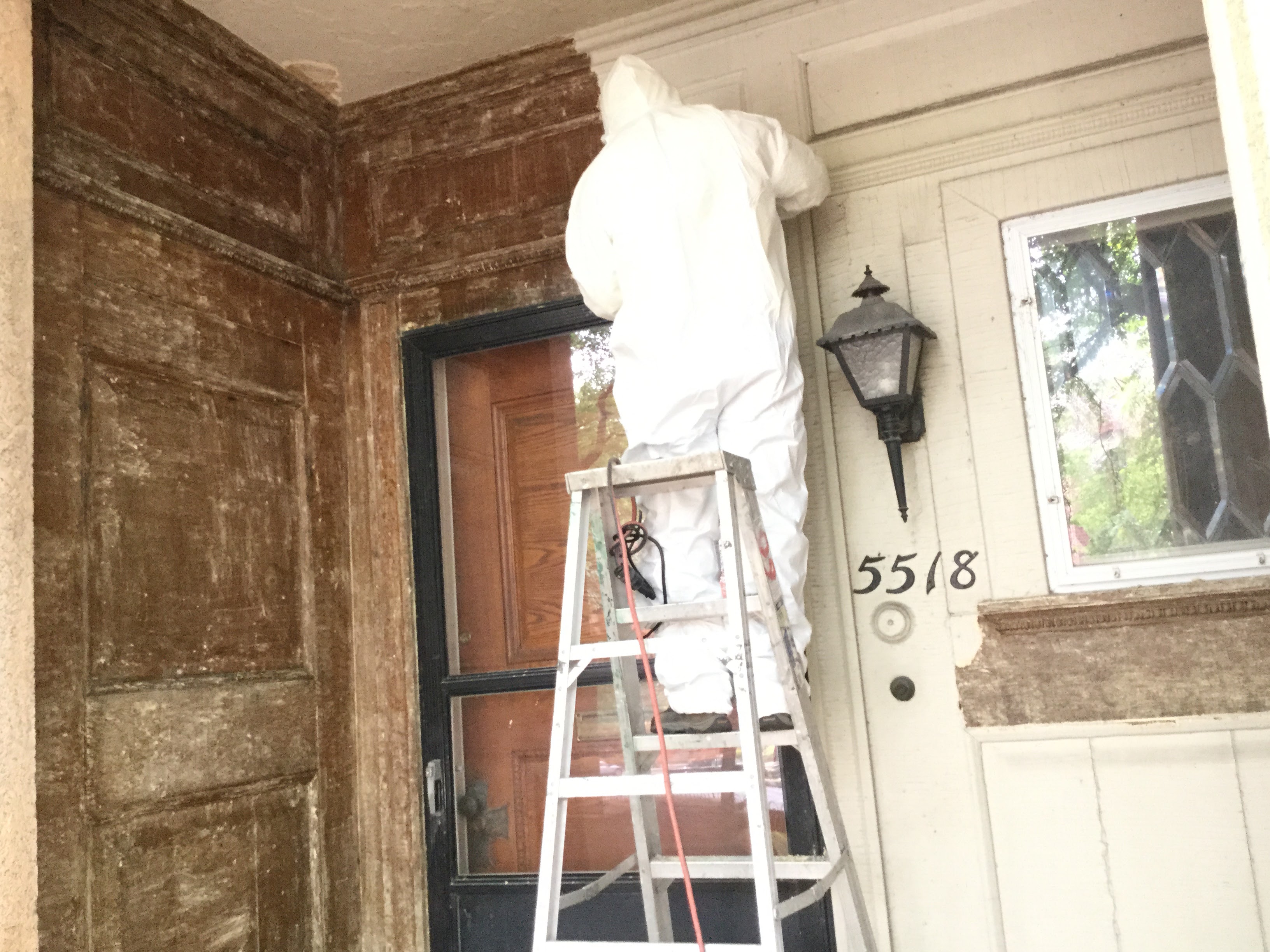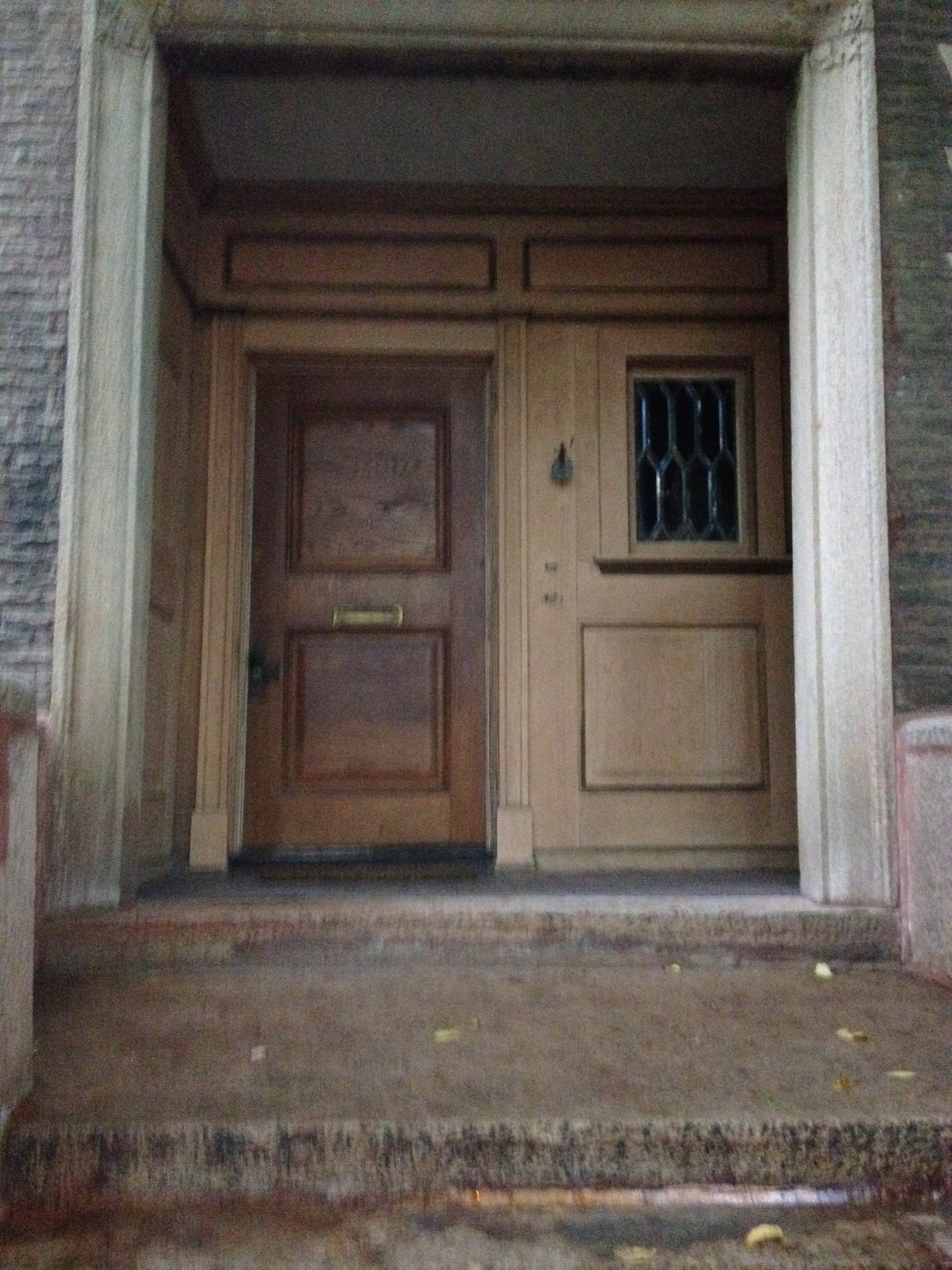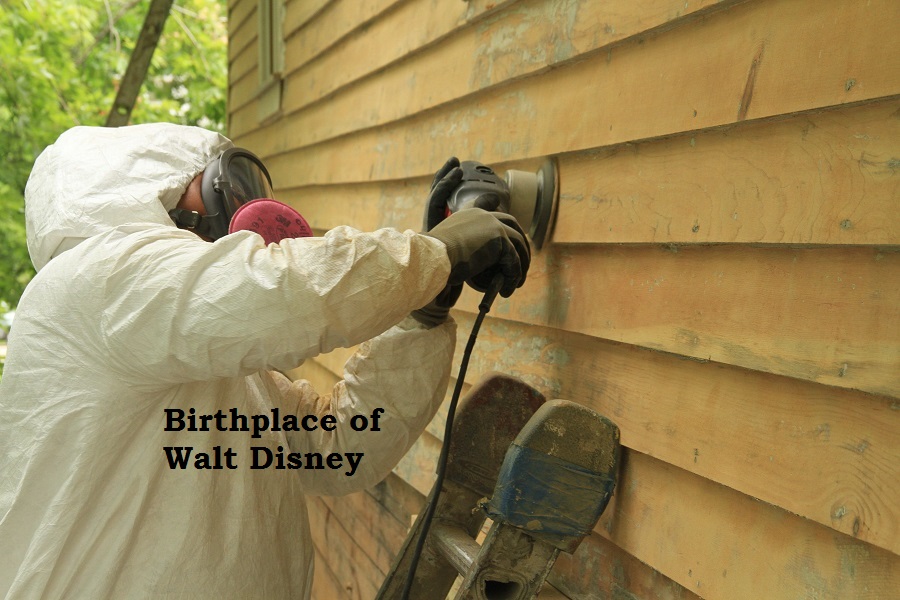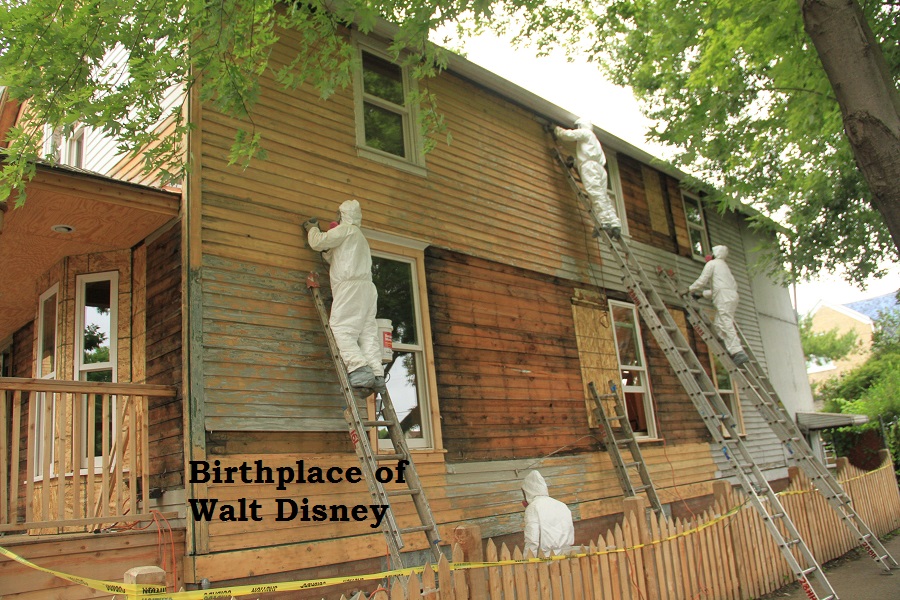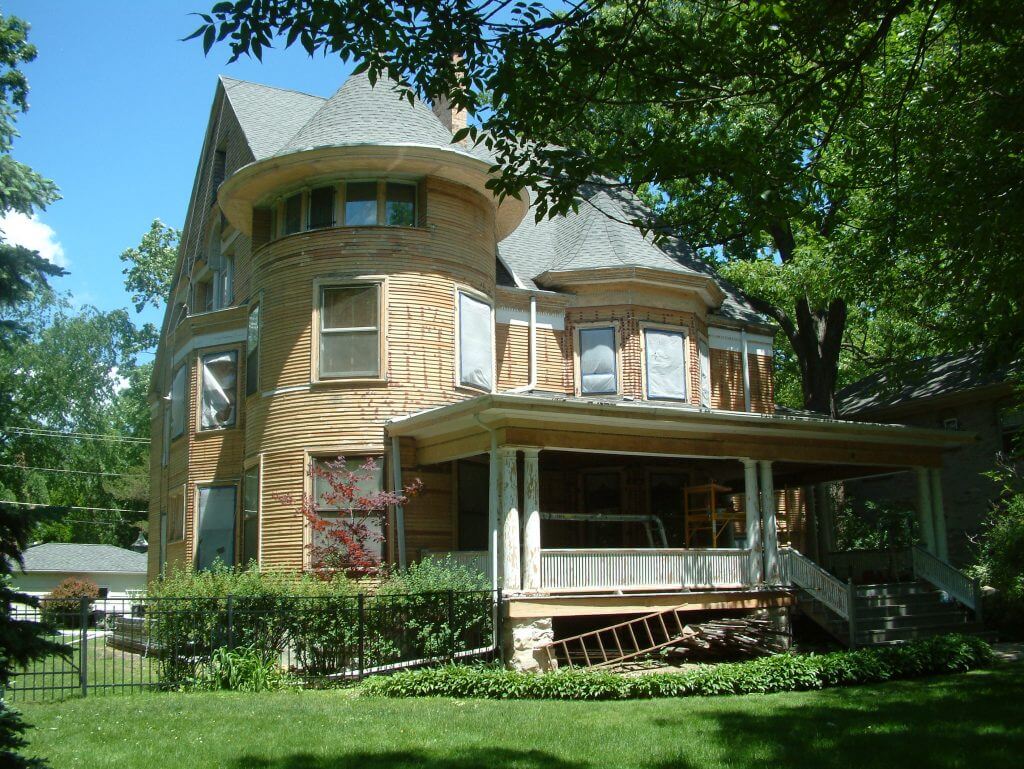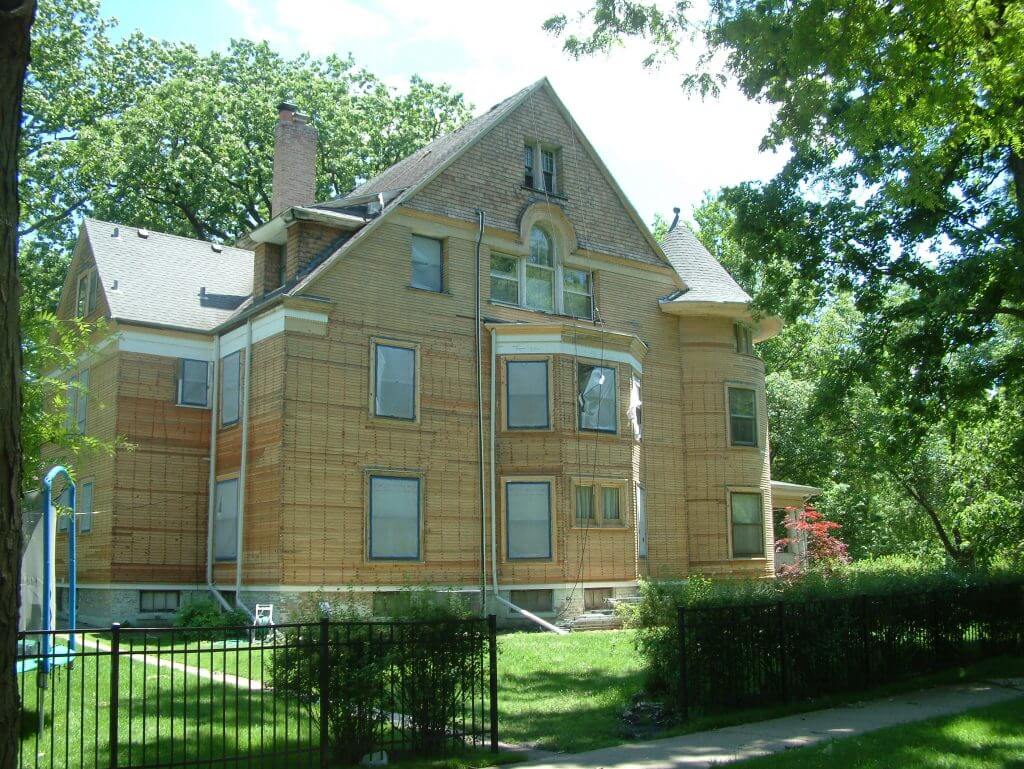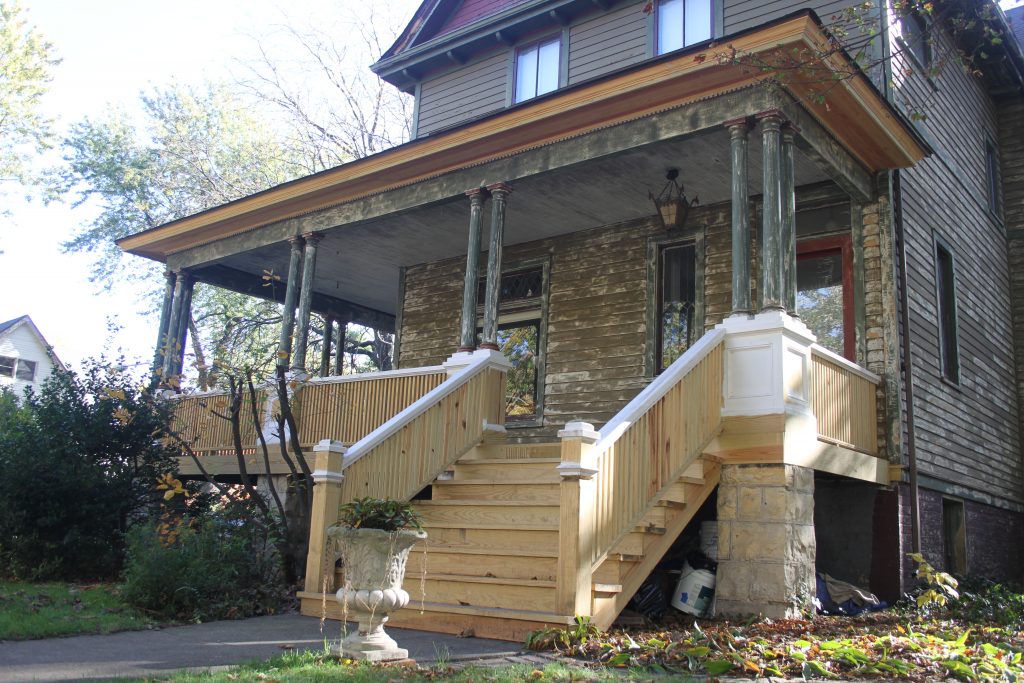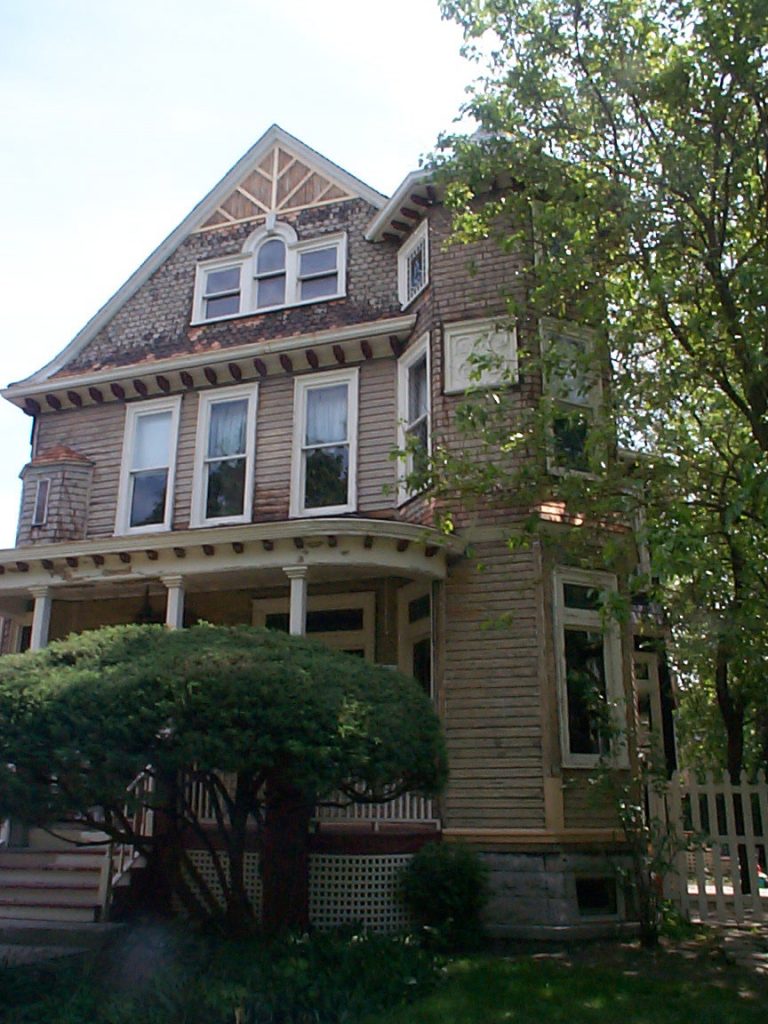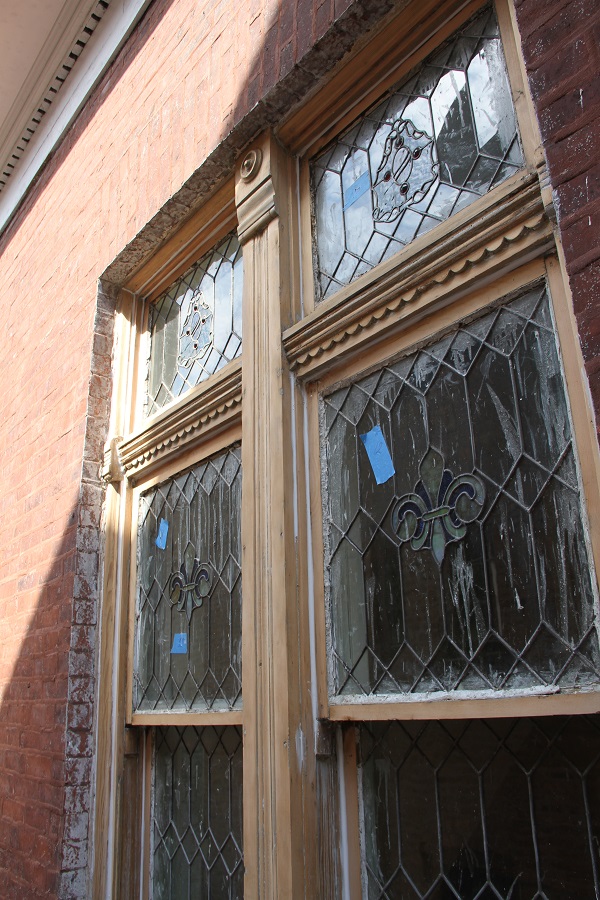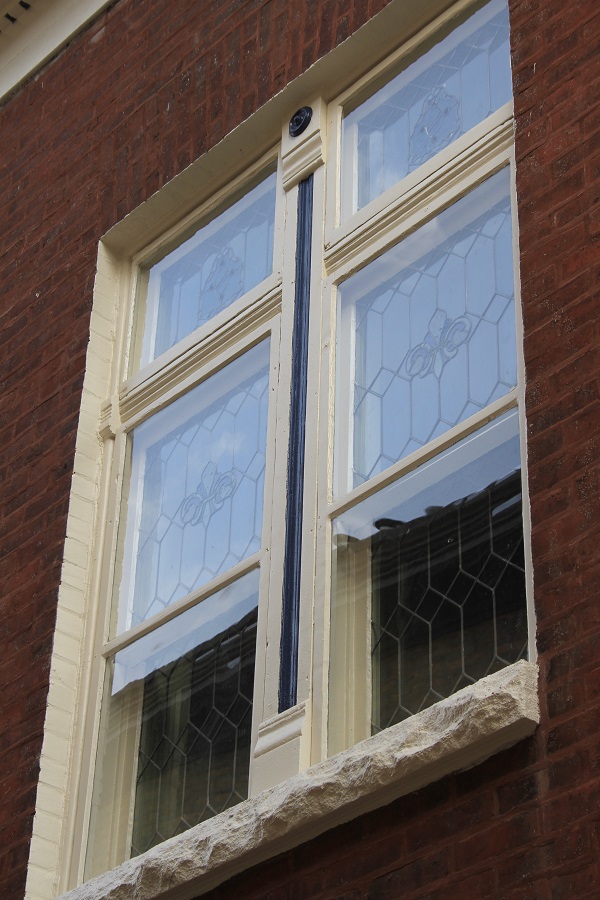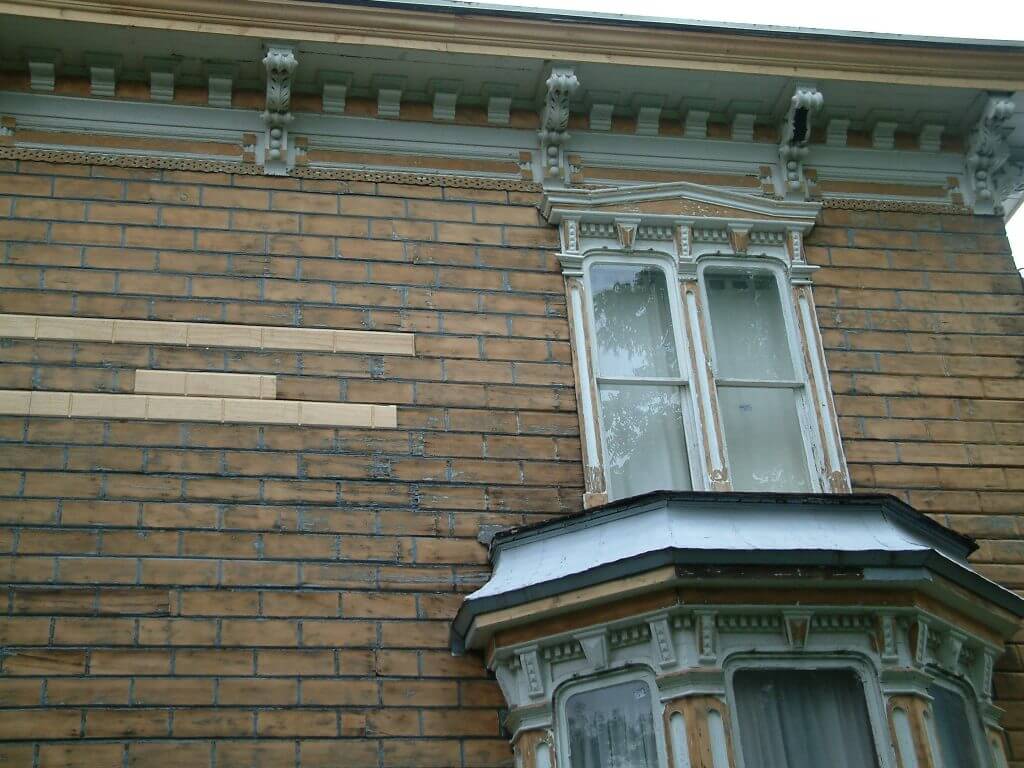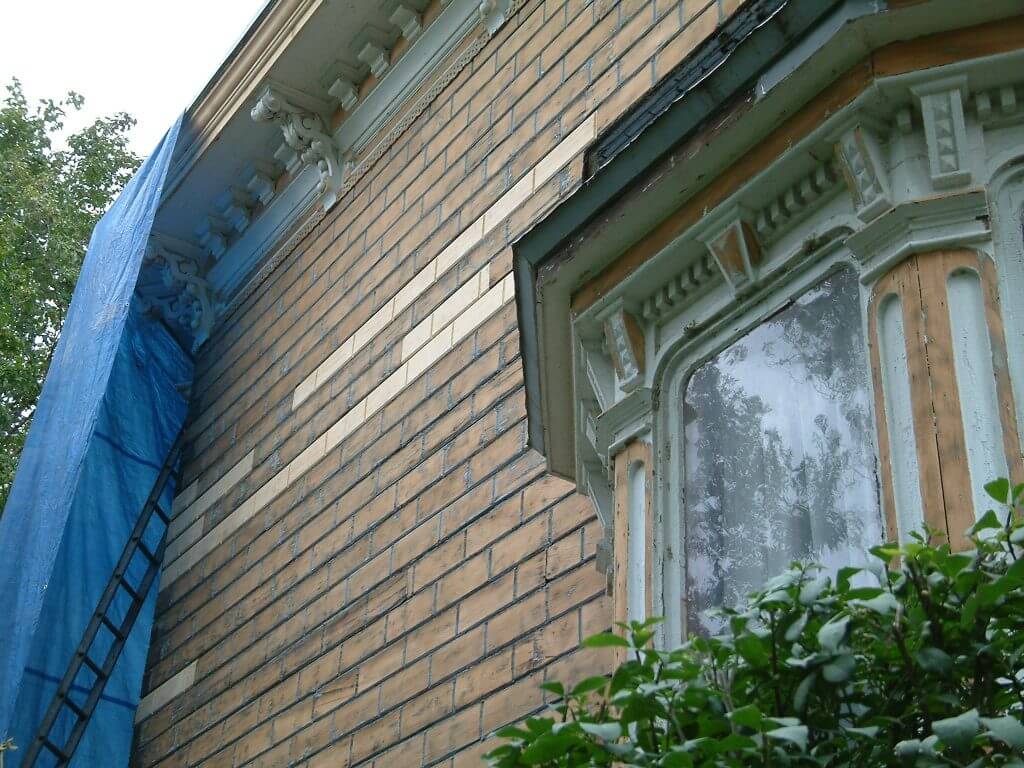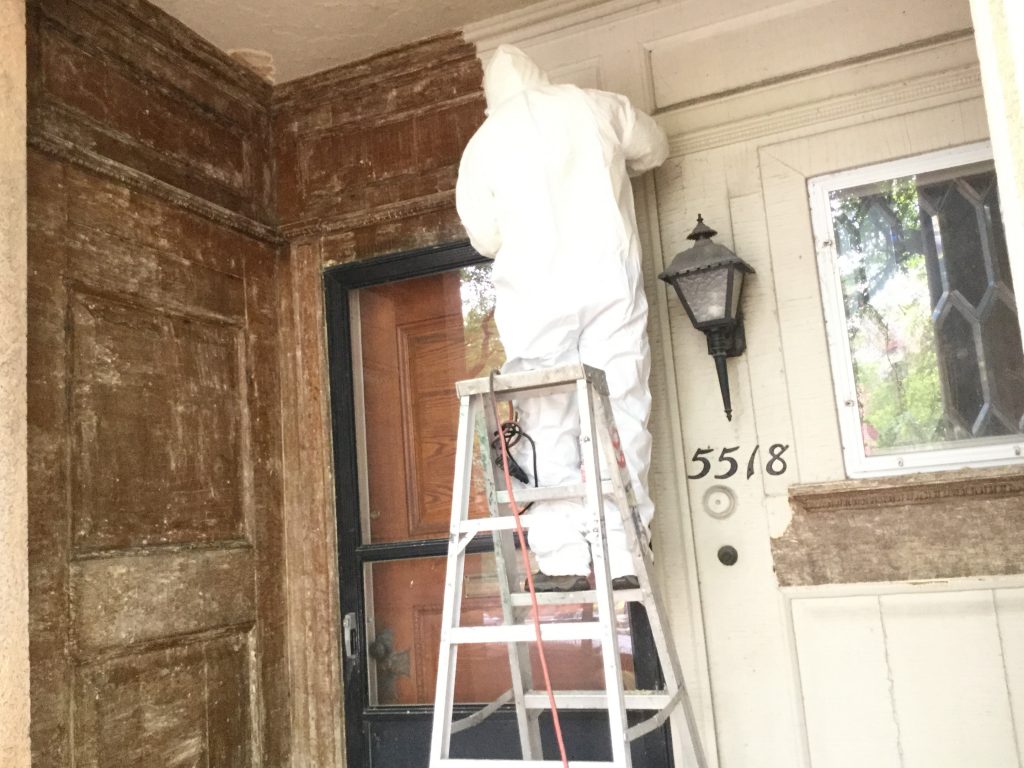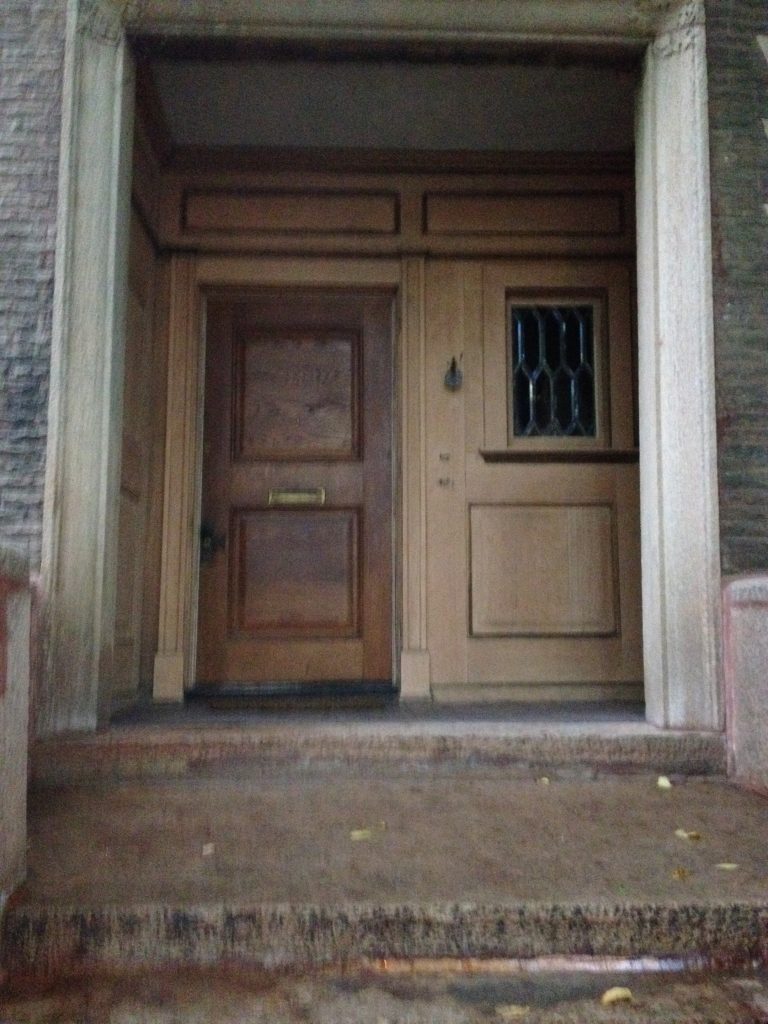

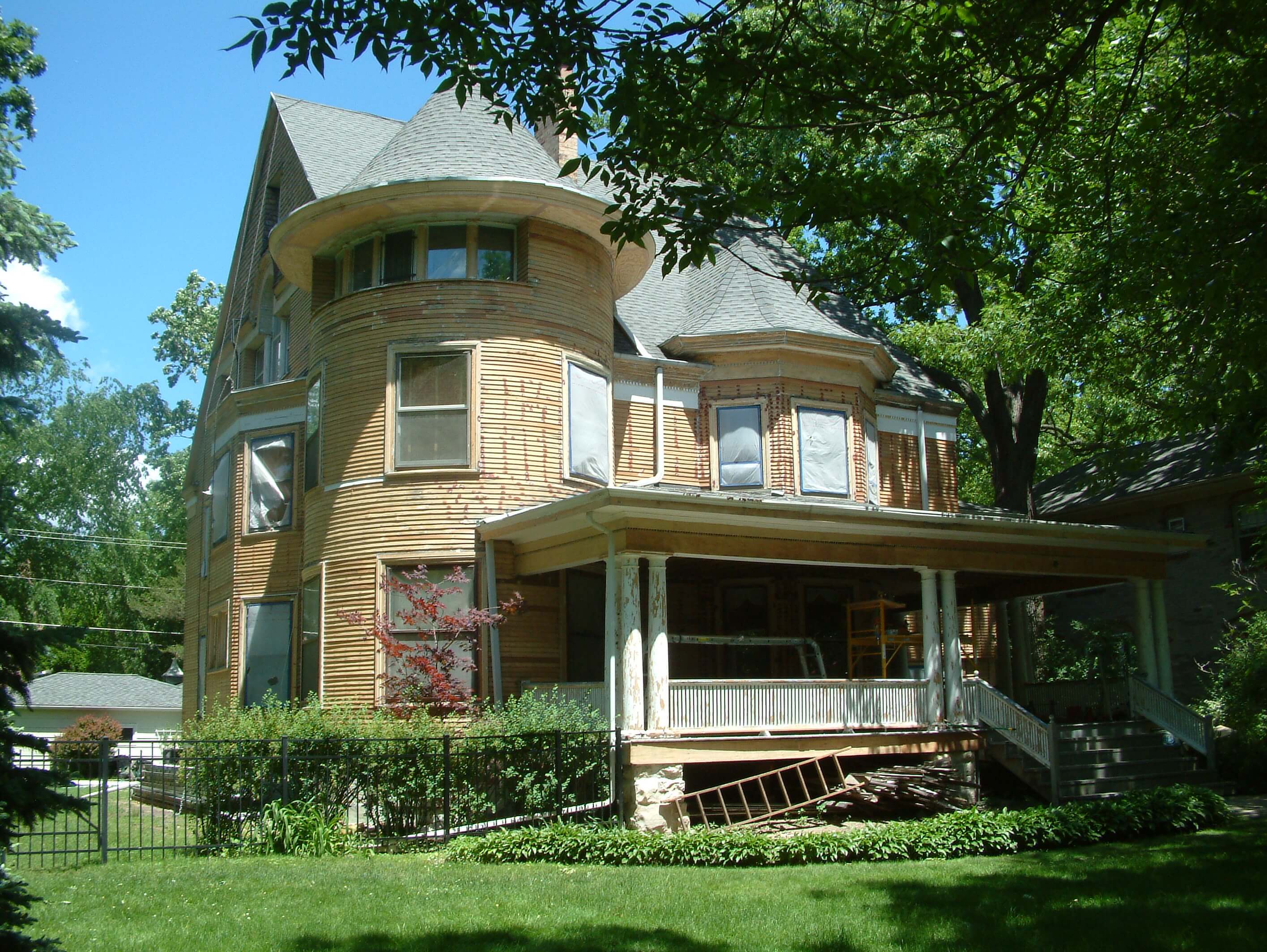
If your Chicago home was built before 1978, there is almost certainly lead-based paint somewhere in the layers of paint covering its walls, windows, doors, and trim. Federal law makes that paint a serious concern any time it’s disturbed. When it’s done wrong — or done by a contractor without the right certification, equipment, and training — the disturbance creates lead dust that can permanently harm children, pets, and adults living in the home.
Fortune Restoration is EPA Lead-Safe (RRP) certified and has been performing RRP protocol on Chicago’s historic and pre-1978 housing stock since 1979. From single-room interior stripping to whole-house exterior lead paint abatement, our crews follow EPA Renovation, Repair, and Painting Rule protocols on every applicable project — not as an upcharge, but as the standard way we do this work.
Request a free same-day estimate or call 847-647-2500.
What “RRP” Means — And Why It Matters in Chicago
The EPA’s Renovation, Repair, and Painting (RRP) Rule is federal law. It requires any contractor performing work that disturbs more than six square feet of interior or twenty square feet of exterior painted surface on housing built before 1978 to be EPA-certified and to follow specific lead-safe work practices.
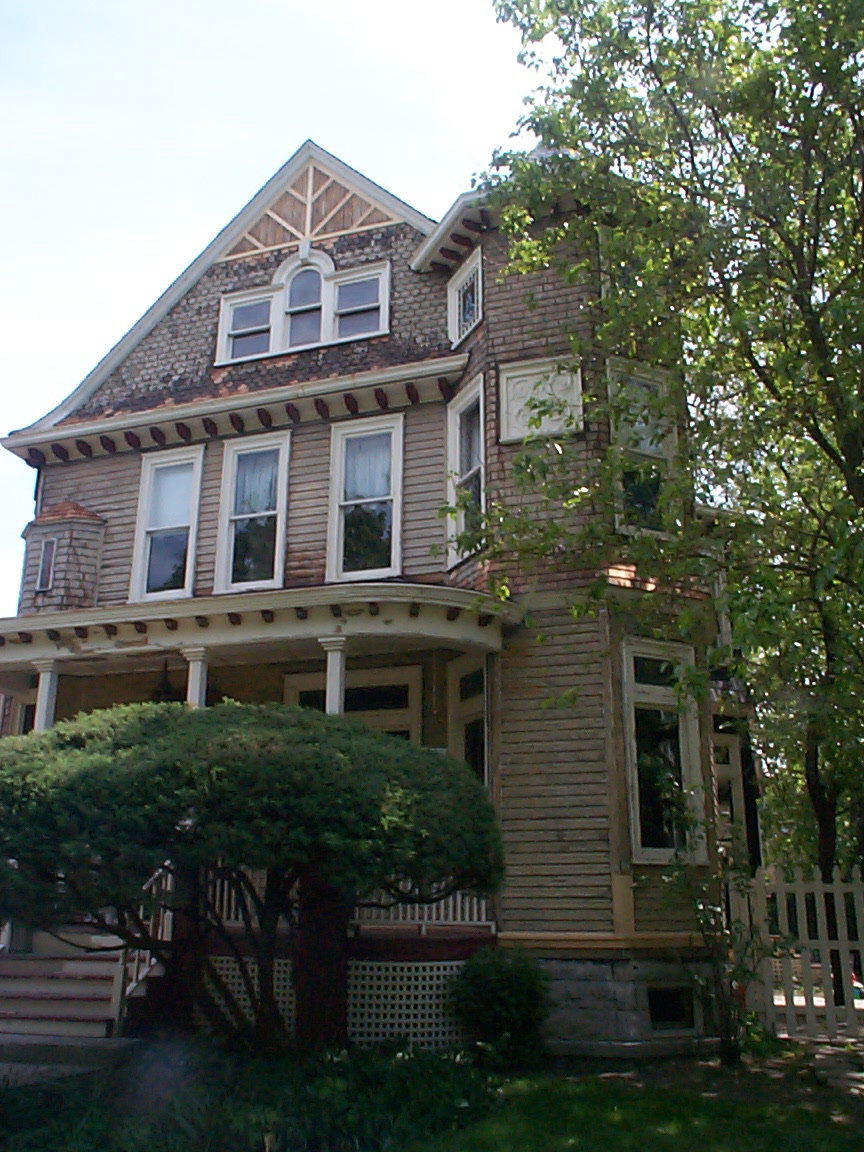
This matters enormously in Chicago because the majority of Chicago’s residential housing stock predates 1978. The two-flats, three-flats, greystones, bungalows, Victorian homes, Prairie houses, and pre-war high-rises that define Chicago neighborhoods almost universally contain lead paint somewhere in their layered painted surfaces. Disturbing those surfaces without RRP protocols isn’t just a regulatory violation — it’s a real public-health hazard.
A small amount of lead dust from improper paint removal can contaminate an entire home, and lead exposure has no safe level for children. The CDC’s lead poisoning prevention guidance describes how exposure causes permanent neurological damage even at very low blood-lead levels.
When You Need RRP Paint Removal
Lead-safe paint removal is required — or strongly recommended — in these situations:
- Exterior or interior painting on any home built before 1978 where the existing paint will be scraped, sanded, or otherwise disturbed
- Renovation work disturbing painted surfaces — window replacement, door replacement, trim repair, siding work
- Failing paint with visible peeling, chipping, or chalking — this paint is actively contaminating surrounding surfaces and soil even without any work being done
- Lead paint hazard remediation required after a positive lead test or a city order
- Real estate transactions where the buyer’s inspector identifies lead paint conditions requiring correction before closing
- Families with young children, pregnant residents, or pets where any disturbance of pre-1978 paint warrants extra caution
If you’re not sure whether your home contains lead paint, EPA-certified lead inspectors can perform testing. Most Chicago homes built before 1950 should be assumed to have lead paint regardless of testing.
The Fortune Restoration RRP Process
- Assessment and project planning. We document the scope of pre-1978 painted surfaces that will be disturbed, evaluate the condition of existing paint, and develop a containment and work plan specific to the project.
- Occupant notification. Federal law requires occupants to receive the EPA’s “Renovate Right” pamphlet before work begins. We handle this paperwork as standard practice.
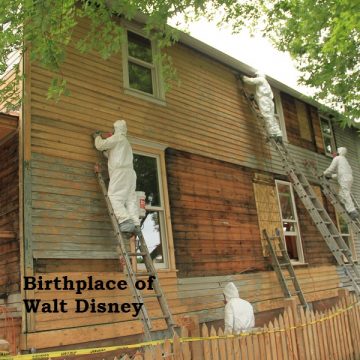
- Site preparation and containment. Plastic sheeting at all entry points to the work area, floor protection, HVAC vent sealing, and exterior ground covering to capture all paint debris. On exterior projects, drop cloths extend at least 10 feet from the building on all sides.
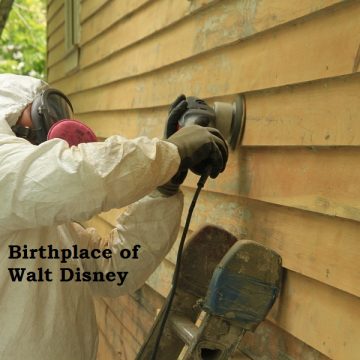
- Lead-safe work practices. We use methods that minimize lead dust generation — chemical strippers, controlled-temperature infrared paint removal, and wet scraping — rather than aggressive dry sanding, open-flame torches, or high-heat guns above 1100°F. Power-sanding equipment is HEPA-attached.
- HEPA cleanup. Daily and final cleanup with HEPA-filtered vacuums, wet wiping of all surfaces, and proper disposal of all contaminated materials in sealed waste bags.
- Verification cleaning and clearance. Visual inspection at project completion confirms no paint dust or debris remains. On regulated jobs, we coordinate any required clearance testing.
- Documentation. We retain RRP project records as required by federal law and can provide documentation for property owners, buyers, lenders, or future contractors.
Paint Removal Methods We Use
Different surfaces, different paint conditions, and different project goals call for different removal methods. We match the approach to the substrate:
Chemical Paint Removal
Paste or gel paint strippers are applied, allowed to dwell, and the softened paint is scraped off. Effective and low-risk to the substrate. Slow and labor-intensive but ideal for detailed interior woodwork, intricate millwork, and any project where heat or mechanical methods would damage profiles. Compatible with lead-safe work practices because it doesn’t aerosolize lead.
Controlled-Temperature Infrared
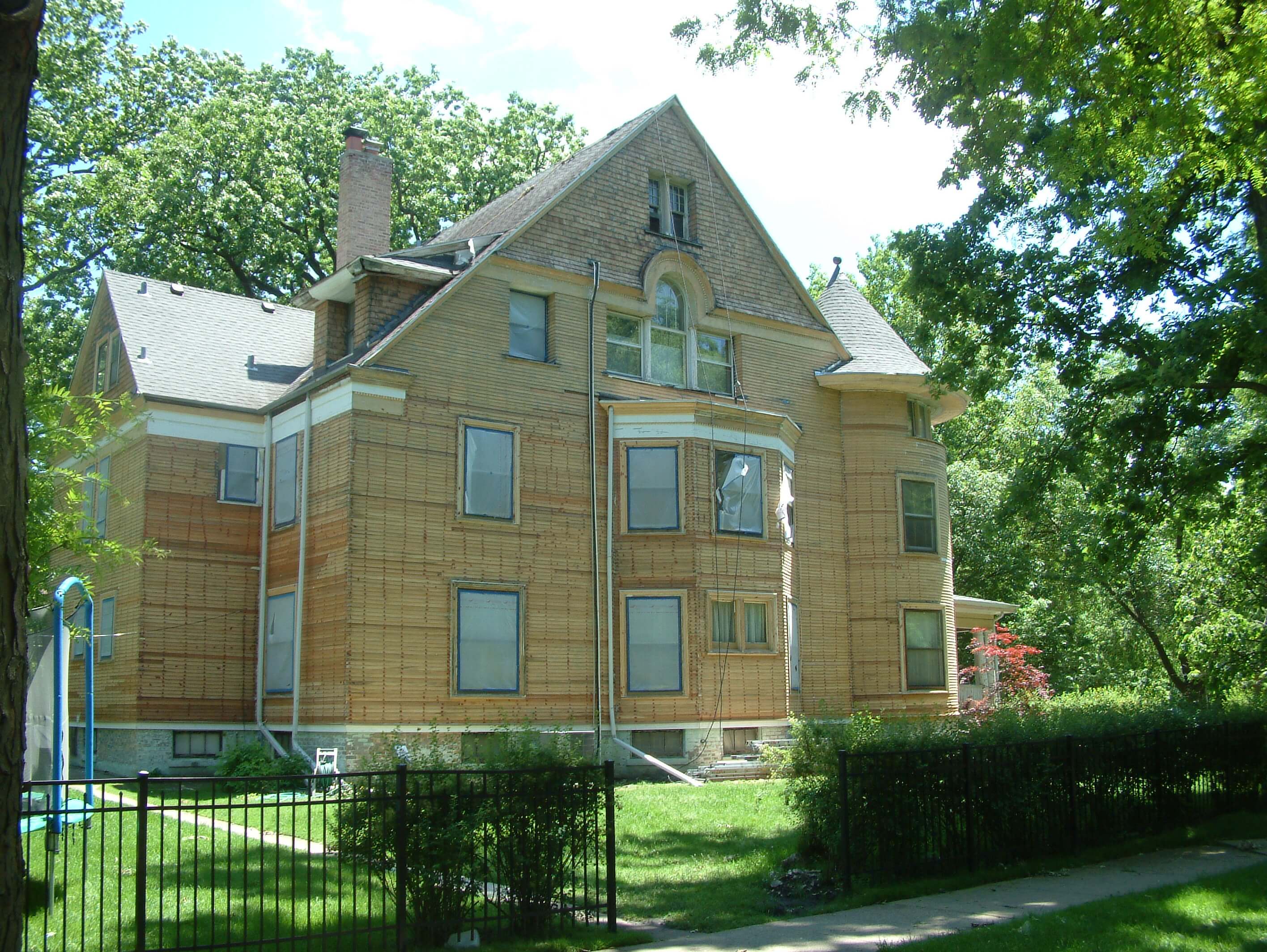
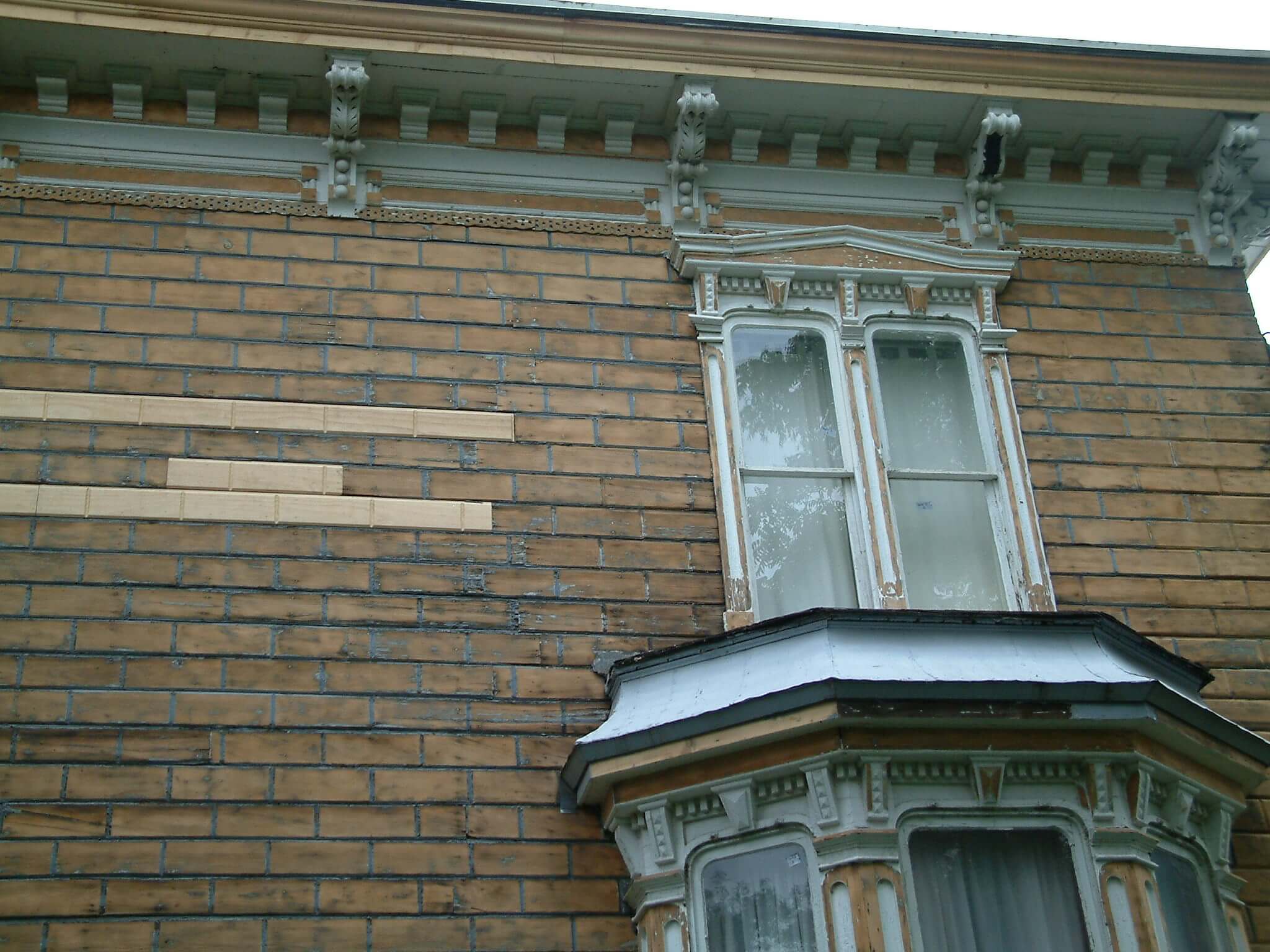
Infrared paint removers soften paint with low-temperature heat below the lead vaporization threshold. Faster than chemical strippers on broad flat surfaces, RRP-compatible, and excellent for stripping exterior siding and trim on pre-1978 homes. The technology has largely replaced traditional heat guns for lead-safe work.
Wet Scraping
The most traditional RRP-compliant method — misting the surface, scraping with hand tools, capturing debris immediately. Slow but reliable, particularly for limited-scope exterior preparation work where full chemical or infrared stripping isn’t needed.
HEPA-Attached Mechanical Sanding
For surface preparation after stripping or on surfaces with sound paint, sanders equipped with HEPA-filtered dust collection capture lead dust at the source. Used in combination with the methods above; not as a primary stripping method on lead paint.
What We Don’t Do
Some paint removal methods are explicitly prohibited under RRP protocols, and several others we won’t use even when not technically prohibited, because they create unacceptable risk:
- Open-flame torches or burning — vaporizes lead and creates fire risk; prohibited
- High-heat guns above 1100°F — vaporizes lead; prohibited
- Uncontained dry sanding or scraping — creates and spreads lead dust; prohibited
- Sandblasting — creates extensive lead dust contamination; effectively prohibited
- Pressure washing of failing lead paint — aerosolizes and spreads contamination through runoff and overspray
If you’ve gotten quotes from contractors who plan to do any of these on a pre-1978 home, ask them about their RRP certification.
Paint Removal on Newer (Post-1978) Homes
For homes built after 1978, lead concerns don’t apply — but proper paint removal still matters. Failing paint, multiple thick layers of old finish, surfaces being prepared for stain instead of paint, or substrate damage that requires repair all call for proper removal rather than just repainting over the existing surface. Our methods on newer homes include mechanical sanding, chemical stripping where appropriate, power washing, and full paint preparation as part of broader repainting projects.
Related Services
Paint removal rarely happens in isolation. Most projects coordinate with:
- Wood stripping and refinishing — the same lead-safe methods, applied where the goal is restoring original wood character
- Paint job preparation — what happens after stripping and before the new finish goes on
- Exterior painting or interior painting — the finish work that completes most RRP projects
- Siding repair, custom millwork, column restoration, and shutter work — all of which disturb painted surfaces on pre-1978 homes and trigger RRP requirements
- Window replacement and door replacement — some of the most common RRP triggers in renovation work
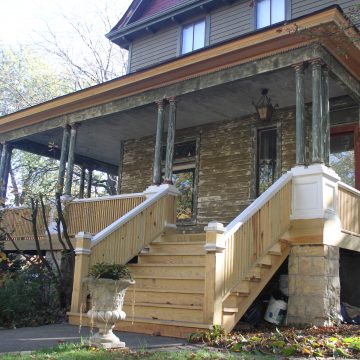
- Historic landmark restoration — virtually all landmark properties predate 1978 and require RRP-compliant approaches
Service Area
Fortune Restoration provides EPA Lead-Safe (RRP) paint removal throughout the Chicagoland area, with particular experience in neighborhoods with concentrations of pre-1978 housing stock:
Chicago (Lincoln Park, Hyde Park, Wicker Park, Beverly, Lincoln Square, Old Irving Park, Rogers Park, Edgewater, Bucktown, Gold Coast) · Evanston · Wilmette · Winnetka · Kenilworth · Glencoe · Highland Park · Lake Forest · Oak Park · River Forest · Hinsdale · Lincolnwood · Skokie · Niles · Park Ridge · Glenview · Northbrook · Deerfield · Wheaton · Naperville
Why Property Owners Choose Fortune Restoration for Lead Paint Work
- EPA Lead-Safe (RRP) certified firm and crews — not subcontracted, not occasional; this is core to our practice
- 47+ years of working with Chicago’s pre-1978 housing stock
- Multi-trade integration — paint removal coordinated with carpentry, millwork, and finish painting under one contractor with consistent RRP protocols across the whole project
- Landmark-property experience — trusted with the most sensitive historic paint removal projects in the Chicago area
- Free same-day estimates on most projects
- Licensed, bonded, and fully insured in the State of Illinois
Helpful External Resources
- EPA Lead Renovation, Repair & Painting (RRP) Program — the foundational federal regulation governing this work
- EPA “Renovate Right” Pamphlet — required disclosure to occupants before lead-safe work
- CDC Childhood Lead Poisoning Prevention — why this matters for families with children
- HUD Office of Lead Hazard Control and Healthy Homes — federal guidance on lead abatement and hazard control
- NPS Preservation Brief #37: Appropriate Methods for Reducing Lead-Paint Hazards in Historic Housing — preservation-sensitive approaches
Frequently Asked Questions
How do I know if my Chicago home has lead paint?
If your home was built before 1978, you should assume it does. The older the home, the higher the concentration: nearly all pre-1950 housing contains lead paint somewhere in the layers, and pre-1940 housing virtually always does. For certainty, an EPA-certified lead inspector or risk assessor can perform testing — either XRF scanning or paint chip sampling. The vast majority of Chicago’s pre-war two-flats, three-flats, greystones, and bungalows contain lead paint regardless of testing results.
What is the EPA RRP rule?
The Renovation, Repair, and Painting Rule is federal law that requires contractors working on housing built before 1978 to be EPA-certified and to follow specific lead-safe work practices whenever they disturb more than six square feet of interior or twenty square feet of exterior painted surface. The rule covers containment, work practices, cleanup, and documentation. Fortune Restoration is RRP-certified and follows these protocols on every applicable project as standard practice.
Is RRP paint removal more expensive than regular paint work?
Yes, but not by as much as you might expect. The added cost covers proper containment, lead-safe methods, HEPA cleanup, and proper disposal — typically adding 10–25% to a comparable project on a post-1978 home. The premium is for safety, not profit. Contractors who quote pre-1978 work at standard pricing are either not RRP-certified or are skipping required protocols — both of which expose homeowners to real liability and health risk.
Can I remove lead paint myself?
Legally, homeowners are not required to be RRP-certified to do work on their own property. Practically, we strongly advise against it. Improper lead paint removal contaminates the home, the surrounding soil, and your family. The dust generated by even small-scale dry sanding can produce dangerous lead exposure. If you must DIY, use only wet scraping with proper containment, never dry sanding or burning, and ensure children and pregnant residents are not present in the home during or immediately after the work.
What’s the difference between RRP and full lead abatement?
RRP is a set of work practices for minimizing lead exposure during renovation, repair, and painting work — it doesn’t permanently eliminate the lead paint, just controls disturbance. Lead abatement is a separate category of work focused on permanently eliminating lead hazards — replacing painted components, encapsulating with specialized coatings, or removing all lead paint from a property. Lead abatement is governed by different EPA regulations and typically requires a different certification. Most homeowner paint projects need RRP, not full abatement.
Can you remove lead paint from windows, doors, and trim without damaging them?
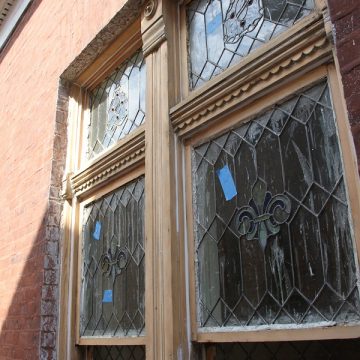
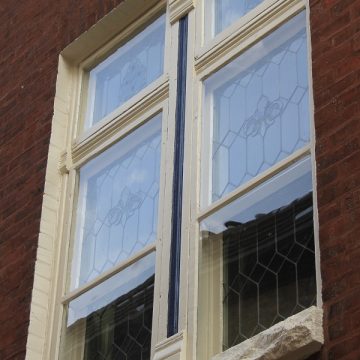
Yes — this is where chemical stripping and controlled-temperature infrared methods excel. Both methods soften paint without damaging the wood underneath, which is critical for historic doors, original window sashes, and decorative trim that needs to be preserved. Aggressive mechanical methods can damage wood profiles and aren’t appropriate for historic woodwork. See our wood stripping and refinishing service for projects focused on revealing original wood character.
Do you handle the painting and finishing after the paint is removed?
Yes. Most of our RRP projects include the full sequence — lead-safe paint removal, substrate repair, priming, and finish coats — under a single contract. This is more efficient and ensures consistent lead-safe protocols are followed through every phase rather than handed off between contractors who may not all be RRP-certified.
Need lead-safe paint removal for your Chicago home?
Call 847-647-2500 · Email sales@fortunerestoration.net · Request a Free Same-Day Estimate