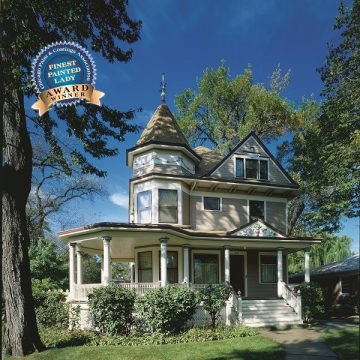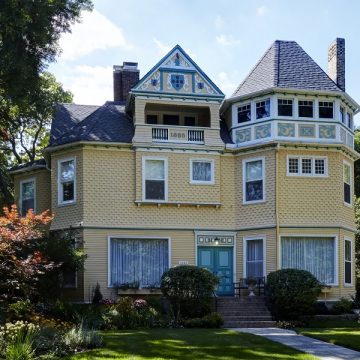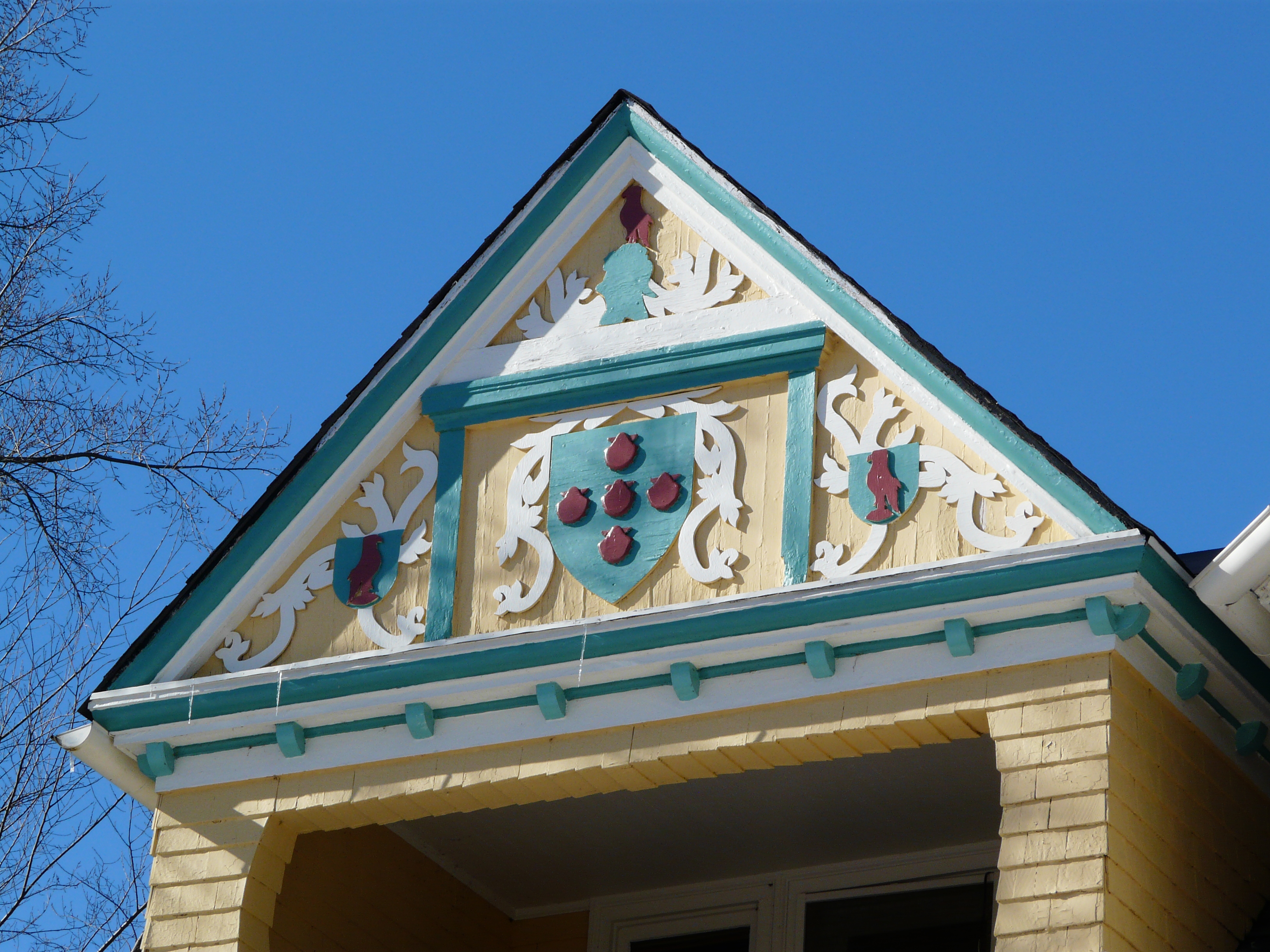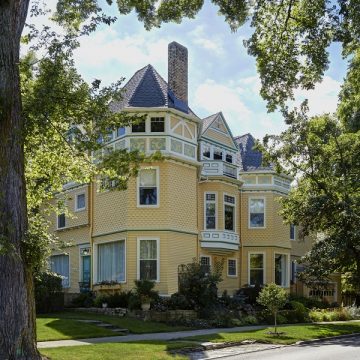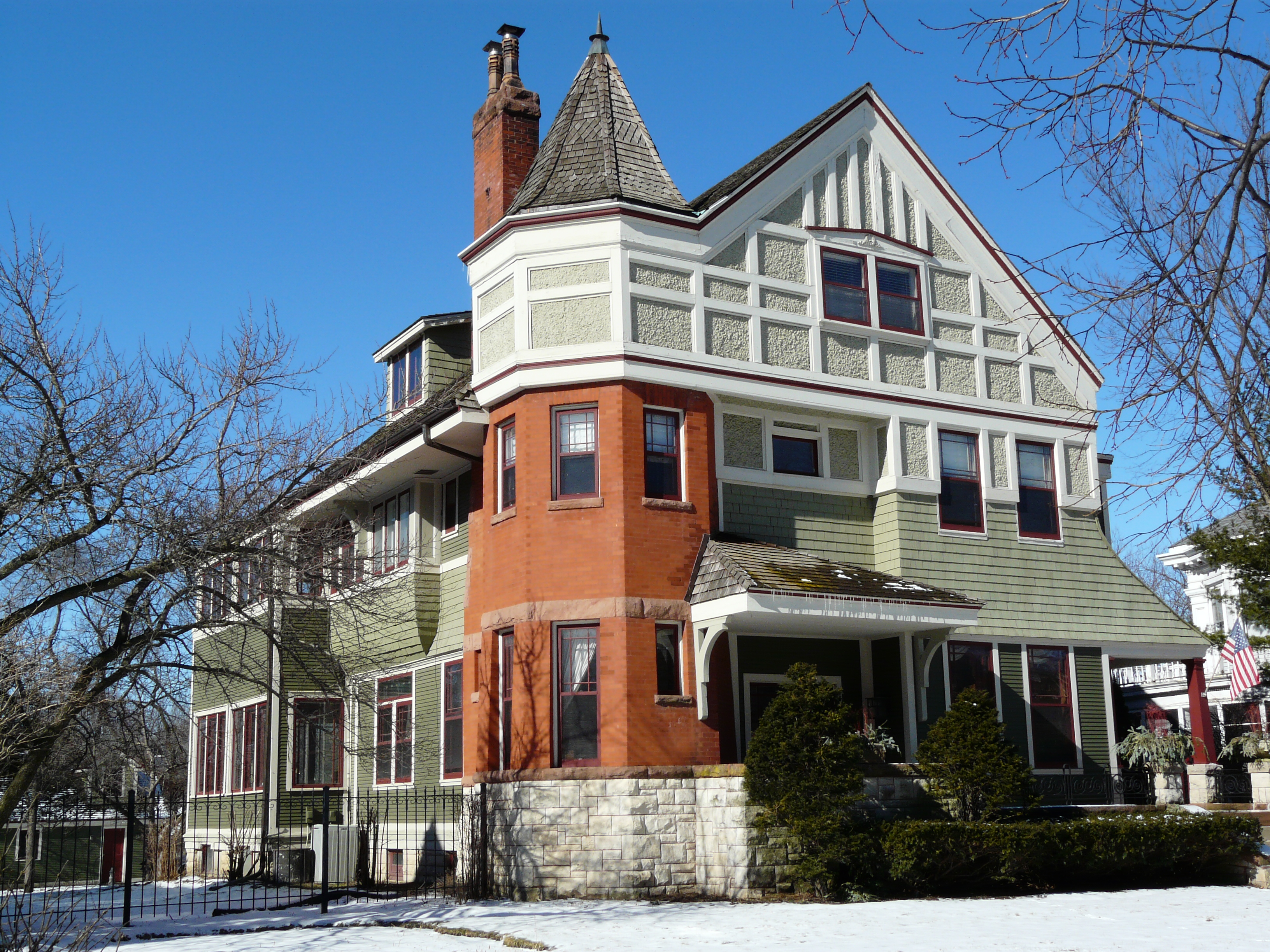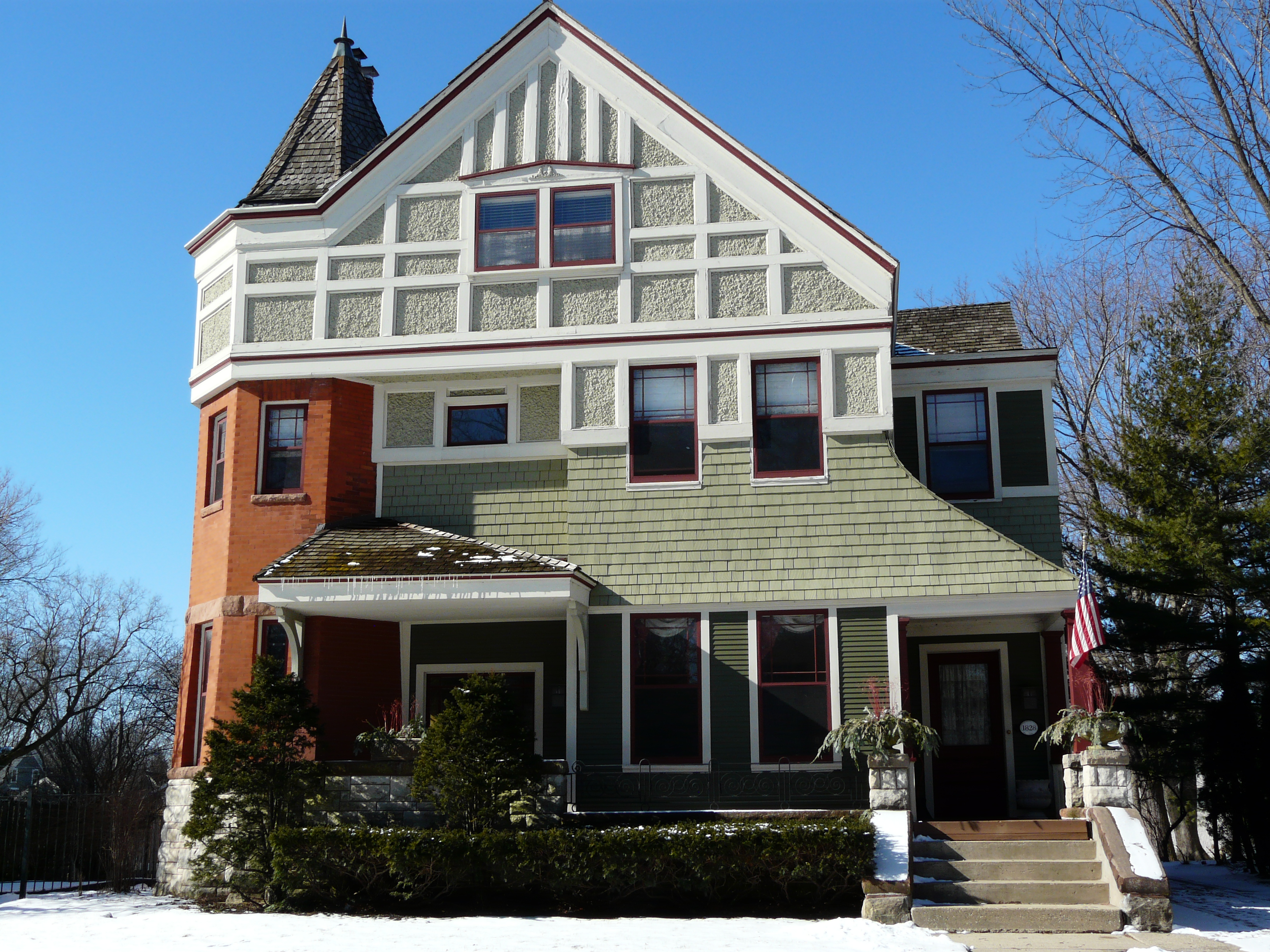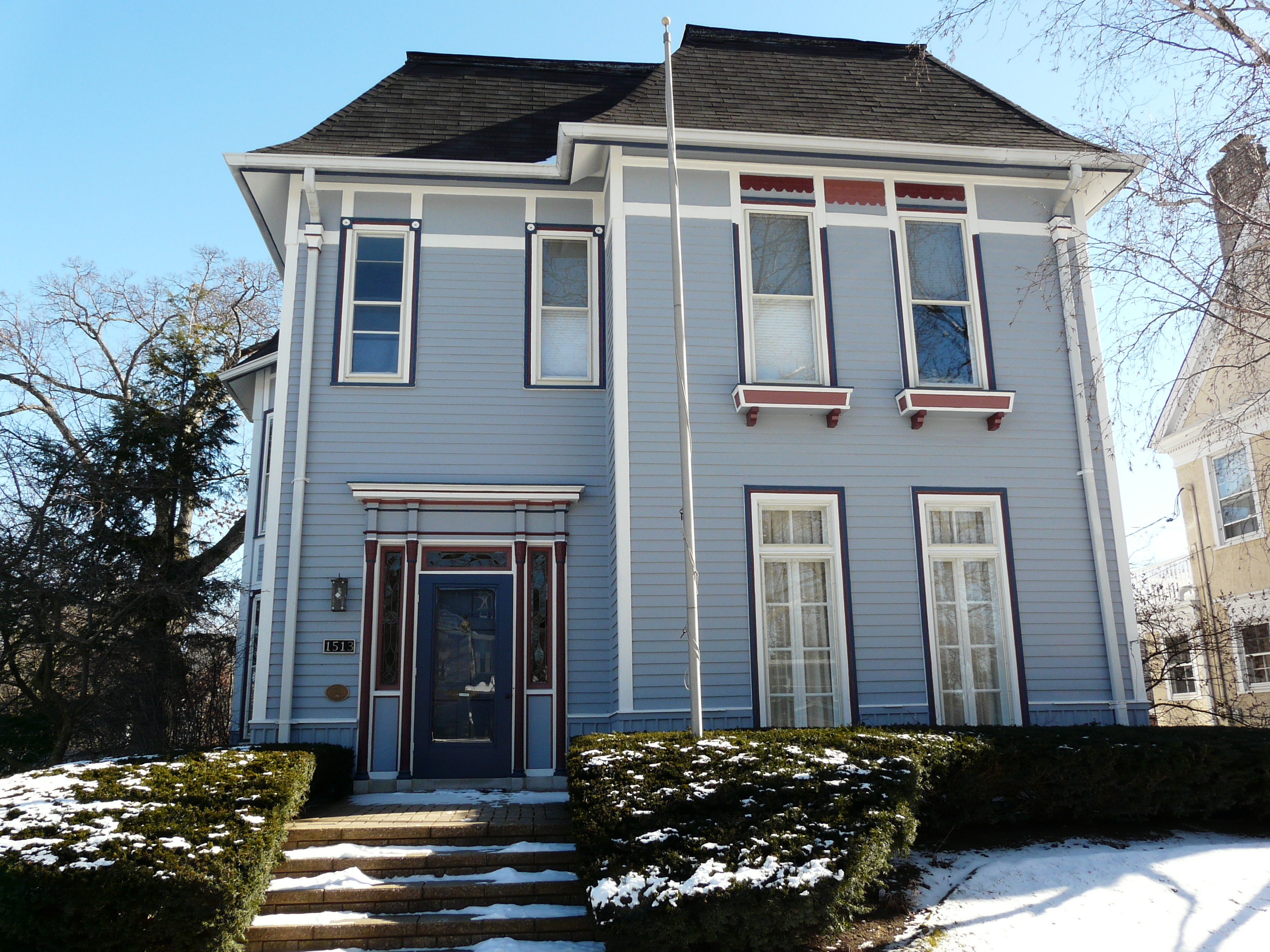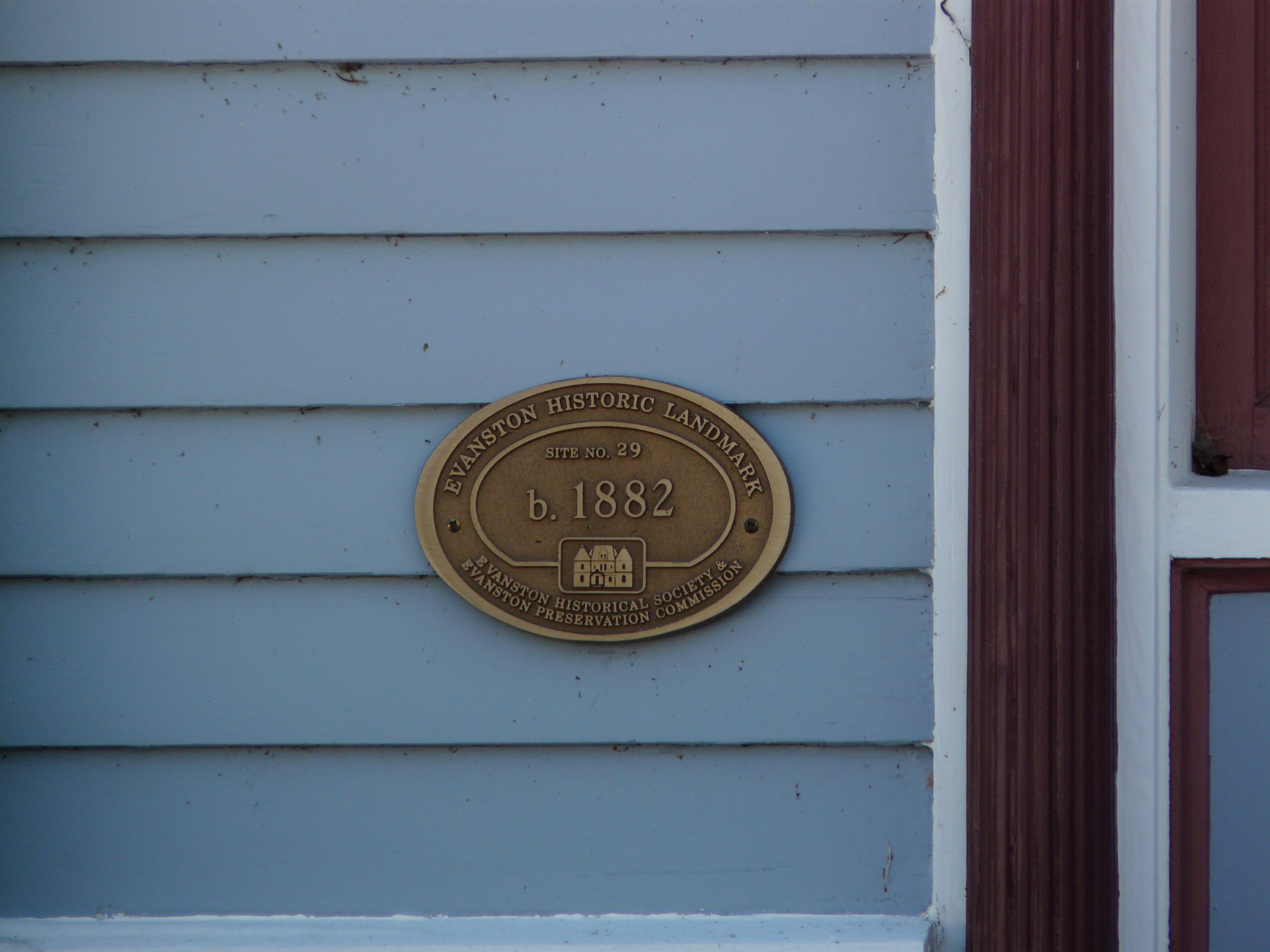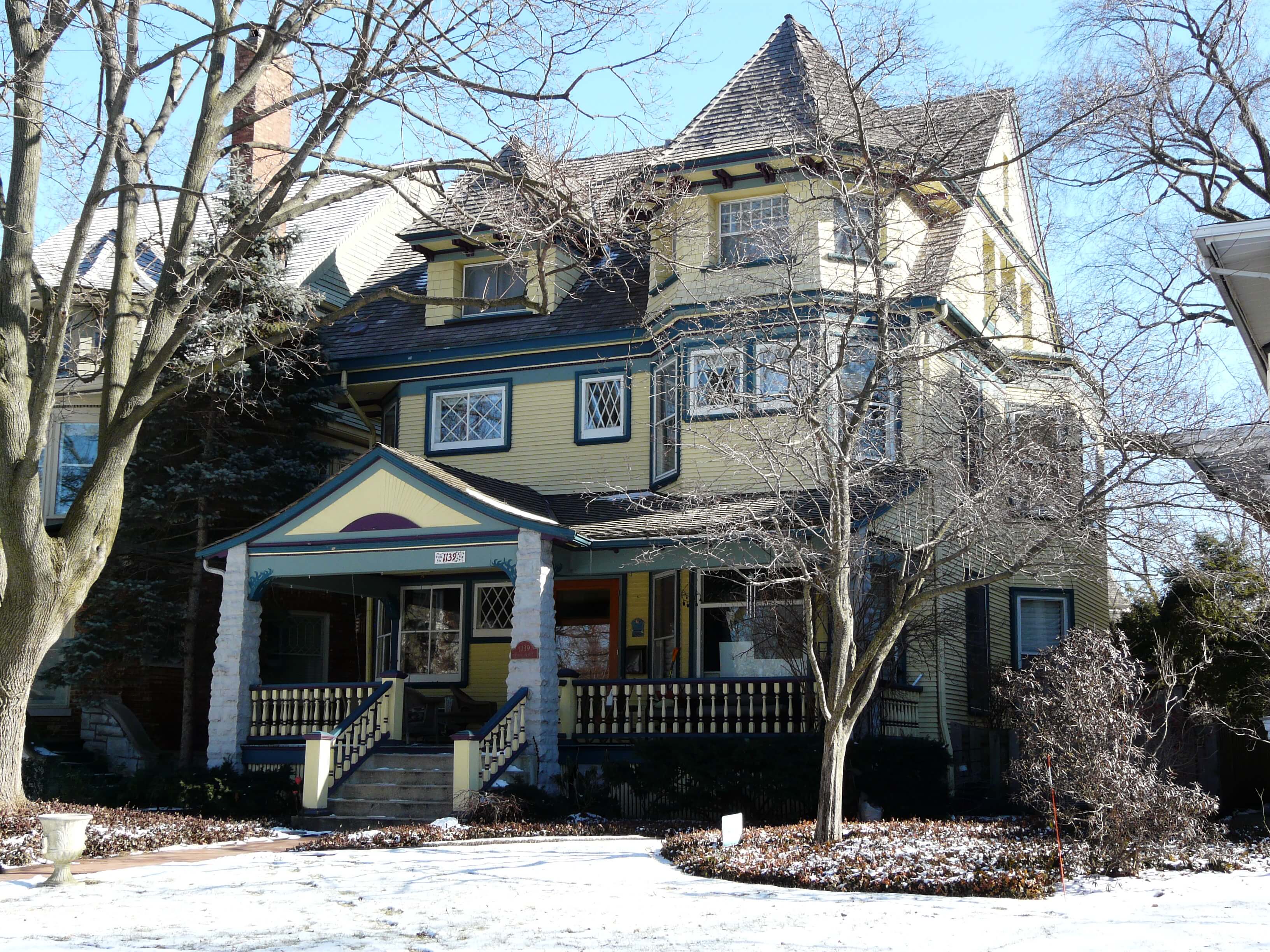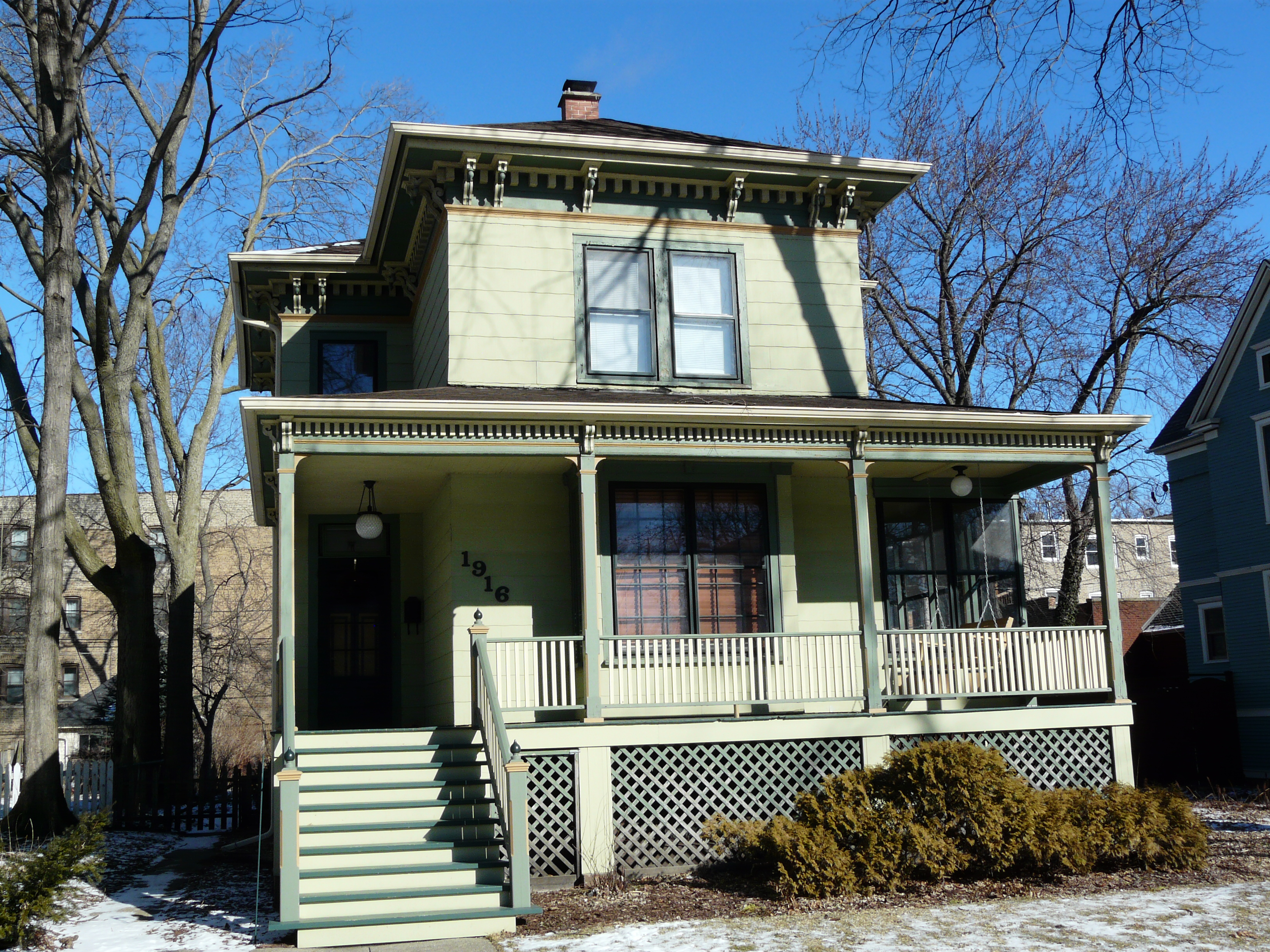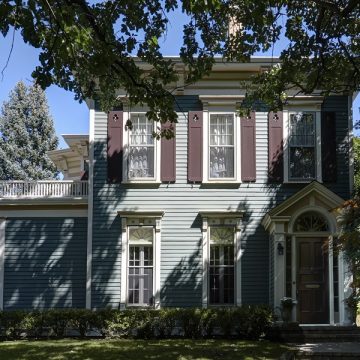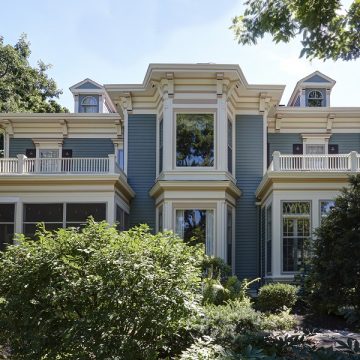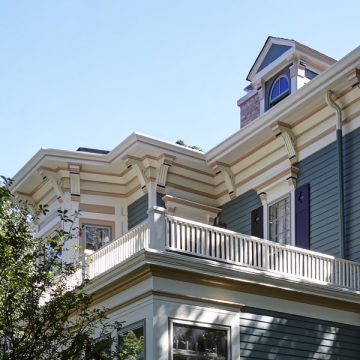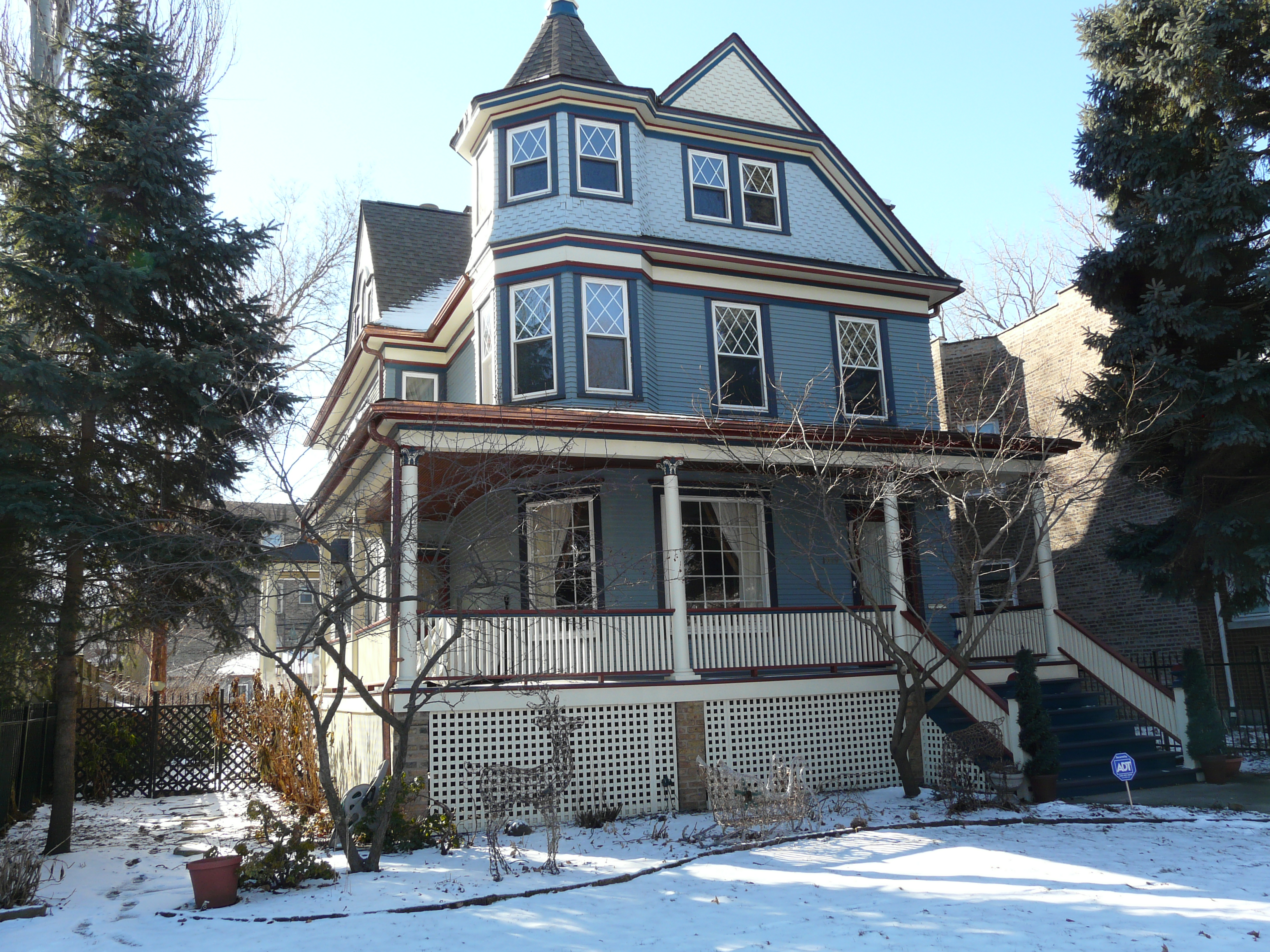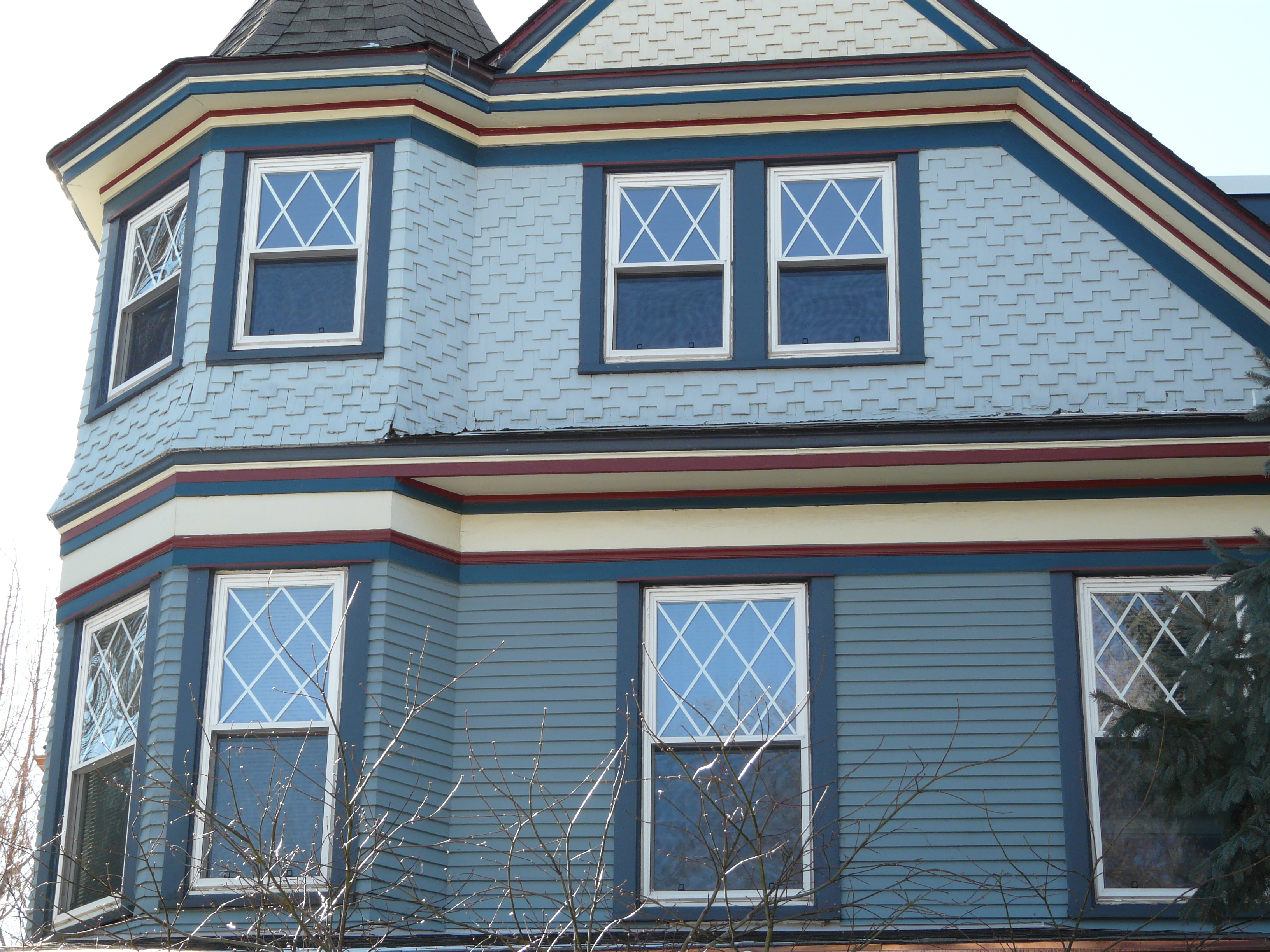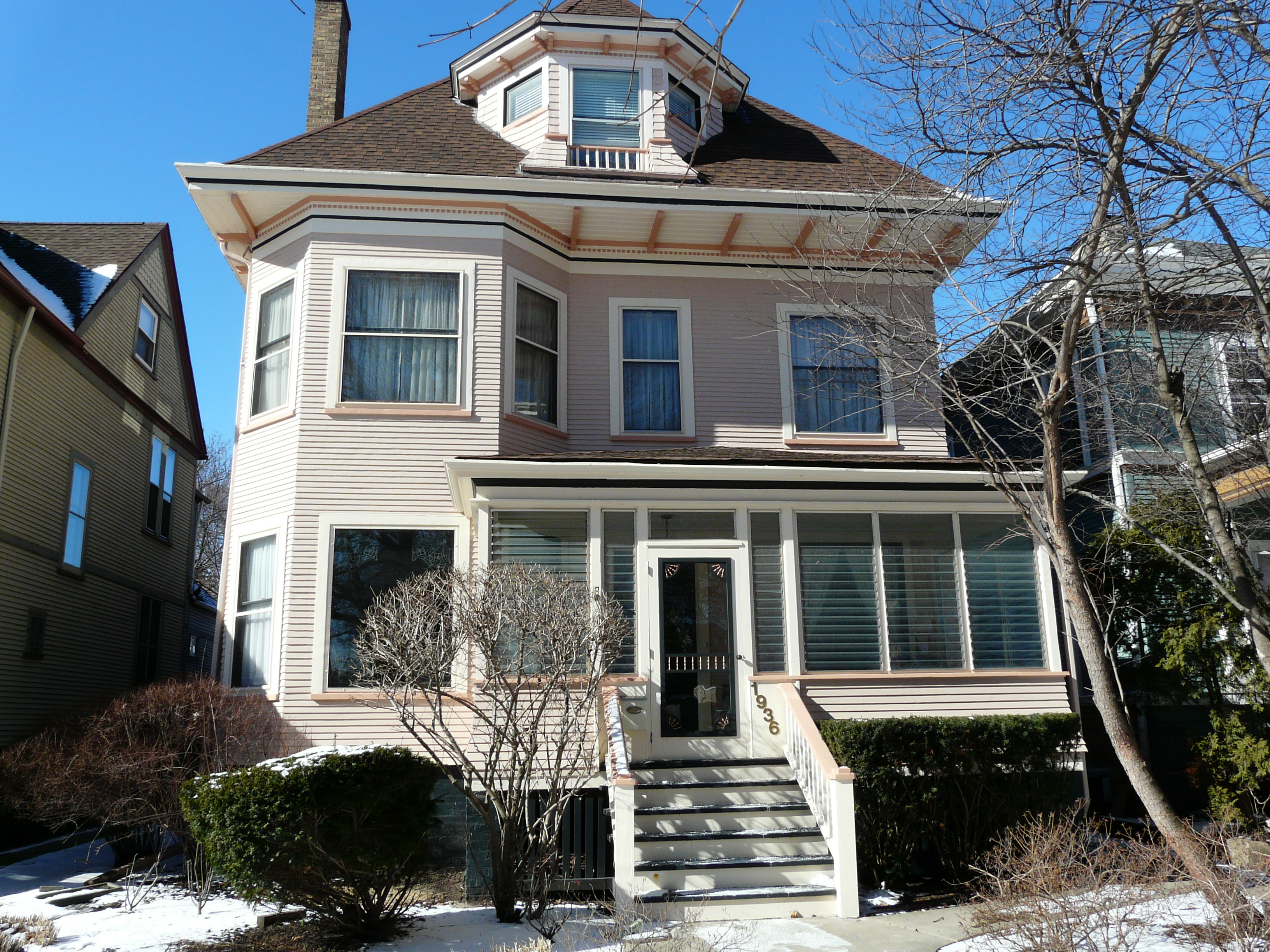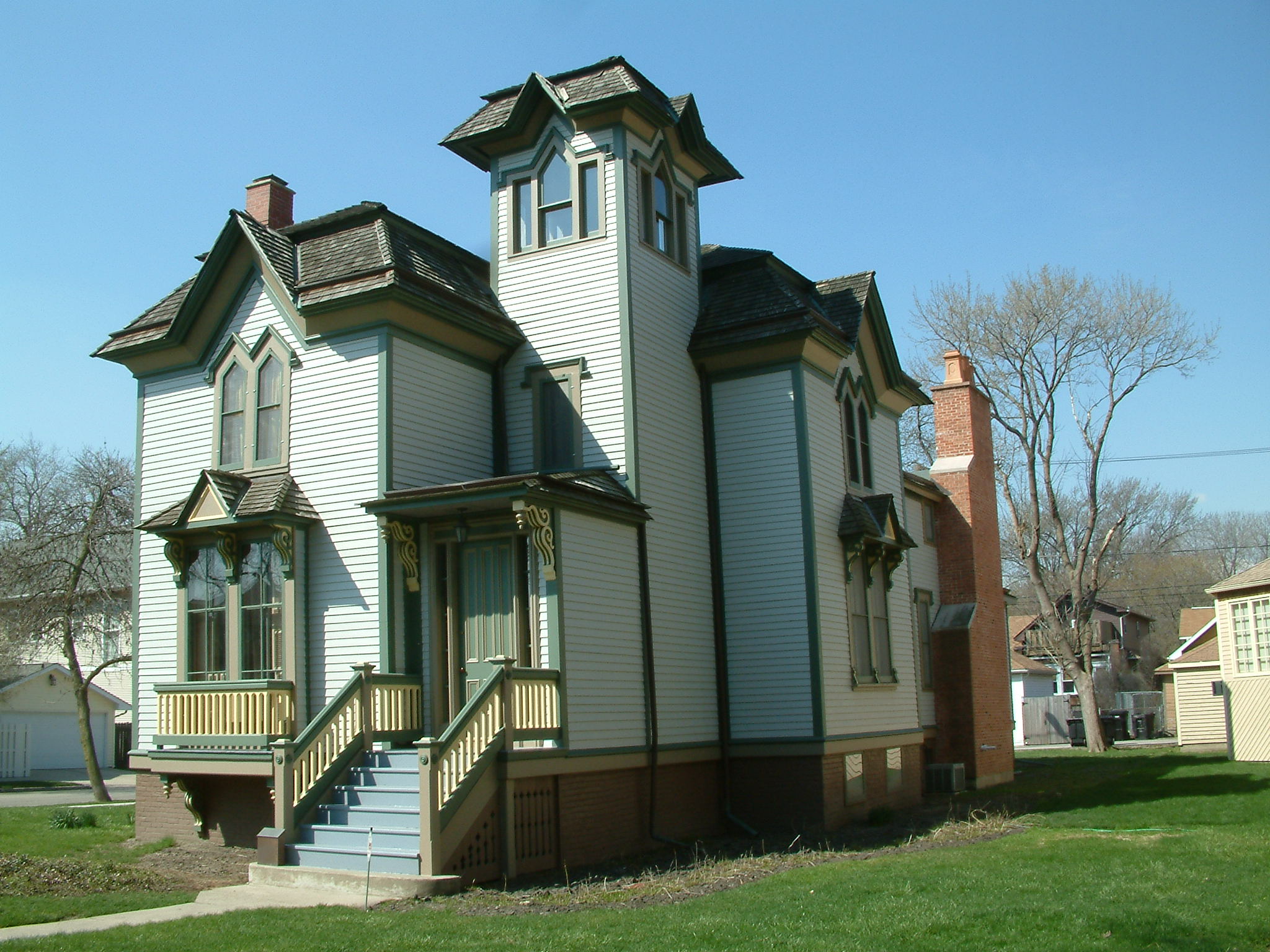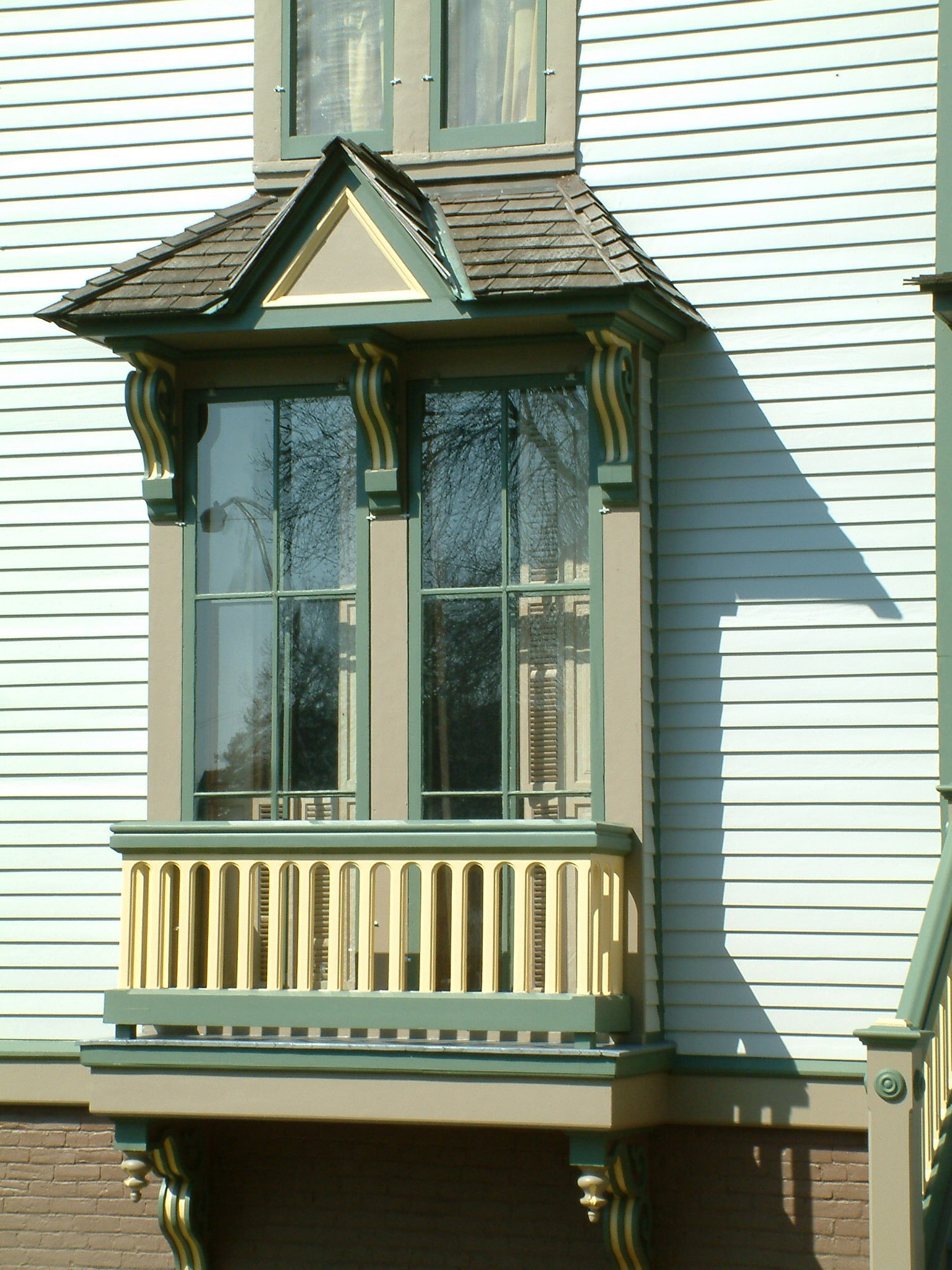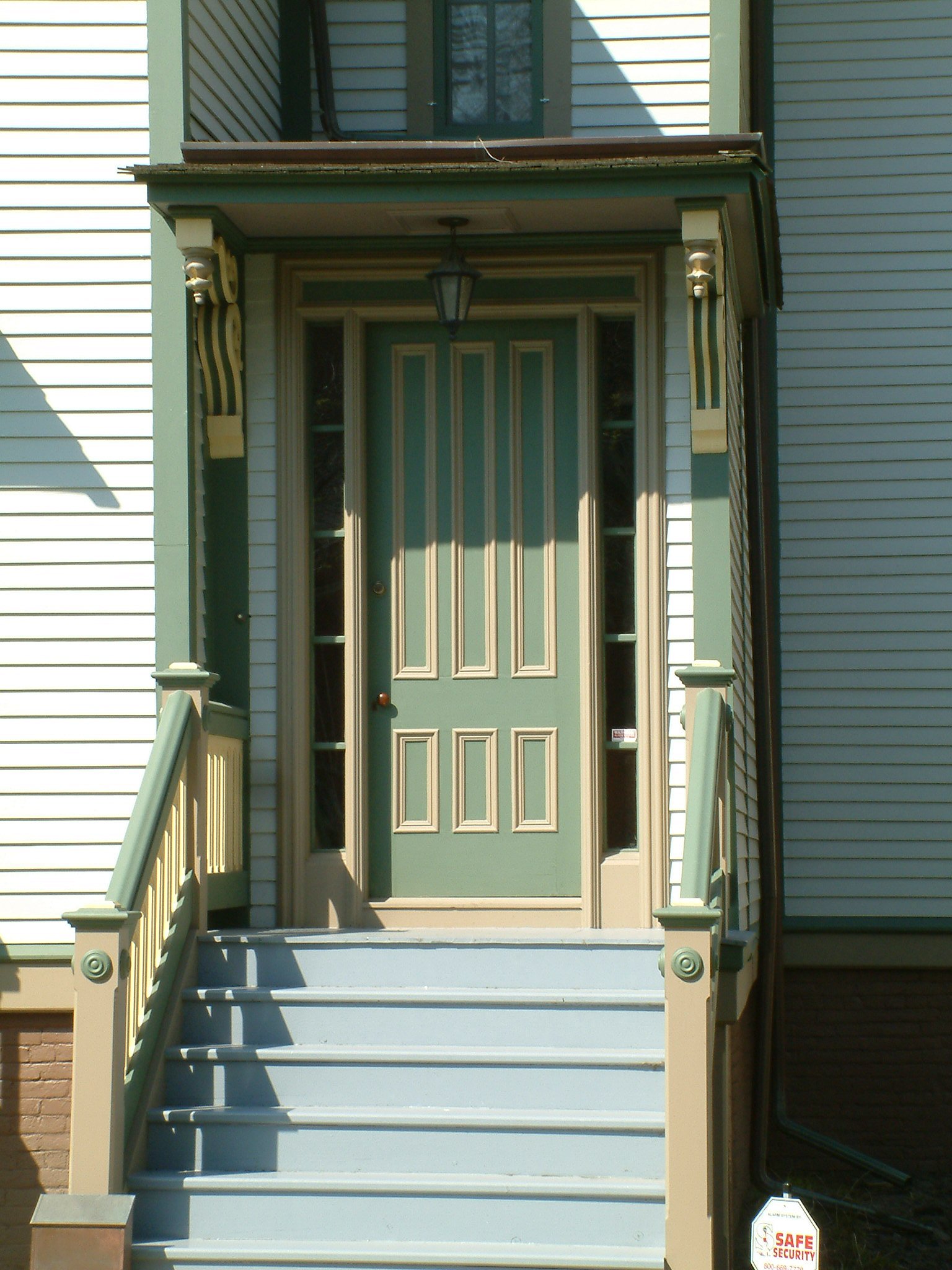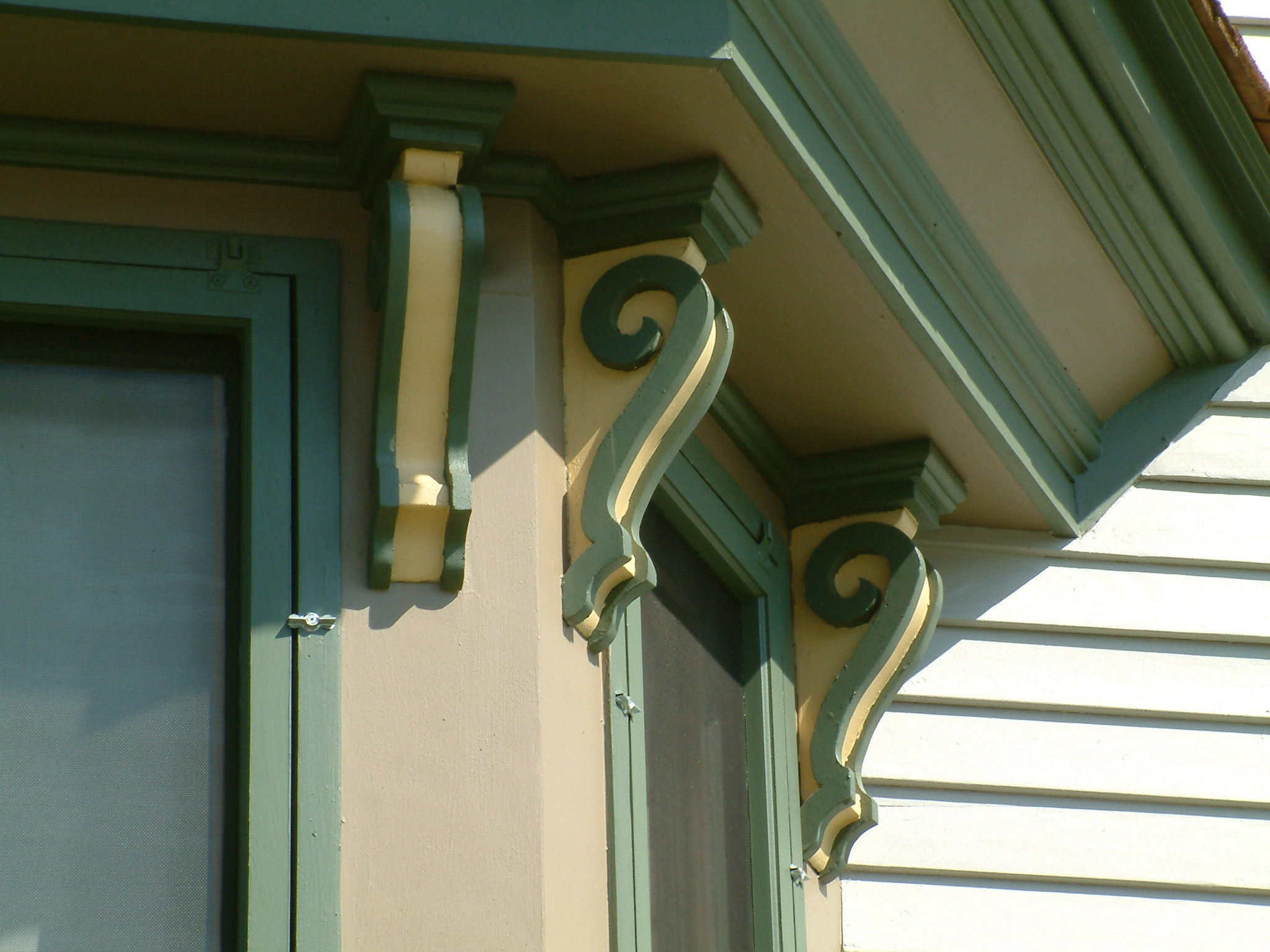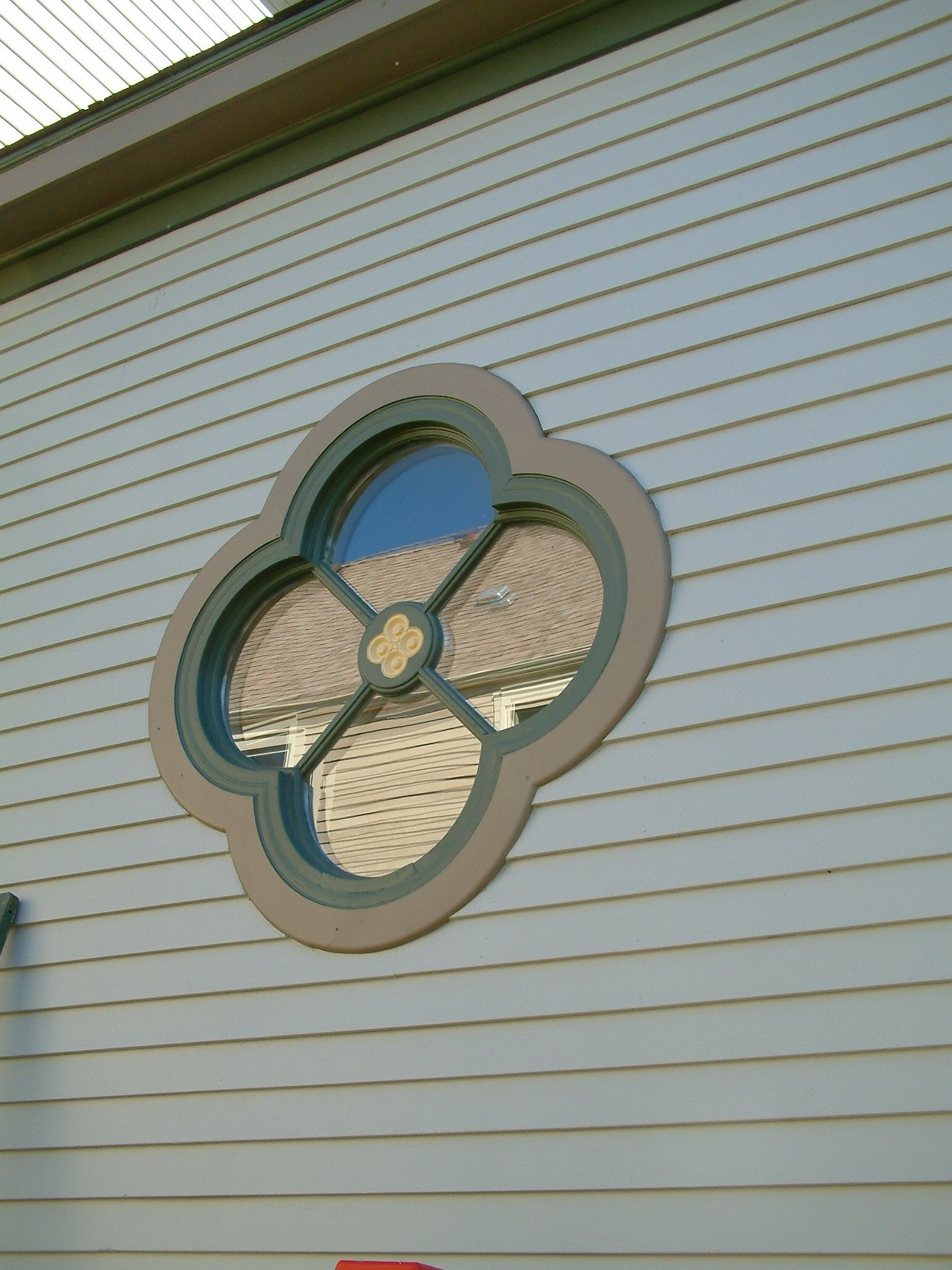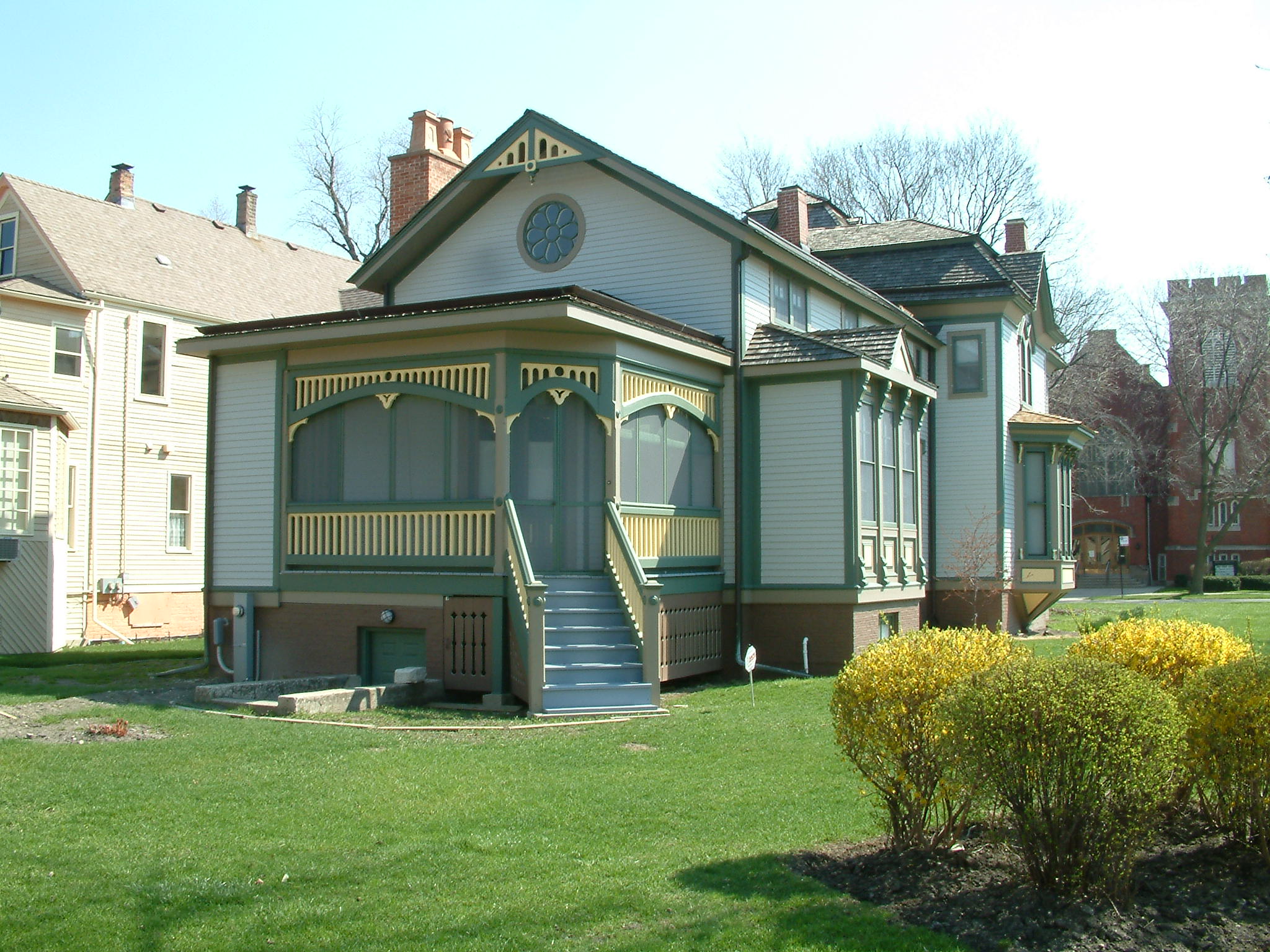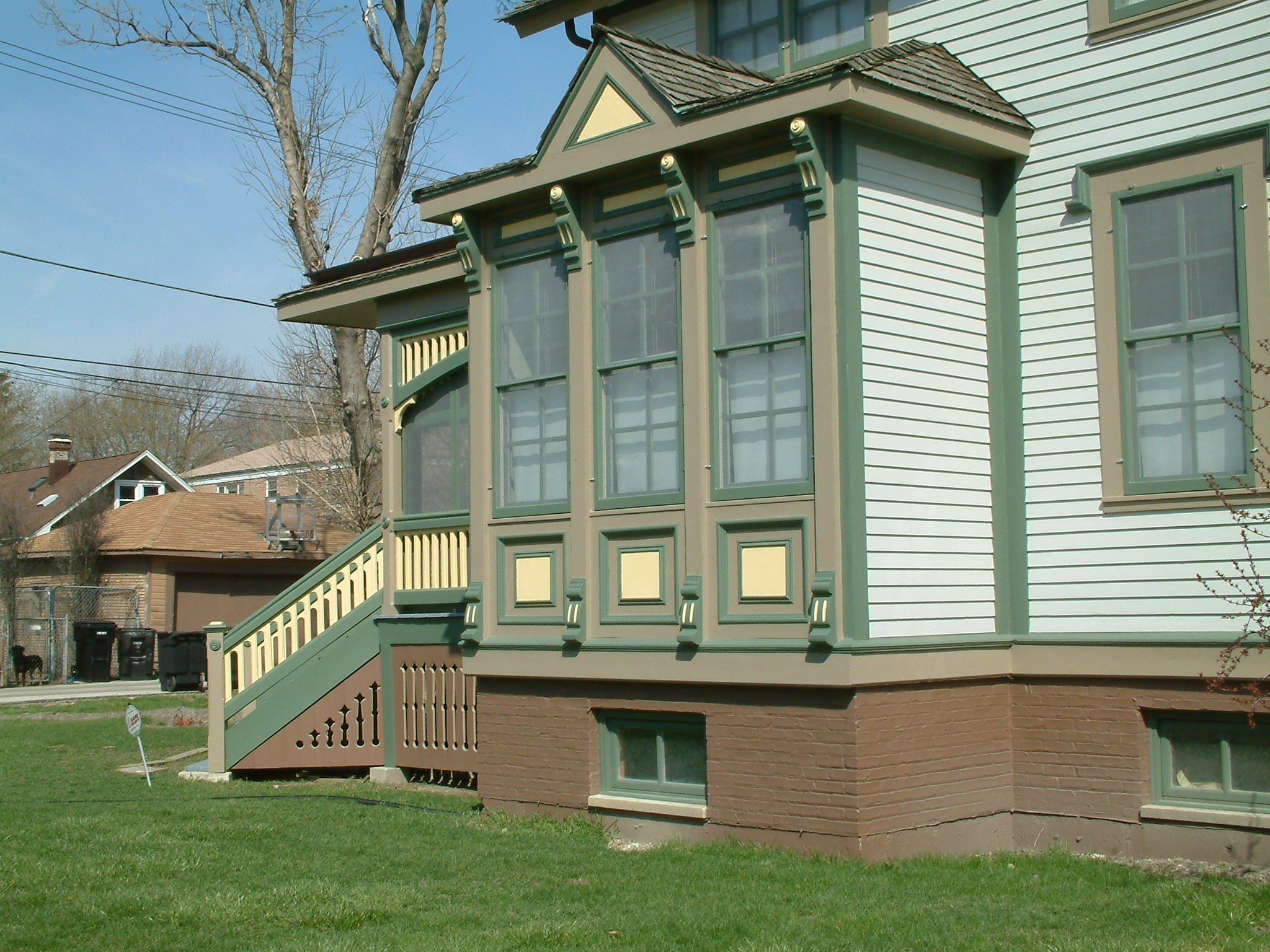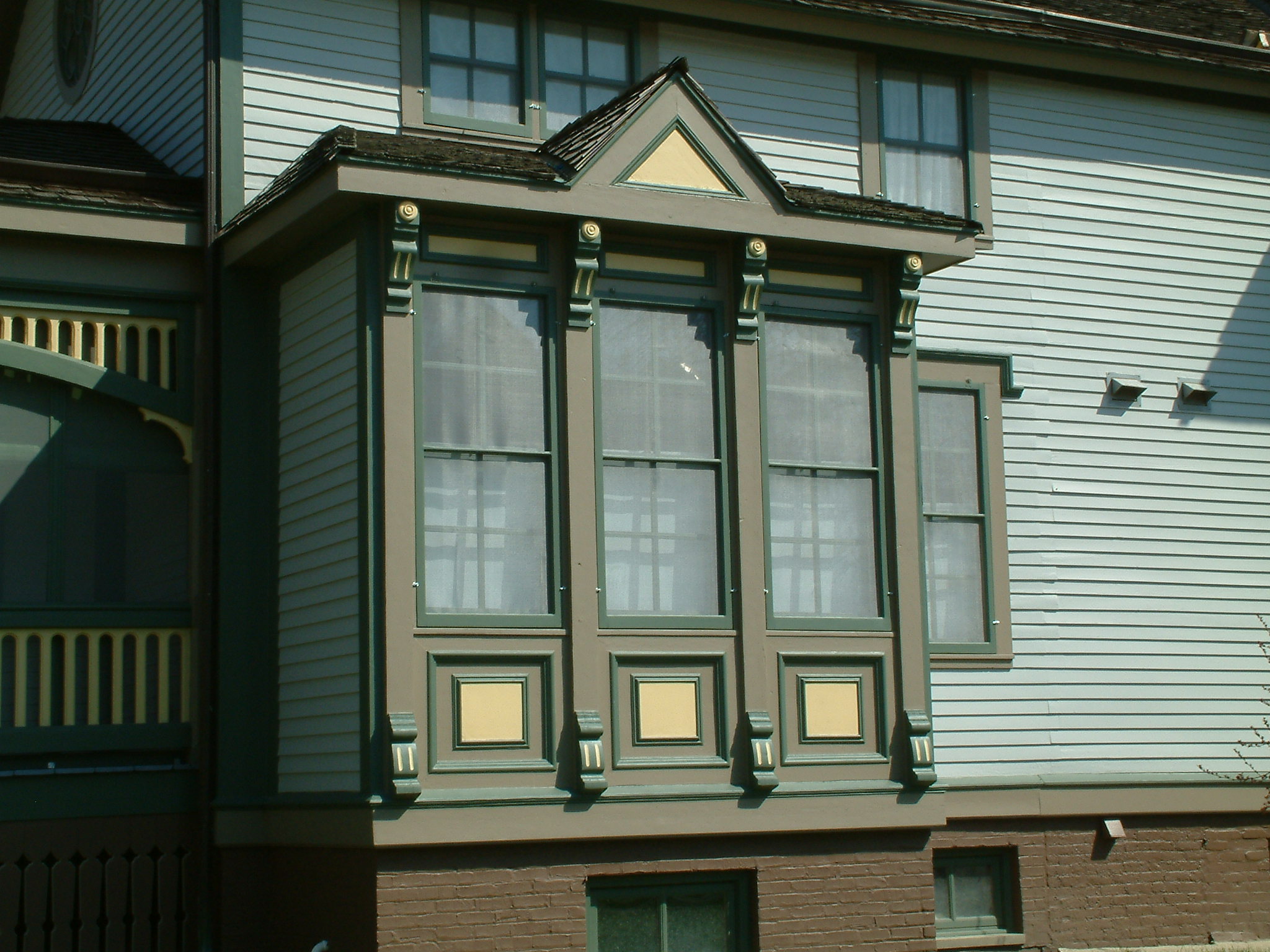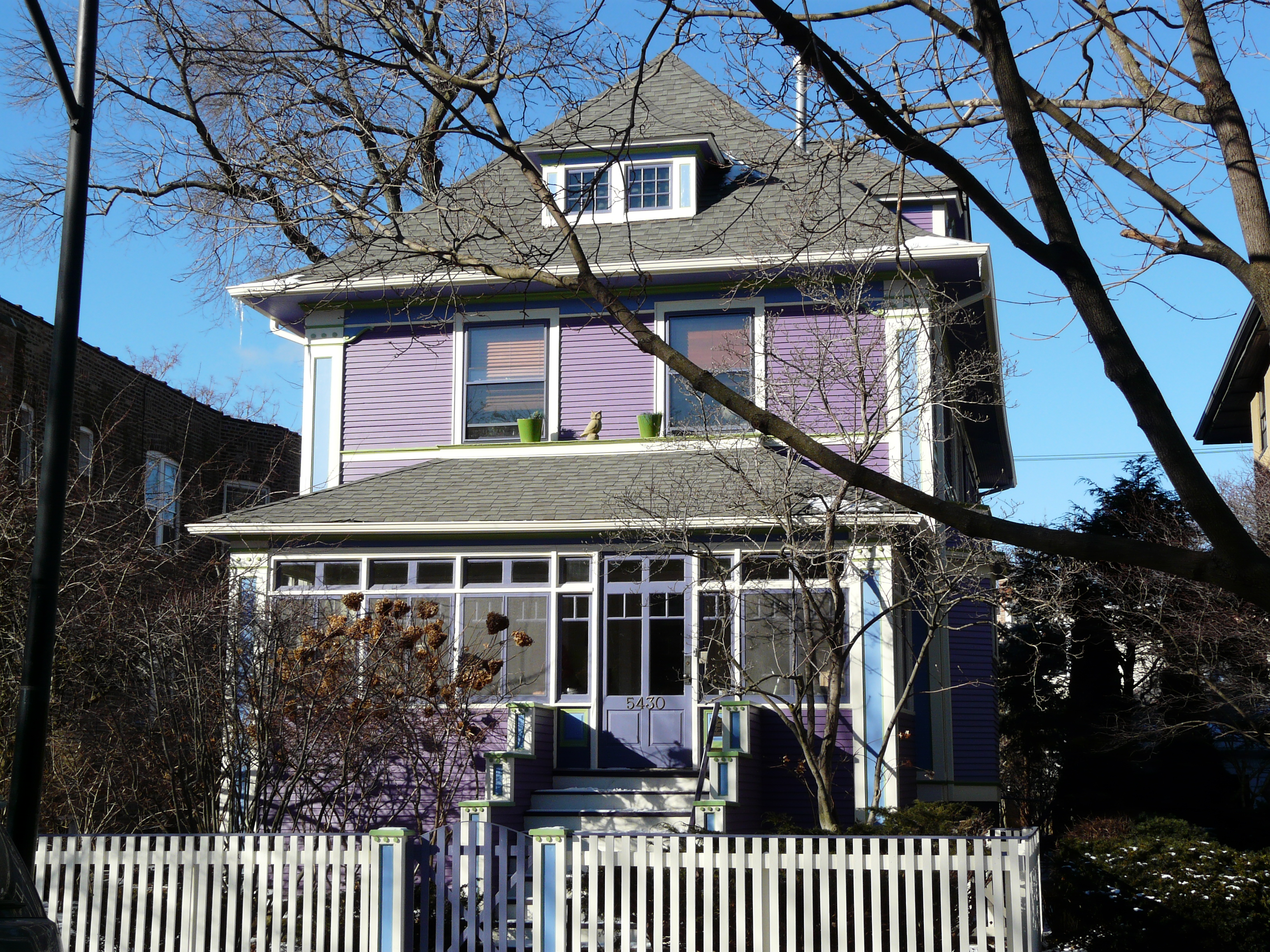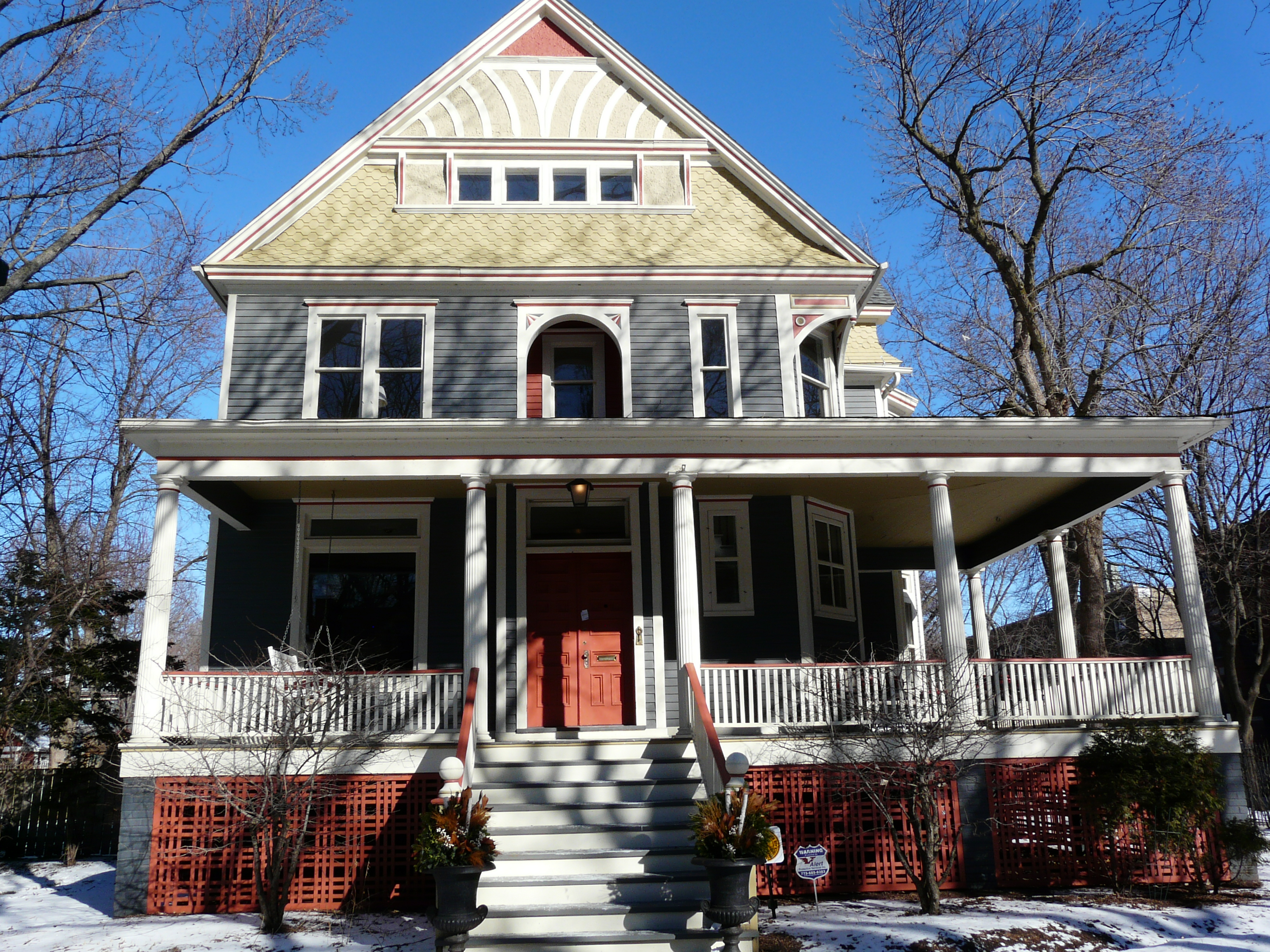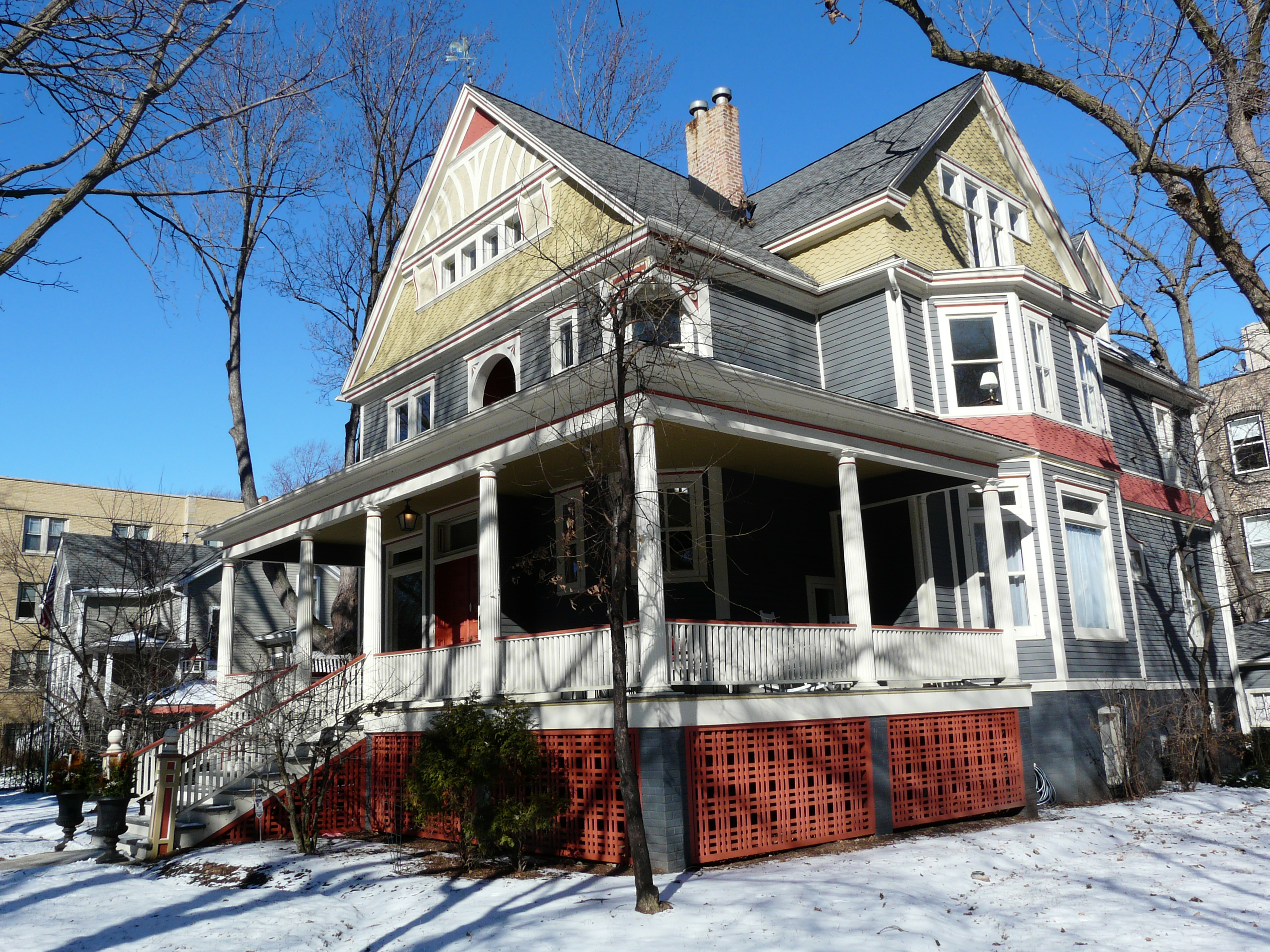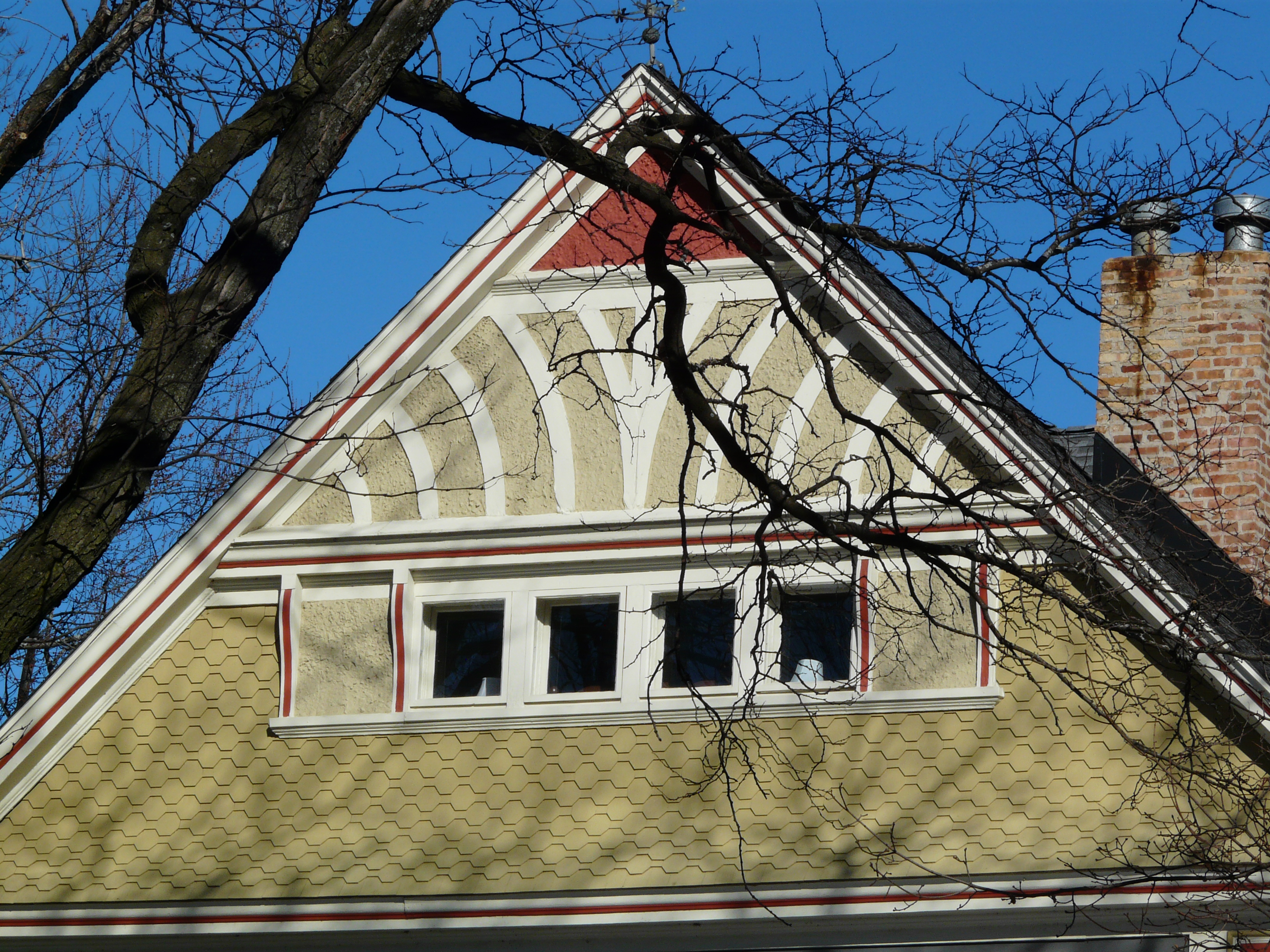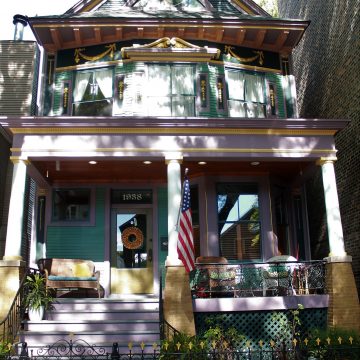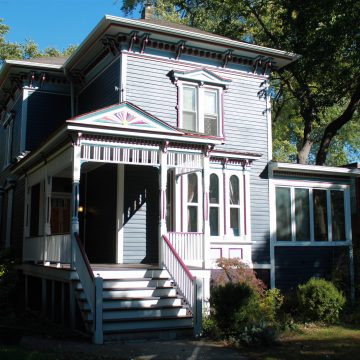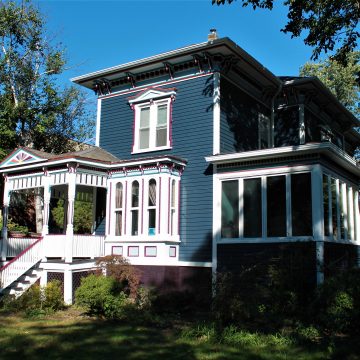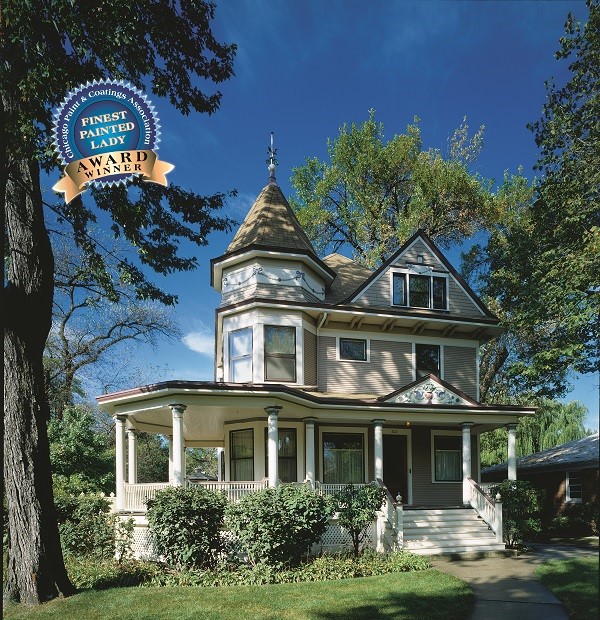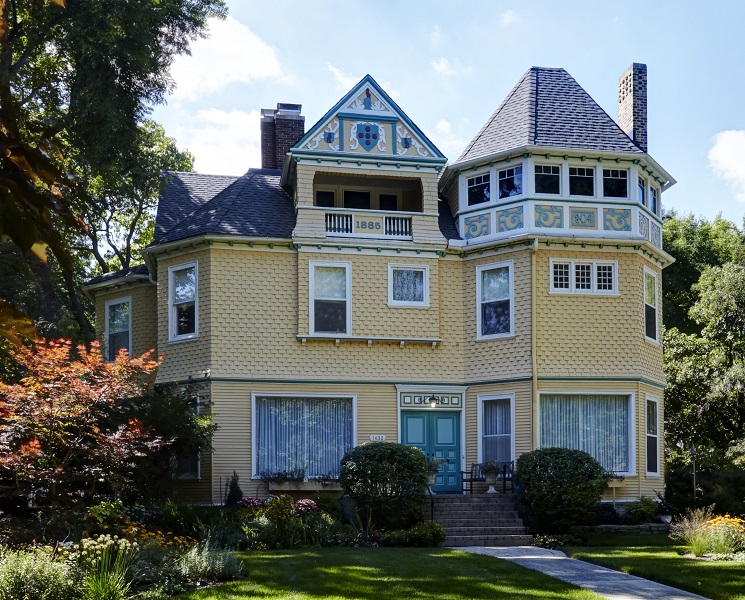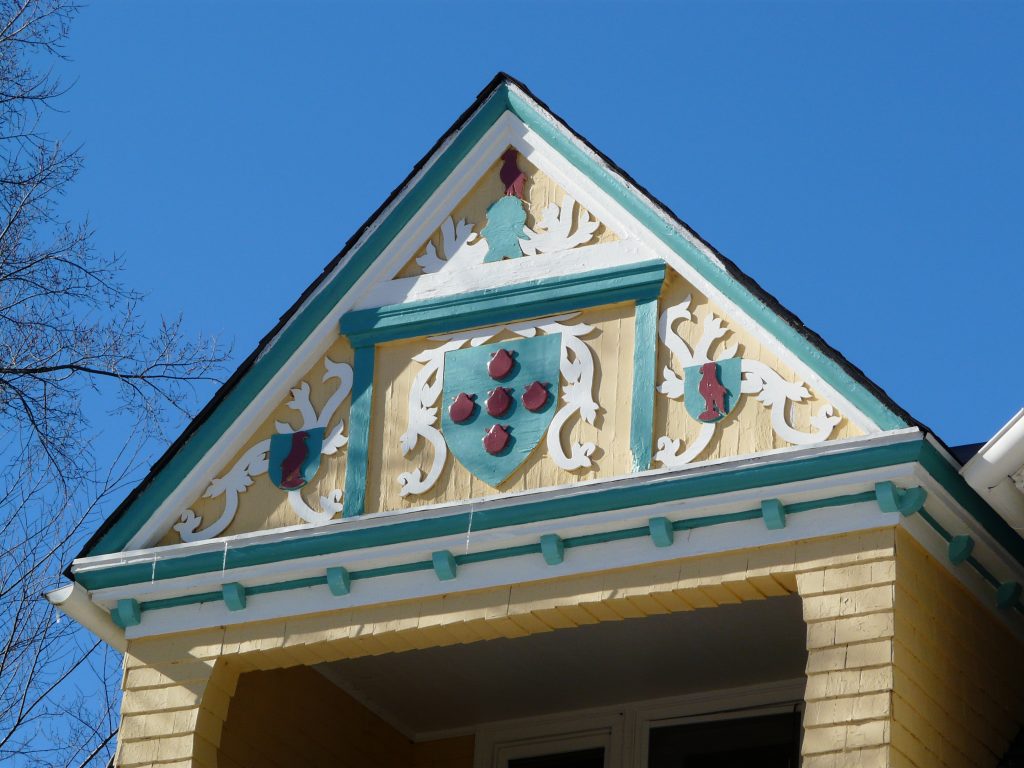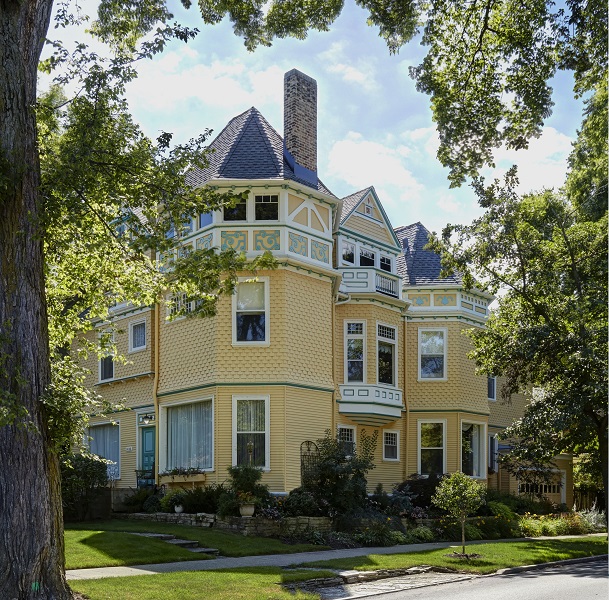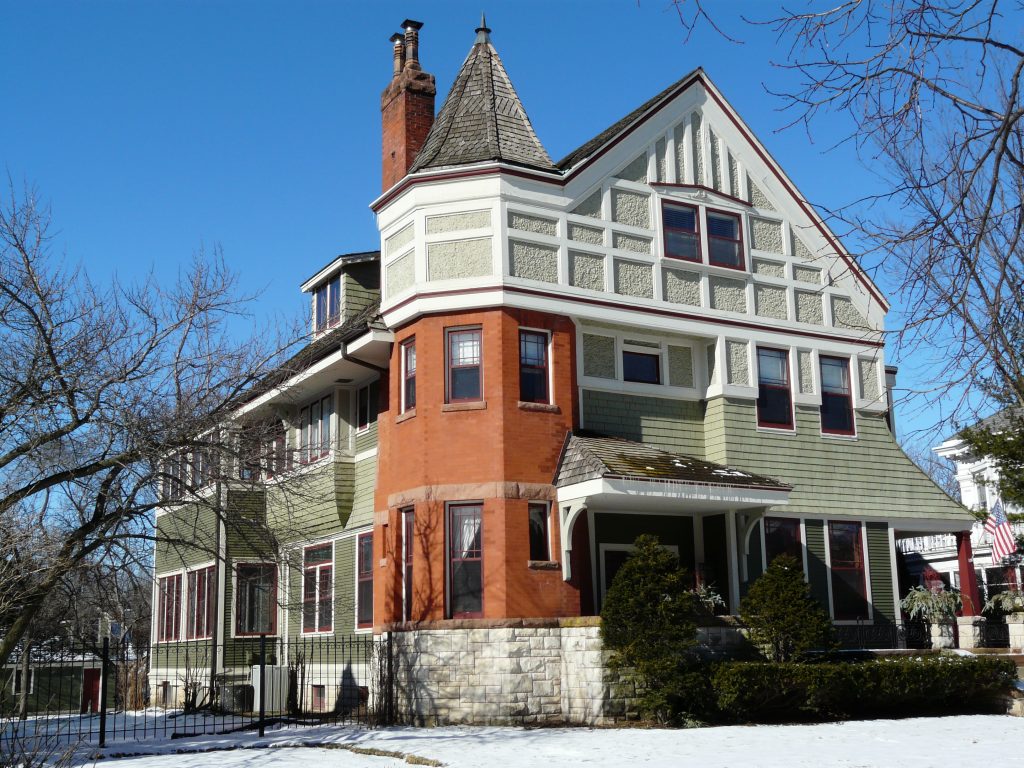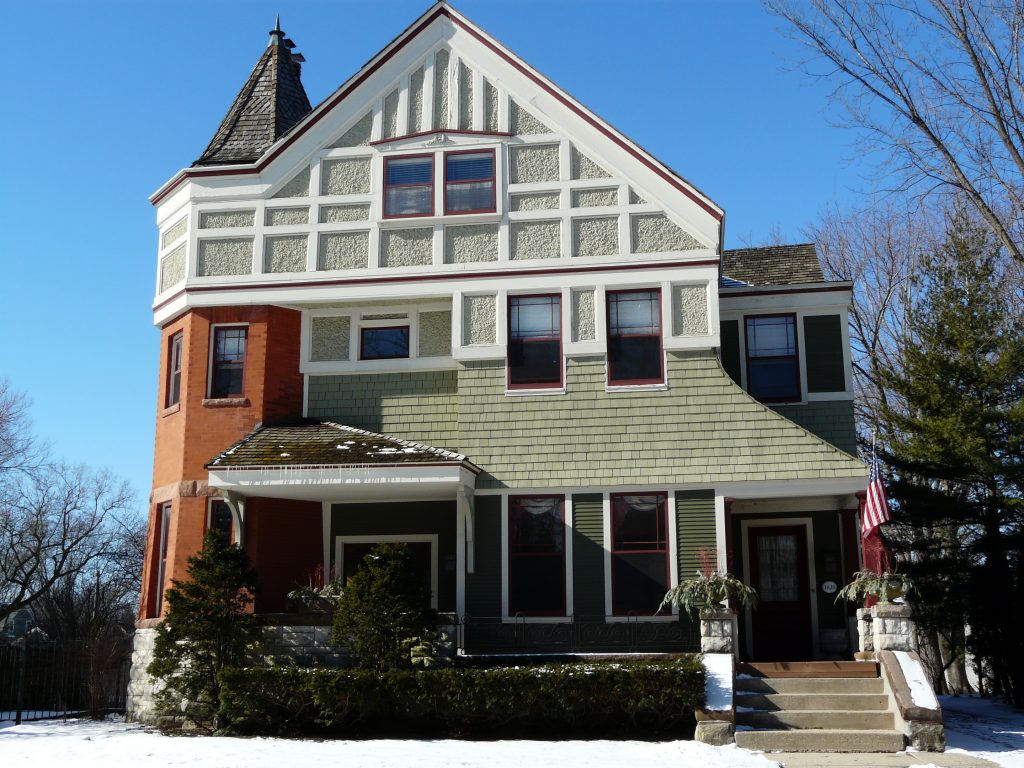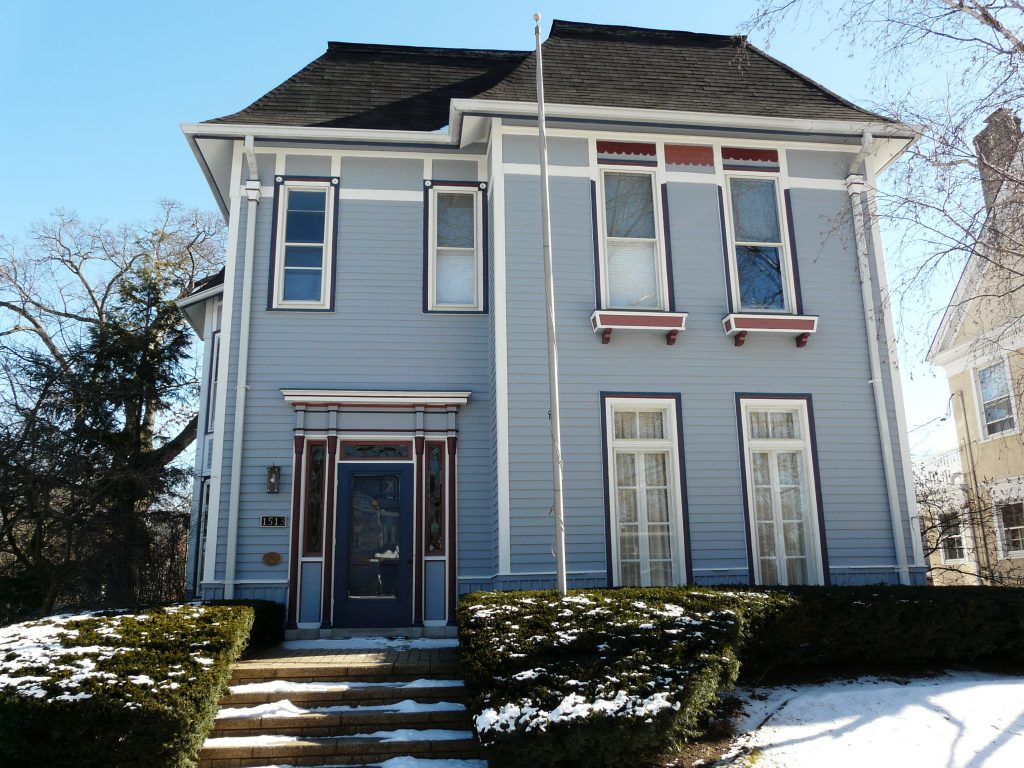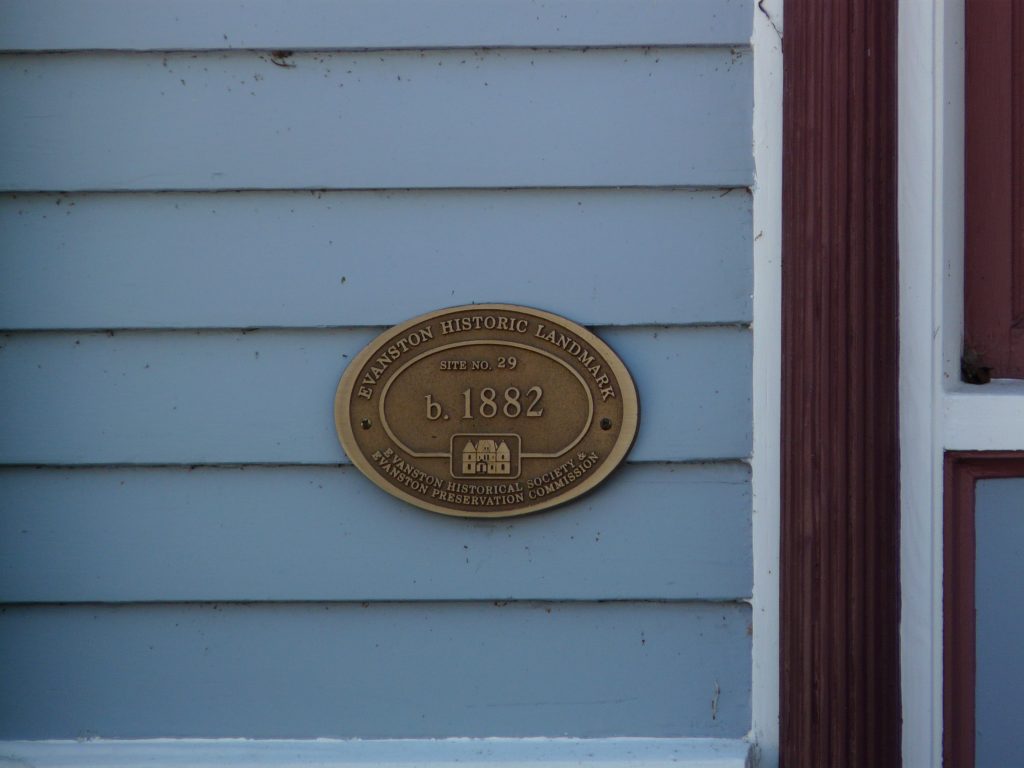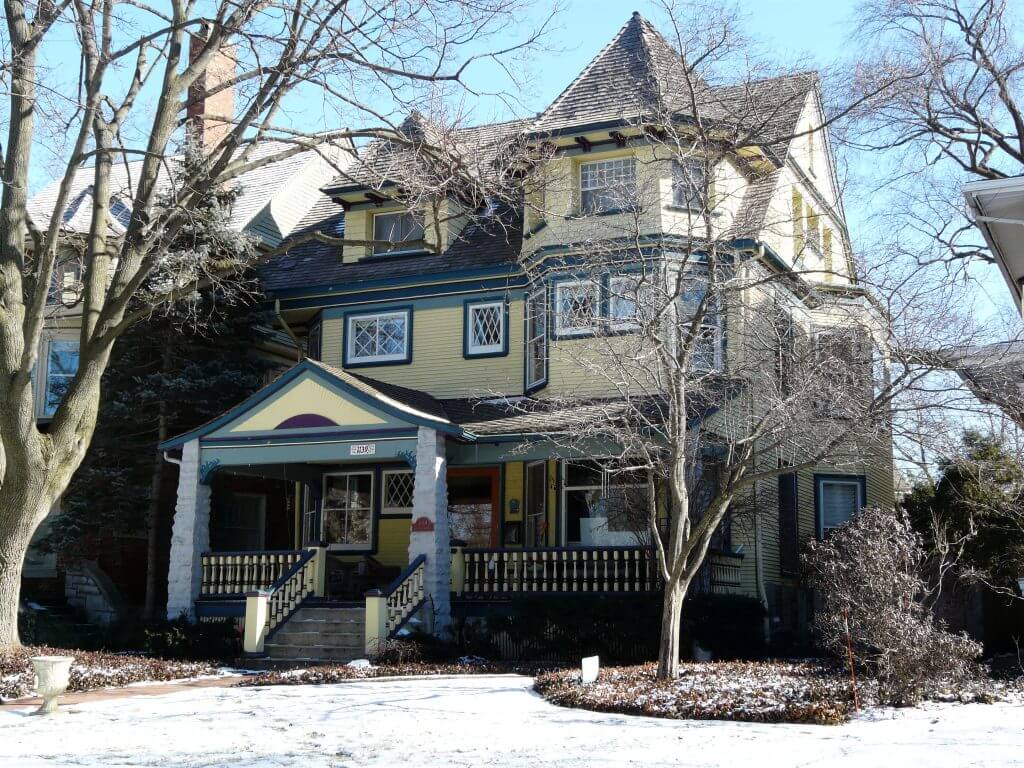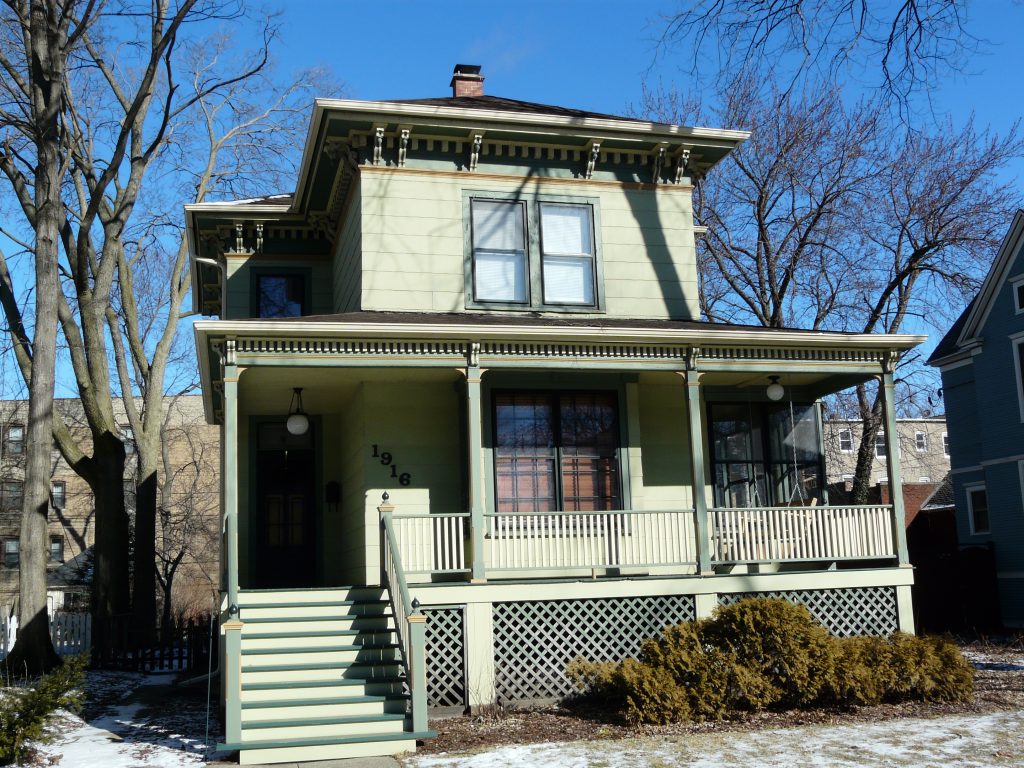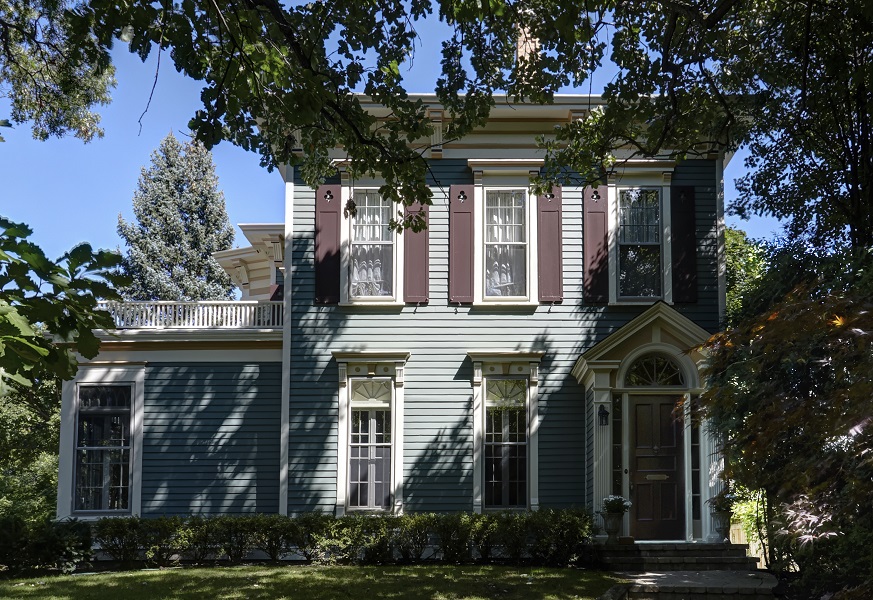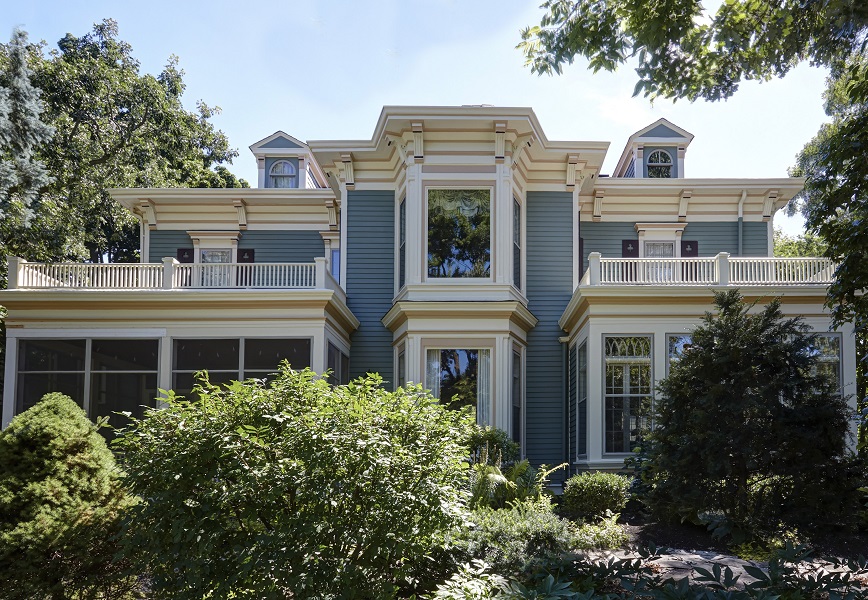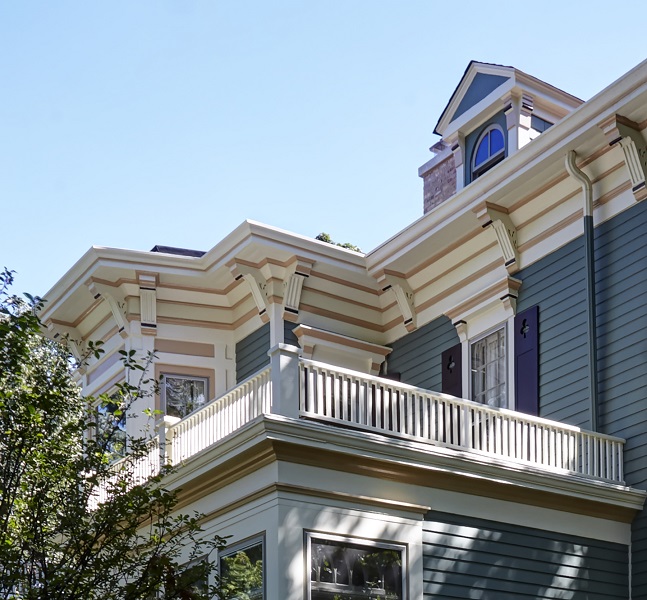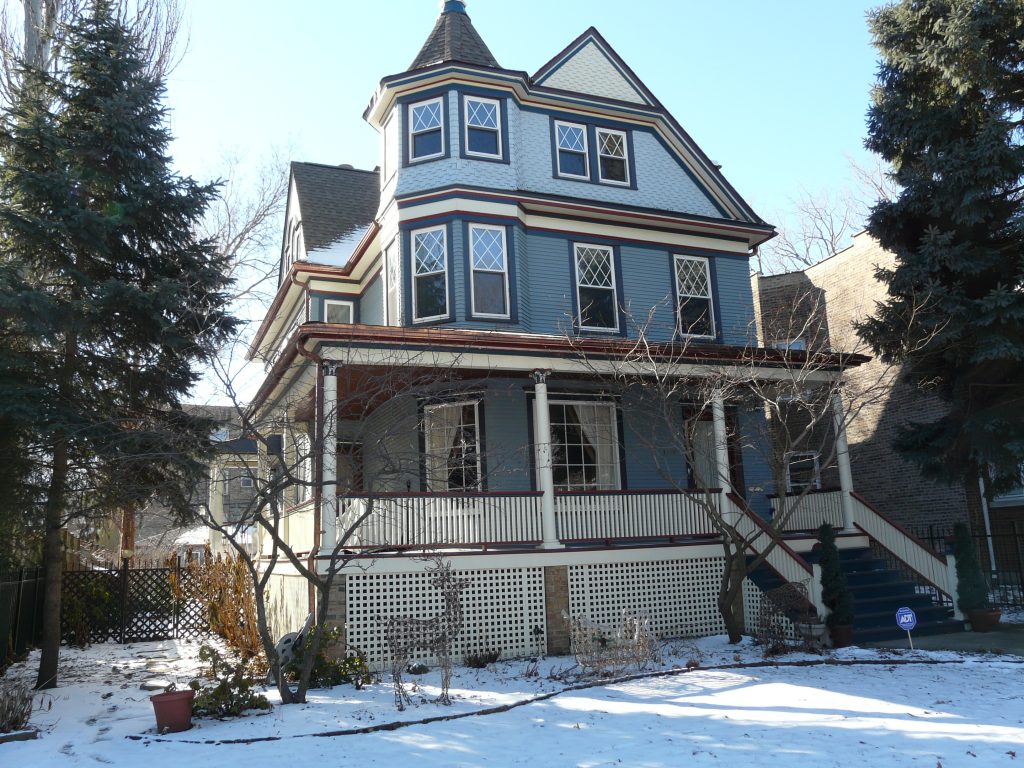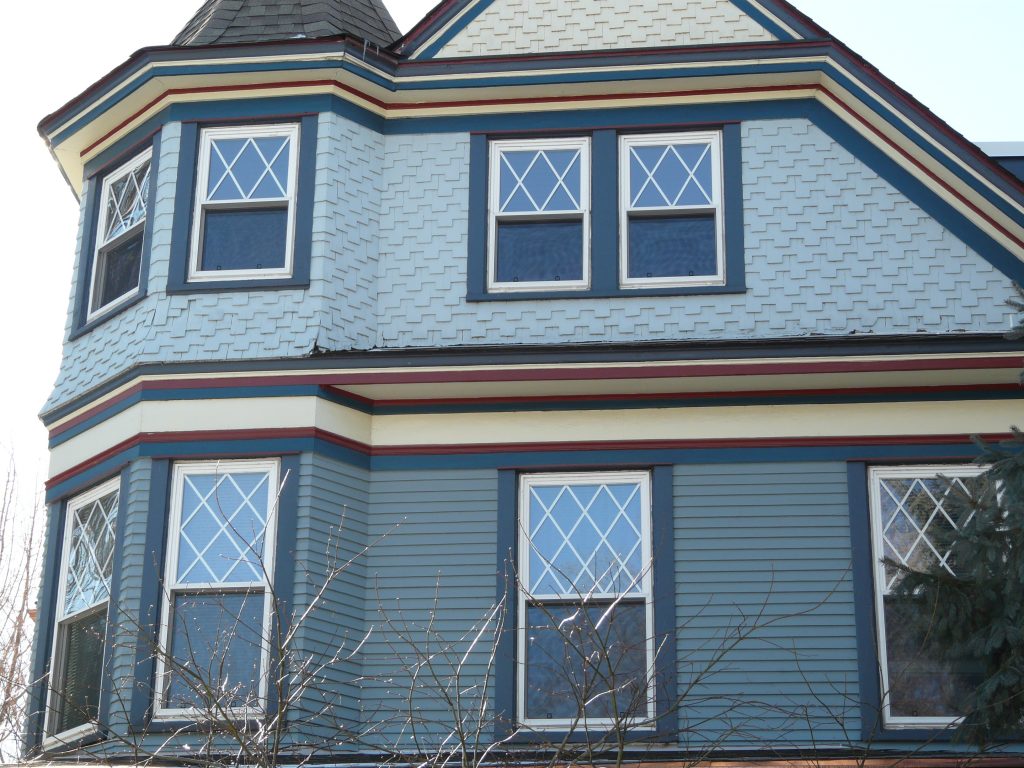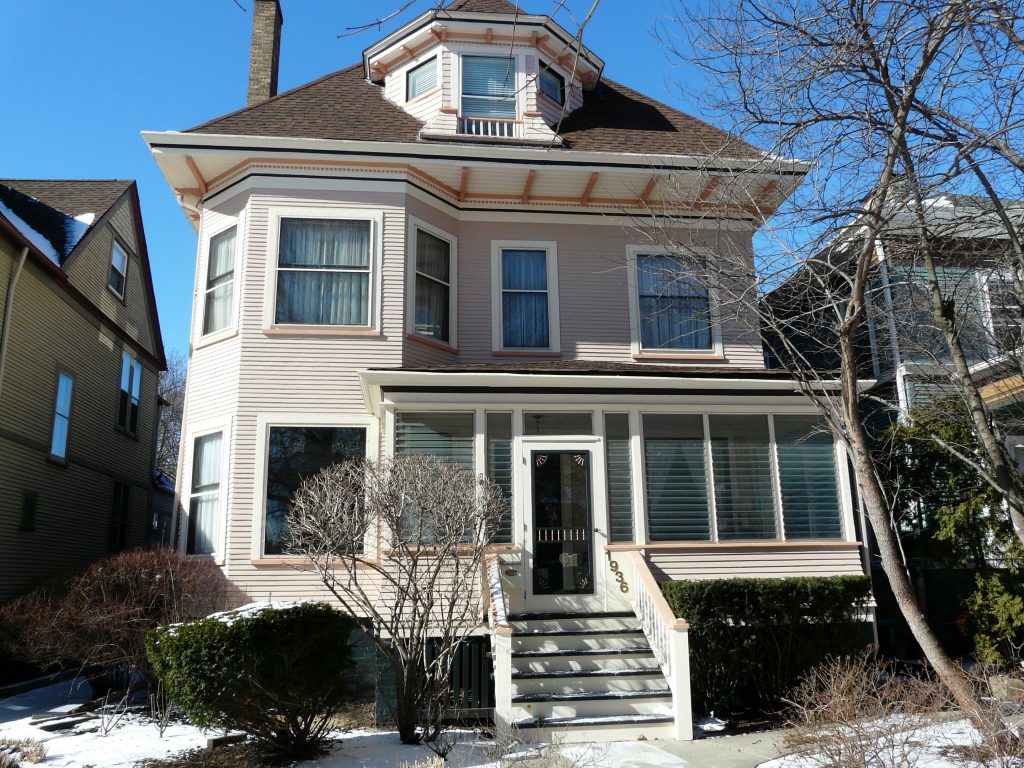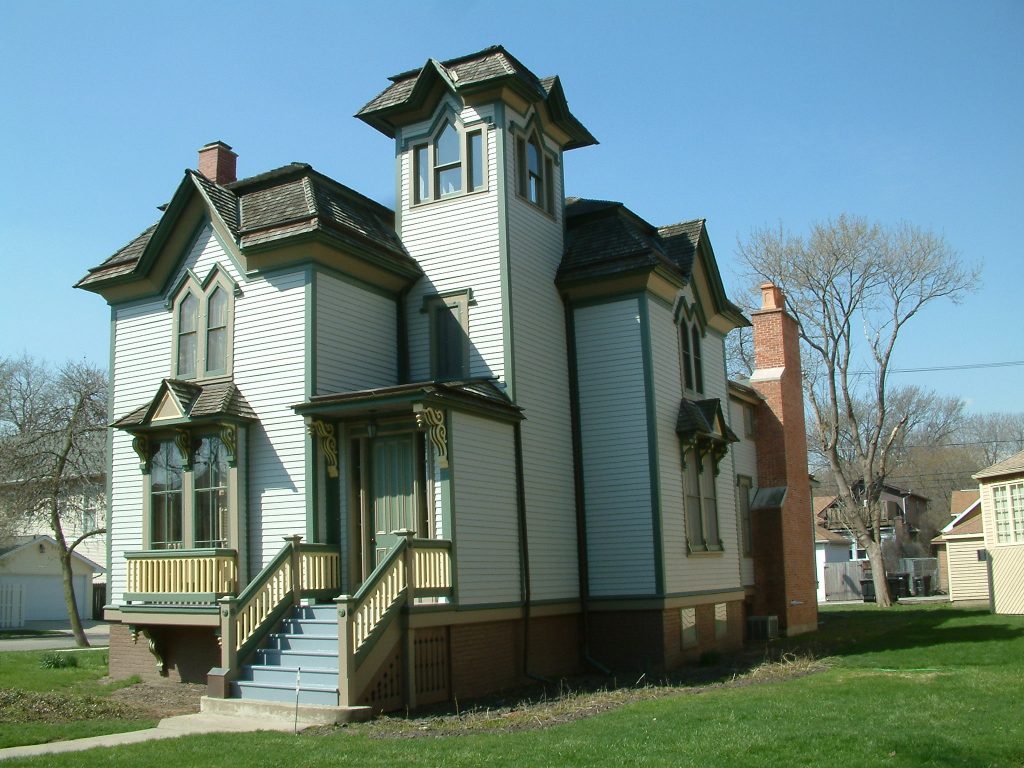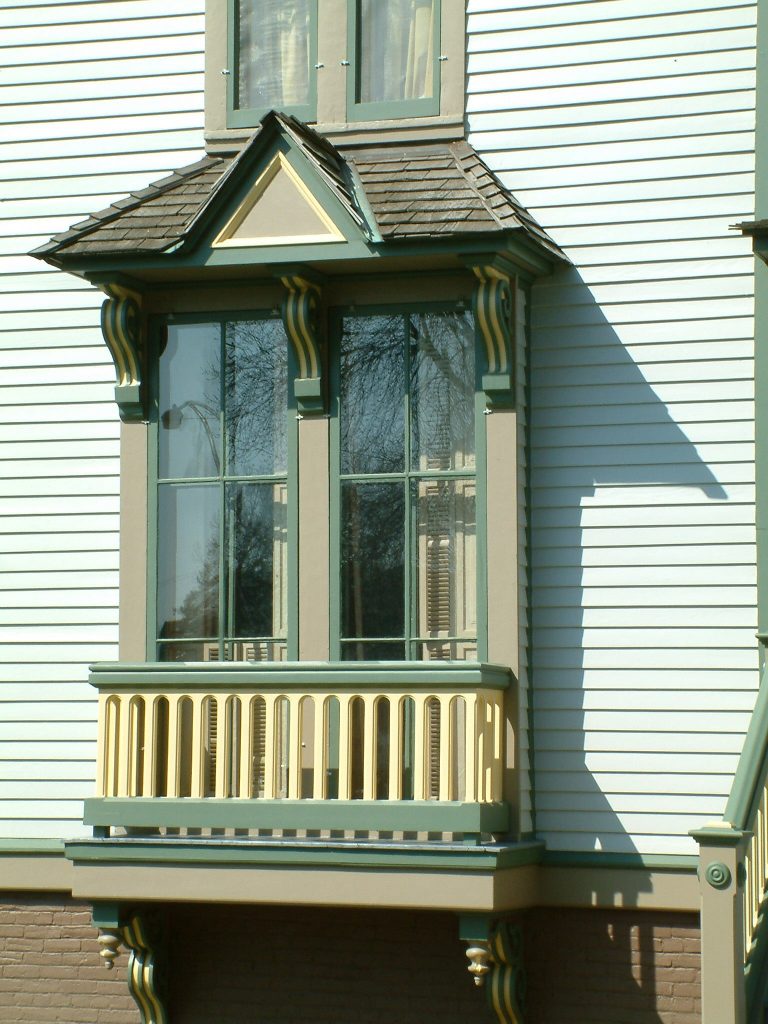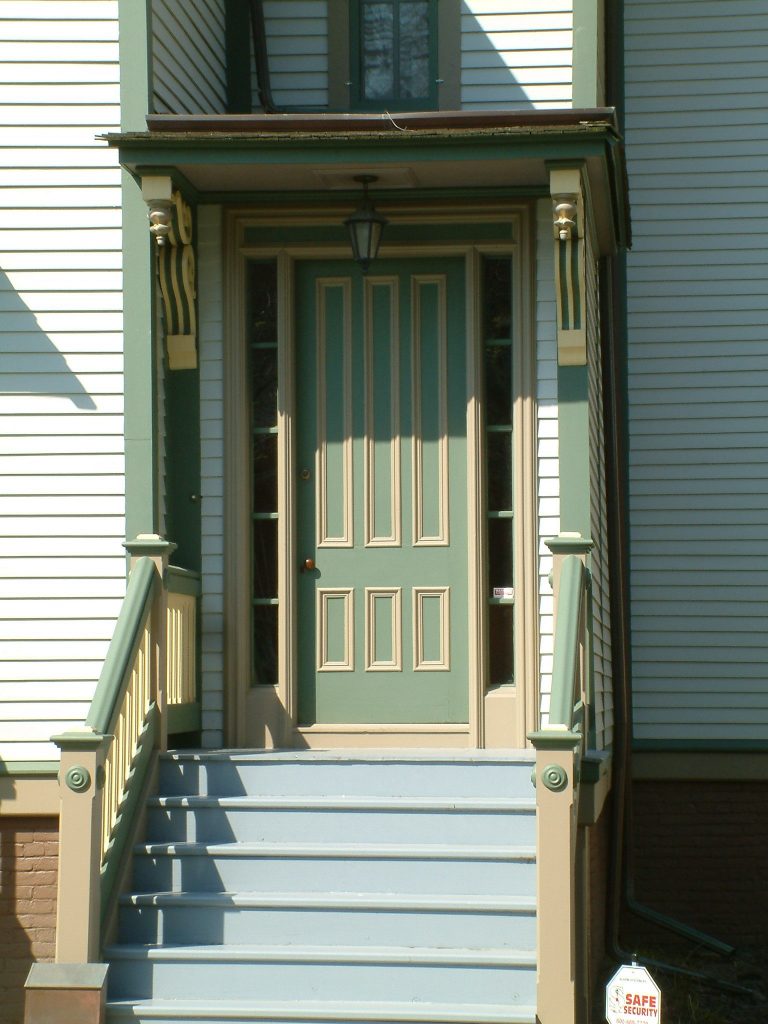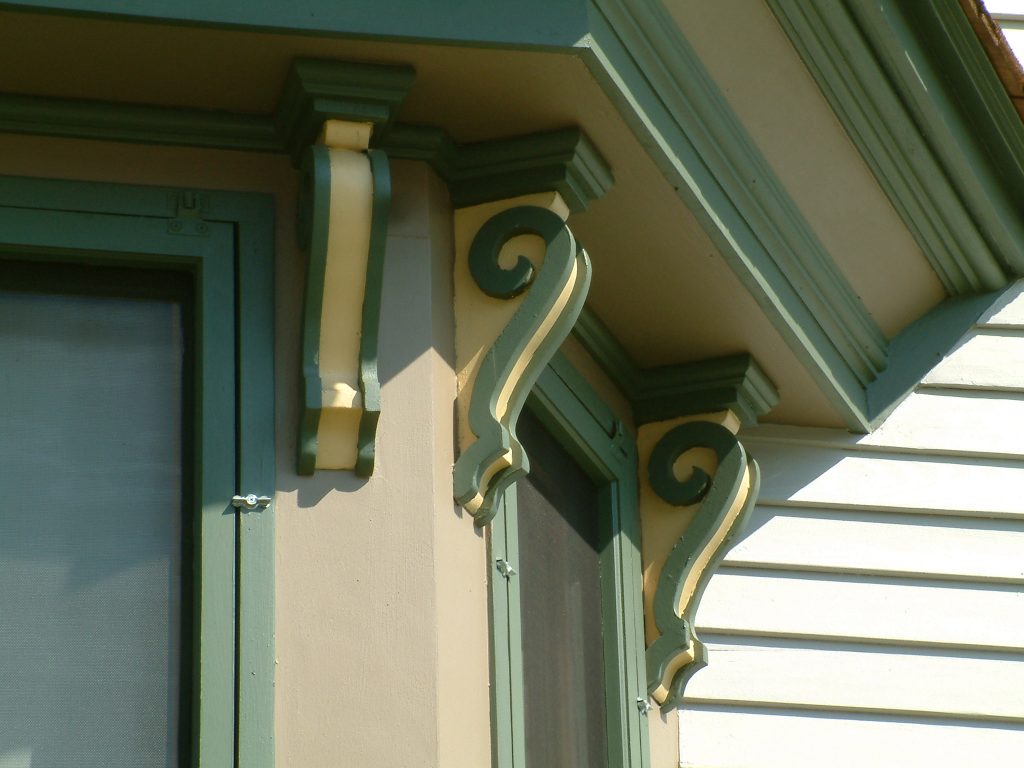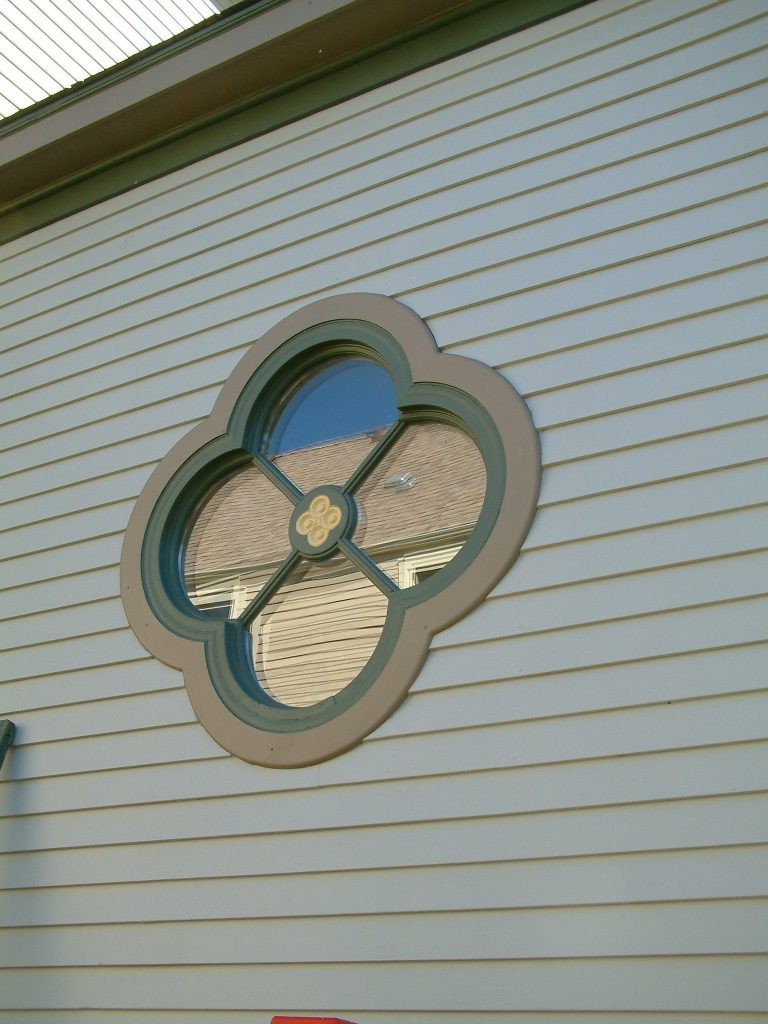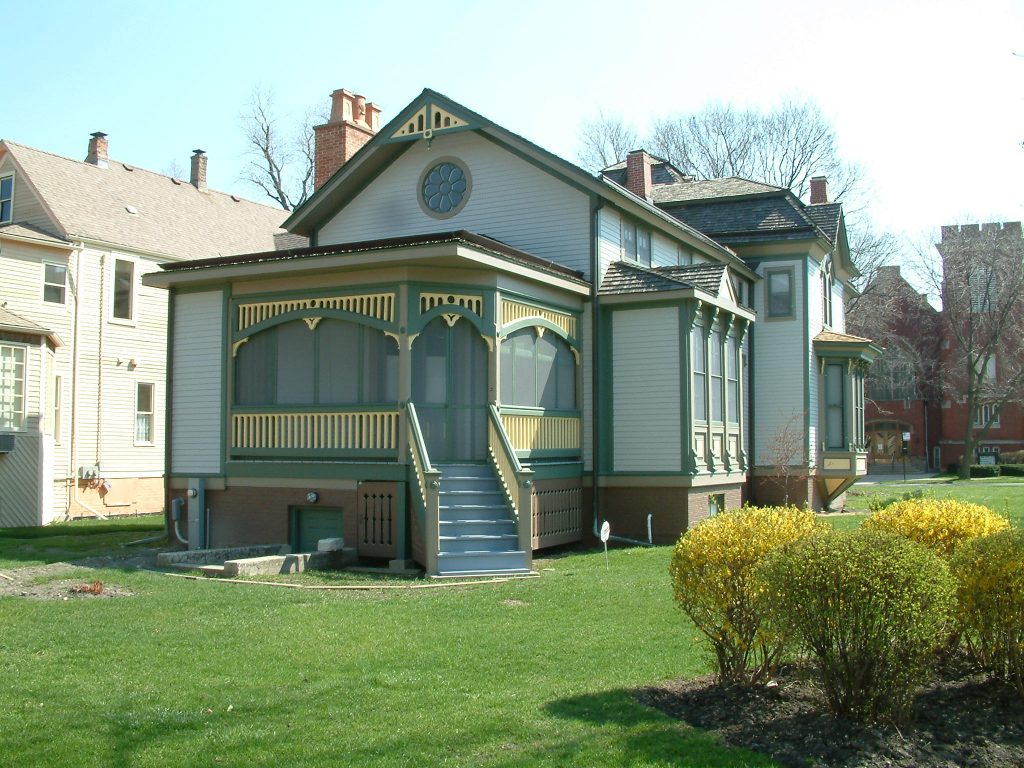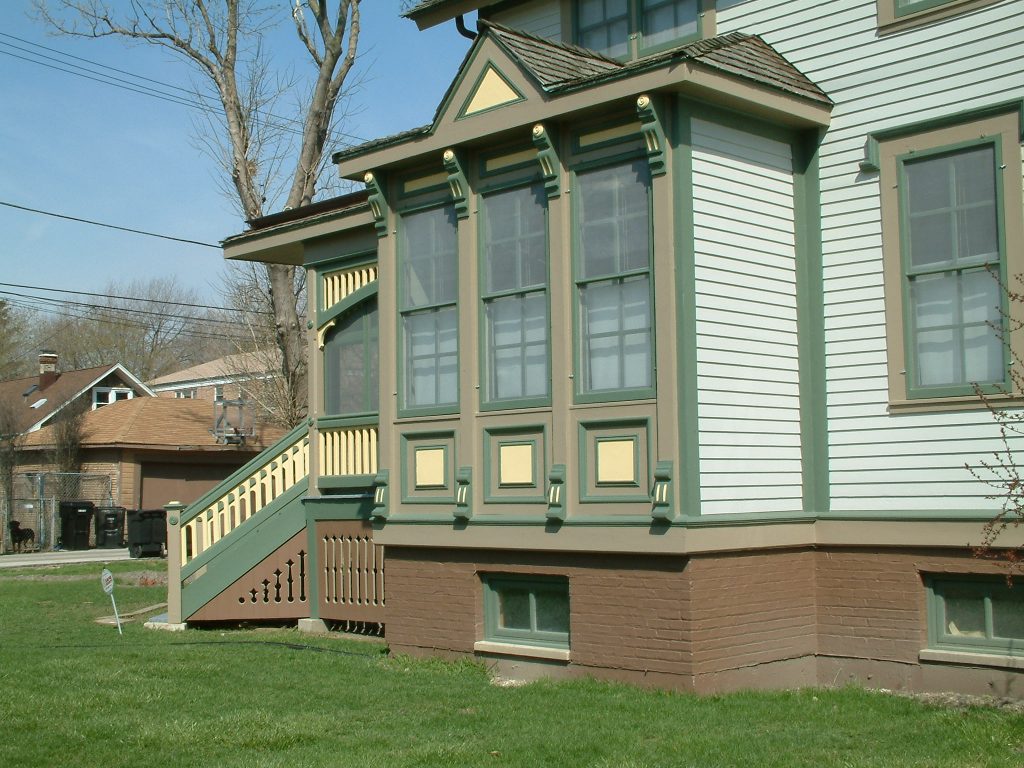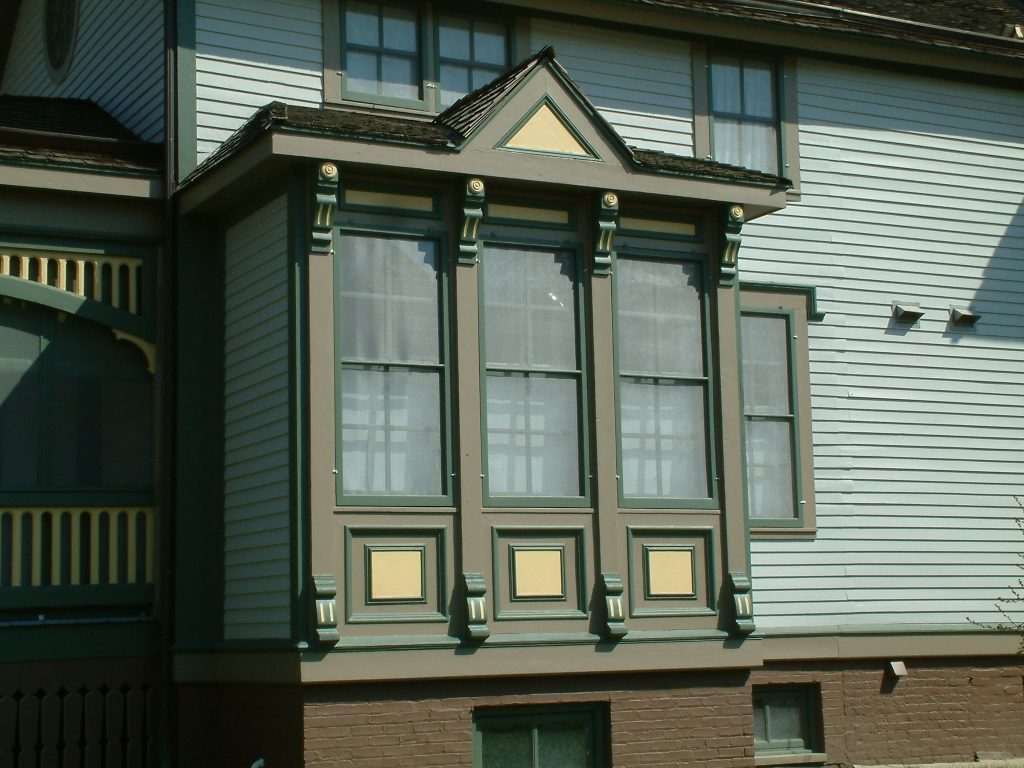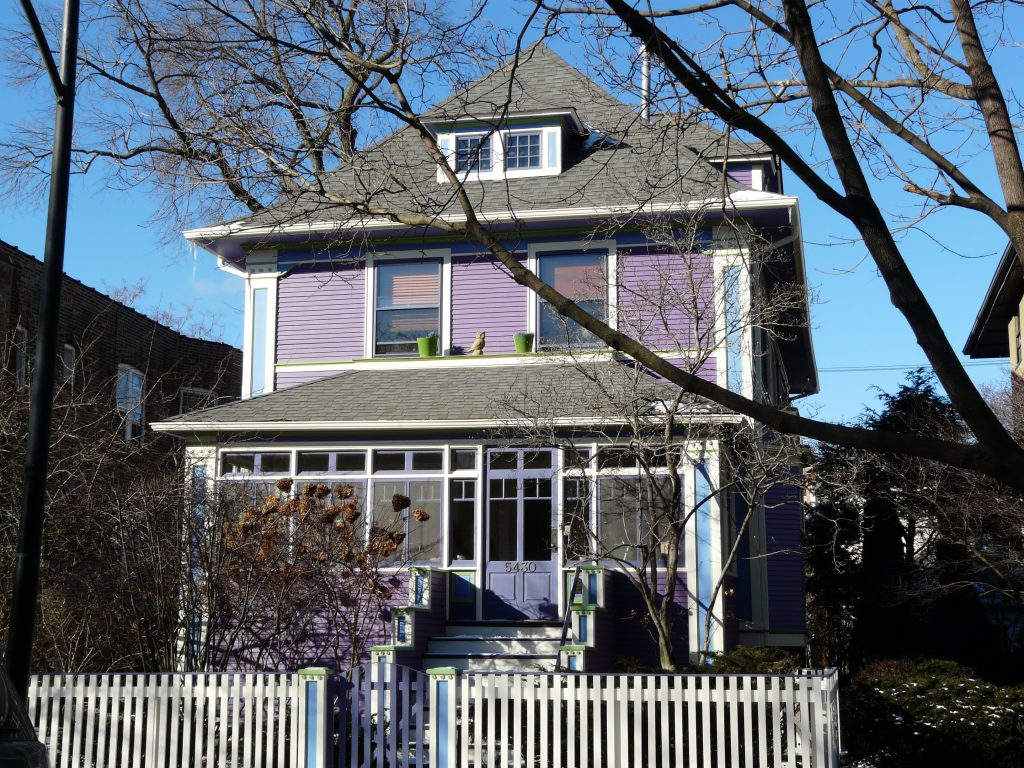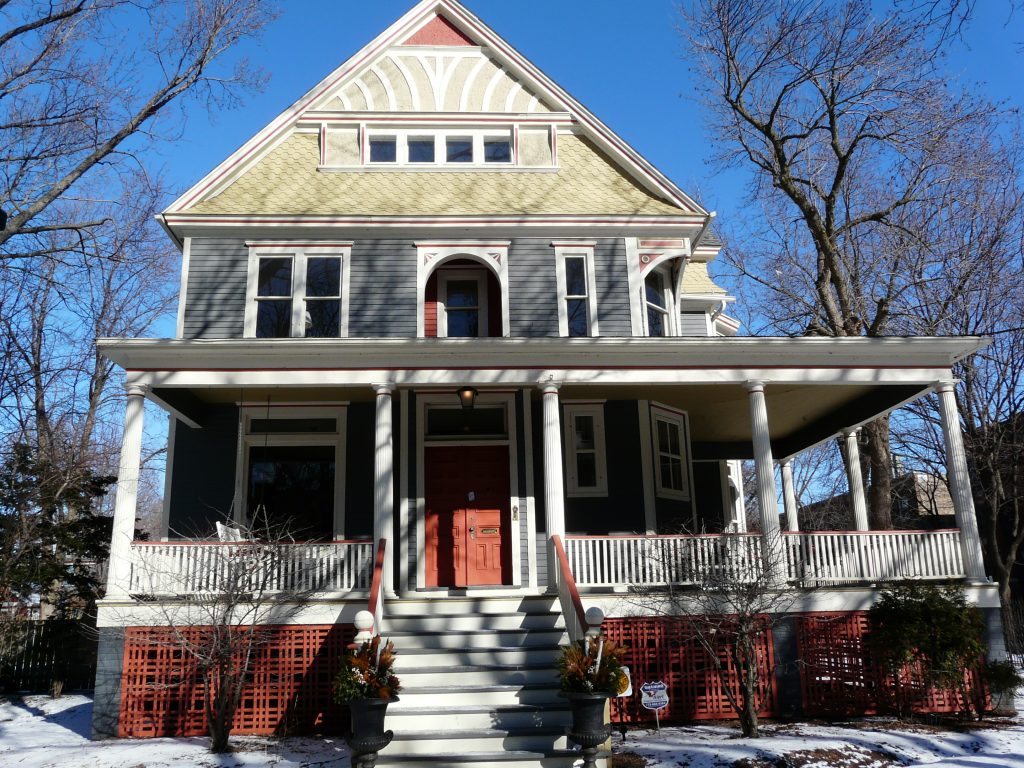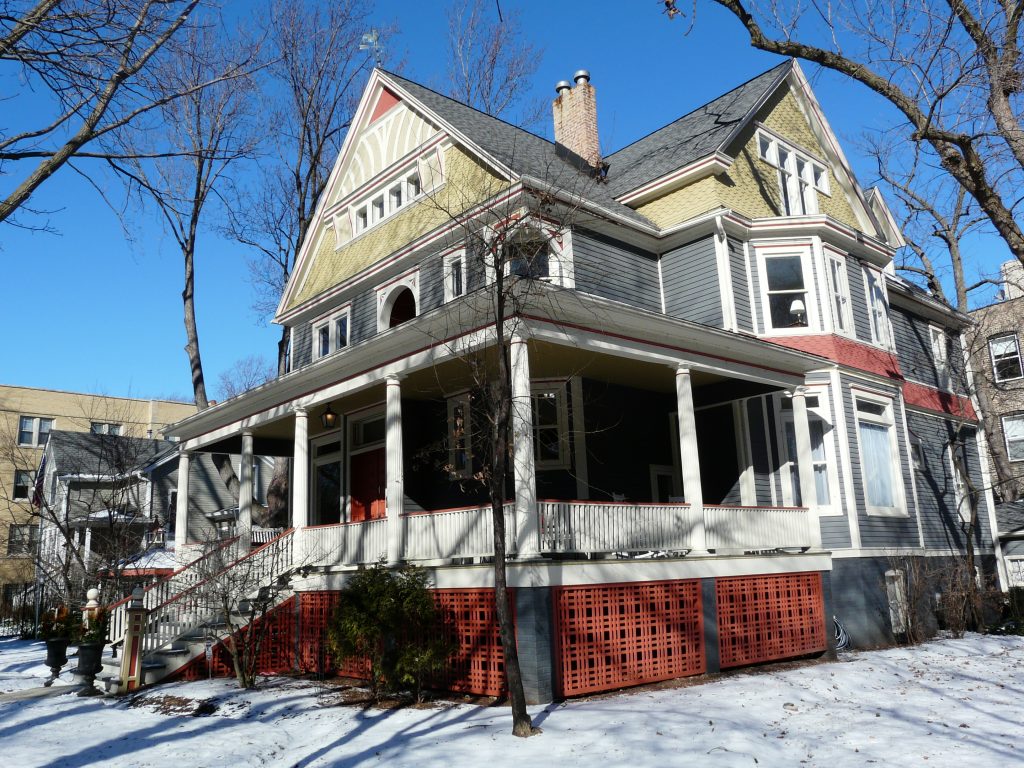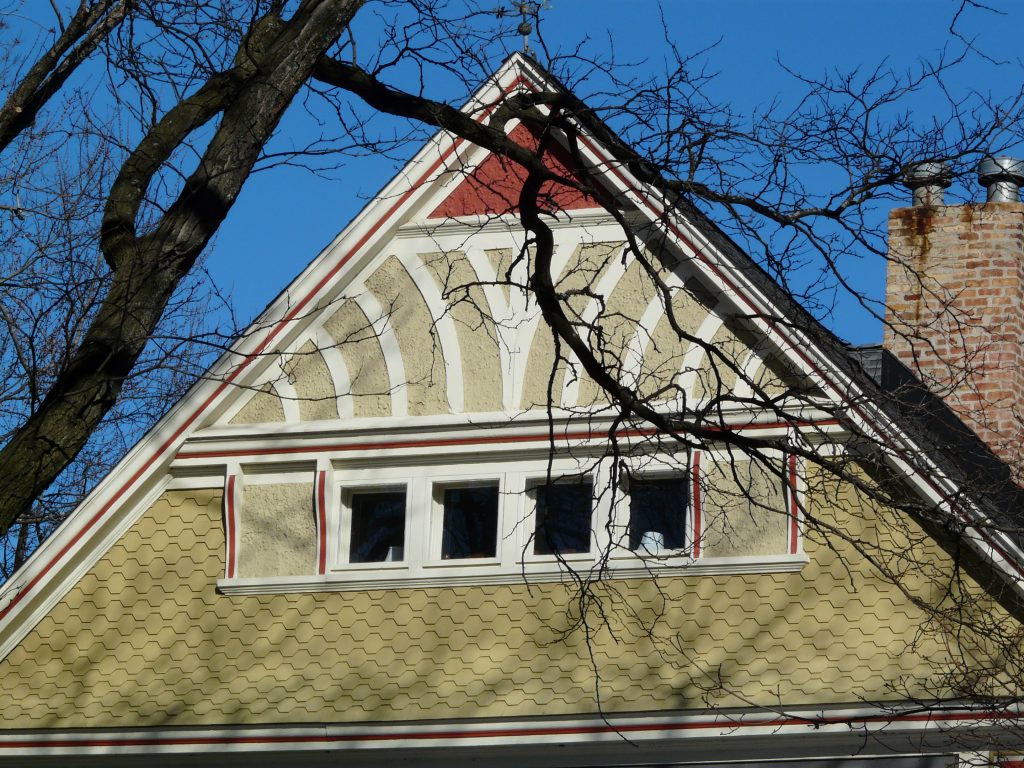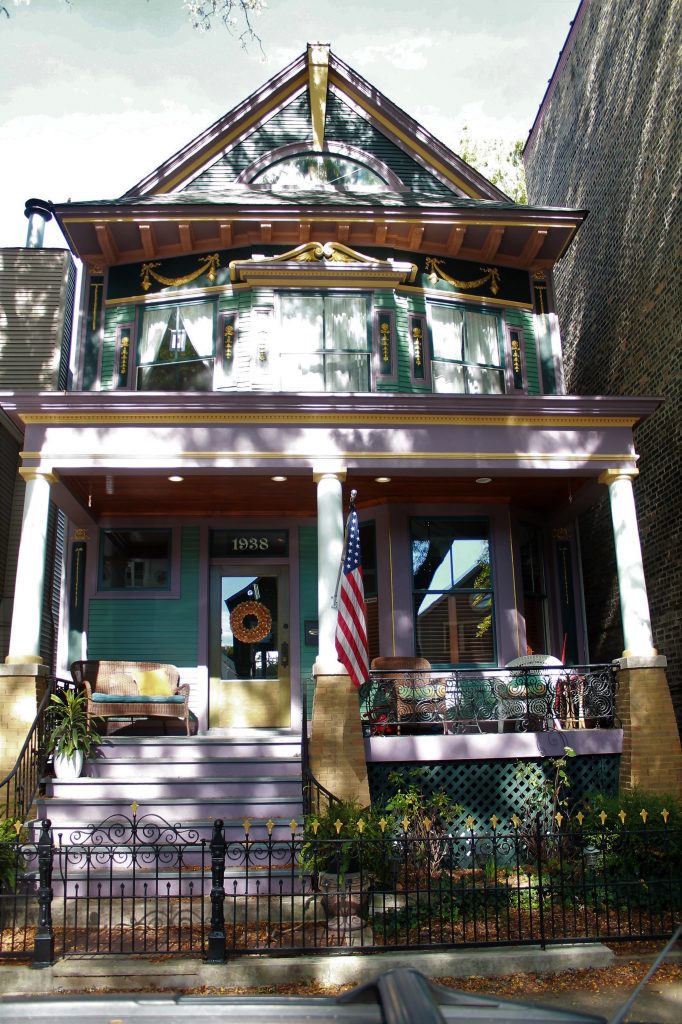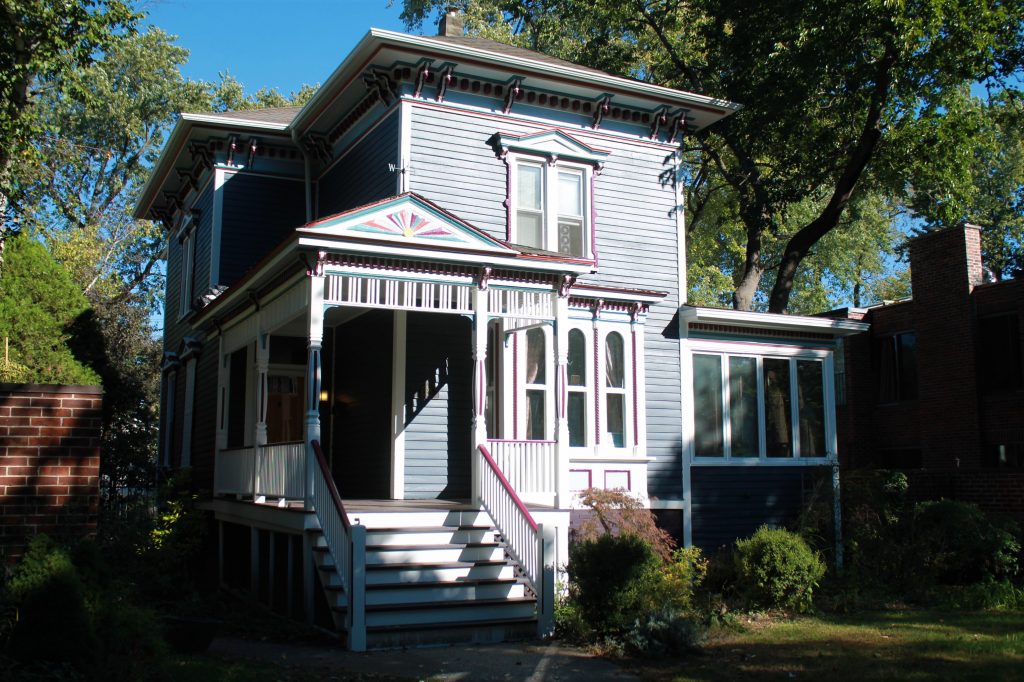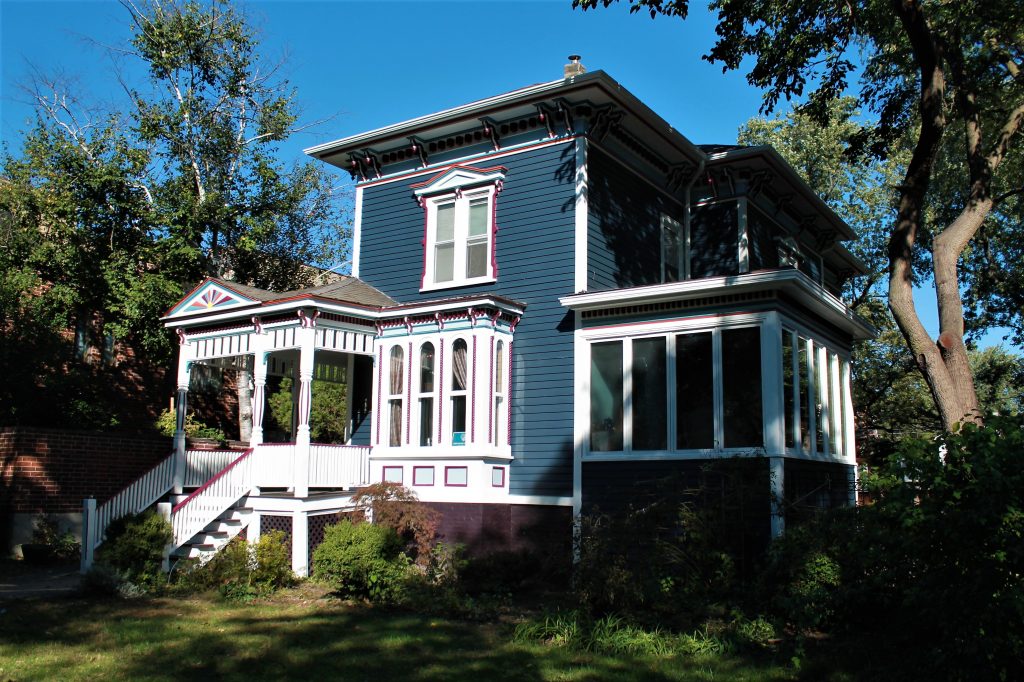

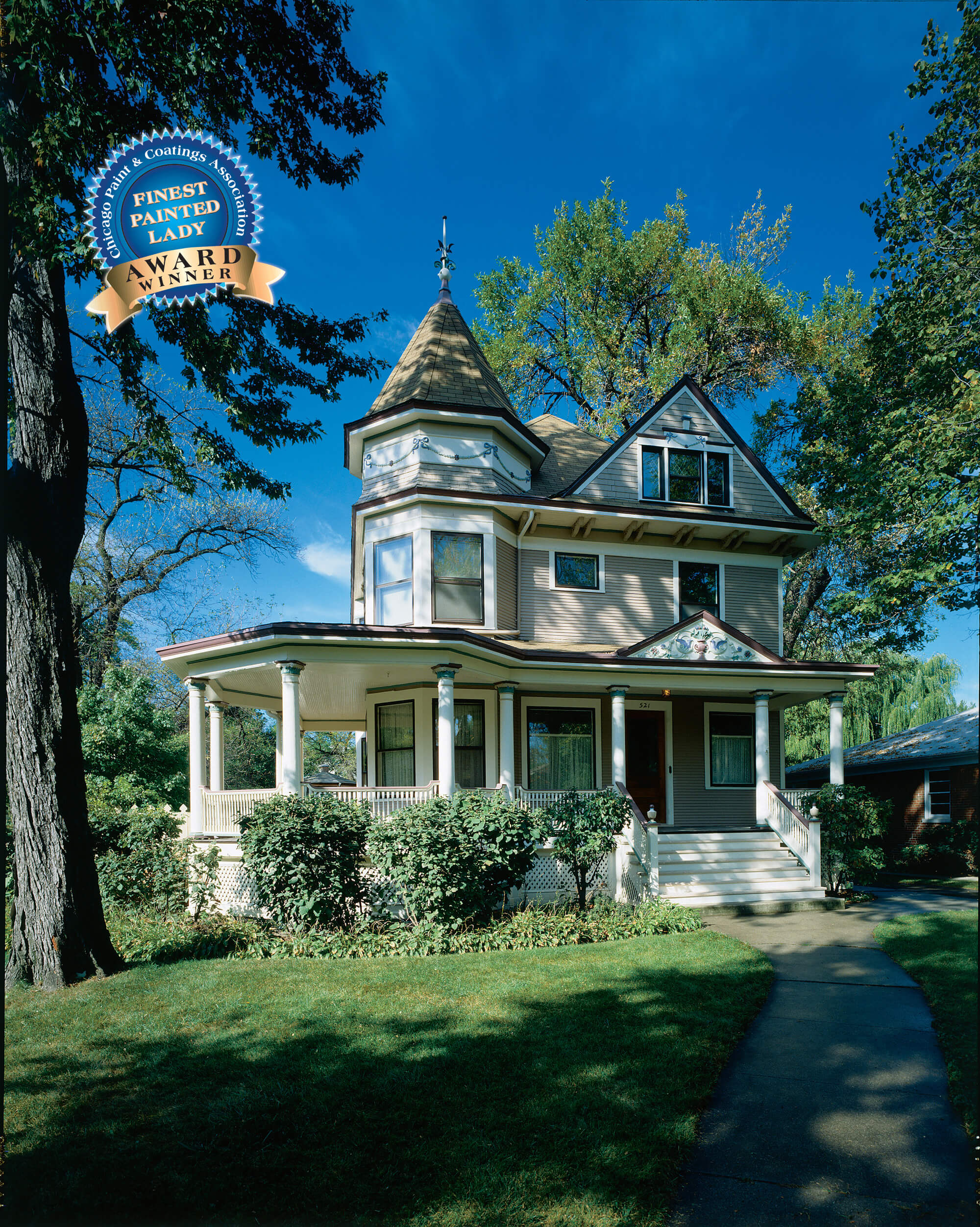
“Painted Ladies” are Victorian and Edwardian-era homes painted in three or more contrasting colors chosen to highlight architectural details - the gingerbread, spindles, brackets, dentils, fish-scale shingles, and decorative bargeboards that make these buildings architectural showpieces rather than just houses. While San Francisco gets most of the fame, Chicago has a remarkable inventory of Painted Ladies scattered through neighborhoods like Wicker Park, Old Irving Park, Hyde Park, Bucktown, Edgewater, Oak Park, Evanston, and the North Shore.
Fortune Restoration has been painting Chicago’s Victorian and Edwardian homes since 1979. Our work on Painted Ladies has earned recognition across multiple neighborhoods and includes some of the most ambitious multi-color exterior projects in the Chicagoland area. Whether you’re researching authentic period-appropriate colors, looking to update an existing scheme, or restoring a Victorian that’s been buried under decades of mismatched paint, our team approaches every Painted Lady as a historic asset deserving of careful work.
Request a free Painted Lady painting estimate or call 847-647-2500.
A Brief History of the Painted Lady
Victorian and Edwardian homes built between the 1840s and the early 1900s were originally painted in vibrant, polychrome color schemes - deep reds, mustard yellows, forest greens, and rich blues, often combined with three to five coordinated tones on a single house. This complexity wasn’t decoration for decoration’s sake; it was used to articulate the elaborate architectural detail that defines the style.
That tradition was nearly lost in the mid-20th century. During World Wars I and II, leftover battleship gray paint flooded the consumer market, and millions of Victorian homes were repainted in dull monochrome schemes that obscured their architectural character. It wasn’t until the 1960s that artists in San Francisco’s Haight-Ashbury and Castro neighborhoods began restoring polychrome schemes to their Victorian rowhouses - artist Butch Kardum is often credited with starting the modern revival. The term “Painted Lady” was coined in 1978 by Elizabeth Pomada and Michael Larsen in their book of the same name.
Chicago caught the trend in the 1980s and 1990s, with annual “Finest Painted Lady” competitions celebrating the city’s best restorations. Today, polychrome Victorians are some of the most valuable and recognizable residential properties in Chicago’s historic neighborhoods.
The Principles of Authentic Victorian Color
Genuine Painted Lady color schemes aren’t random combinations of bright paint. They follow consistent compositional logic that has been documented in historic paint analyses and preservation literature. The basic structure:
- The body color - the primary field tone covering the largest area of the house. Typically a medium-value earth tone, blue-gray, warm green, or rich red.
- The trim color - used to define architectural elements like window casings, corner boards, and frieze boards. Usually a lighter or darker value of the body color, or a contrasting complement.
- The accent color - sometimes called “the touch” or “the eye.” The most saturated tone, applied to small decorative elements like turned spindles, brackets, dentils, and ornamental panels.
- The sash color - on the most ambitious schemes, window sashes are painted a distinct color from both body and trim, often dark to make the windows read as architectural features.
- The roof color - on properties with original shingle or slate roofs, the roof color was historically chosen to coordinate with the wall scheme rather than treated as a default.
Most authentic Victorian schemes use three to five coordinated colors - not just two. The multi-color complexity is what gives Painted Ladies their distinctive richness.
Researching Historically Appropriate Colors
For genuinely historic homes, paint archaeology - scraping paint samples down to the original layers to identify the building’s first color scheme - can reveal what the architect or original owner actually specified. Historical societies, the Illinois State Historic Preservation Office, and local preservation organizations often have resources to assist with paint analysis.
For owners who want to honor the period without committing to a specific historical recreation, the National Park Service’s preservation guidance on exterior paint outlines acceptable approaches. Many paint manufacturers offer historic color collections developed in consultation with preservation organizations - Benjamin Moore’s Historic Color collection, Sherwin-Williams’ Preservation Palette, and others provide tested period-appropriate options.
Our color testing service applies actual paint samples at scale on the building, under actual light conditions, so you can see how proposed colors interact with each other and the surrounding context before committing.
Why Painted Ladies Are Harder to Paint Than Standard Homes
Painting a Painted Lady well is dramatically more labor-intensive than painting a typical home, and the cost reflects that. The reasons:
Surface Complexity
The decorative detail that makes a Painted Lady visually striking - the spindles, brackets, dentils, fish-scale shingles, decorative siding patterns, bargeboards, and applied ornament - every one of those elements has to be cut in by hand. There’s no roller shortcut. Cutting in clean lines between three or four colors on a single decorative element takes time.
Multiple Colors Require Multiple Trips
A single-color paint job means one color goes on, gets back-rolled, and moves on. A three-color Painted Lady scheme means each color has to be applied in sequence, with proper masking and cutting between colors. A five-color scheme effectively doubles or triples the labor of a comparable single-color exterior.
Water-Retention Failures
Decorative elements like spindles, brackets, and ornamental profiles create pockets where water collects. These are the failure points where paint peels and wood rots. Back-priming - priming the back side of decorative elements before installation or after careful removal - is essential on Painted Ladies and often skipped by contractors who don’t specialize in this work.
Lead Paint Is Universal
Virtually every Painted Lady in Chicago was originally painted before 1978. Disturbing that paint requires EPA Lead-Safe (RRP) certified work practices. We treat lead-safe practices as the default on every applicable project.
Substrate Issues Are Common
Most Painted Ladies have decades of accumulated paint buildup, rotted decorative elements, and damaged trim that needs repair before any new paint can succeed. A genuine restoration almost always includes some combination of wood stripping, custom millwork replacement, column restoration, and siding repair alongside the painting work itself.
The Fortune Restoration Painted Lady Process
- Assessment and consultation. Walk the property to identify architectural features, evaluate substrate condition, identify any structural or substrate issues that need to be addressed before painting, and discuss color direction.
- Color development. Whether starting from paint archaeology, a historic color collection, or fresh design, we work with the homeowner to develop a coordinated scheme of three to five colors. On-site color testing is strongly recommended before committing.
- Substrate repair. Decorative millwork repaired or replicated, siding repaired, columns restored, all rotted wood addressed. Custom millwork shop work for any irreplaceable historic detail.
- Lead-safe paint removal. RRP-compliant stripping of failing paint, with full containment and HEPA cleanup. See our lead paint removal service.
- Prep and priming. Caulking every joint, back-priming exposed end grain, full primer coats on bare wood, spot priming on repaired areas. This is where Painted Ladies are won or lost.
- Color application. Body color first, then trim, then accents - with proper cutting and masking at every transition. Two-coat minimum on every color.
- Walkthrough. Final inspection with the homeowner, touch-ups, and sign-off.
Painted Lady Projects Across Chicagoland
Our portfolio of Painted Lady work spans Chicago and the surrounding suburbs:
- Wicker Park, Bucktown, and Logan Square - Queen Anne and Italianate Victorians on Chicago’s Northwest Side
- Old Irving Park and Lincoln Square - Folk Victorian and Stick-style homes
- Hyde Park, Beverly, and Kenwood - South Side Victorians and Queen Annes
- Lincoln Park and the Gold Coast - ornate Victorian rowhouses and freestanding mansions
- Oak Park and River Forest - the western suburb Victorians that share streets with Frank Lloyd Wright Prairie houses
- Evanston, Wilmette, and the North Shore - Victorians and Edwardians along the lakefront and inland
- Edgewater, Rogers Park, Andersonville - North Side Painted Ladies and Edwardian homes
Many of these projects coordinated with our historic landmark restoration work and integrated carpentry, masonry, and painting under a single contract.
Coordinating Painted Lady Work With Other Trades
A genuine Painted Lady restoration almost always involves more than just painting:
- Custom millwork - replicating missing or damaged spindles, brackets, gingerbread, and decorative trim
- Column restoration - turned columns, capitals, and bases on Victorian porches
- Porch and deck restoration - the elaborate porches that define many Painted Ladies
- Siding repair and replacement - including replication of decorative shingle patterns (fish-scale, diamond, octagonal)
- Wood stripping and refinishing - for decorative elements with decades of paint buildup hiding their profiles
- Shutter repair and window work - coordinated with the painting scheme
- Masonry work - on stone-trimmed openings, chimneys, and foundations
Service Area
Fortune Restoration provides Painted Lady exterior painting throughout the Chicagoland area:
Chicago (Wicker Park, Bucktown, Logan Square, Old Irving Park, Lincoln Square, Hyde Park, Beverly, Lincoln Park, Gold Coast, Edgewater, Rogers Park, Andersonville, Wrigleyville) · Evanston · Wilmette · Winnetka · Kenilworth · Glencoe · Highland Park · Lake Forest · Oak Park · River Forest · Hinsdale · Lincolnwood · Skokie · Park Ridge · Glenview · Northbrook
Why Painted Lady Owners Choose Fortune Restoration
- 47+ years of Victorian and historic exterior painting experience
- Award-winning Painted Lady projects across Chicago and the suburbs - see our awards page
- Multi-trade capability - painting, custom millwork, column restoration, and carpentry under one contractor
- EPA Lead-Safe (RRP) certified - essential for any pre-1978 home, and effectively universal among genuine Painted Ladies
- Landmark-property experience - trusted on Frank Lloyd Wright homes, the Patterson-McCormick Mansion, and significant Chicago Victorians
- Color expertise - comfortable working with paint archaeology, historic color collections, and custom-developed multi-color schemes
- Licensed, bonded, and fully insured in the State of Illinois
Helpful External Resources
- NPS Preservation Brief #14: Exterior Paint Analysis - the authoritative guide to historically accurate color research
- NPS Preservation Brief #10: Exterior Paint Problems on Historic Woodwork - diagnosing paint failure on Victorian woodwork
- Illinois State Historic Preservation Office - preservation standards and tax credits for designated Illinois properties
- National Trust for Historic Preservation - resources and advocacy for Victorian-era homes
Frequently Asked Questions
What is a Painted Lady house?
A Painted Lady is a Victorian or Edwardian-era home (built roughly 1840 to 1910) painted in three or more contrasting colors chosen to highlight architectural details. Common features include elaborate spindles, brackets, gingerbread, fish-scale shingles, decorative bargeboards, and turned columns. The term was coined in 1978 to describe San Francisco’s polychrome Victorian rowhouses, but Painted Ladies exist throughout American cities - including throughout Chicago and its suburbs.
How many colors should a Painted Lady use?
Authentic Victorian polychrome schemes typically use three to five coordinated colors: a body color, a trim color, and one to three accent colors applied to decorative details. Two-color schemes don’t read as Painted Ladies - they’re just contrasting paint jobs. Schemes with more than five colors usually become visually chaotic. The skill is in selecting and proportioning the colors so the architectural detail reads clearly without overwhelming the eye.
How long does a Painted Lady exterior paint job take?
Significantly longer than a standard exterior repaint. A typical single-family Painted Lady project runs 3 to 6 weeks of active work, with larger or more ornate homes running 6 to 10 weeks. Lead-safe paint removal, decorative millwork repair, and the labor of multi-color application all extend timelines compared to single-color repaints. We provide specific schedules with every written estimate.
How much does it cost to paint a Painted Lady in Chicago?
Painted Lady projects in Chicagoland typically run from $15,000 to $60,000 or more, depending on the size of the home, the complexity of the decorative detail, the extent of substrate repair needed, and the number of colors specified. The largest and most ambitious Victorian restorations can exceed $100,000 when extensive millwork repair and lead-safe paint removal are required. We provide detailed, itemized estimates after an on-site assessment.
How long does a Painted Lady paint job last in Chicago?
A professionally prepared and painted Victorian home with proper substrate repair and back-priming should hold for 10 to 15 years on most elevations. Decorative details and south/west exposures may show wear sooner due to water retention and UV exposure. Touch-ups on accent colors at year 5 to 7 and a full repaint cycle at 12 to 15 years is a reasonable maintenance expectation.
Can I use historically accurate colors that match my home’s original scheme?
Yes - this is one of the most rewarding directions a Painted Lady project can take. Paint archaeology (scraping samples to the original paint layer) can reveal what the original architect or owner specified, and we can match those tones with modern, durable paint systems. Alternatively, manufacturer historic color collections offer period-appropriate options researched in consultation with preservation organizations. The Illinois SHPO can also assist with research on documented Illinois properties.
Do you handle the carpentry and millwork repairs too?
Yes. A genuine Painted Lady restoration almost always includes some combination of custom millwork replacement (replicating missing or damaged gingerbread, brackets, and decorative trim), column restoration, porch repair, and siding repair. We handle all of this in-house under a single contract, so the substrate work and the painting are sequenced and coordinated by the same team.
Ready to restore the Painted Lady on your Chicago-area street?
Call 847-647-2500 · Email sales@fortunerestoration.net · Request a Free Estimate