
Stucco Repair in Chicago: Patching, Restoration & Matching for Chicagoland Homes
Stucco repair in Chicago requires more than a patch - it requires understanding why the stucco failed in the first place. Cracks, delamination, and surface damage on Chicago homes are almost always moisture-driven, accelerated by 40+ freeze-thaw cycles each winter. Fixing the visible damage without addressing the underlying cause guarantees the same problem will return, usually faster the second time.
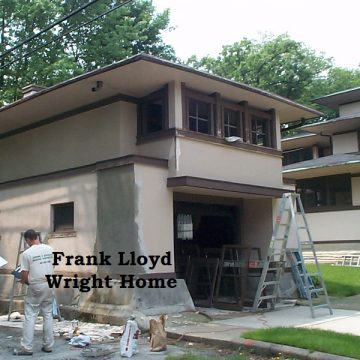
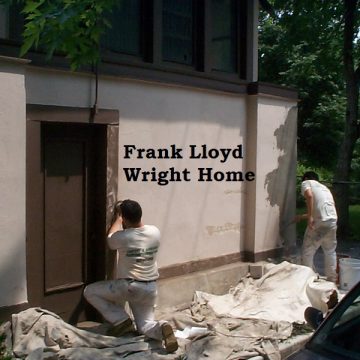
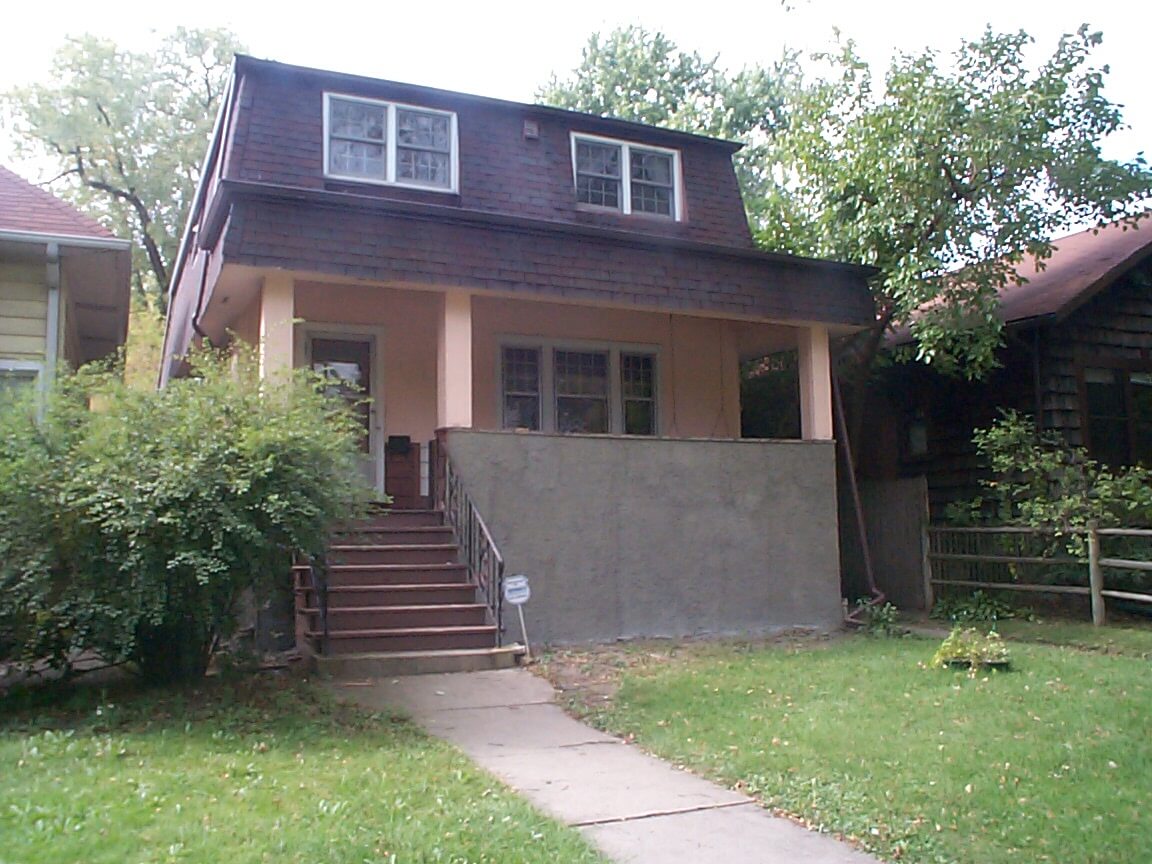
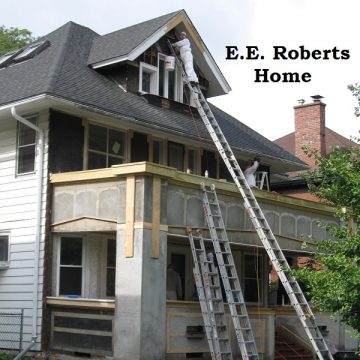
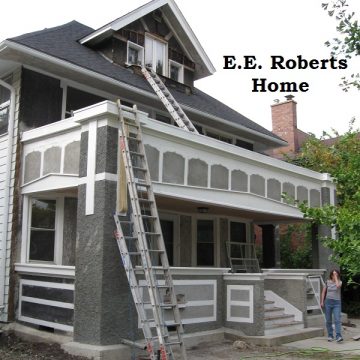
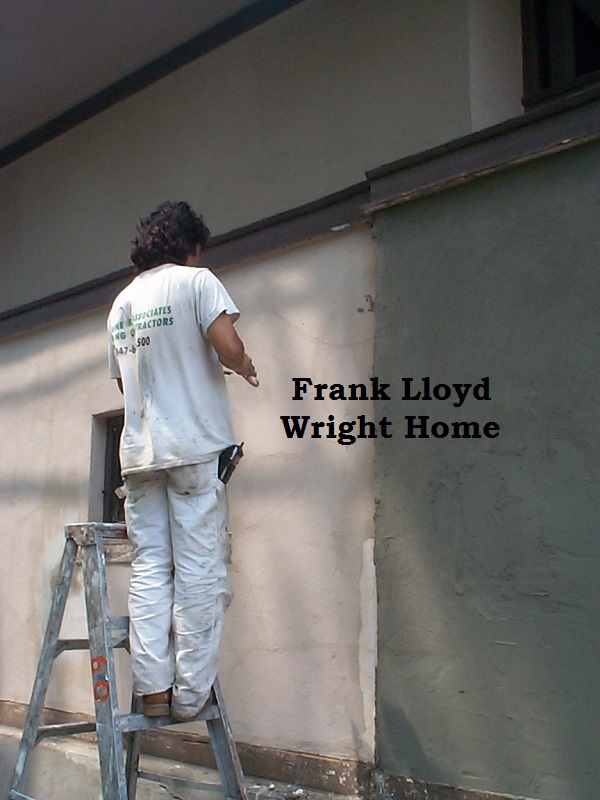
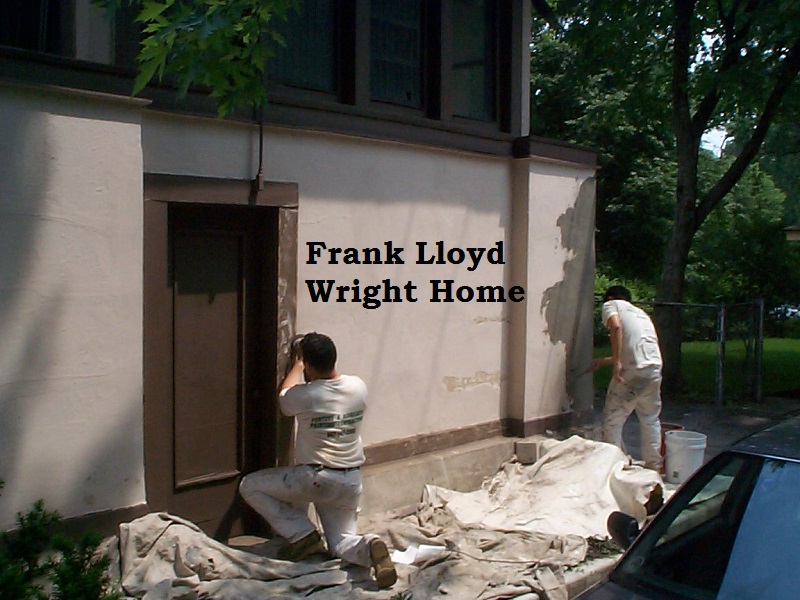
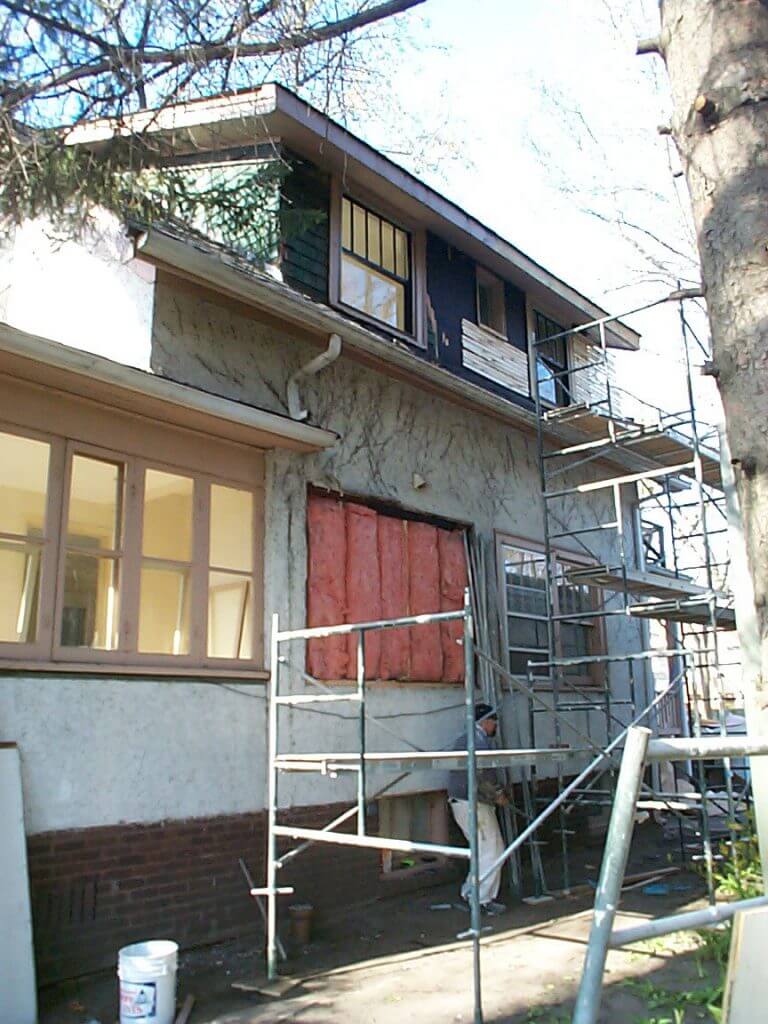
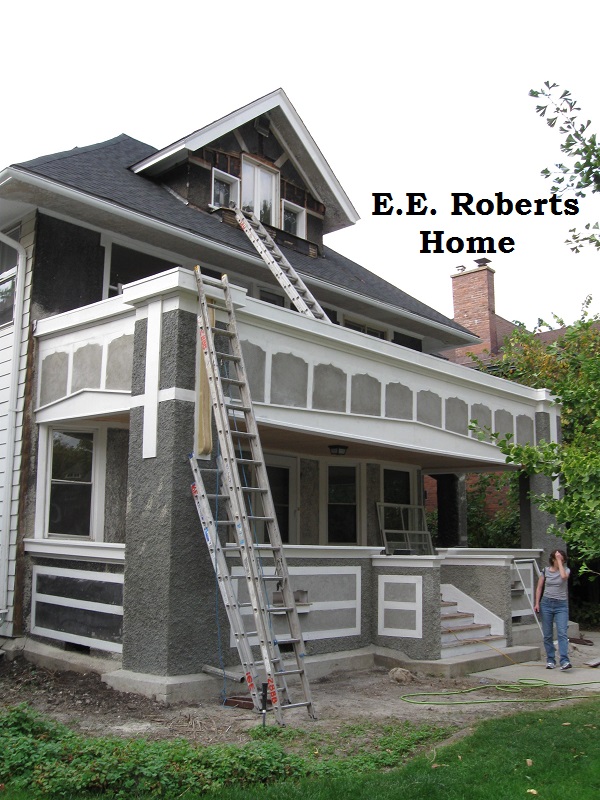
Fortune Restoration has been repairing, patching, matching, and recoating stucco on Chicagoland homes since 1979 - from 1920s stucco-clad bungalows in Rogers Park and Old Irving Park to grand homes in Wilmette, Winnetka, Kenilworth, and Oak Park. Our team handles diagnosis, structural and substrate repair, color and texture matching, finish coating, and sealing as a complete project.
Request a free stucco repair estimate →
Stucco Repair Services We Provide
Fortune Restoration’s stucco specialists work as part of our residential painting and exterior restoration teams, handling the full scope from diagnosis to finish:
- Stucco crack repair - hairline, structural, and pattern cracking on all stucco systems
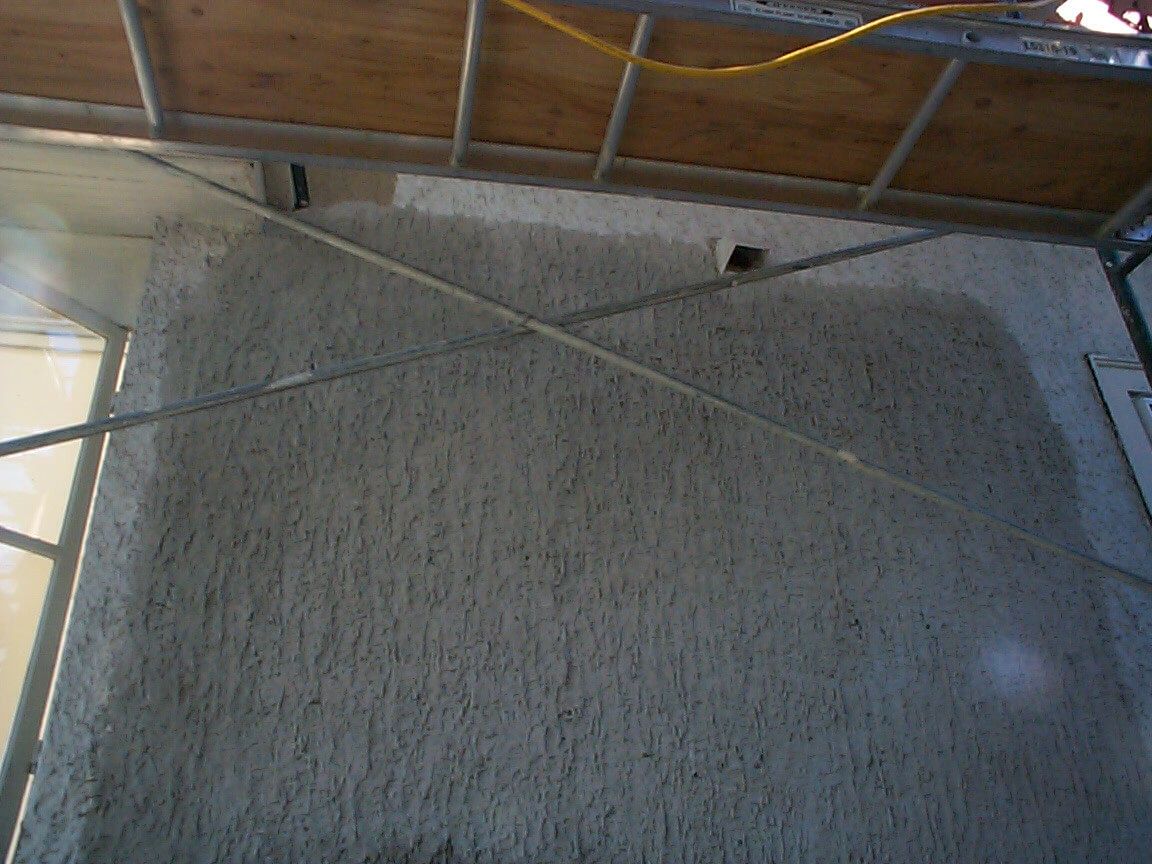
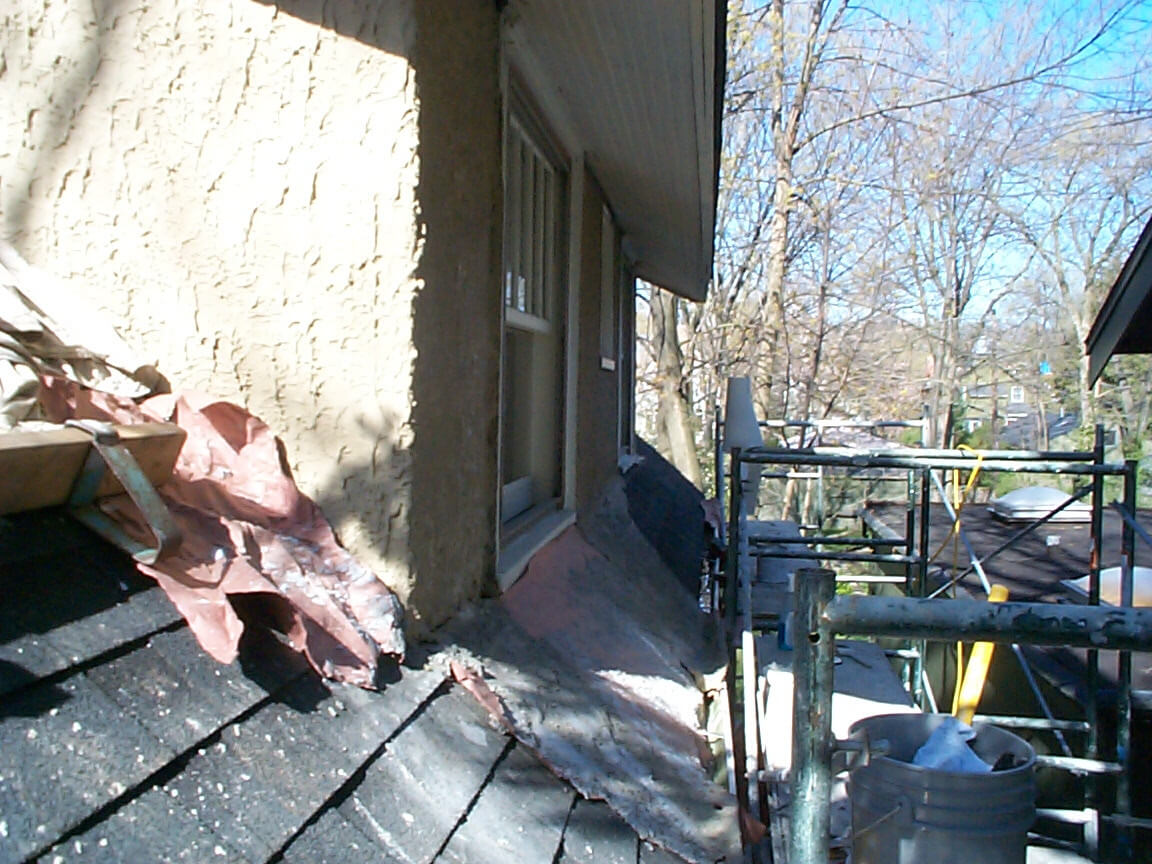
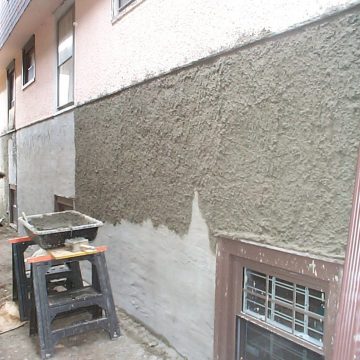
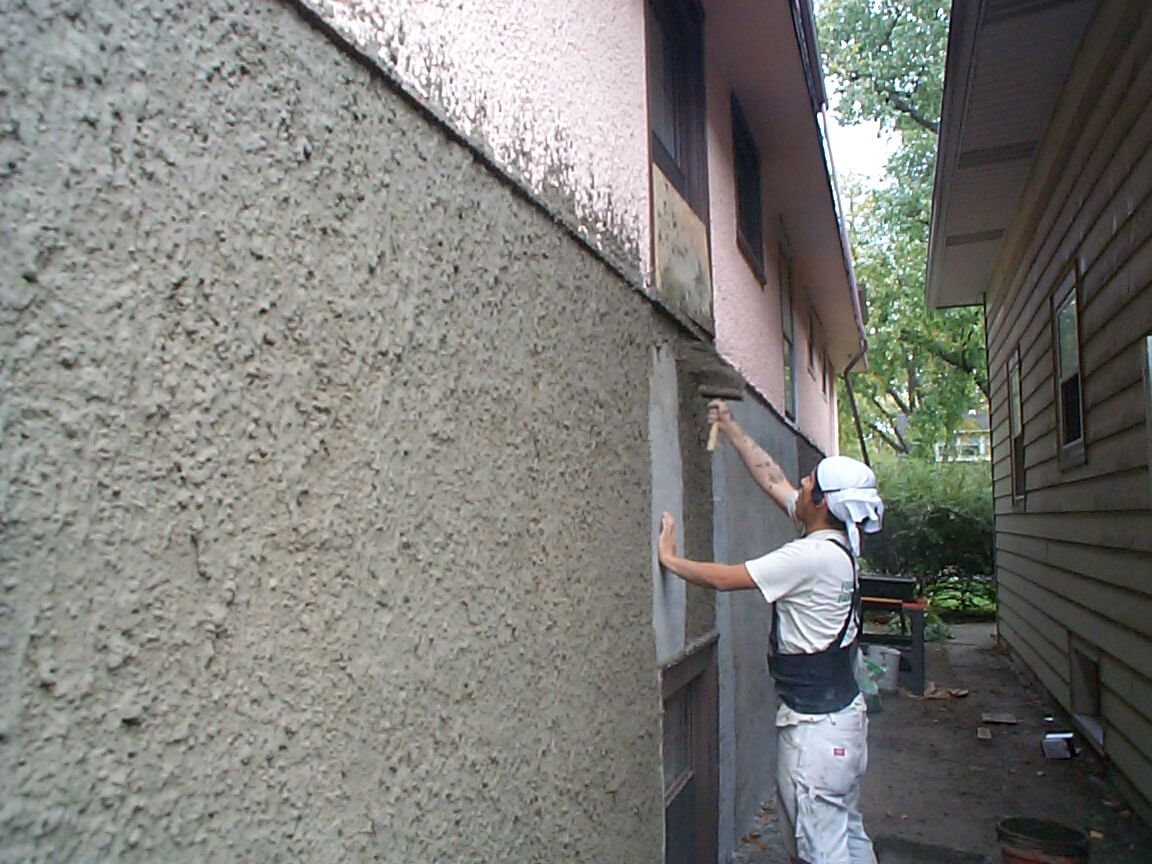
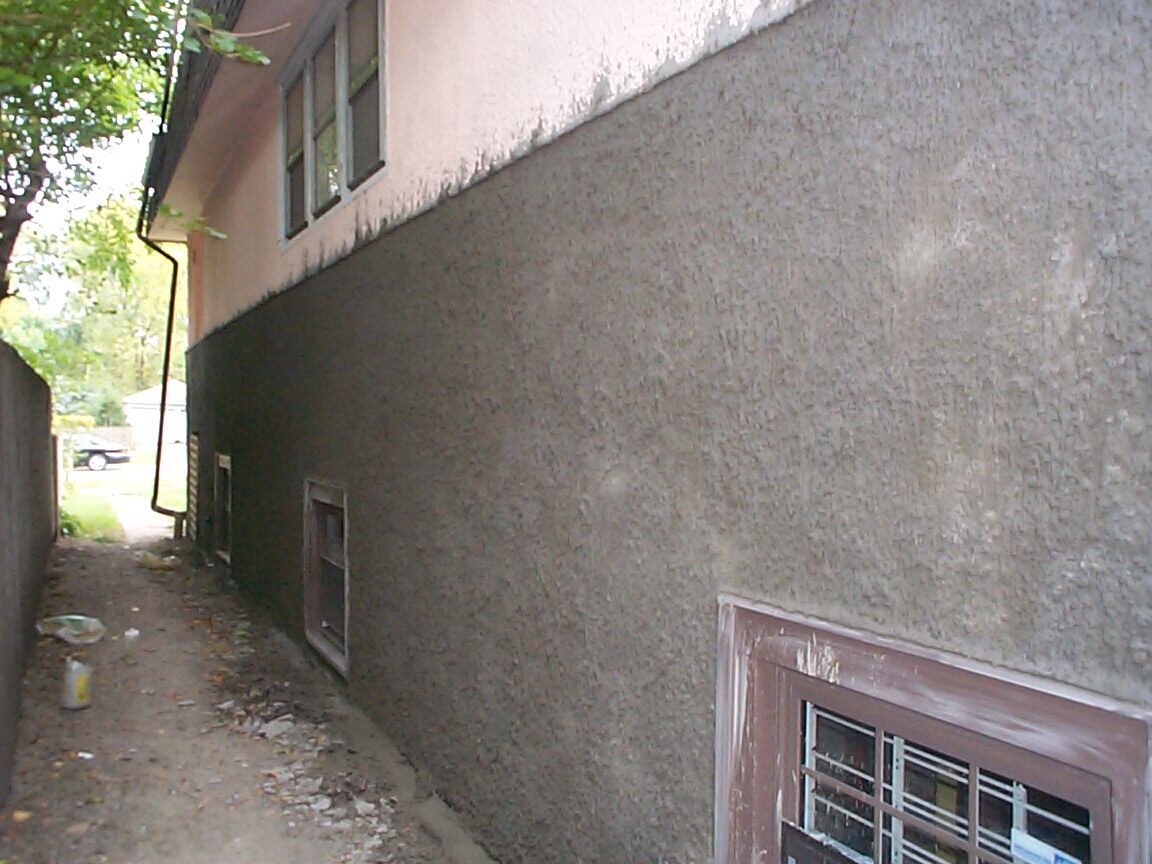
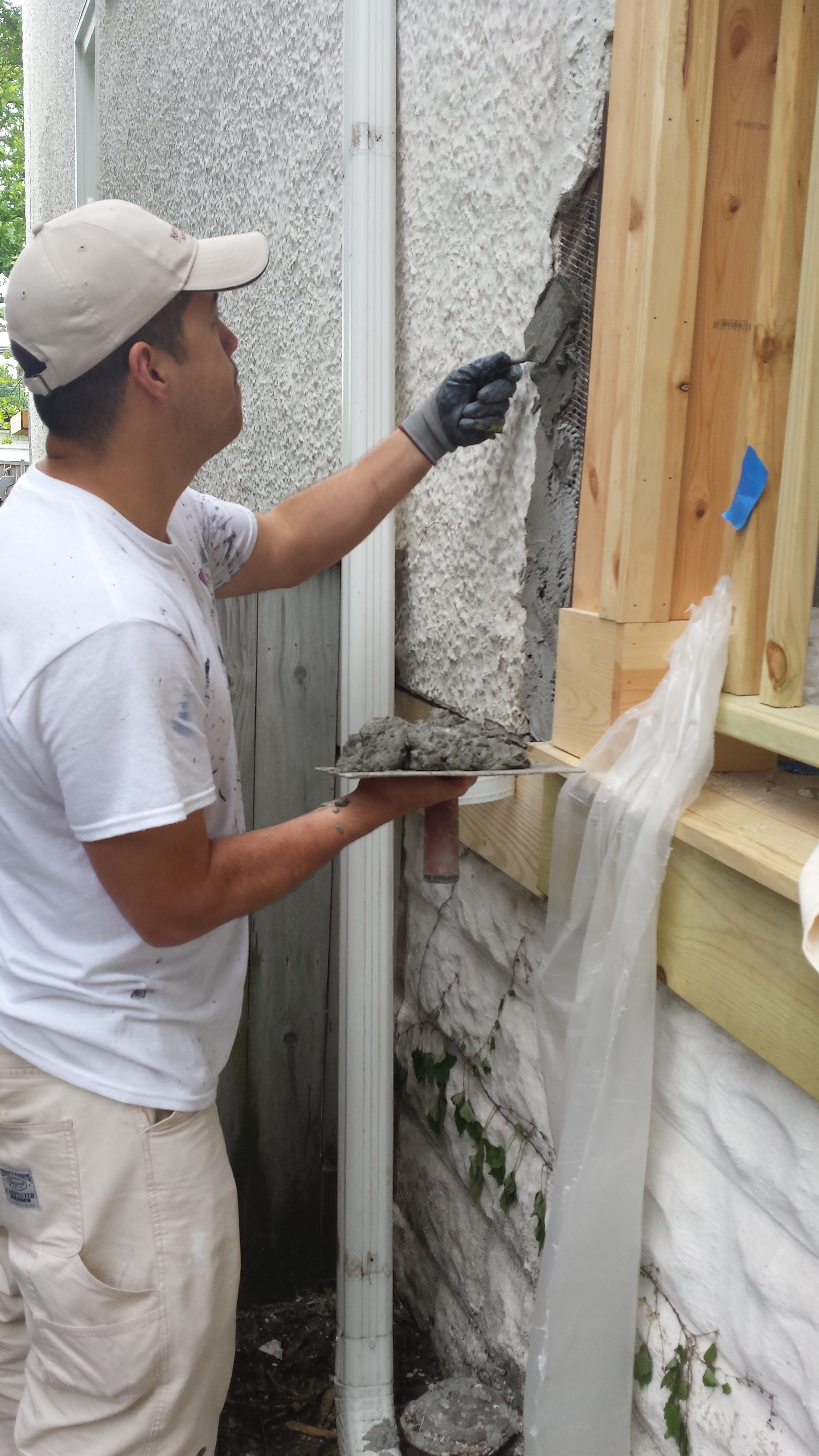
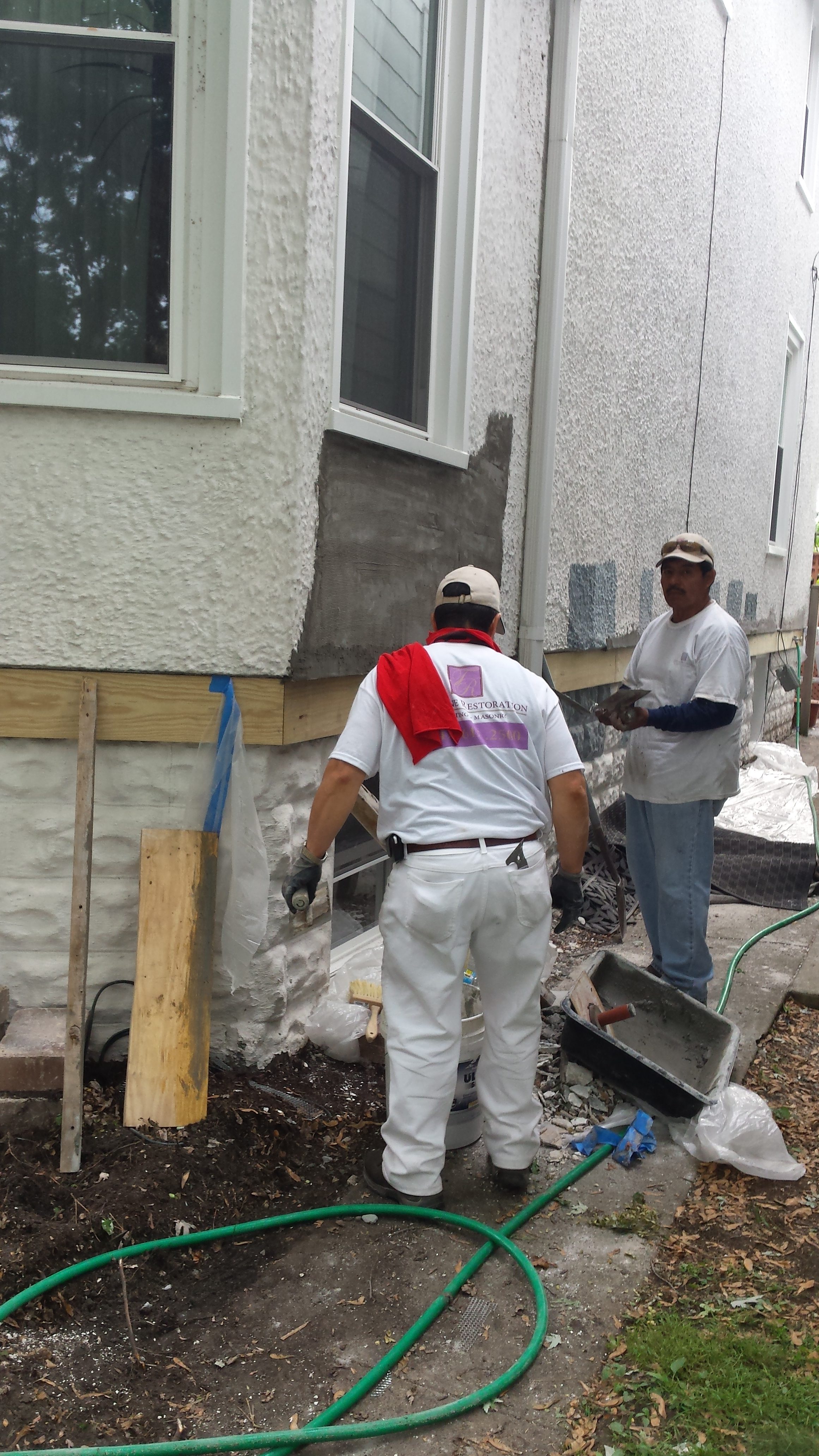
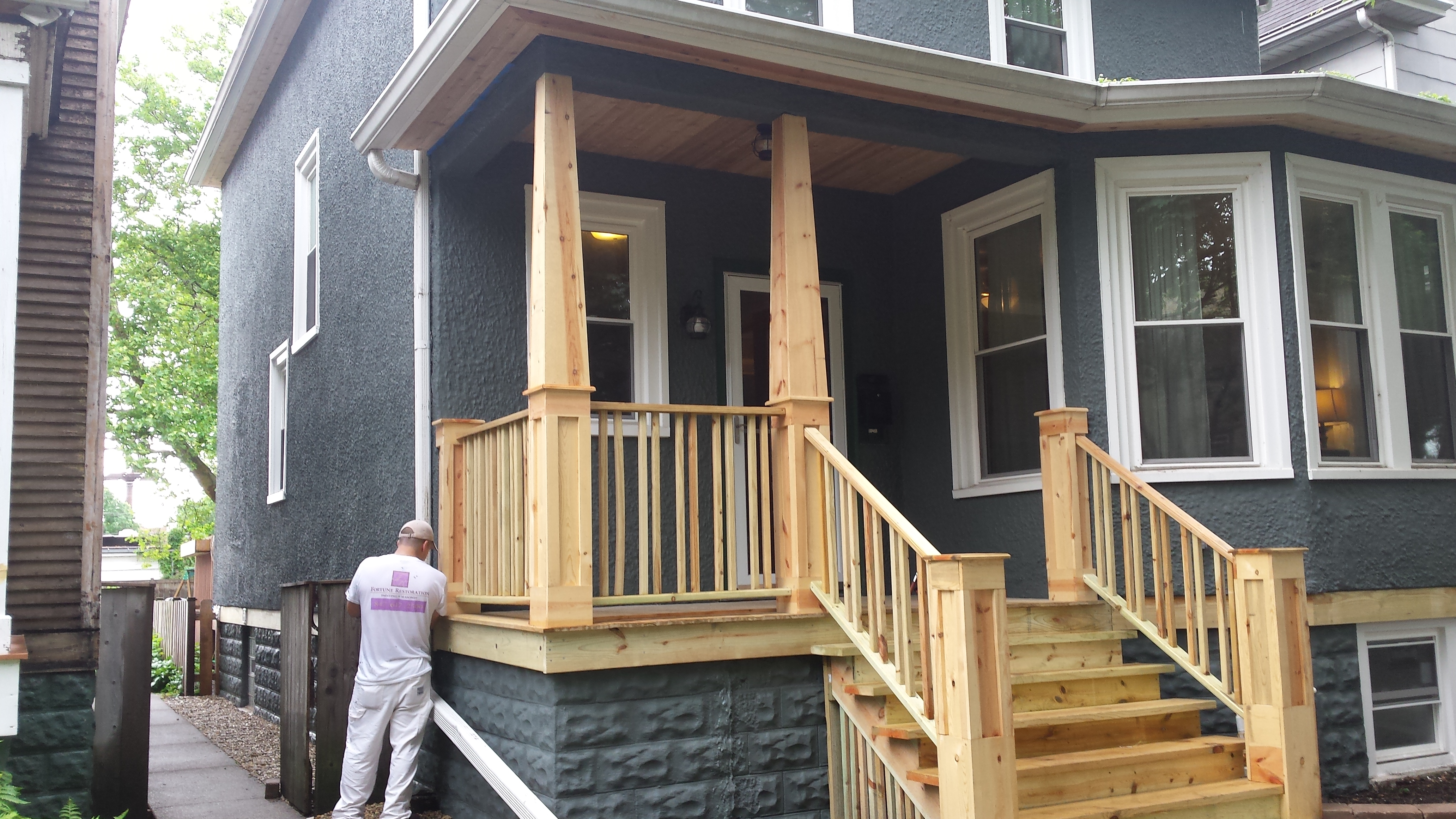
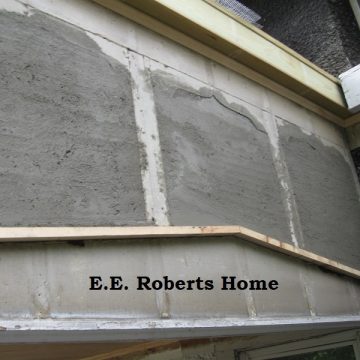
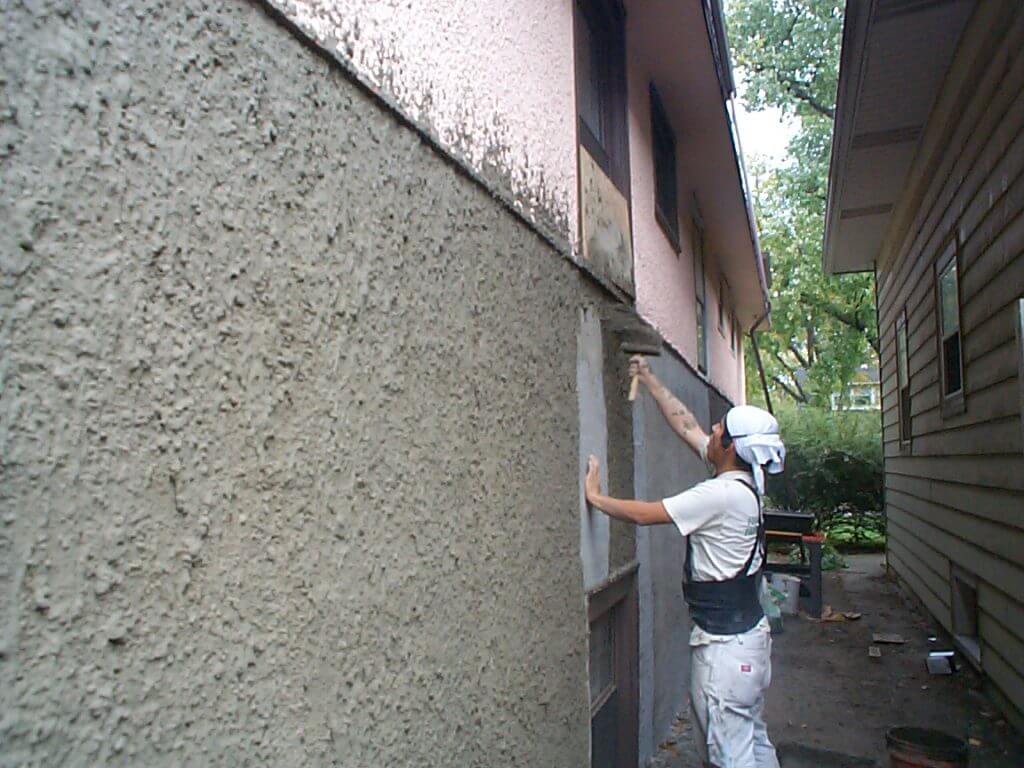
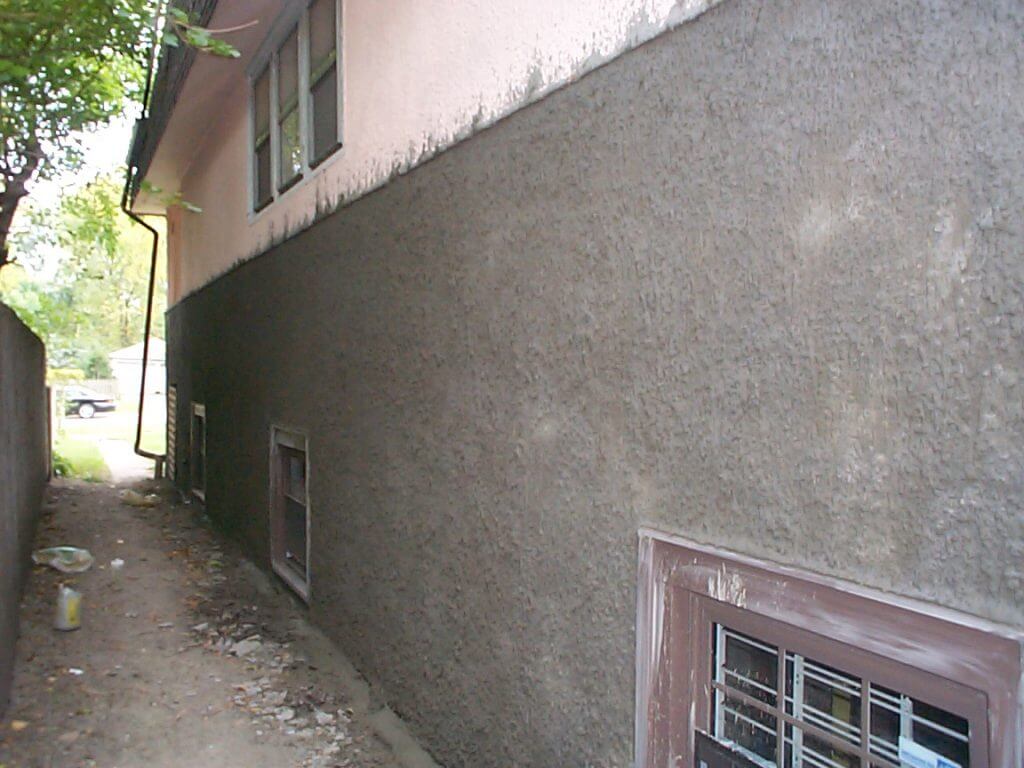
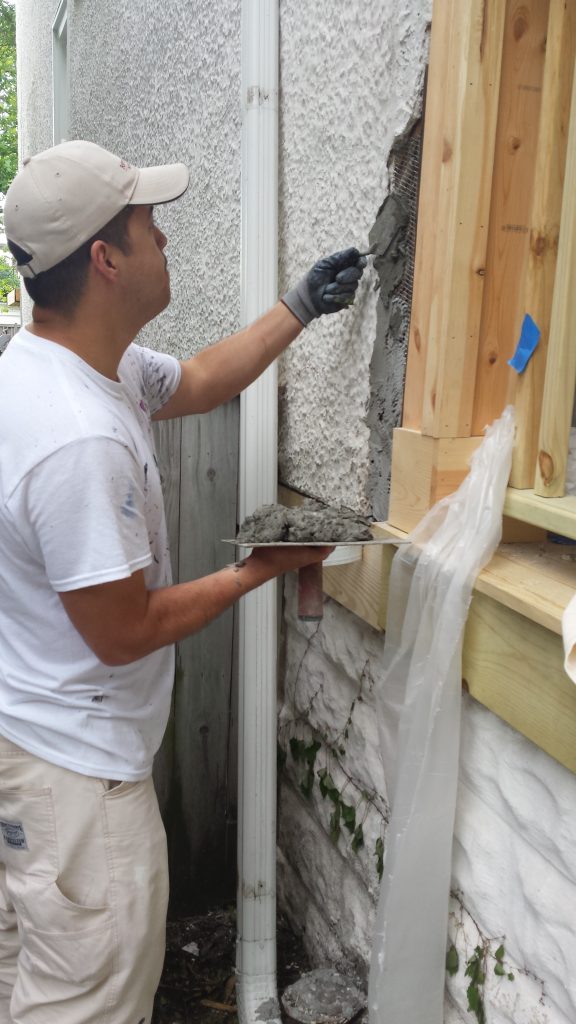
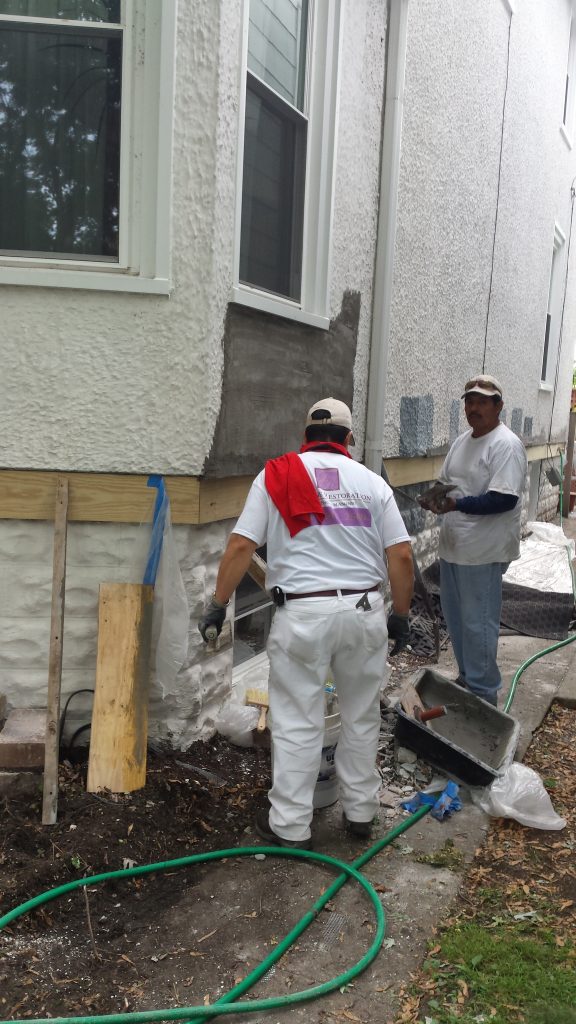
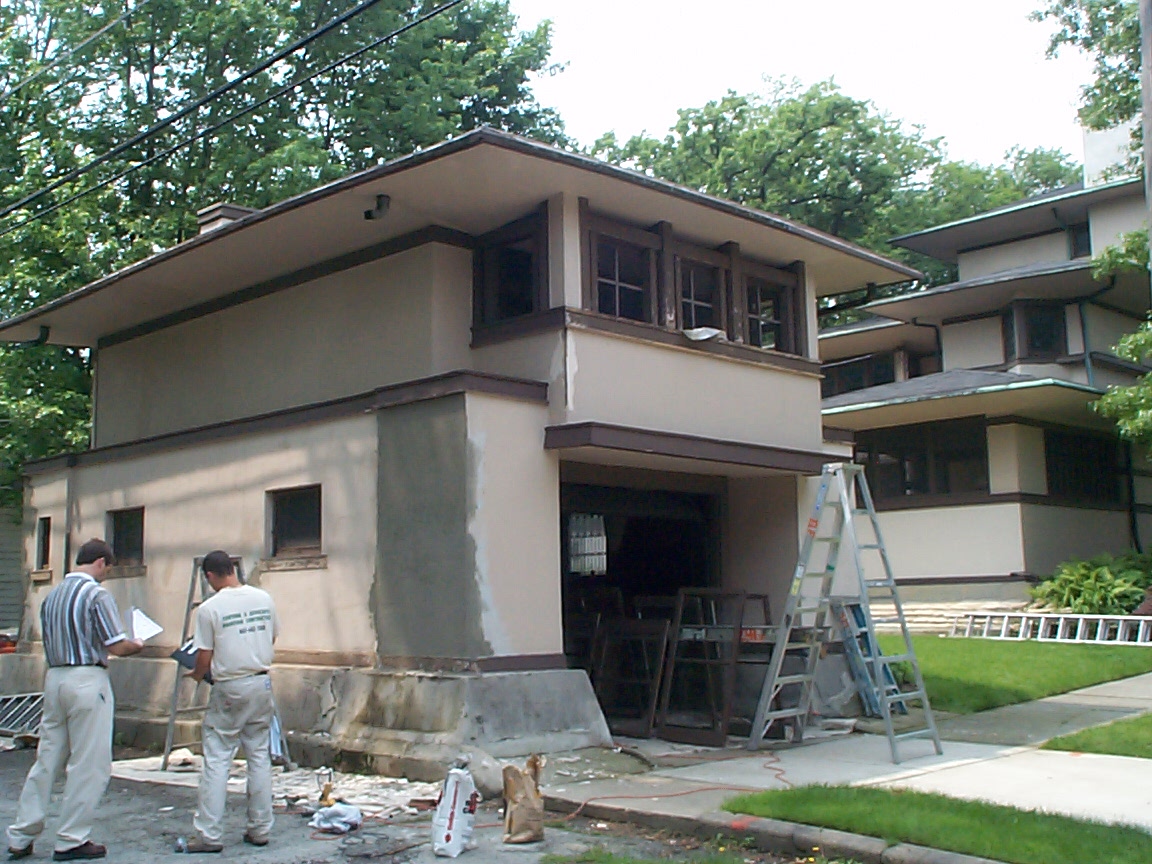
- Stucco patching - repair of damaged sections with texture and color matched to existing finish
- Stucco delamination repair - re-bonding or replacing sections where stucco has separated from the substrate
- Full stucco replacement - when the existing system has failed beyond economical repair
- Historic stucco matching - recreating original three-coat lime stucco textures and finishes on pre-1940s Chicago homes
- Stucco installation - on new construction and additions
- Stucco painting and sealing - see Can You Paint a Stucco House? for our full approach to finish coatings
- Coordinated tuckpointing and sealant work at masonry-to-stucco transitions
Why Stucco Fails in Chicago
The U.S. National Park Service notes that stucco is one of the most durable cladding systems ever developed - when properly installed and maintained. The challenge in Chicago is that stucco faces one of the most aggressive moisture-cycling environments in North America. The NPS Preservation Brief #22 on stucco is the definitive technical reference on diagnosing and repairing historic stucco.
Four root causes drive nearly every stucco failure we see on Chicago homes:
1. Thermal Movement
Stucco expands and contracts with Chicago’s 100°F+ annual temperature swing. Without properly placed control joints - the planned crack lines that tell the stucco where to move - stucco finds its own crack locations at stress points like corners, window openings, and substrate transitions.
2. Moisture Infiltration
Water entering through cracks, failed caulking, or compromised flashing migrates behind the stucco, rots the underlying lath, and eventually causes the stucco to delaminate from its substrate. Freeze-thaw cycling accelerates this dramatically - a small entry point becomes a structural problem in two to three winters.
3. Substrate Problems
Stucco applied over incompatible or deteriorated substrates fails regardless of installation quality. Older systems applied directly to CMU or brick without proper bonding preparation can develop widespread adhesion failures.
4. Aging Lath
Older Chicago stucco systems used wood or metal lath as the structural base. Rotted wood lath and corroded metal lath can no longer support the stucco layer, leading to bulging and eventual collapse.
Stucco Patch vs. Full Replacement: The Diagnostic Test
The key diagnostic technique is “sounding” - tapping the stucco and listening for hollow spots that indicate delamination. Areas that sound hollow have lost their bond to the substrate and will continue to fail regardless of surface patching. The extent of hollow area relative to total wall area determines the right intervention:
- Less than 15% hollow: Targeted patch repairs are typically appropriate and cost-effective
- 15% – 40% hollow: Significant repairs required; cost comparison between extensive patching and full replacement becomes relevant
- Over 40% hollow: Full replacement is usually more economical than continuing to patch a failing system
An honest contractor performs this sounding test as part of the estimate process - not just a visual walk-around. We do.
Traditional vs. Modern Stucco Systems
Chicago homes built before roughly 1940 typically have traditional three-coat lime-based stucco; homes built after that use Portland cement-based systems. The two systems have different physical properties and require different repair materials. Per Portland Cement Association technical guidance, mixing incompatible mortar and stucco chemistries is one of the leading causes of repair failure.
- Three-coat traditional stucco - scratch coat, brown coat, and finish coat applied over wood or metal lath. Softer, more vapor-permeable, more forgiving of building movement. Standard on pre-WWII Chicago bungalows, Tudors, and Prairie homes.
- Modern Portland-cement stucco - typically applied over expanded metal lath with a weather-resistive barrier. Harder, less permeable, more crack-prone under thermal stress without proper control joints.
- EIFS (Exterior Insulation and Finish Systems) - not technically stucco. EIFS is a synthetic foam-and-coating system that looks similar but performs very differently. EIFS repair requires specialized expertise distinct from traditional stucco repair.
Using modern Portland-cement stucco on a historic lime-based wall is one of the most common - and most damaging - mistakes in stucco repair. The harder modern material transfers stress to the surrounding original stucco and accelerates cracking. We always match the repair system to the existing one.
Historic Stucco Matching: Texture & Color
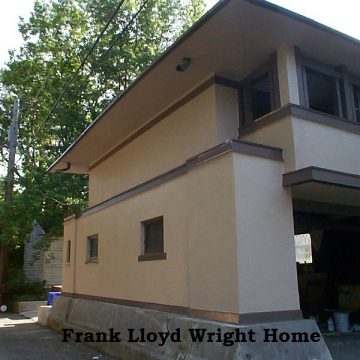
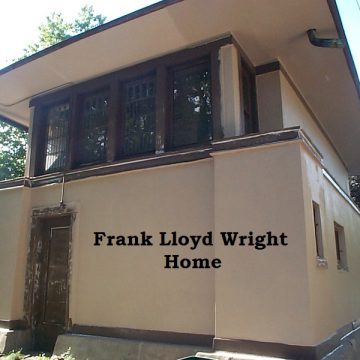
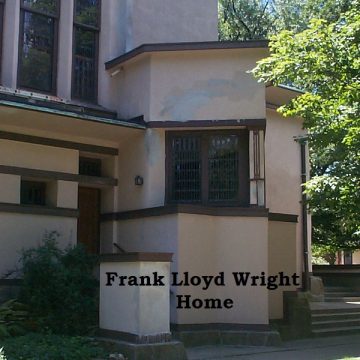
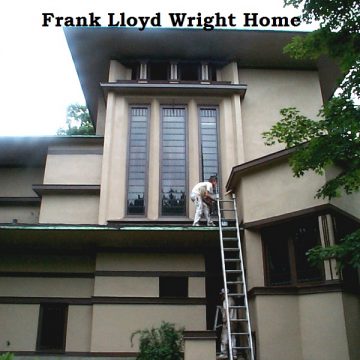
On older Chicago homes - particularly the stucco-clad bungalows and two-flats of the 1910s through 1940s, and the grand Tudor and Mediterranean Revival homes of the North Shore - matching the original texture and finish is essential for both aesthetic and technical reasons.
Common historic stucco textures we match include:
- Sand finish - fine, even surface common on Prairie-style and Craftsman homes
- Dash finish - splattered or “rough cast” texture popular on 1920s revival-style homes
- Smooth troweled finish - flat, polished surface seen on Spanish Colonial and Mediterranean homes
- Float finish - slightly textured surface produced by a sponge or wood float
- English cottage / rough trowel - heavy, irregular texture on Tudor and English Revival homes
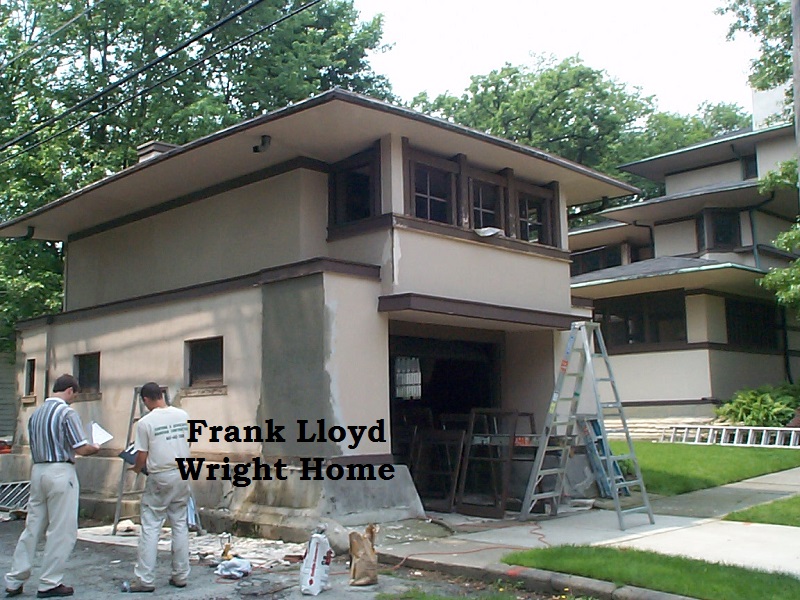
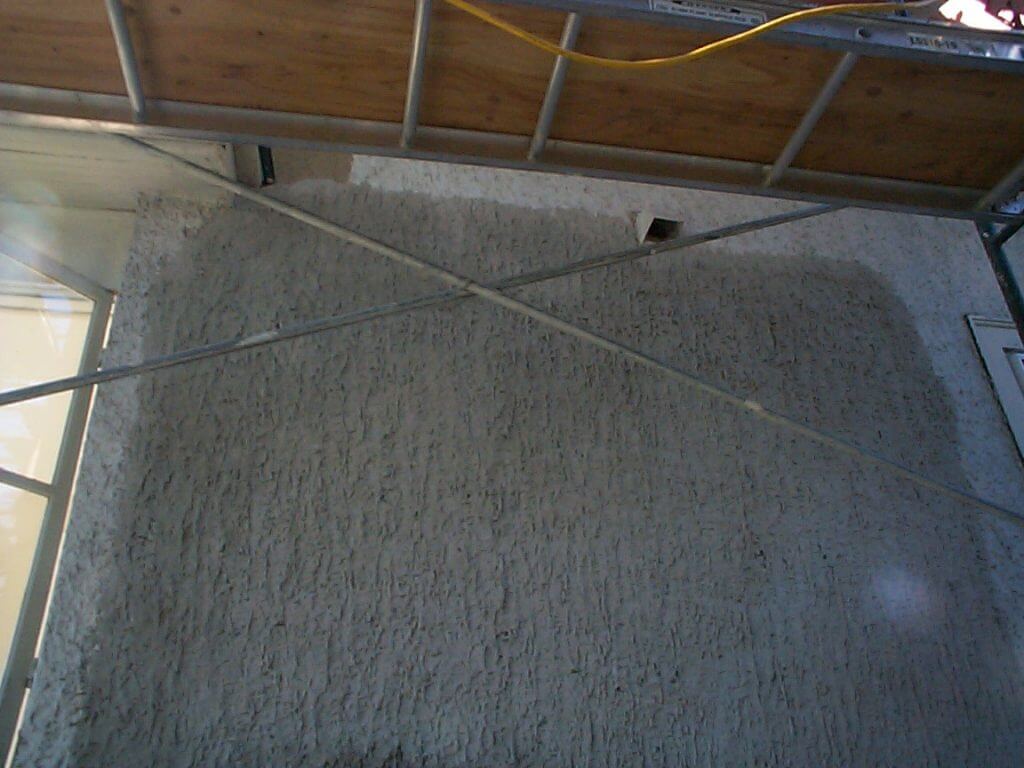
Color matching is its own discipline. Original stucco color was typically integral (mixed into the finish coat) rather than painted on, and historic pigments often shift over decades of UV and weather exposure. Our color testing service includes stucco samples produced on-site so the match can be verified in actual light before the full repair proceeds. Fortune Restoration’s experience on historic landmark homes across Chicago and the North Shore informs our approach to matching original materials.
The Stucco Repair Process
Fortune Restoration’s stucco repair process follows seven steps from diagnosis to finish coat.
- Diagnosis. Visual inspection, sounding test, and identification of moisture sources. Following International Concrete Repair Institute evaluation principles, we identify both the symptom and the cause before specifying a scope.
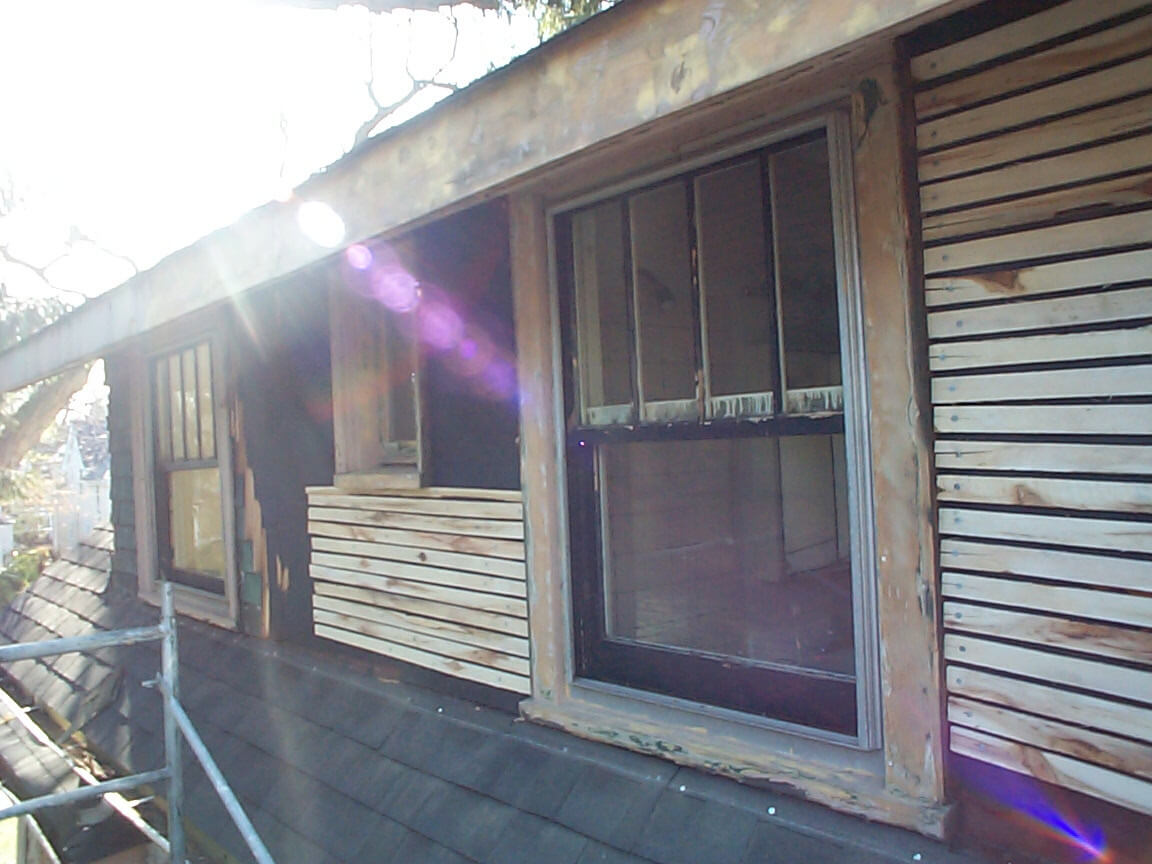
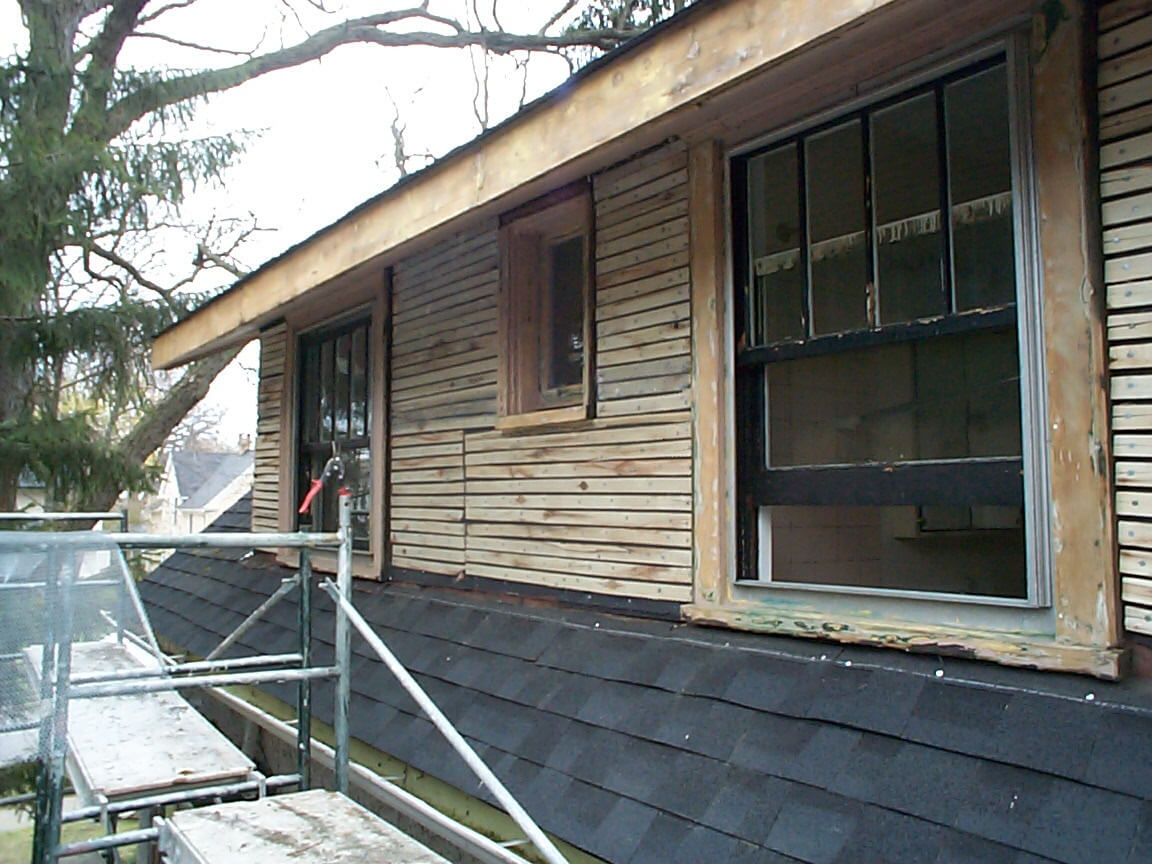
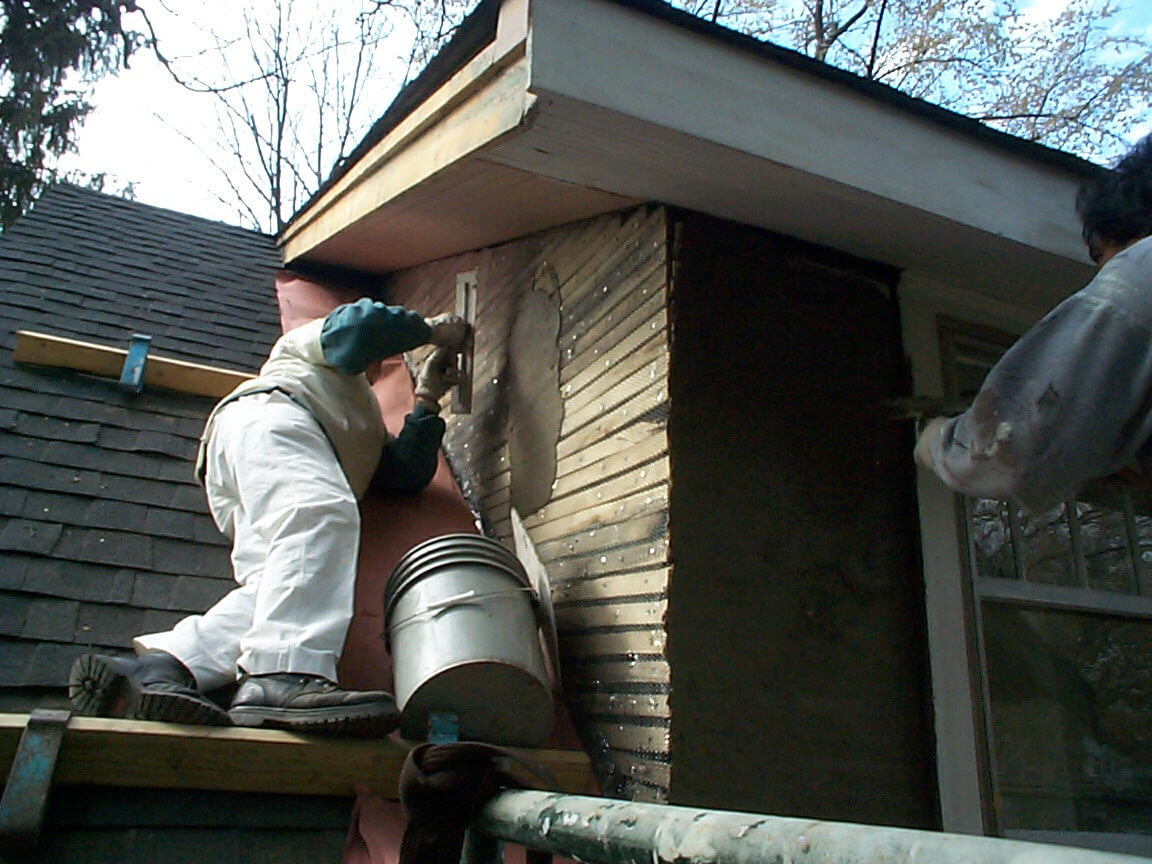
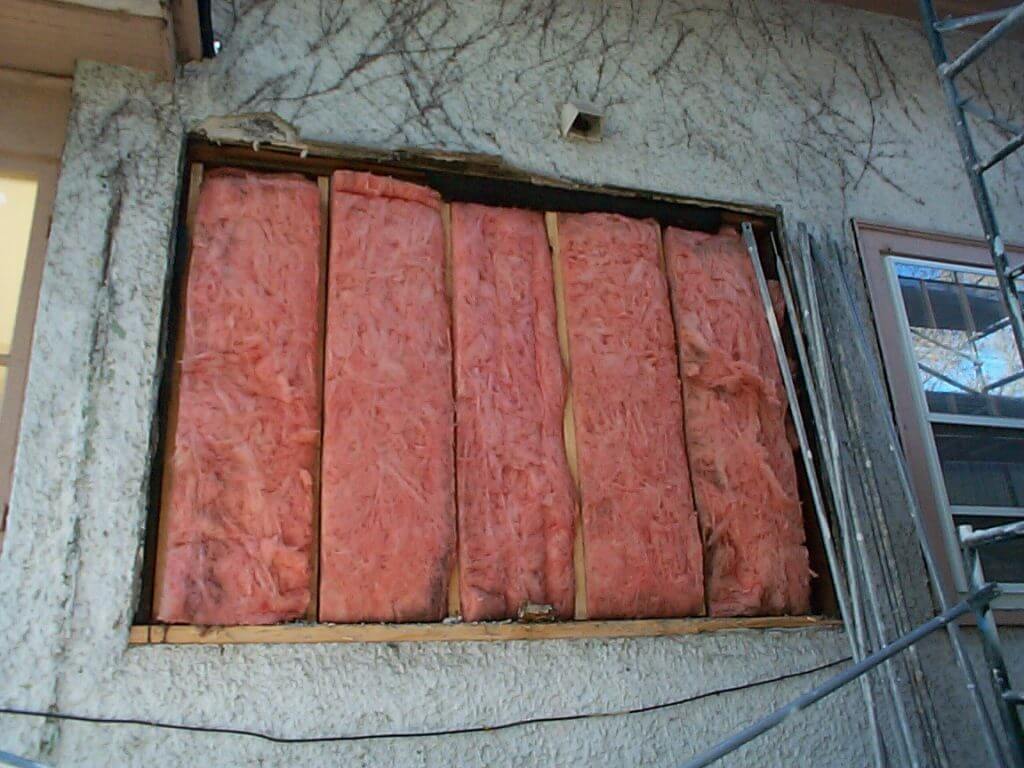
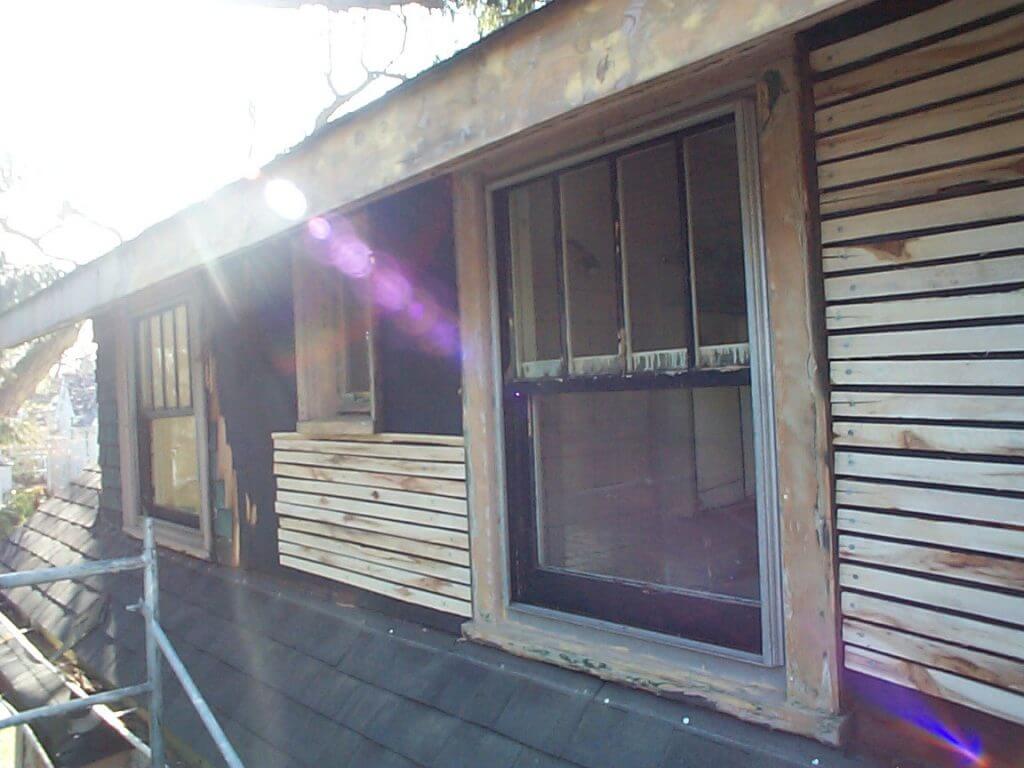
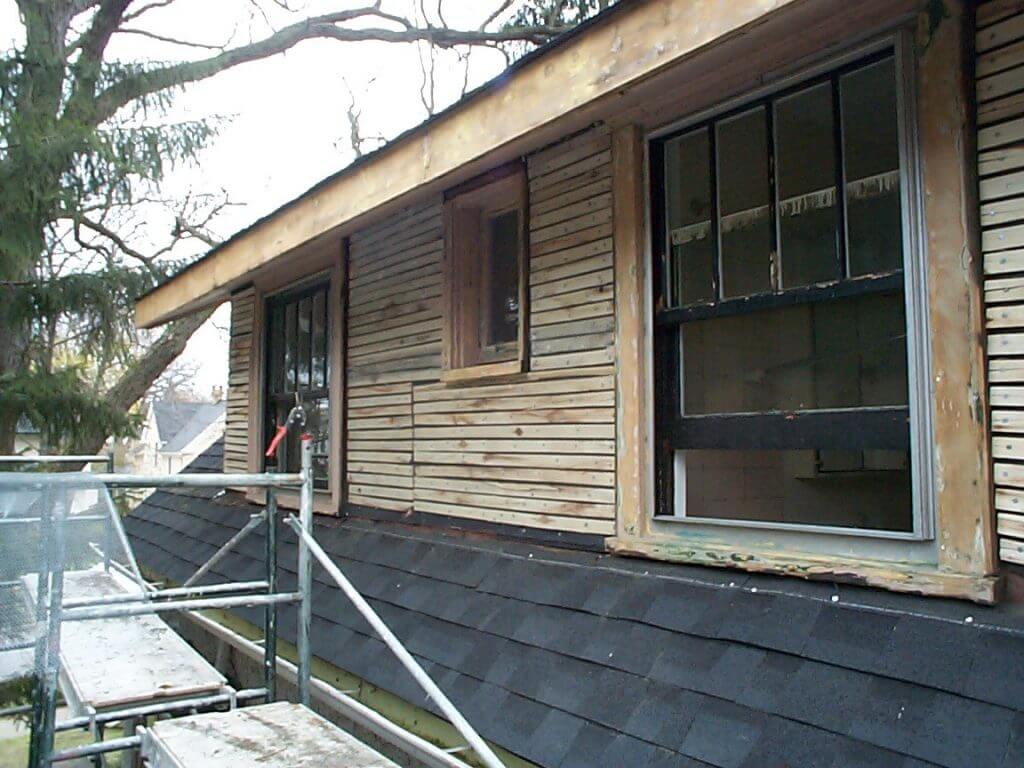
- Substrate & flashing repair. Failed lath, rotted sheathing, deteriorated flashing, and compromised water-resistive barriers are repaired or replaced before any stucco work begins.
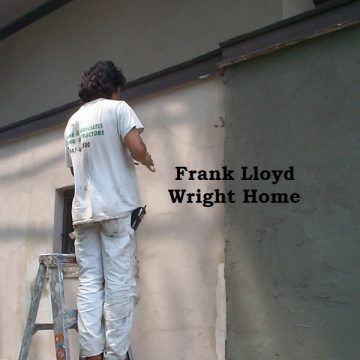
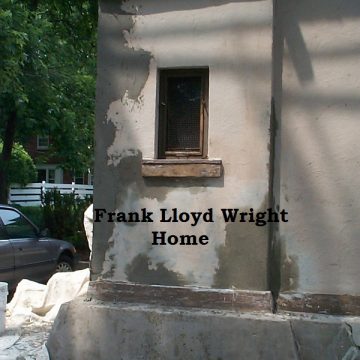
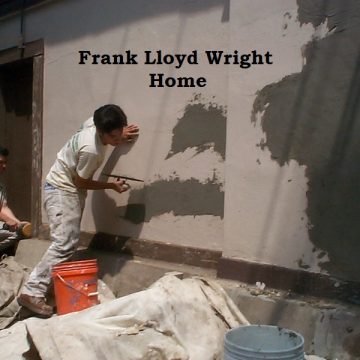
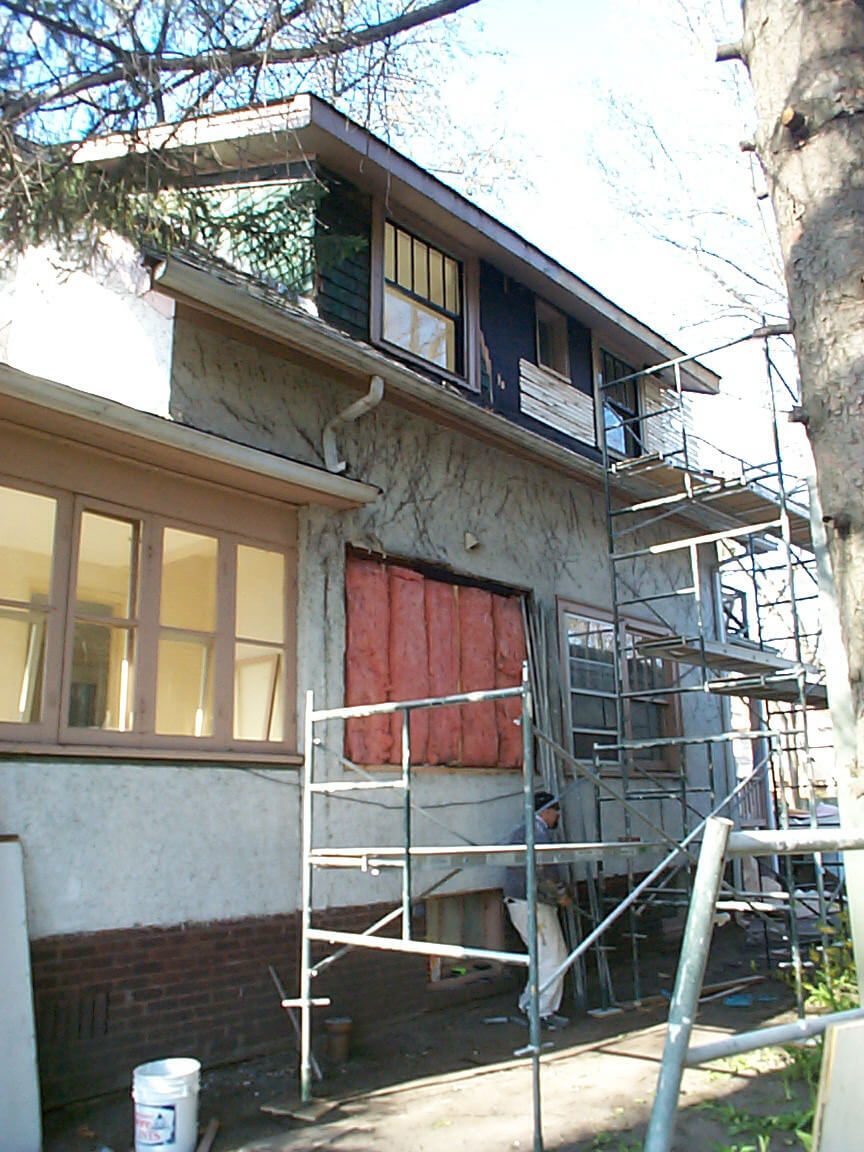
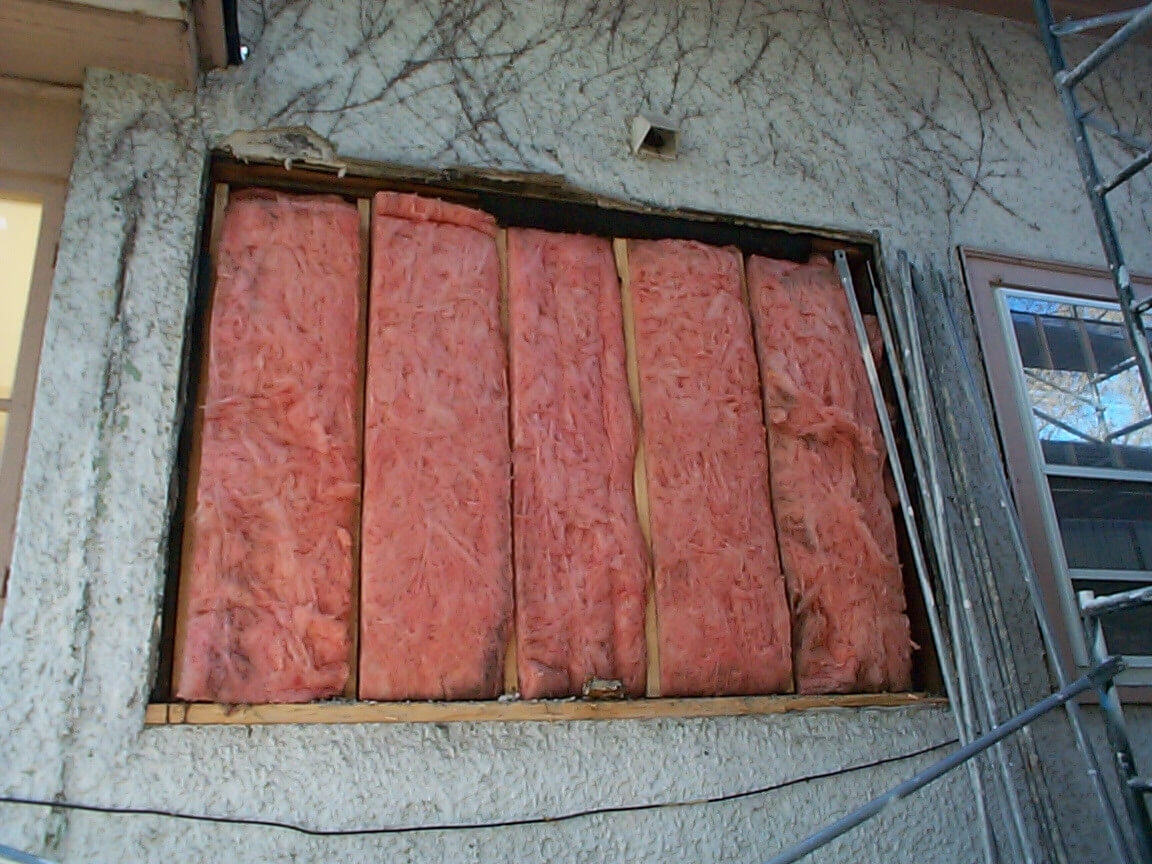
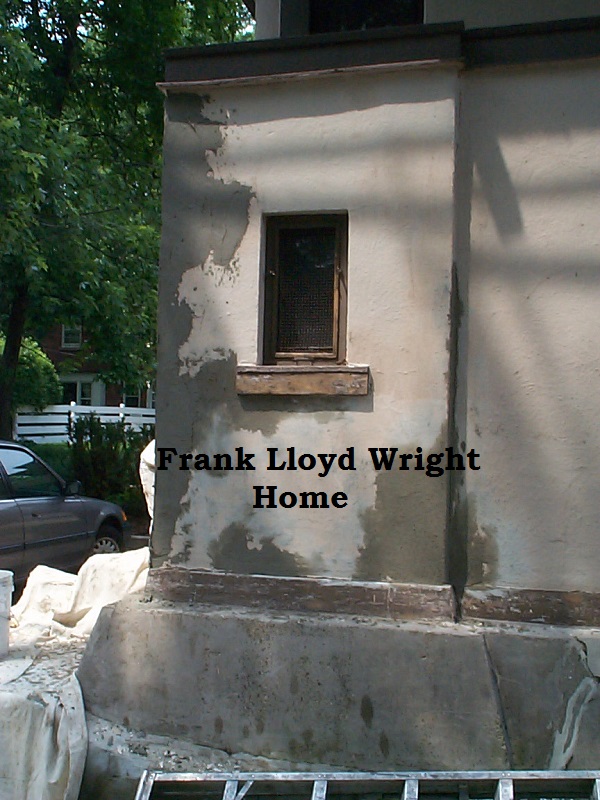
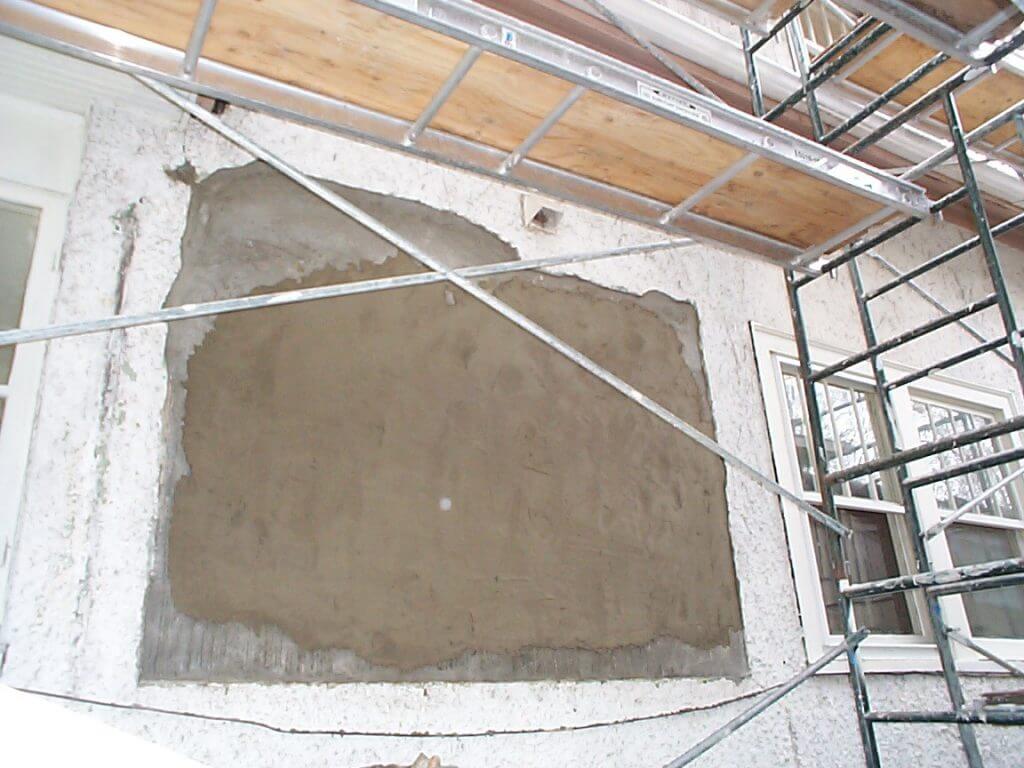
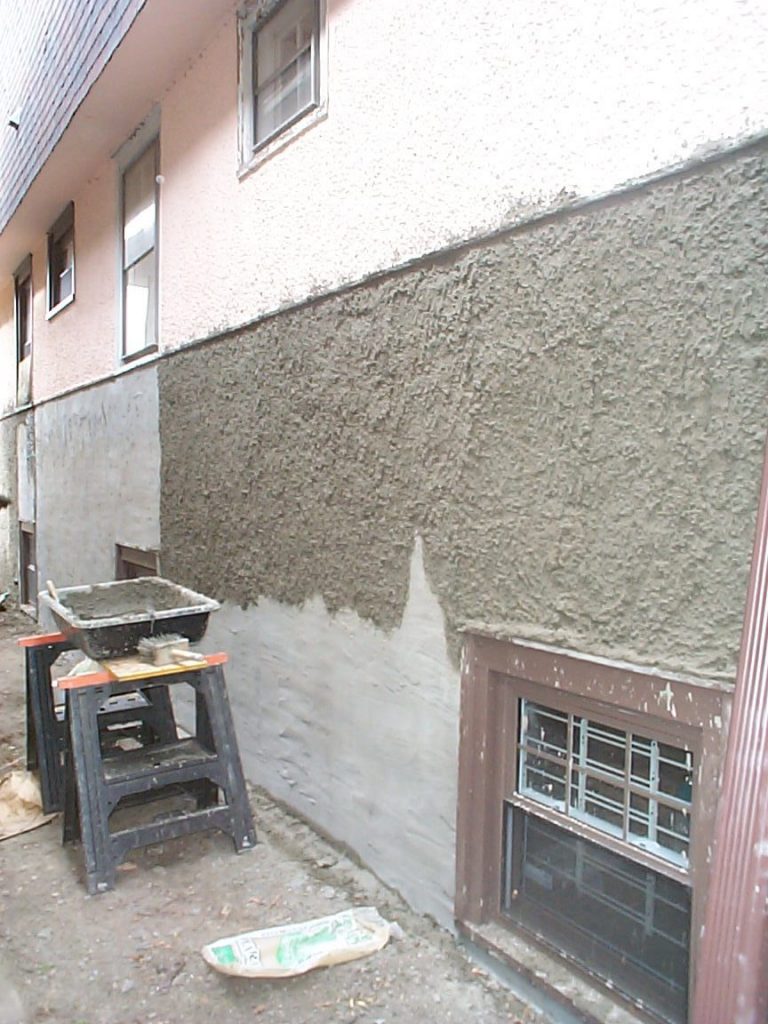
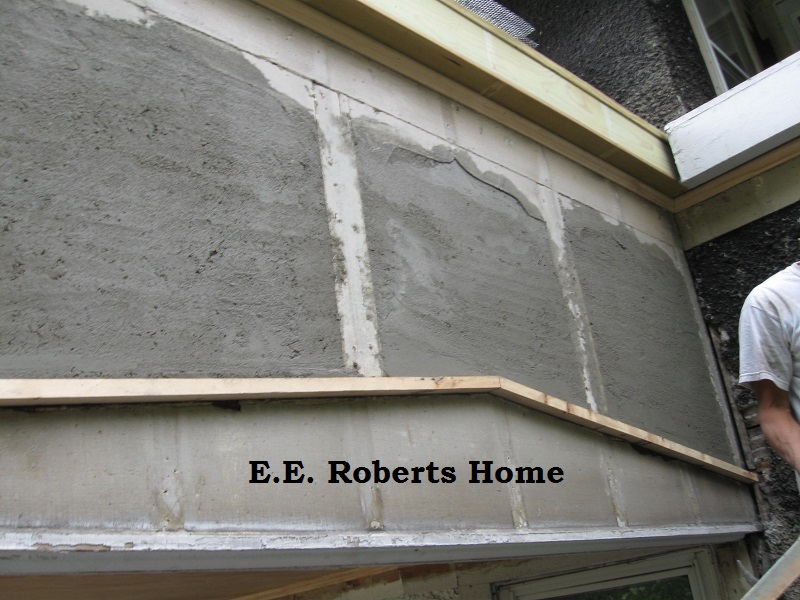
- Removal of failed material. Loose, delaminated, or damaged stucco is removed back to sound, well-bonded material. Edges are squared and undercut so the patch has mechanical interlock.
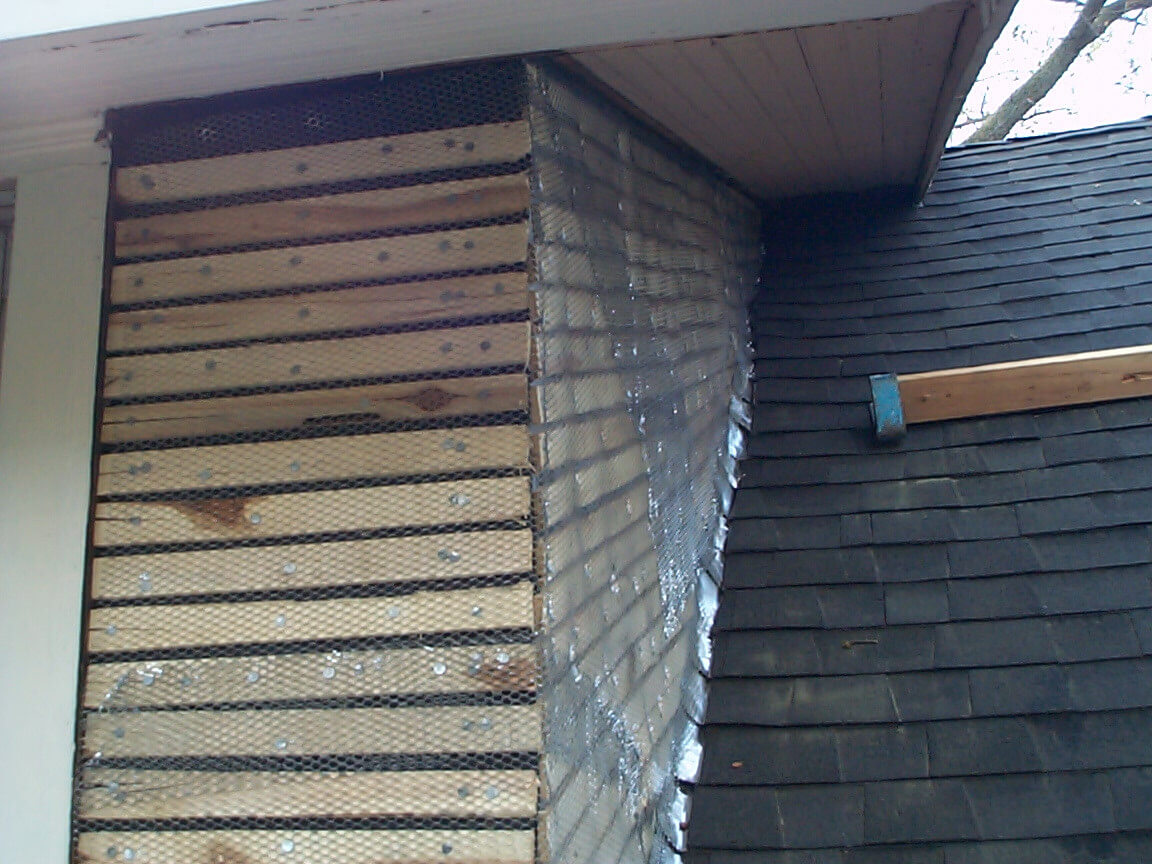
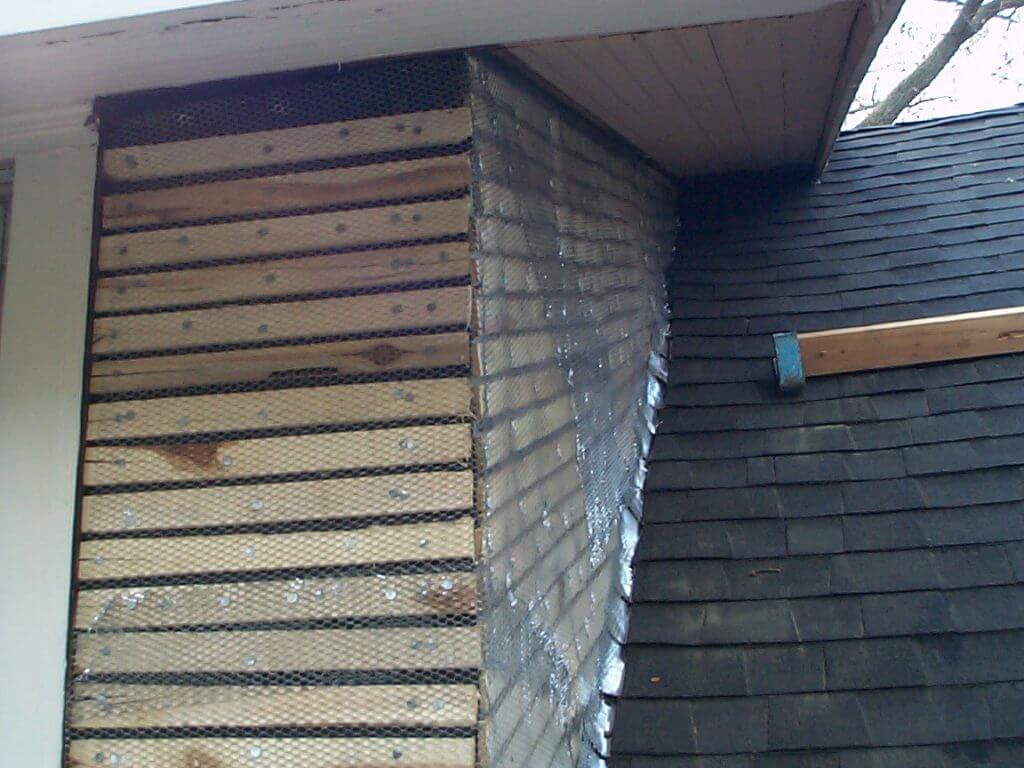
- Lath repair or replacement. Where original lath has corroded or rotted, new lath compatible with the existing system is installed.
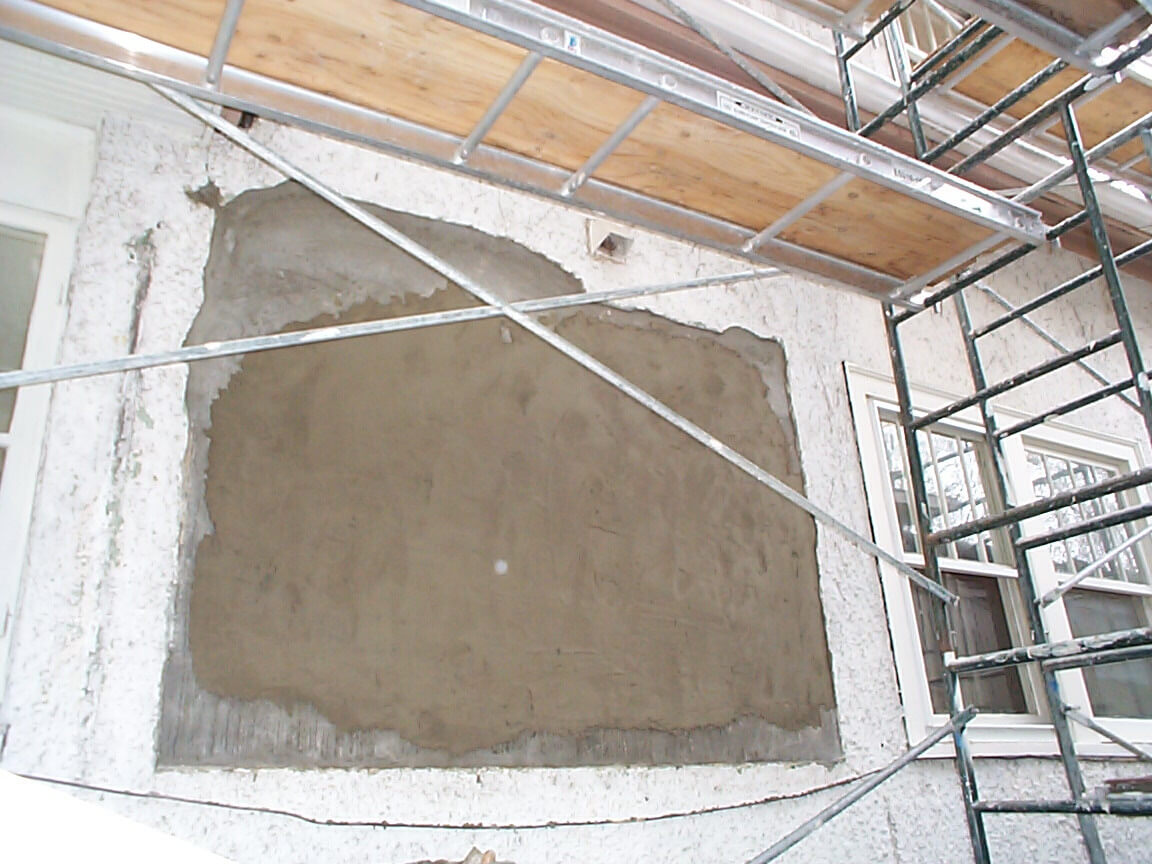
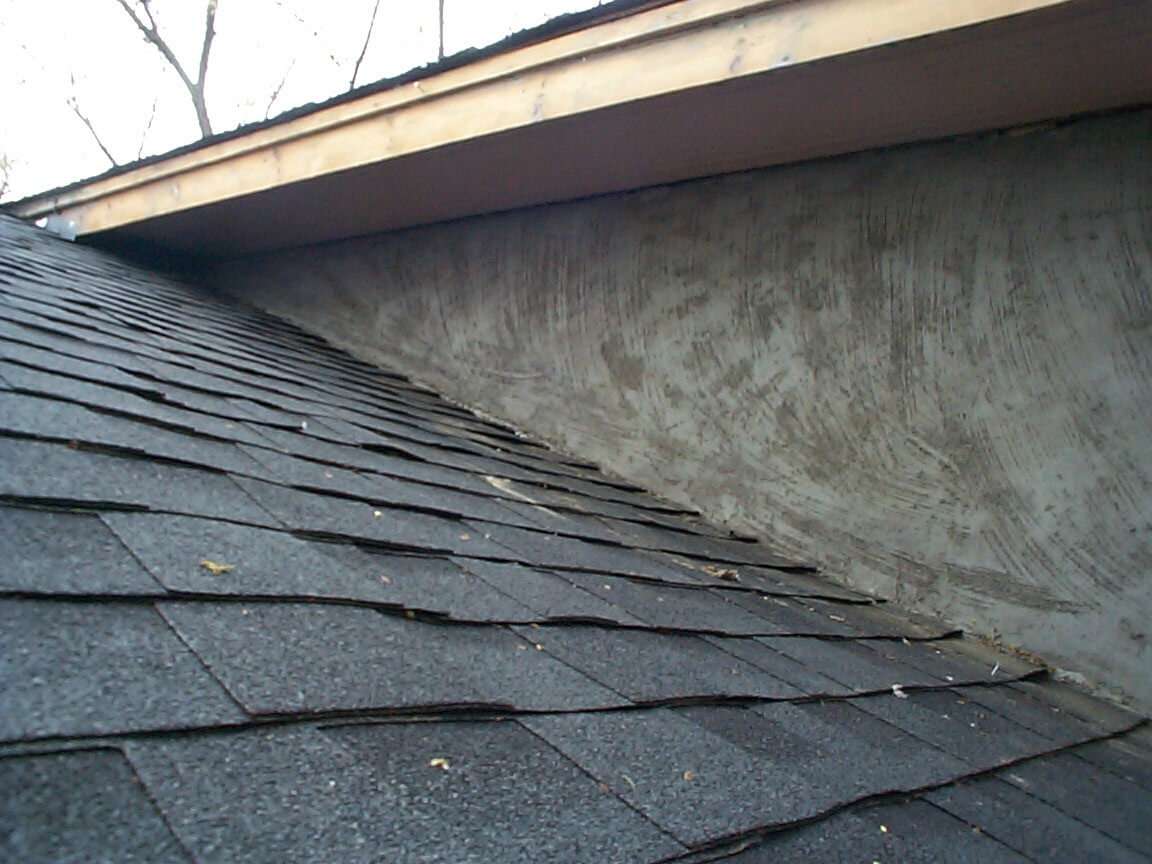
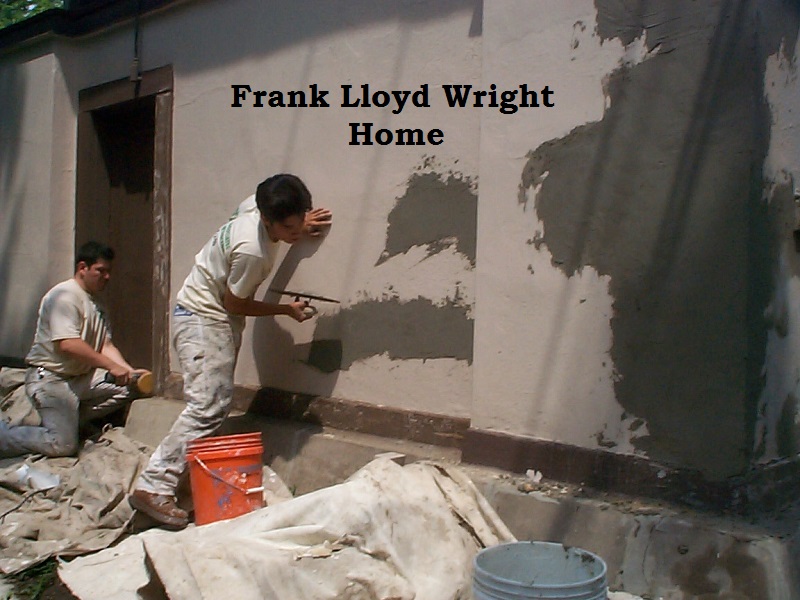
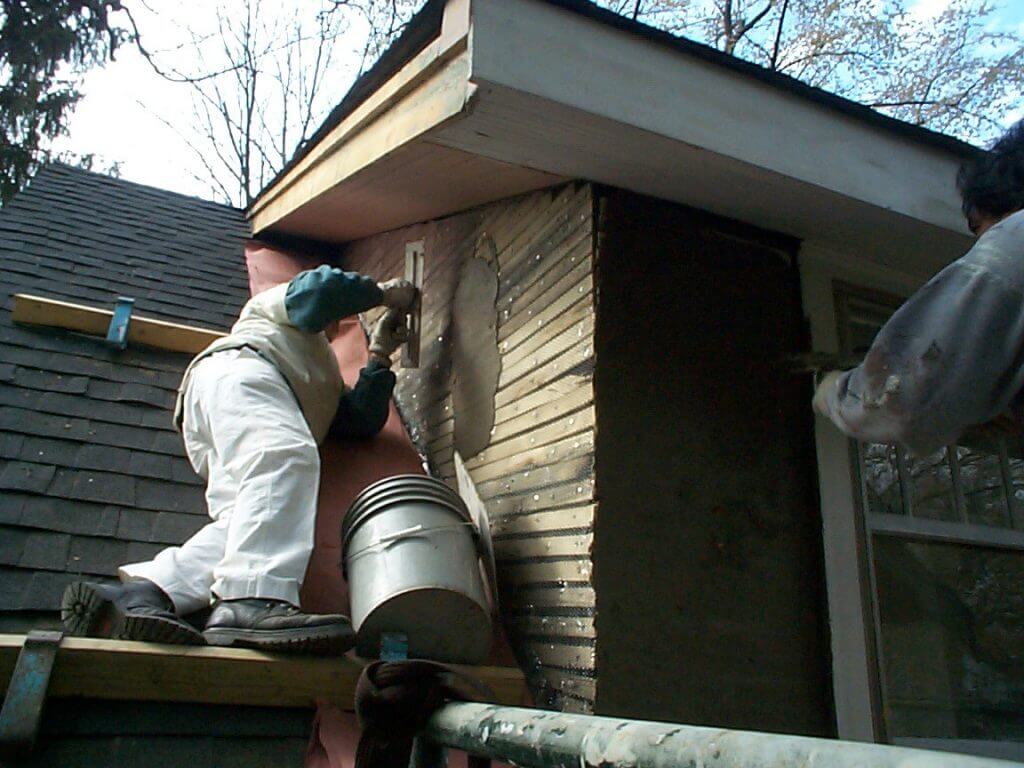
- Stucco application. Scratch, brown, and finish coats are applied in sequence per ASTM C926 standards (the U.S. specification for application of Portland cement-based plaster), with appropriate cure time between coats.
- Texture & color matching. Finish coat is textured and tinted to match the surrounding original stucco.
- Sealing & painting. After full cure, the repaired stucco receives a compatible waterproofing sealer or breathable elastomeric paint coating designed for cementitious substrates.
Painting & Sealing Stucco After Repair
Stucco must be allowed to fully cure - typically 28 days - before paint or sealer is applied. Painting too soon traps moisture and pH alkalinity in the new stucco, causing the coating to fail prematurely.
For Chicago’s freeze-thaw climate, the right coating system is a vapor-permeable, 100% acrylic elastomeric or masonry paint. Vapor permeability is critical: stucco walls need to breathe so internal moisture can escape. Film-forming impermeable coatings trap moisture, cause blistering, and accelerate the very damage they were meant to prevent. We cover this in detail on our stucco painting page and our broader exterior painting service.
Lead Paint on Pre-1978 Stucco
Stucco on Chicago homes built before 1978 has likely been repainted multiple times, often with lead-based paint in the older layers. Any stucco work that disturbs painted surfaces on pre-1978 homes triggers EPA Renovation, Repair and Painting (RRP) requirements. Fortune Restoration is RRP-certified and handles lead-safe work as part of every relevant project.
Preventing Stucco Problems: Maintenance Checklist
The best stucco repair is the one you never need. Annual maintenance dramatically extends the life of a Chicago stucco system:
- Caulk all penetrations, control joints, and transitions every year - especially around windows, doors, and where dissimilar materials meet
- Keep gutters and downspouts functioning properly so water doesn’t sheet across stucco surfaces
- Address any cracks immediately - small cracks become large ones quickly in Chicago winters
- Ensure all flashing at roof, window, and door conditions is properly integrated with the stucco
- Re-apply breathable water repellent every 7–10 years on exposed elevations
- Trim back vegetation and irrigation that contacts stucco surfaces
Chicago Stucco Repair Service Area
Fortune Restoration repairs stucco on homes throughout the Chicagoland region from our Lincolnwood, IL headquarters:
- City of Chicago: Rogers Park, Edgewater, Old Irving Park, Bucktown, Wicker Park, Hyde Park, Lincoln Park, Wrigleyville, Lakeview, Norwood Park, Lincoln Square, Beverly
- North Shore: Evanston, Wilmette, Winnetka, Kenilworth, Glencoe, Highland Park, Lake Forest, Glenview, Skokie, Lincolnwood
- Western Suburbs: Oak Park, River Forest, Hinsdale, La Grange, Western Springs, Forest Park, Riverside
Related Services
- Exterior Painting
- Can You Paint a Stucco House?
- Painted Ladies Restoration
- Paint Job Preparation
- Tuckpointing
- Brick Replacement
- Masonry Waterproofing & Sealing
- Efflorescence Treatment
- Siding Replacement & Repair
- Power Washing
Stucco Repair FAQs
How long does stucco last on a Chicago home?
Properly installed and maintained stucco can last 80 to 100+ years on a Chicago home. The original three-coat lime stucco on many pre-WWII Chicago homes is still performing today. Modern Portland-cement stucco typically requires more frequent maintenance but can also reach 50–80 years with proper care.
How much does stucco repair cost in Chicago?
Small patch repairs typically range from $400 to $1,500 per area. Larger sectional repairs run $8 to $15 per square foot. Full stucco replacement on an average Chicago home ranges from $10,000 to $30,000+ depending on size, height, and complexity. Historic matching and difficult access add cost.
Can I patch stucco myself?
For very small surface cracks or chips, premixed stucco patching compounds available at hardware stores can work for DIY repair. Matching texture and color is the hard part. For anything beyond minor surface work - especially repairs involving substrate, lath, or extensive areas - professional stucco repair delivers significantly better long-term results.
Why is my stucco cracking?
Stucco cracks in Chicago are most commonly caused by thermal movement (the wall has nowhere to expand and contract), moisture infiltration behind the stucco, foundation settlement, or substrate failure. Pattern cracking that follows a grid usually indicates control joint deficiency. Diagonal cracks from corners often indicate structural movement that should be evaluated before any cosmetic repair.
Can stucco be painted, and what kind of paint should I use?
Yes, stucco can be painted - but only with a vapor-permeable, 100% acrylic masonry or elastomeric coating. The coating must allow moisture vapor to pass through; impermeable paints trap moisture and cause blistering, spalling, and failure of both the paint and the stucco beneath it. New stucco must cure for at least 28 days before painting.
What is the difference between stucco and EIFS?
Traditional stucco is a cementitious or lime-based material applied directly over lath in multiple coats. EIFS (Exterior Insulation and Finish Systems) is a synthetic foam-board-and-acrylic-coating system that looks similar but performs very differently. They are not interchangeable, and the repair techniques are entirely different. Fortune Restoration handles traditional stucco repair; EIFS systems are a distinct specialty.
When is the best time of year to repair stucco in Chicago?
Late spring through early fall (May through October) is the ideal window for stucco repair in Chicago. Stucco requires temperatures consistently above 40°F during application and the full curing period (typically 7–14 days for visible cure, 28 days for full strength). Emergency repairs can be performed in colder weather using cold-weather additives and temporary enclosures.
Request a Free Stucco Repair Estimate
Fortune Restoration has been repairing, matching, and restoring stucco on Chicagoland homes since 1979. Whether you’re dealing with a small patch, extensive delamination, or coordinating stucco work as part of a larger exterior painting or masonry restoration project, our team delivers the full scope under one trusted contractor.