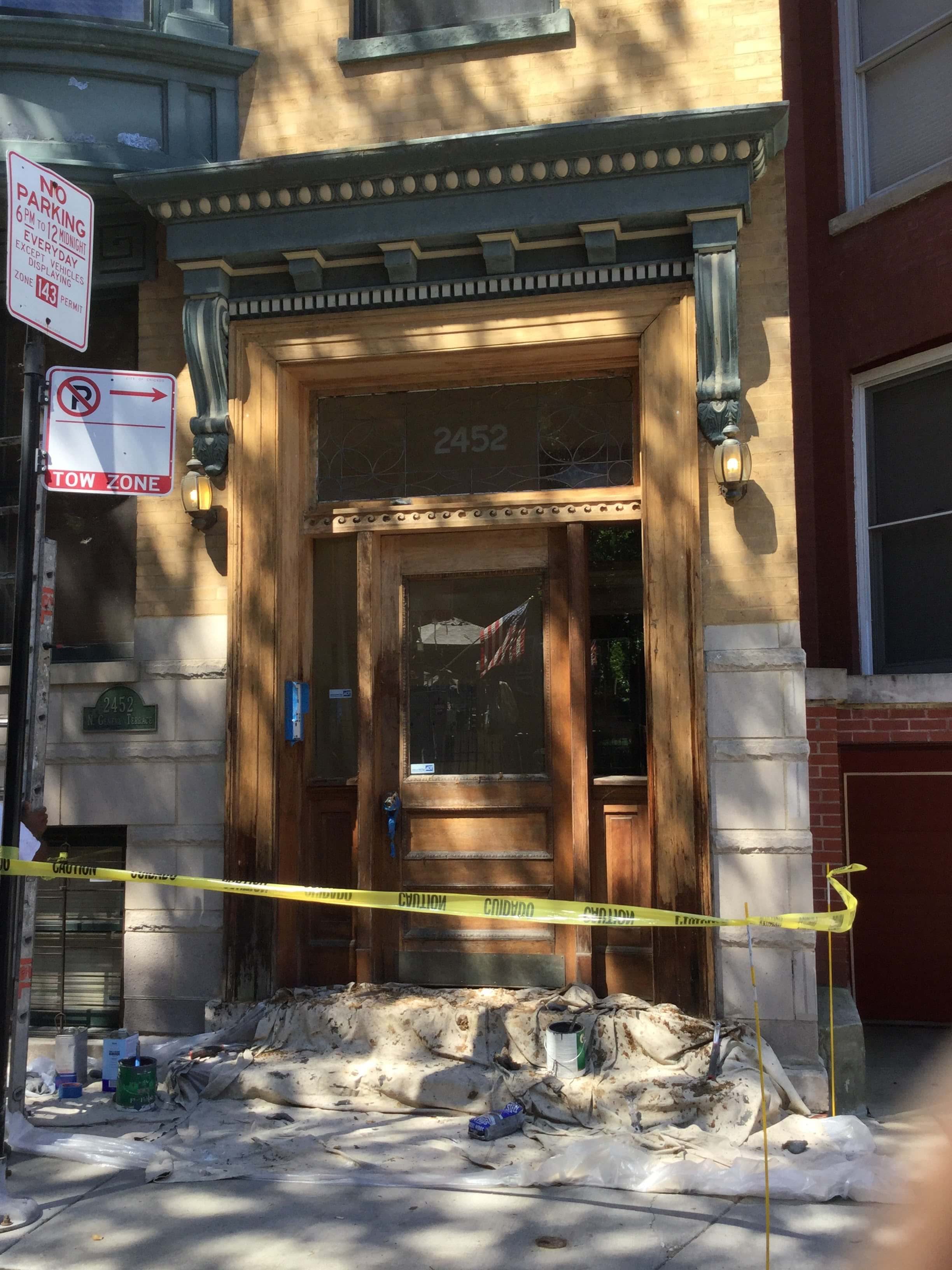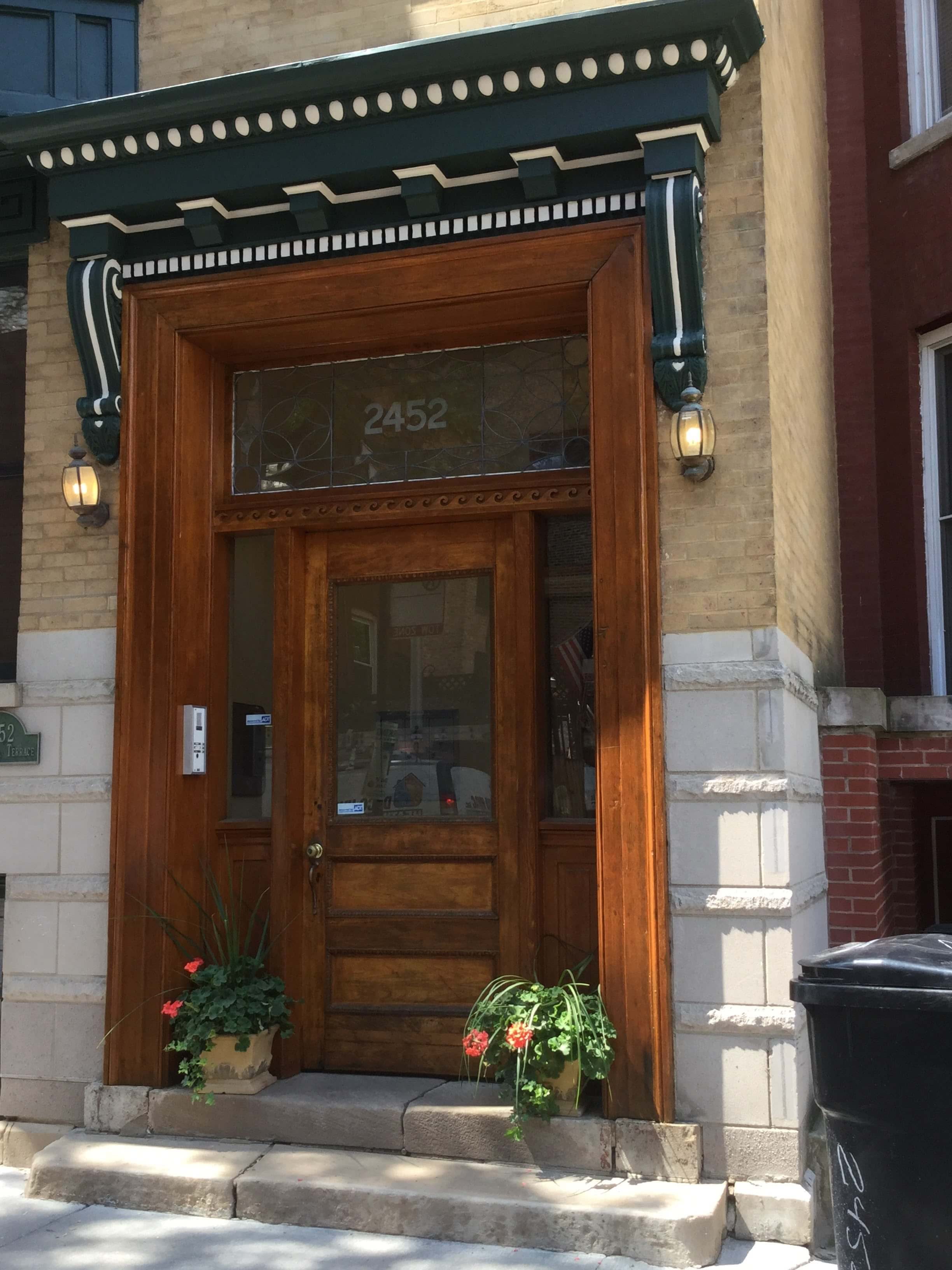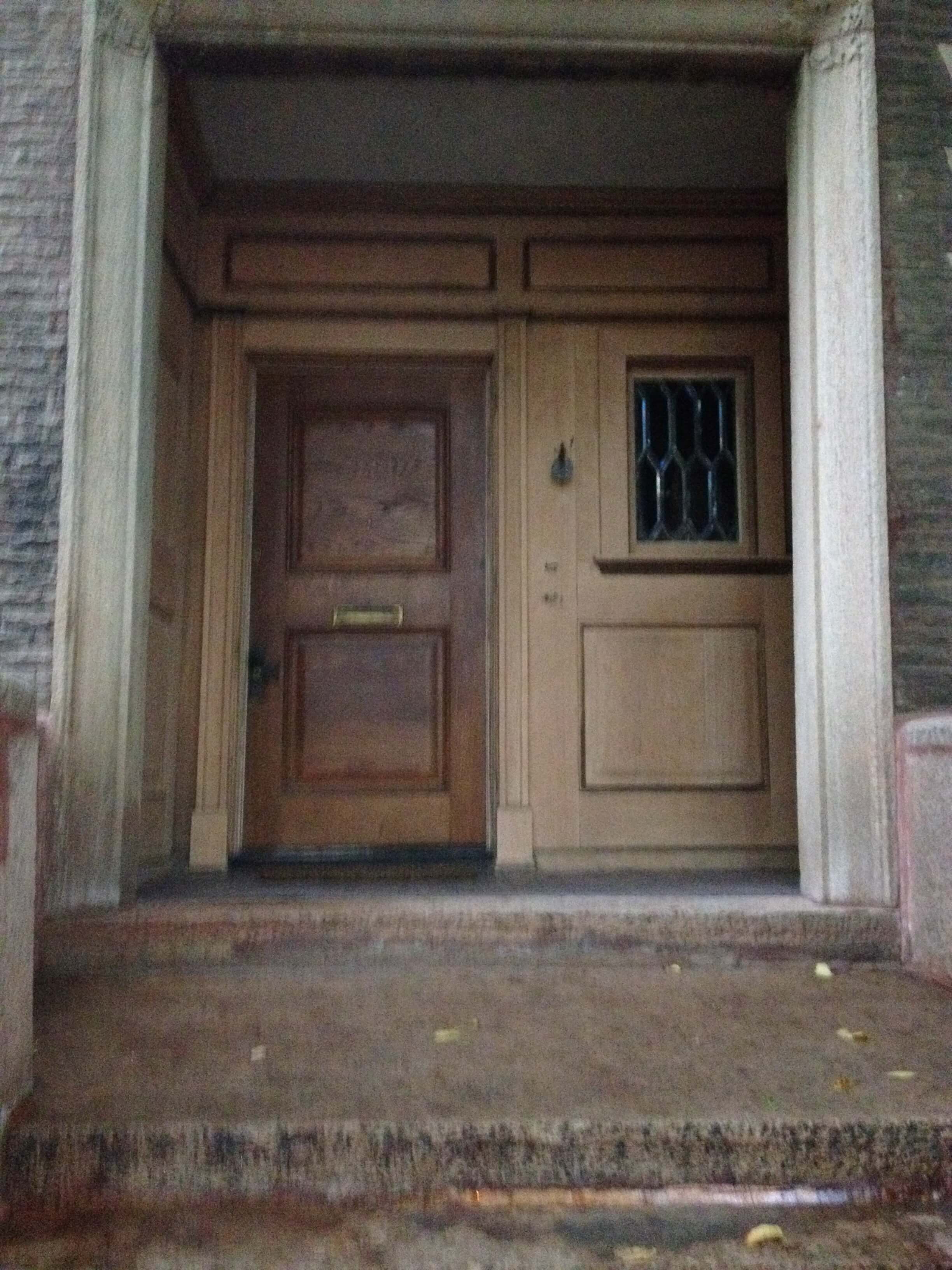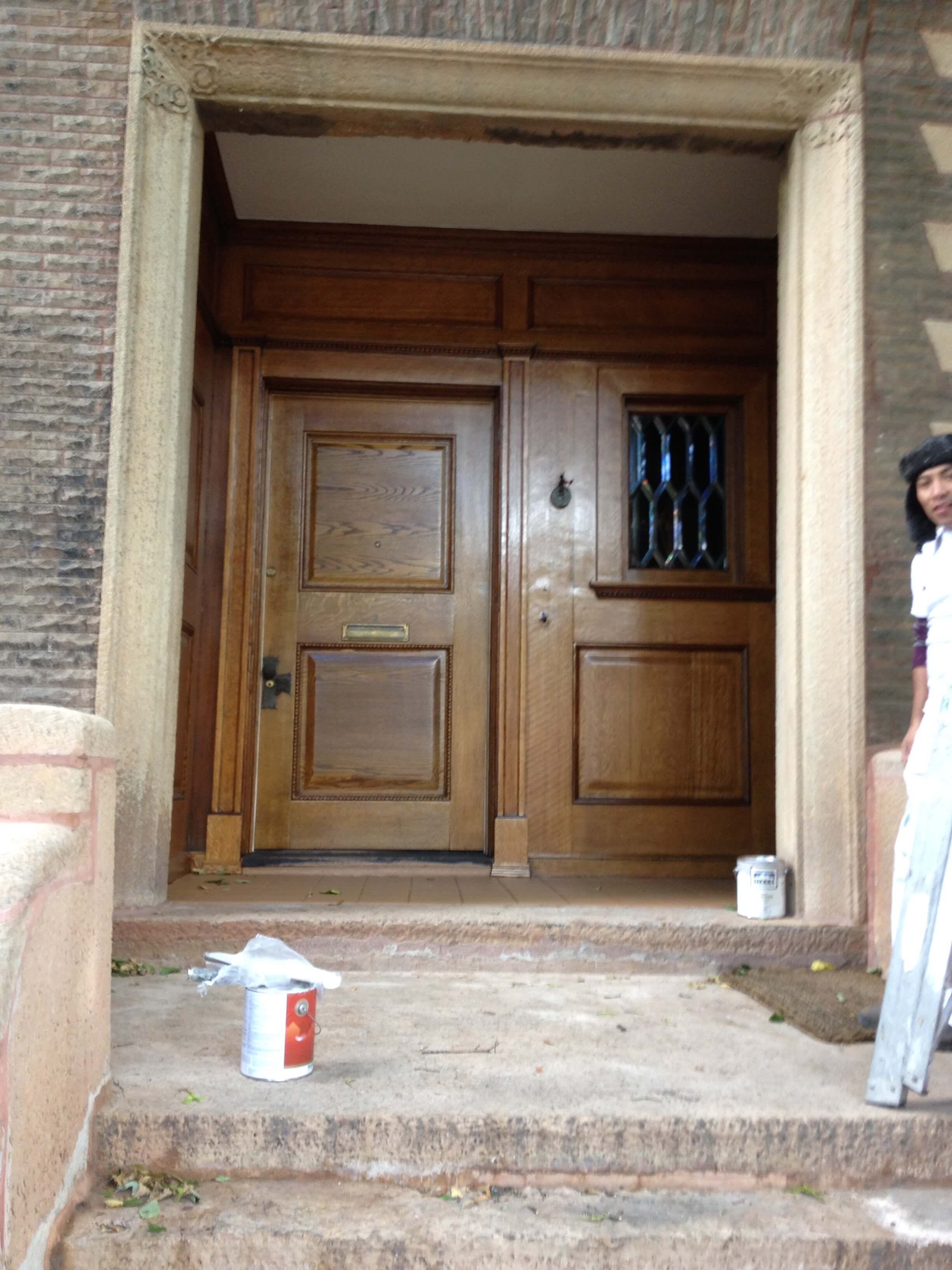

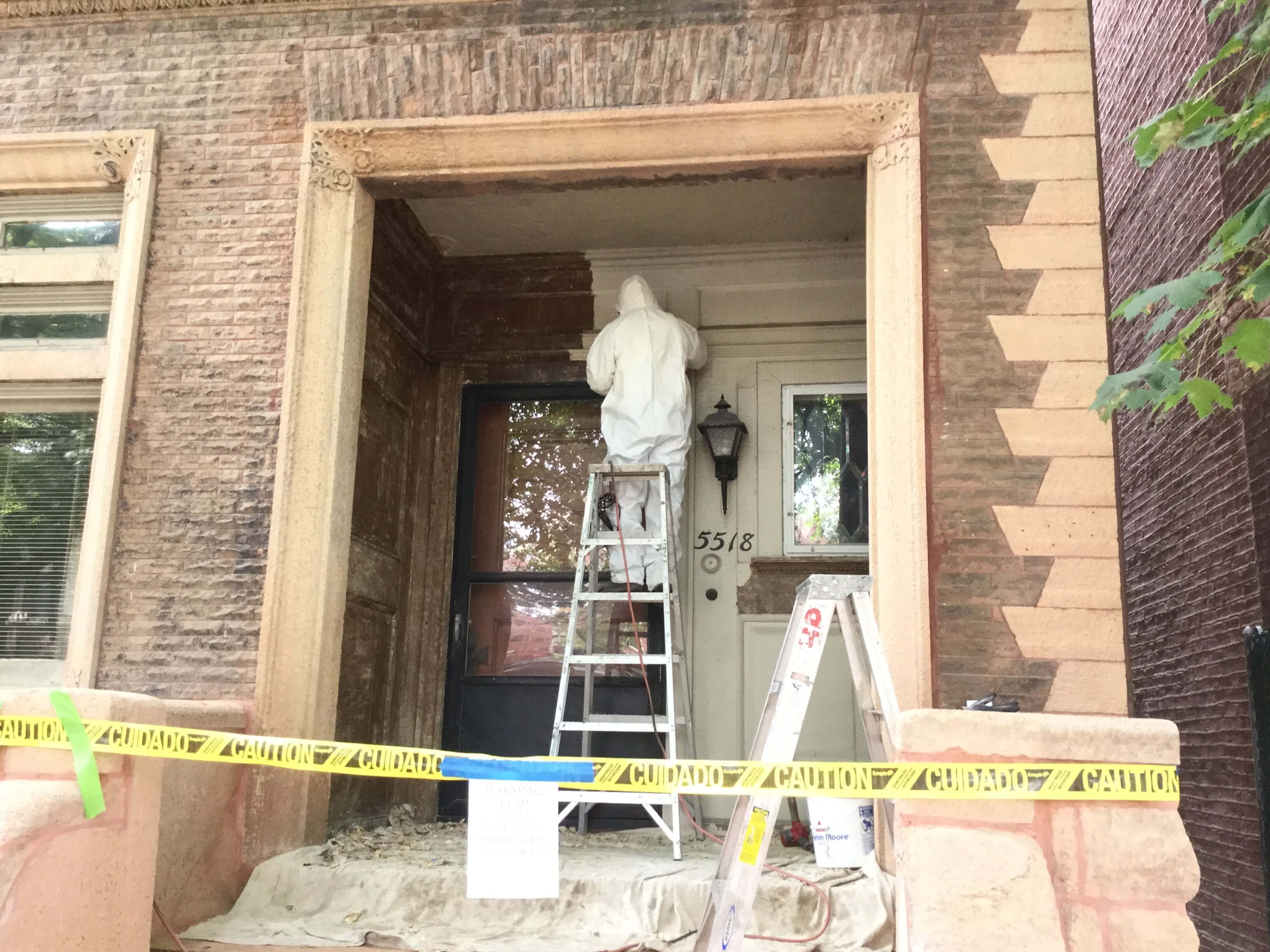
Wood Stripping & Refinishing in Chicago
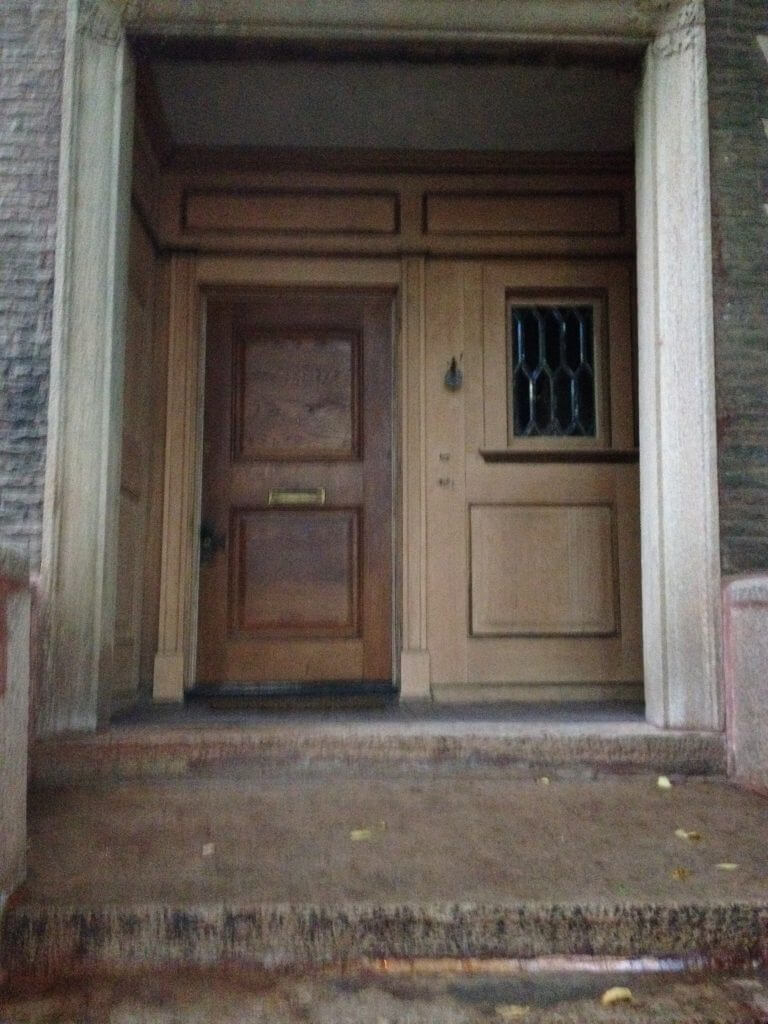
Under decades of paint accumulation in Chicago’s historic homes, there is often extraordinary woodwork waiting to be rediscovered - quarter-sawn oak doors, intricate Arts and Crafts trim profiles, hand-turned balusters, and elaborate Victorian millwork. Layers of old paint hide the detail. The paint itself becomes brittle, cracks, and obscures the grain underneath.
Fortune Restoration has been carefully stripping, repairing, and refinishing wood across Chicago’s oldest neighborhoods since 1979 - from Evanston and Winnetka to Oak Park, Hyde Park, Lincoln Park, and Old Irving Park. Whether the goal is taking original woodwork back to bare wood for a clear or stained finish, or simply removing failing paint buildup to restore lost profile detail, our team has the expertise to do it right.
Request a free wood stripping and refinishing estimate or call 847-647-2500.
Strip or Sand? Choosing the Right Approach
Not every painted wood surface needs to be stripped to bare wood. The right intervention depends on what’s failing and what the finished result needs to be.
When Stripping Is the Right Call
- Paint buildup has become so thick that profile detail is being lost - intricate millwork looking blobby or undefined
- The existing paint is failing structurally - peeling, cracking, or lifting in large areas
- You want to change the finish from paint to stain, oil, or clear coat, revealing the natural wood grain
- The substrate needs to be repaired - patching is far more effective on bare wood than over painted surfaces
- Lead paint is present and needs to be safely removed under EPA RRP protocols
When Sanding and Repainting Is the Better Option
- The existing paint is sound and adhering well - aggressive sanding and repainting is much faster and more economical
- The goal is simply to refresh the painted finish, not change it
- On exterior surfaces, stripping to bare wood requires immediate priming - if the schedule doesn’t allow follow-through, sanding and repainting may be more practical
Our estimator will walk the property with you, evaluate each surface, and recommend the right approach surface by surface - not a one-size-fits-all answer.
The Three Stripping Methods (and Their Tradeoffs)
Chemical Stripping
Paste or gel paint strippers are applied, allowed to dwell, and the softened paint is scraped off. Effective and relatively low risk to the underlying wood. Slow, labor-intensive, and requires proper disposal of stripped material. Best for detailed interior work - carved doors, intricate trim, and ornamental millwork where heat or mechanical methods would damage profiles.
Heat Stripping
Heat guns or infrared paint removers soften the paint for scraping. Faster than chemical methods on flat surfaces, but requires care near historic glass and glazing putty. Not appropriate for surfaces with lead paint due to fume generation - infrared methods used by RRP-certified contractors are an exception when applied below the lead-vaporization temperature.
Mechanical Stripping
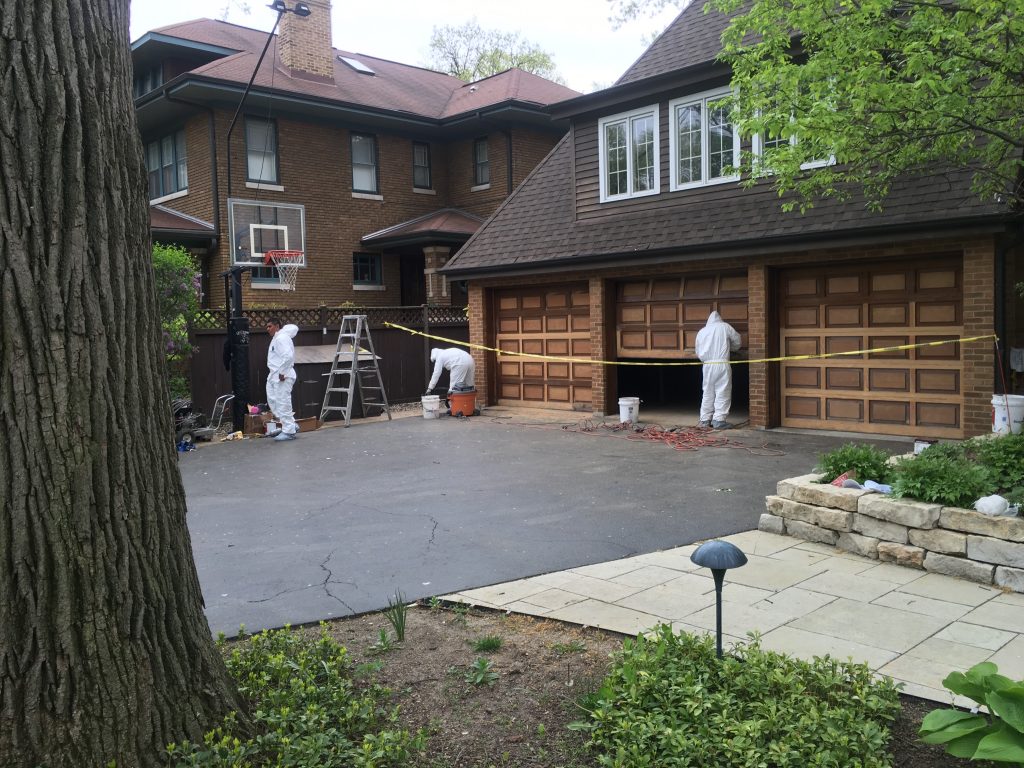
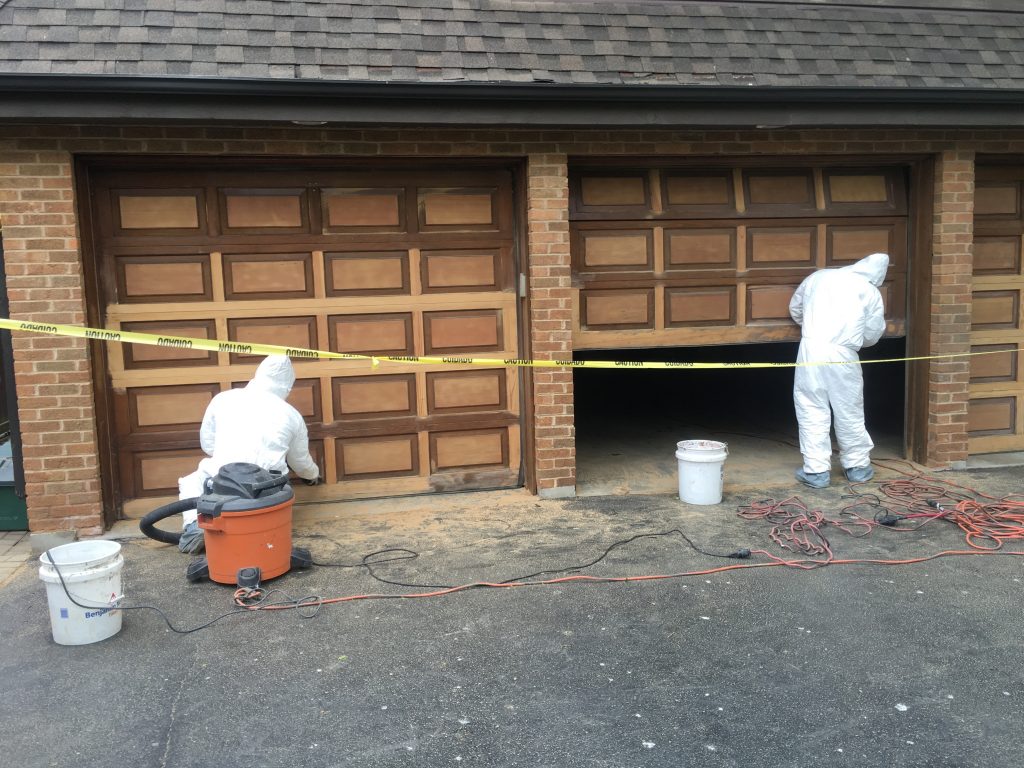
Sanders, oscillating tools, and specialty strip discs are fast but aggressive. Real risk of damaging underlying wood profiles, particularly on softwoods or detailed surfaces. Best reserved for flat stock - large painted siding panels, garage doors, or heavy paint buildup on simple geometries.
For most Chicago projects, we combine methods - chemical strippers on profiles and detail, mechanical sanding on flat areas, finishing with hand-sanding to feather and prepare for the new finish.
Lead Paint and the RRP Requirement
Chicago homes built before 1978 almost certainly contain lead-based paint somewhere in the paint buildup. The EPA’s Renovation, Repair, and Painting (RRP) Rule requires certified contractors to follow specific work practices when disturbing lead paint on pre-1978 housing - including containment, HEPA cleanup, and proper disposal of stripped material.
Fortune Restoration is EPA Lead-Safe (RRP) certified. We treat lead-safe work practices as the default on every pre-1978 project, not an upcharge or an afterthought. For property owners, this means peace of mind that the people, the property, and the surrounding environment are protected throughout the job. Learn more about our paint removal and RRP-compliant work in Chicago.
The Fortune Restoration Process
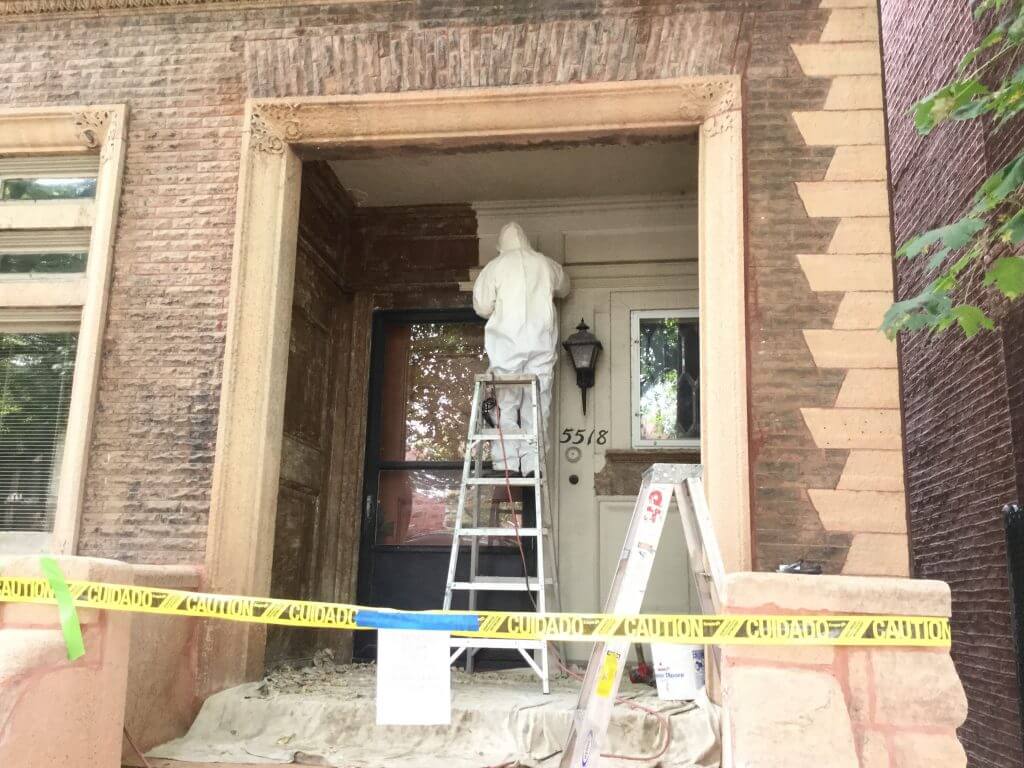
- Containment and protection. All adjacent hardware, surfaces, floors, and finished areas are masked and protected. On lead paint projects, we install full containment with plastic sheeting and HEPA-filtered air management.
- Hardware removal. Hinges, knobs, lock sets, and decorative hardware are removed, tagged, and set aside for cleaning or replacement before reinstallation.
- Stripping. Method matched to the substrate - chemical for detail, mechanical for flat stock, heat where appropriate and safe.
- Substrate repair. Once the wood is exposed, we address cracks, indentations, splits, and any rotted or damaged areas with epoxy consolidants, wood filler, or in-kind wood replacement.
- Sanding. Multiple grits, working up to a smooth, uniform surface ready to accept the new finish.
- Finishing. Paint, stain, oil, or clear coat - applied in the appropriate number of coats with proper drying time between each. We use the same disciplined preparation approach we apply to every painting project.
- Hardware reinstallation and cleanup. Original hardware is cleaned and reinstalled (or new hardware installed if the owner prefers), the workspace is thoroughly cleaned, and the project is walked through with the homeowner before sign-off.
Common Wood Stripping & Refinishing Projects
- Interior doors and door frames - especially original solid-wood doors on Chicago two-flats, greystones, and bungalows
- Window sashes, casings, and stools - restoring original profiles hidden under decades of paint
- Baseboards, crown moldings, and chair rails - particularly intricate Victorian and Arts and Crafts profiles
- Built-ins, mantles, and staircases - quarter-sawn oak banisters, Prairie-style mantles, paneled wainscoting
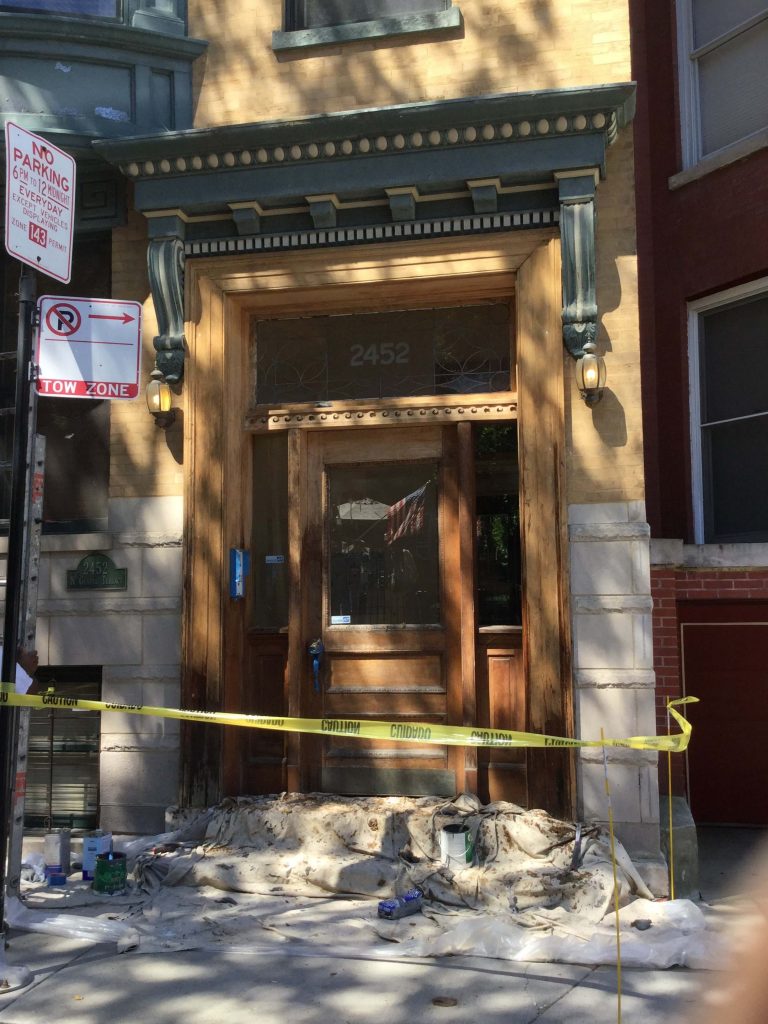
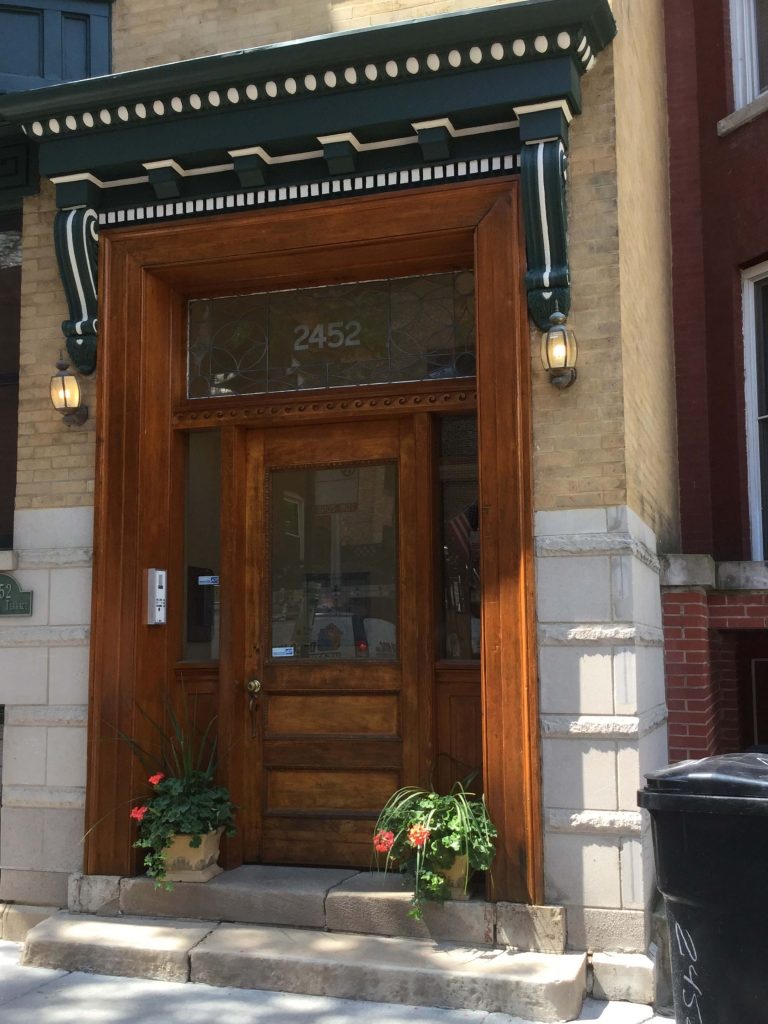
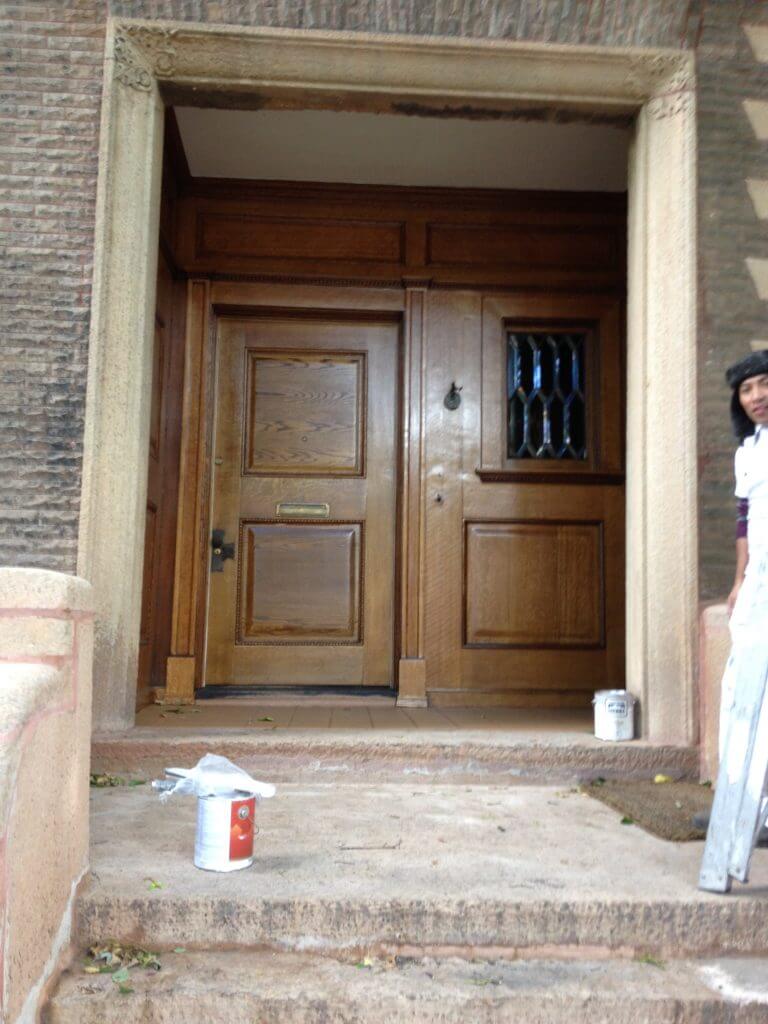
- Exterior doors and entry surrounds - weather-beaten front doors brought back to original character
- Porch columns, brackets, and decorative trim - coordinated with our porch and deck restoration and custom millwork services
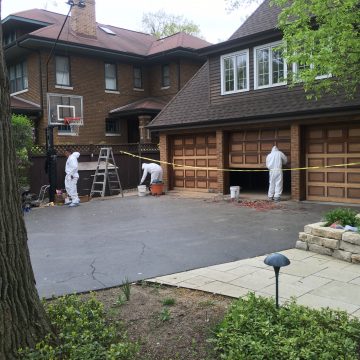
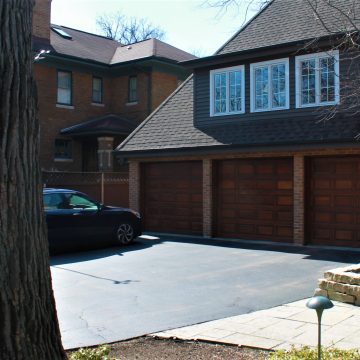
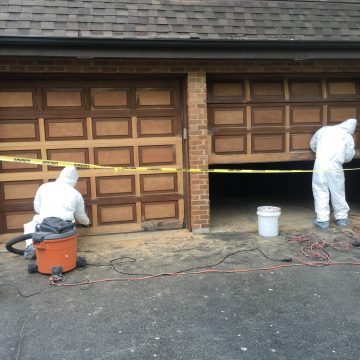
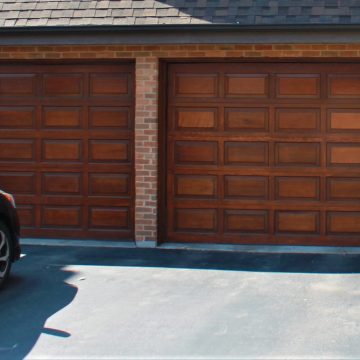
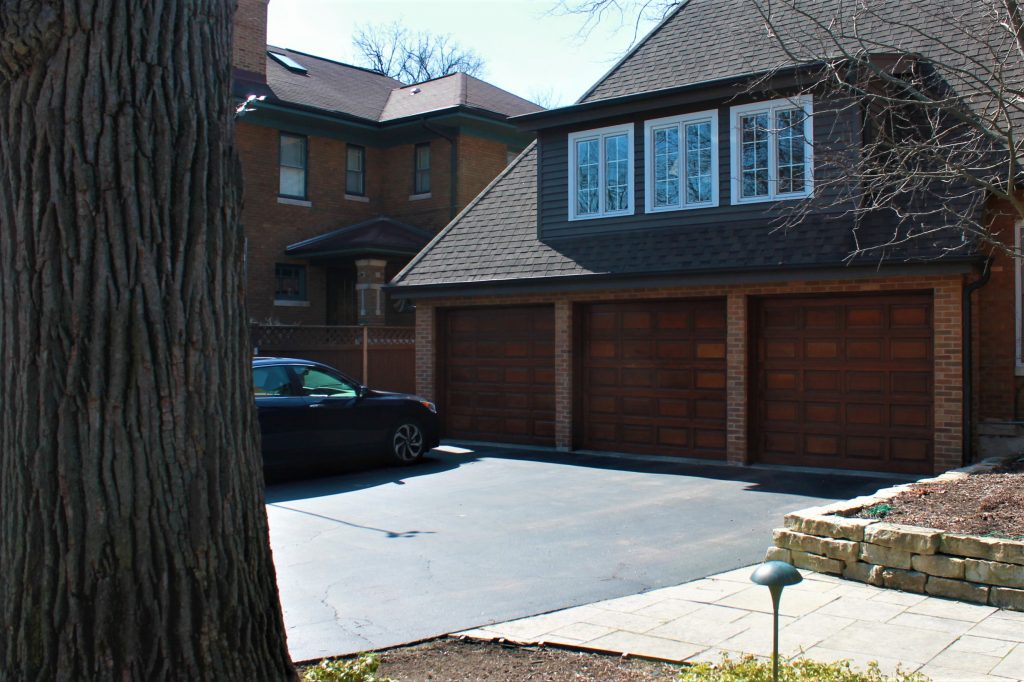
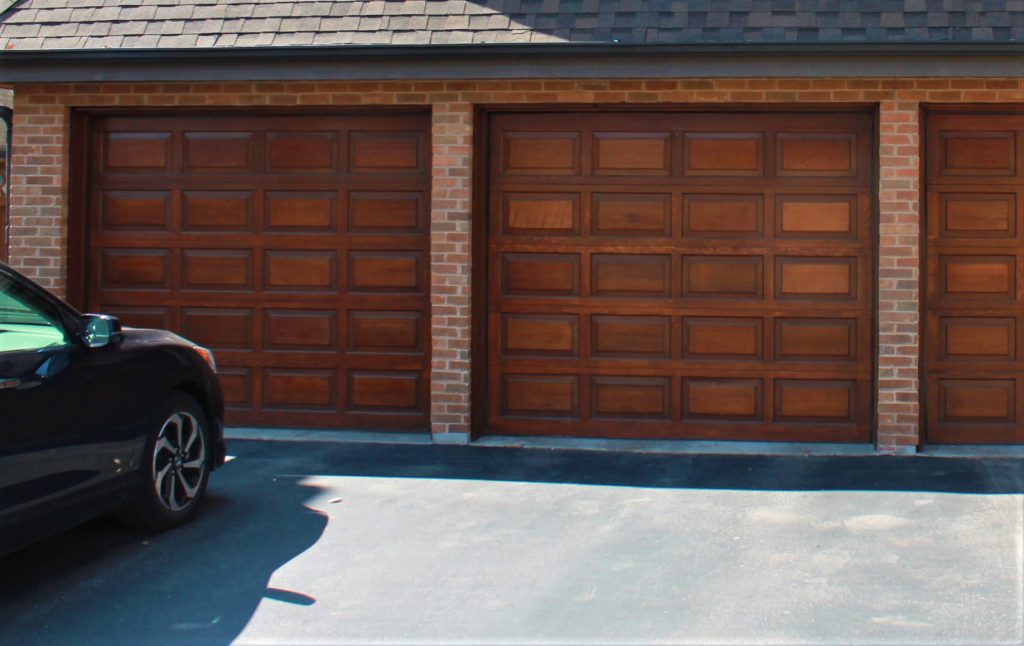
- Garage doors - original carriage-house and paneled wood doors stripped and refinished
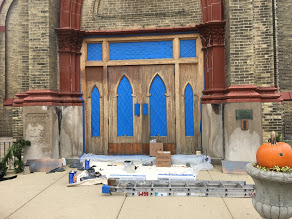
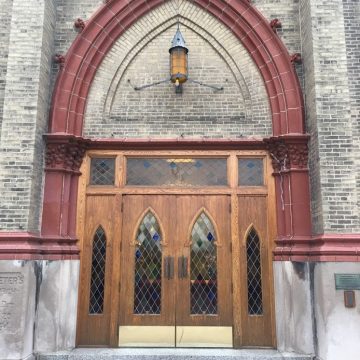
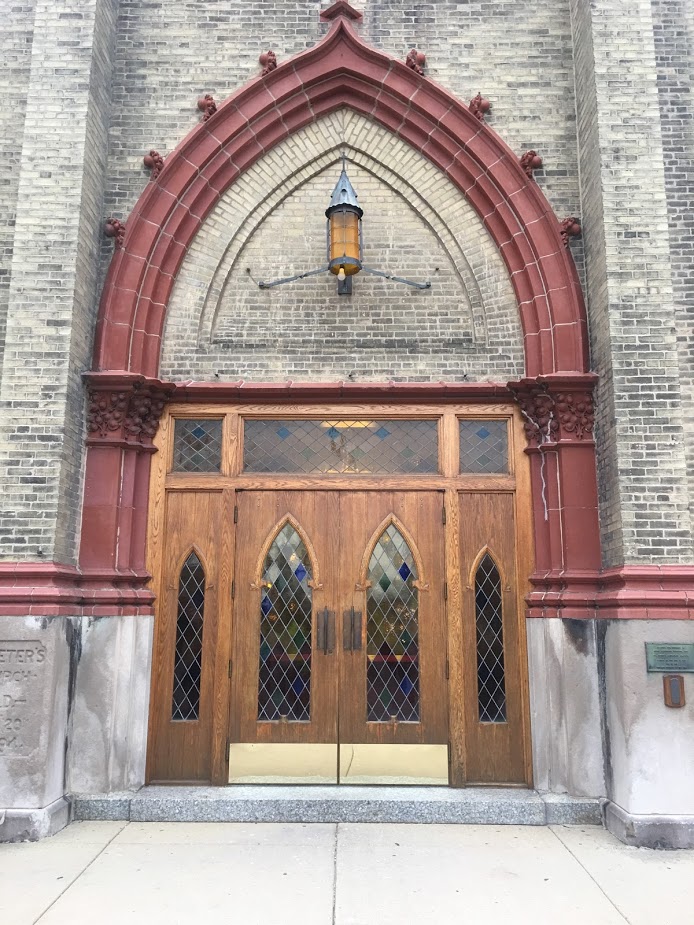
- Church and landmark woodwork - pew ends, altar rails, narthex doors, and landmark interior trim
Service Area
Fortune Restoration provides professional wood stripping and refinishing throughout the Chicagoland area, with particular experience in Chicago’s historic neighborhoods and North Shore communities:
Chicago (Lincoln Park, Hyde Park, Old Irving Park, Bucktown, Wicker Park, Beverly, Lincoln Square) · Lincolnwood · Evanston · Wilmette · Winnetka · Glencoe · Highland Park · Lake Forest · Kenilworth · Skokie · Niles · Park Ridge · Oak Park · River Forest · Hinsdale · Wheaton · Naperville · Glenview · Northbrook · Deerfield
Why Property Owners Choose Fortune Restoration
- 40+ years of experience with Chicago’s historic homes and woodwork
- EPA Lead-Safe (RRP) certified for pre-1978 properties - not optional, not an upcharge
- Licensed, bonded, and insured in the State of Illinois
- Full restoration scope - we don’t subcontract stripping to one crew and finishing to another
- Trusted on landmark properties including Frank Lloyd Wright homes, the Grosse Point Lighthouse, and the birthplace of Walt Disney
- Coordinated trades - pair stripping with interior painting, exterior painting, or carpentry repairs under a single contract
Helpful External Resources
- National Park Service Preservation Brief #28: Painting Historic Interiors - the authoritative guidance on historic wood finishing
- NPS Preservation Brief #10: Exterior Paint Problems on Historic Woodwork - diagnosing and addressing paint failure on historic surfaces
- EPA Lead Renovation, Repair, and Painting (RRP) Program - what every owner of a pre-1978 home should understand
Frequently Asked Questions
Should I strip my woodwork or just sand and repaint it?
If profile detail is being lost under thick paint buildup, the existing paint is failing, or you want to change to a stained or clear finish, stripping is the right call. If the existing paint is sound and you just want a refreshed painted finish, sanding and repainting is faster and more economical. Our estimator can walk through your home and recommend surface by surface.
How do you safely strip lead paint from historic woodwork?
Fortune Restoration is EPA Lead-Safe (RRP) certified. On any pre-1978 property, we install proper containment, use methods that don’t aerosolize lead (chemical strippers and controlled-temperature infrared, not high-heat guns or open sanding), perform HEPA cleanup, and dispose of stripped material according to EPA RRP protocols. Lead-safe work is the default on every applicable project - not an add-on.
Can painted woodwork really be restored to its natural wood finish?
In most cases, yes - though results depend on the wood underneath. Quarter-sawn oak, mahogany, walnut, and clear pine that were originally finished with shellac, varnish, or stain typically strip beautifully back to a stain-grade surface. Wood that was originally painted because it was lower-grade lumber, has been water-damaged, or has had patches and repairs may look uneven when stripped - in those cases, repainting is often the better outcome.
How long does a wood stripping and refinishing project take?
It depends heavily on scope and method. A single solid-wood front door might take 2–4 days. A whole-house interior trim and door package can range from 2 to 6 weeks. Lead paint containment, intricate profiles, and extensive substrate repair all add time. We provide a specific timeline with every written estimate.
What does wood stripping cost in Chicago?
Cost varies significantly with method, lead paint requirements, substrate condition, and the type of finish being applied. As a general benchmark, a single solid-wood door stripped and refinished typically runs $400–$1,200, and whole-house trim and door packages range from $5,000 to well over $20,000 depending on size and complexity. We provide detailed itemized estimates after an on-site assessment.
Is wood stripping a DIY project?
Small, accessible, non-lead-paint items - a single shed door, a bookcase, or a piece of furniture - are reasonable DIY projects with patience and the right products. Whole-house woodwork, anything with lead paint, and any project involving intricate historic profiles is strongly advisable to leave to professionals. The risk of damaging irreplaceable original wood (or exposing your family to lead dust) outweighs the cost savings.
Do you also handle the painting or staining after stripping?
Yes. Our wood stripping and refinishing service includes the full sequence - stripping, substrate repair, sanding, priming or sealing, and the final finish coats. Most homeowners pair this work with broader interior painting or exterior painting projects so the new wood finishes coordinate with everything else in the space.
Ready to uncover the woodwork in your Chicago home?
Call 847-647-2500 · Email info@fortunerestoration.com · Request a Free Estimate