I’ve been painting Chicago homes, condos, and apartments for a long time. Forty-plus years, to be exact. And in all that time, the same questions come up over and over from homeowners thinking about freshening up their interiors. How much does it cost? How long does it take? Can I do it myself? What paint finish should I use in my bathroom?
This guide answers all of it - in plain terms, no filler. Whether you’re planning a single bedroom refresh or a whole-home repaint in a historic greystone, this covers everything you need to know before a brush ever touches your walls. Professional interior painting services should be transparent. That’s the spirit behind this post.
Why Chicago Homes Present Unique Interior Painting Challenges
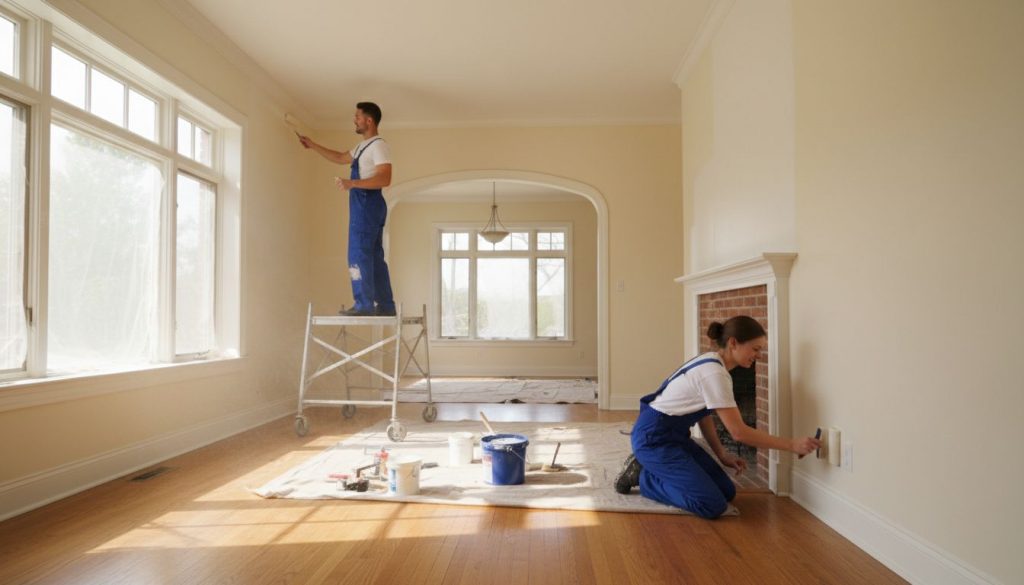
Chicago’s housing stock is one of the most varied in the country. You’ve got plaster walls in century-old two-flats that have been painted thirty times. Brand-new drywall in downtown condos. Coach houses with low ceilings. Victorian homes in Wicker Park with trim profiles so intricate it takes a brush with a half-inch tip just to cut in properly. What works in a new-construction Lincoln Park condo doesn’t always work in a 1920s Pilsen bungalow.
Plaster walls - very common in Chicago’s older residential interior painting projects - behave very differently from modern drywall. They crack more readily, they’re less uniform, and they require a specific approach to priming and finish coats if you want results that actually hold. On top of that, the city’s humidity swings between summer and winter mean paint systems get stressed in ways that climates with smaller seasonal ranges just don’t experience.
Interior painting for historic homes especially benefits from a contractor who understands these differences. Getting a smooth, professional finish on an old plaster wall or on original quarter-sawn oak trim takes experience that only comes from working in this specific type of building stock - and Chicago has more of it than almost any city in the country.
The Prep Work That Makes or Breaks Any Interior Paint Job
Here’s what most people don’t want to hear: the prep is the job. Rolling paint on the walls is actually the easiest part of the whole thing. What separates professional interior painting services from a weekend DIY project is almost entirely what happens before the roller comes out.
Drywall Patching and Wall Repair
Every crack, nail hole, screw pop, and ding gets filled before primer goes anywhere. In Chicago’s older buildings, that often means addressing settling cracks in plaster, old patch repairs that were never properly feathered, and surfaces where decades of paint layers are starting to create build-up problems at trim edges and switch plates.
We use joint compound for most repairs, applied in multiple thin coats and sanded smooth between each one. Interior wall crack repair is a skill that takes years to develop. Done right, you genuinely cannot tell the repair was ever there. Done fast and sloppy, every ding shows up under your fresh paint like a spotlight is on it - especially in rooms with good natural light.
Wall texture preparation also matters on homes with original textured plaster finishes. Matching texture across a repaired section so the patch doesn’t stick out requires both the right material and the right technique. It’s one of those things that looks easy until you try it.
Priming - The Step That Separates Good Paint Jobs From Great Ones
I can’t tell you how many homes I’ve walked into where the previous painter skipped priming walls before painting. You can always spot it - flat, dull patches where unprimed areas soaked up the paint unevenly, stains bleeding through a new finish coat, repairs that didn’t get spot-primed and now look like ghosts on the wall.
New drywall requires a PVA drywall primer. That’s not optional. This seals the paper facing uniformly so the finish coat absorbs evenly across the whole surface. Without it, you get ‘flashing’ - flat spots that look wrong and can’t be fixed without starting over. On previously painted walls, spot-prime every repair at minimum. If there’s significant staining, a dramatic color change, or surfaces with heavy porosity, full-wall priming is the call.
For stain-blocking - smoke damage, water marks, marker stains in a kids’ room - shellac-based or oil-based primers do what latex primers can’t. We’ve seen walls that needed three coats of latex primer over a smoke stain sealed cleanly with one coat of shellac. Use the right tool.
Ready to skip the prep headaches altogether? Fortune Restoration has been handling residential interior painting projects across the Chicagoland area since 1979. We’re licensed, bonded, and insured - and we treat every home like our own. Request a free estimate and we’ll walk you through exactly what your project needs, from first coat to final trim.
How to Choose the Right Paint Finish for Every Room
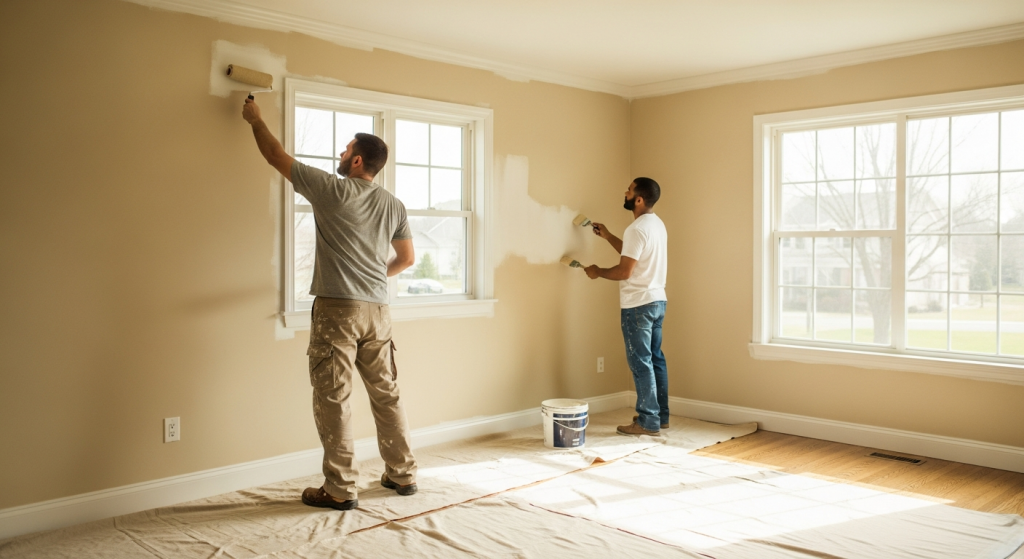
Paint finish matters more than most homeowners realize. The same color in a flat finish versus a semi-gloss looks completely different - and holds up completely differently over time. Matte, satin, eggshell, semi-gloss - these aren’t just aesthetic choices. They’re practical decisions based on how a room gets used.
Flat / Matte - The right call for ceilings and low-traffic bedrooms. Hides wall imperfections beautifully. The trade-off: it’s not washable. Fingerprints and scuffs are hard to clean without leaving a mark.
Eggshell - My personal go-to for most living room and bedroom walls. Slight sheen, more washable than flat, still soft-looking. Forgiving on walls that aren’t perfectly smooth - common in Chicago’s vintage building stock.
Satin - A step up in both sheen and durability. Good choice for hallways, family rooms, and kids’ rooms. Stands up to regular contact and repeated cleaning. Painting high-traffic areas? This is usually the minimum I’d recommend.
Semi-Gloss - Standard choice for trim and molding painting, kitchen and bathroom walls, and any space dealing with moisture or heavy use. Hard, washable, and moisture-resistant.
High-Gloss - Maximum shine and durability. Usually reserved for doors, trim work, and accent features where a dramatic look is the goal. The catch: it shows every surface imperfection clearly. Prep has to be absolutely flawless.
One thing I’d add: sheen isn’t just about durability. Glossier finishes reflect more light, which can genuinely brighten darker rooms or smaller Chicago condos. If you’re in a unit with limited natural light, bumping up one level of sheen from what you’d otherwise choose can make a real difference.
A Room-by-Room Interior Painting Guide for Chicago Homes
Living Rooms and Dining Rooms
These spaces tend to have the most complex trim work - crown molding, chair rails, wainscoting, built-ins. Color selection matters a lot here. Accent wall color ideas work well in larger living spaces when you want impact without overwhelming the room. One strong color on a feature wall, other three in a quieter neutral. Ceiling paint tips for living rooms with ceilings above 9 feet: a warm off-white rather than stark white adds warmth without compressing the space.
Bedrooms
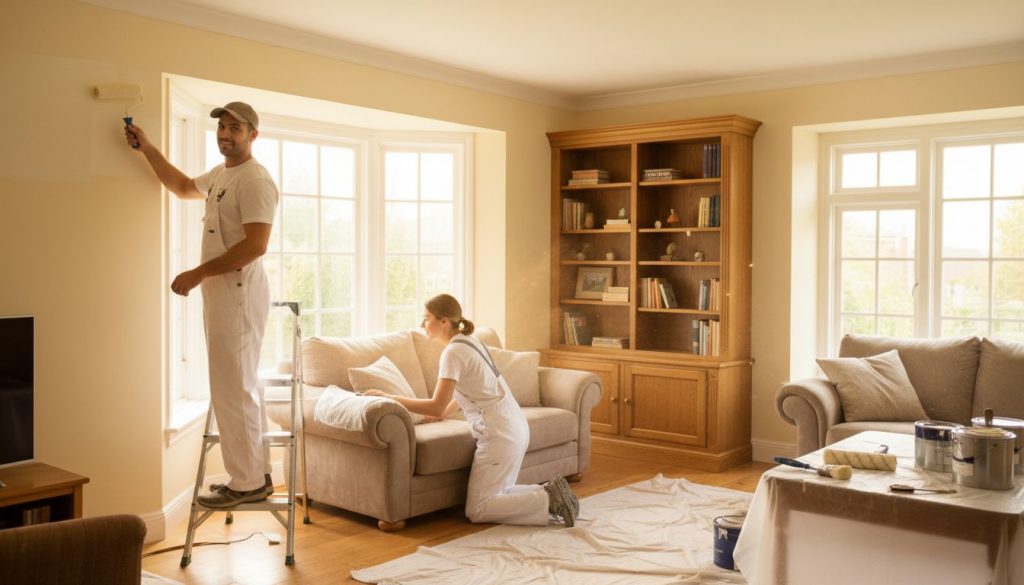
Bedroom painting ideas tend to go toward comfort and calm. Cool tones - soft blues, sage greens, warm grays - remain popular for good reason. But don’t underestimate deeper colors in rooms with good natural light. The classic Chicago greystone bedroom with tall windows handles a deep slate or forest green beautifully. Furniture protection during painting is a priority on every job - every piece gets covered or moved before we start.
Kitchen Painting Services
Moisture, grease, and heat all put extra stress on kitchen wall surfaces. Semi-gloss is the minimum I’d recommend on kitchen walls - the washability earns its keep fast. Painting kitchen cabinets is a separate process: surfaces need to be properly cleaned, deglossed, primed, and finished with a cabinet-specific formula designed to cure hard. Kitchen cabinet painting is easy to do poorly and hard to do well. The difference between a rushed job and a careful one is immediately obvious every time you open a drawer.
Bathroom Painting Tips
Bathrooms are the highest-humidity rooms in any home. Bathroom moisture-resistant paint - specifically a satin or semi-gloss formula with built-in mildewcide - is worth every extra dollar here. Standard latex paint will mold and peel in a poorly ventilated bathroom faster than almost anything else. Proper ventilation matters too. Even the best paint system will fail in a bathroom that never properly dries out between uses.
Trim, Molding, and Doors
Trim and molding painting is where professional painters really earn their keep. Cutting clean lines between wall color and white trim, brushing out smooth finish coats on door panels without brush marks, painting crown molding and cornices without drips - these take real practice. Baseboard painting specifically is easy to rush and easy to notice when it’s been rushed. We always protect hardwood floors during painting - drop cloths, rosin paper, or painter’s tape at the base depending on the situation.
Door and window frame painting with a crisp semi-gloss or high-gloss finish also requires proper prep: cleaning, light sanding, and priming any bare wood. Painting doors and trim that are already in good condition is pretty straightforward. Trim that’s been poorly painted before - with drips, brush marks, and built-up edges at panels - requires more stripping and prep before good results are achievable.
Looking for top-rated interior painters in Chicago who take the details seriously? Me and my team at Fortune Restoration handle every room, every surface, every detail - from drywall patching to final trim coats. Trusted by Chicago homeowners since 1979. Request a free estimate and see what a professional interior paint job looks like.
DIY vs. Professional Interior Painting - An Honest Take
Let me be straight: some interior painting projects are perfectly manageable as DIY jobs. A single bedroom refresh in an eggshell finish with flat walls and simple trim? Go for it. A bathroom with low ceilings and minimal trim work? Manageable for a careful homeowner with a weekend and some patience.
But DIY interior painting challenges multiply fast once complexity enters the picture. Twelve-foot ceilings. Elaborate Victorian trim profiles. A full-home repaint on a tight timeline. Dark color over light (or light over dark) that needs three even coats to come out right. These situations benefit significantly from professional work - not just in quality, but in timeline, cleanup, and the kind of disruption you’re signing up for.
There’s also the lead paint consideration. Chicago’s pre-1978 homes almost certainly have lead-based paint somewhere in the buildup. The EPA’s guidance on lead paint renovation work applies to residential painting projects in older homes, and DIY work that disturbs lead paint carries real health risks - especially for children. Fortune Restoration is fully RRP-certified and handles lead paint situations safely and in compliance with regulations.
Cost is the most common reason people try DIY. Interior painting cost per room typically runs $350–$700 professionally for an average-sized bedroom, with larger or more complex rooms going higher. But once you factor in your time, material costs, equipment rental, and the reality of repainting anything that doesn’t come out right the first time, the gap often narrows considerably.
How Long Does Interior Painting Take?
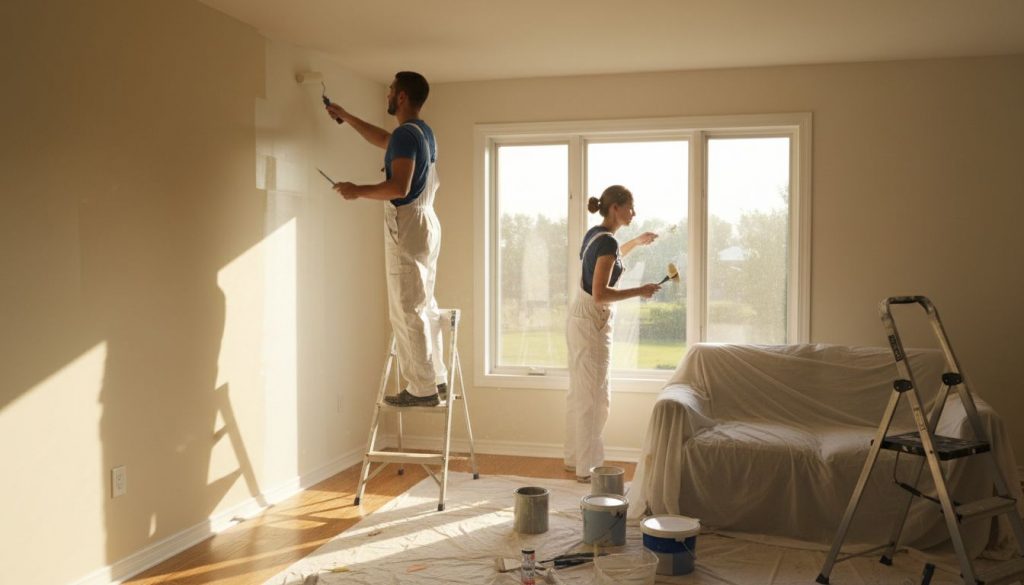
The interior painting project timeline depends on the size of the project, the extent of prep work needed, and how many colors and surfaces are involved. Here’s a practical guide:
- Single room (bedroom, home office): 1–2 days including prep and two finish coats
- Full floor of a home or condo: 2–4 days depending on room count and condition
- Full-home interior repaint: 4–8 days for most Chicago homes, longer on large or complex properties
- New construction condo buildout: 5–10 days depending on scope and finish level
Same-day interior painting services are possible for very small, limited-scope projects where prep is minimal and conditions are ideal. For anything involving significant repair work or multiple rooms, rushing the timeline is a mistake. Paint needs dry time between coats. Caulk needs to cure before it gets painted over. Shortcuts at any of these stages show up in the finished product - usually within the first year.
What Does Interior Painting Cost in Chicago?
There’s no magic number - the cost of interior house painting depends on square footage, ceiling heights, the number of colors, the complexity of trim work, and the condition of the surfaces before we start. Homes requiring significant prep work - plaster repair, interior wallpaper removal, extensive patching - cost more than homes in good condition.
General Chicago ranges to plan around:
- Single room (average): $400–$900
- Full floor or apartment unit: $1,500–$4,000
- Whole-home interior repaint: $4,000–$12,000+
- New construction buildout: typically $1.50–$3.50 per square foot depending on finish level
The right way to get an accurate number is to have someone actually look at your space. Any estimate given over the phone without a site visit is just a guess. We offer free, no-pressure estimates - that means actually walking your home, looking at the surfaces, and giving you a real number with a real scope of work attached to it.
Wondering what your project would actually cost? Don’t guess. Request a free estimate from Fortune Restoration - we’ll come take a look and give you a clear, detailed number. No pressure, no surprises.
What to Look for When Hiring an Interior Painter in Chicago
Not all interior painting companies are the same. Here’s what actually matters when you’re evaluating contractors:
Licensed and insured interior painters - This is non-negotiable. Ask for proof of liability insurance and workers’ compensation coverage before any work starts. If a painter can’t produce certificates on request, keep looking. Fortune Restoration is fully licensed in Illinois, bonded, and insured.
Years of experience - On complex projects - historic homes, elaborate Victorian millwork, plaster walls, new construction buildouts - experience is not interchangeable. I’ve been in this trade for over 40 years, and the difference between a painter who’s done 50 projects and one who’s done 5,000 shows up clearly in the details.
Customer reviews - Check Google and ask for references on comparable projects. Customer reviews for painters tend to be honest - people tell the truth about contractors, and specifically about whether they showed up, communicated, and cleaned up properly.
Transparency about prep - Ask any prospective contractor specifically about their prep process. A contractor who talks mainly about the paint brand and not about their prep work is telling you something. Prep is where the quality lives.
Clear written proposals - Vague proposals lead to misunderstandings and disputes. A professional interior painting company provides a detailed written scope of work listing surfaces to be painted, number of coats, products to be used, and what prep is included.
For more on our process, see our interior painting service page or explore the full range of our residential painting services.
Low-VOC and Eco-Friendly Interior Paint Options
Indoor air quality matters, especially in a city where windows stay closed for months at a time. Volatile organic compounds (VOCs) in conventional paints can off-gas for days or weeks after application. The EPA’s information on VOCs and indoor air quality is worth reading if you have children, pets, or household members with respiratory sensitivities.
Eco-friendly interior paint options have improved significantly in the last decade. Most major manufacturers now offer zero-VOC or low-VOC formulas that perform comparably to conventional products - better adhesion, better washability, and genuinely lower off-gas. We can spec low-VOC interior paints on any project. Just ask when you reach out for an estimate.
Interior Painting for Chicago’s Historic Homes
Chicago has an extraordinary inventory of historic residential buildings - bungalows, greystones, Prairie-style homes, Victorian two-flats. Interior painting for historic homes comes with its own set of challenges and its own kind of reward.
The woodwork in these buildings is often extraordinary - quarter-sawn oak, intricate Arts and Crafts profiles, elaborate Victorian millwork - but it’s frequently buried under layers of paint that have obscured the original detail. Our wood stripping and refinishing service is specifically designed to recover that original character. Stripping back to bare wood, repairing any damaged profiles, and refinishing in a period-appropriate approach transforms a space in a way that simple repainting can’t.
Old plaster walls need different preparation techniques than modern drywall. Hard-coat plaster can be sanded more aggressively; softer lime-based plasters need gentler treatment to avoid causing more damage than you’re repairing. Color selection for historic homes also benefits from a bit of research - paint archaeology (scraping samples to original layers) can reveal what the building’s authentic colors actually were. The National Park Service’s guidance on painting historic wood surfaces is a helpful resource for homeowners interested in historically appropriate approaches.
If you’re planning to repaint as part of a broader project, our color testing service helps make sure interior and exterior color directions work together before gallons of paint are committed.
Own a historic Chicago home? We’ve worked on everything from Oak Park Prairie-style homes to Pilsen two-flats to Gold Coast greystones - and we understand what it takes to paint them right. Request a free estimate and let’s talk about what your home needs.
Frequently Asked Questions About Interior Painting in Chicago
How long does interior paint last before it needs to be redone?
In most rooms, a quality interior paint job lasts 7 to 10 years with normal wear and cleaning. High-traffic areas - hallways, kitchens, kids’ rooms - may need attention sooner, around 5 to 7 years. Proper surface prep and a quality paint product extend that significantly. A rushed job on poorly prepped walls often shows signs of wear within 2 to 3 years.
What’s the best time of year for interior painting in Chicago?
Interior painting can happen year-round - it isn’t weather-dependent the way exterior work is. That said, spring and fall tend to work well for scheduling since windows can be opened for ventilation without extreme cold or heat. Summer works fine for most interior projects; winter painting is completely doable but requires that the heating system be running properly to maintain paint-friendly temperatures.
Do I need to move all my furniture before painters arrive?
For most interior painting projects, we ask that the center of rooms be cleared and that small items, art, and valuables are removed. Large furniture can typically be moved away from the walls and covered in place. We handle all the protection from there - drop cloths and furniture covers are part of the process, not an extra.
Can you match my existing paint color?
Yes, in most cases. Modern color-matching technology at paint stores is highly accurate. If you have the original paint can (or the color name and brand), that’s the most reliable route. We can also scan existing wall surfaces for a close match when the original paint information isn’t available. The results are usually very good - usually close enough that you wouldn’t notice in normal lighting.
How many coats of paint does a typical interior job need?
Two coats is standard on most interior painting projects - one coat to establish coverage and one to complete it. Some color changes (especially dark over light or light over dark) may require three coats for even, uniform coverage. Going from one white to a similar white with the same sheen is occasionally achievable in one coat on a well-primed surface, but we don’t promise that as a baseline.
What’s the difference between brush, roller, and spray painting for interiors?
Each tool has its place. Rollers are the workhorse for large flat wall surfaces - fast and efficient. Brushes are essential for trim work, cutting in at ceilings and corners, and any detail work. Spraying is fast for large open areas (especially on new construction) but requires extensive masking to protect everything nearby. Professional painters use all three depending on the surface and the situation. Most residential interior painting uses a combination of roll-and-brush rather than spray, which minimizes masking time and works better in occupied homes.
Is Fortune Restoration licensed, bonded, and insured for interior painting work?
Yes. Fortune Restoration is fully licensed in Illinois, bonded, and carries comprehensive general liability and workers’ compensation insurance. We’re happy to provide insurance certificates on request before any work begins. We’re also RRP-certified for lead paint work in pre-1978 homes. These credentials matter - they protect you as a homeowner and they reflect our commitment to running a professional operation.
Ready to Get Started?
Fortune Restoration has been trusted with Chicago homes and buildings since 1979 - over 40 years of interior and exterior painting, masonry work, and restoration across the Chicagoland area. We’re licensed, bonded, and insured, and we back every project with the kind of experience that only comes from doing this work at scale, in this city, for this long.