
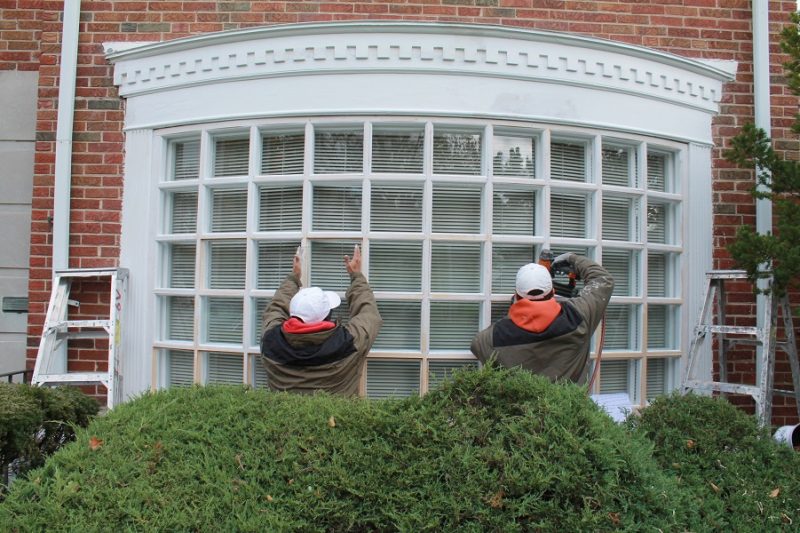
Glass Pane & IGU Replacement Without Replacing the Whole Window
A cracked pane, a broken sash glass, or a fogged double-pane window does not require a full window replacement - it requires glass-only replacement, which typically costs 50–80% less. If the frame, sash, and hardware are sound, swapping the glass alone preserves the original window, the architectural character of the home, and most of the budget.
Fortune Restoration has been replacing glass and re-glazing windows on Chicagoland homes since 1979 - from original wavy-glass sashes in Lincoln Park greystones and Oak Park Prairie homes to thermal-pane IGUs in newer construction throughout Winnetka, Wilmette, Kenilworth, and Hyde Park. Whether you’ve got a single broken pane from a stray branch, a failed seal on a double-pane unit, or an entire historic home that needs careful re-glazing, our master carpenters and glaziers handle the job.
Request a free glass replacement estimate →
Glass Replacement vs. Window Replacement: Which Do You Actually Need?
Glass replacement keeps your existing frame and sash; window replacement removes and replaces the entire unit. The right choice depends on the condition of the frame, not just the condition of the glass.
| Choose Glass Replacement When… | Choose Window Replacement When… |
|---|---|
| Frame and sash are structurally sound | Frame is rotted, warped, or out of square |
| Hardware (locks, balances, sash cords) still works | Hardware is broken beyond economical repair |
| Only the glass is cracked, broken, or fogged | The window is drafty across the entire perimeter |
| You want to preserve original wood windows on a historic home | You want to upgrade from single-pane to a modern triple-pane unit |
| Budget is a factor - glass-only saves significant money | Multiple windows on the home are failing at once |
Not sure which one fits your situation? We assess the full window during the estimate and recommend the most cost-effective path - repair, glass-only, or full replacement.
Glass Replacement Services We Provide
- Broken pane replacement - single broken or cracked panes from impact, storm damage, or thermal stress
- Fogged double-pane (IGU) replacement - replacement of insulated glass units where the perimeter seal has failed and condensation has formed between the panes
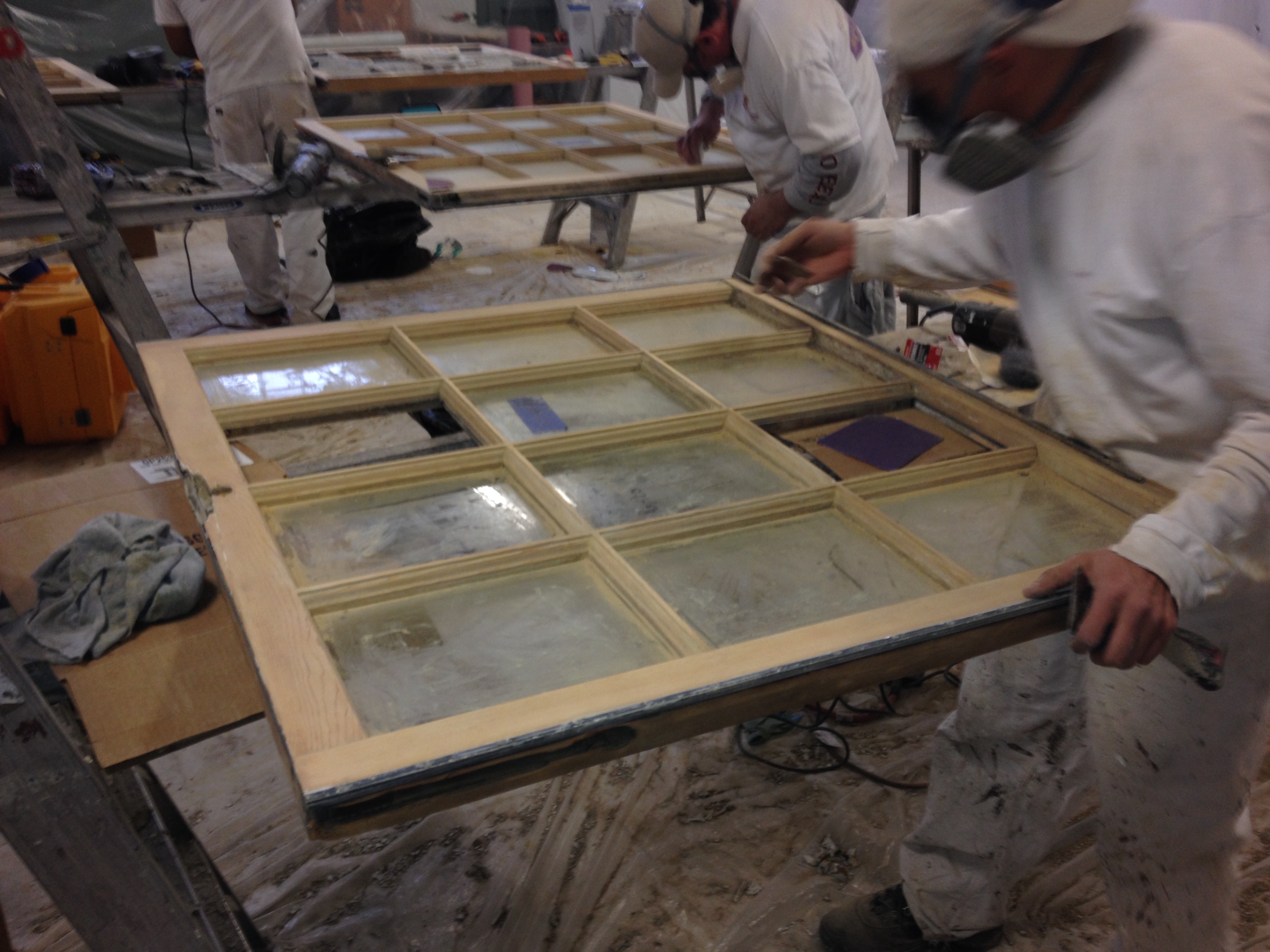
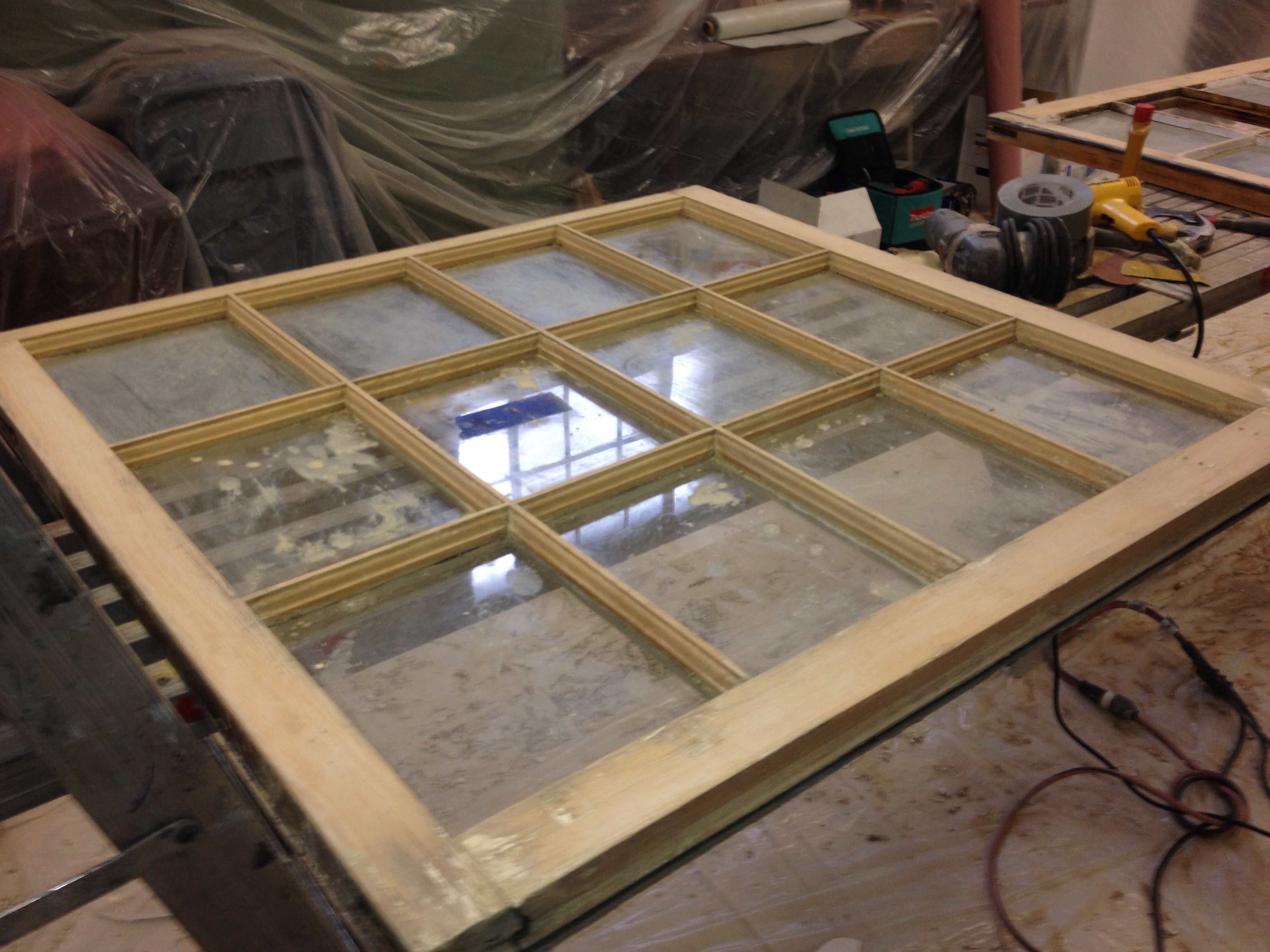
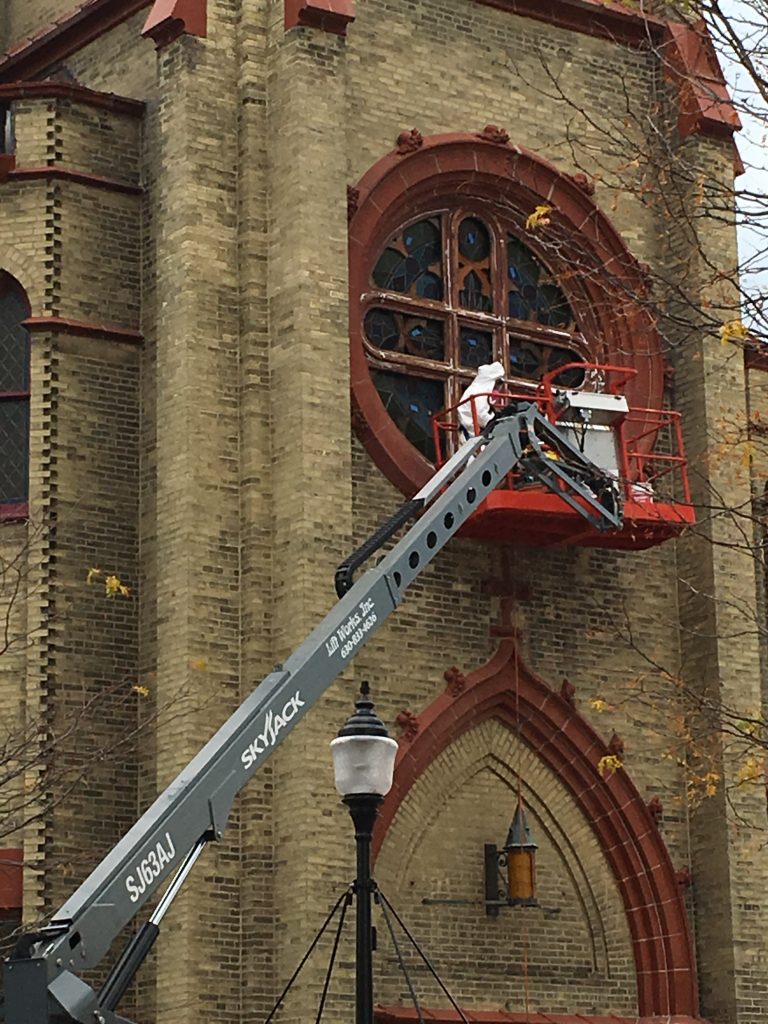
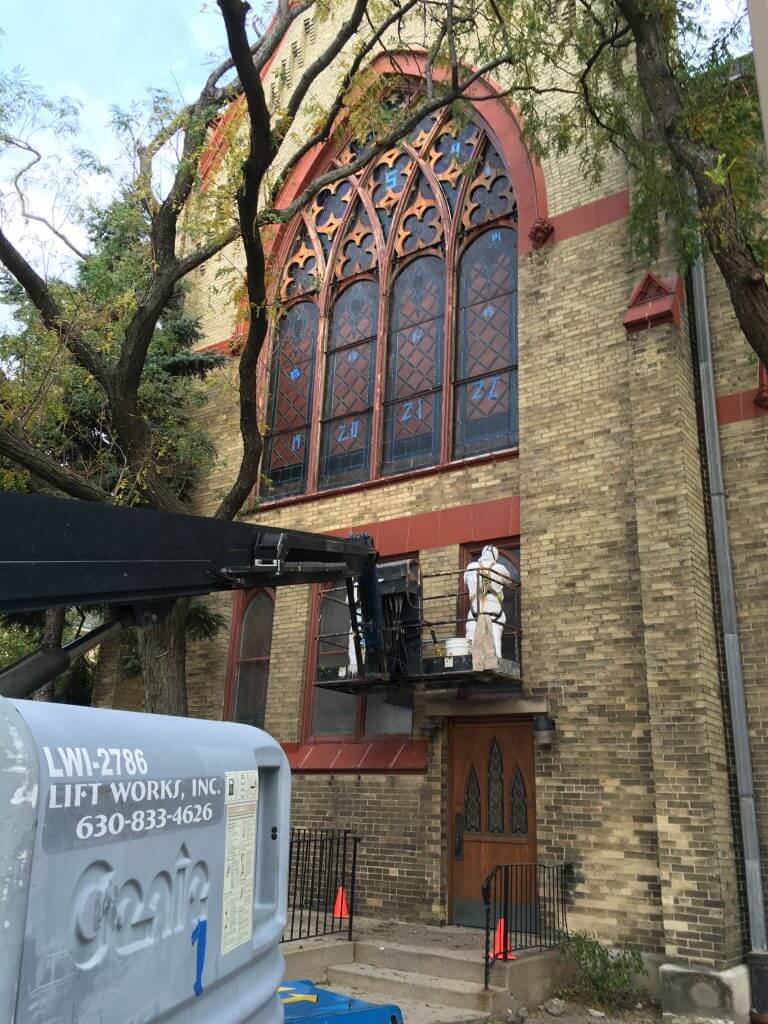
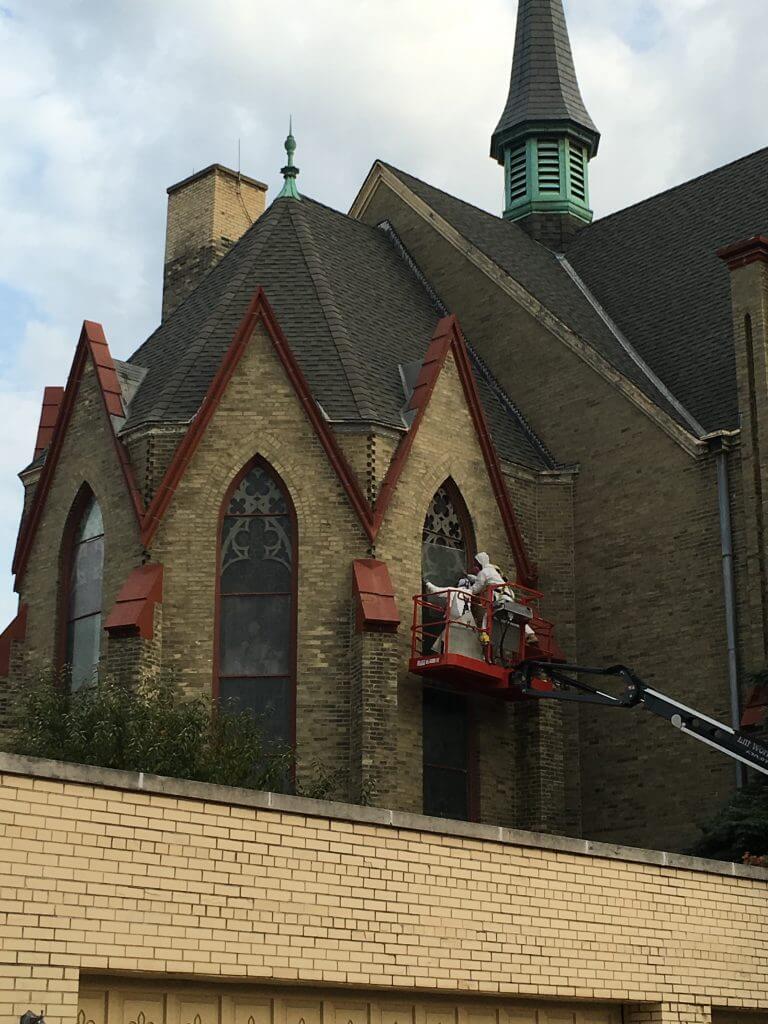
- Historic single-pane re-glazing - careful removal and replacement of original glass, plus fresh glazing putty, on original wood windows
- Custom-shape glass - arched, oval, half-round, transom, sidelight, and other non-rectangular panes
- Safety glazing (tempered & laminated glass) - code-compliant glass in hazardous locations per CPSC 16 CFR 1201
- Low-E and energy-efficient IGU replacement - upgrading existing fogged double-panes to modern low-emissivity IGUs
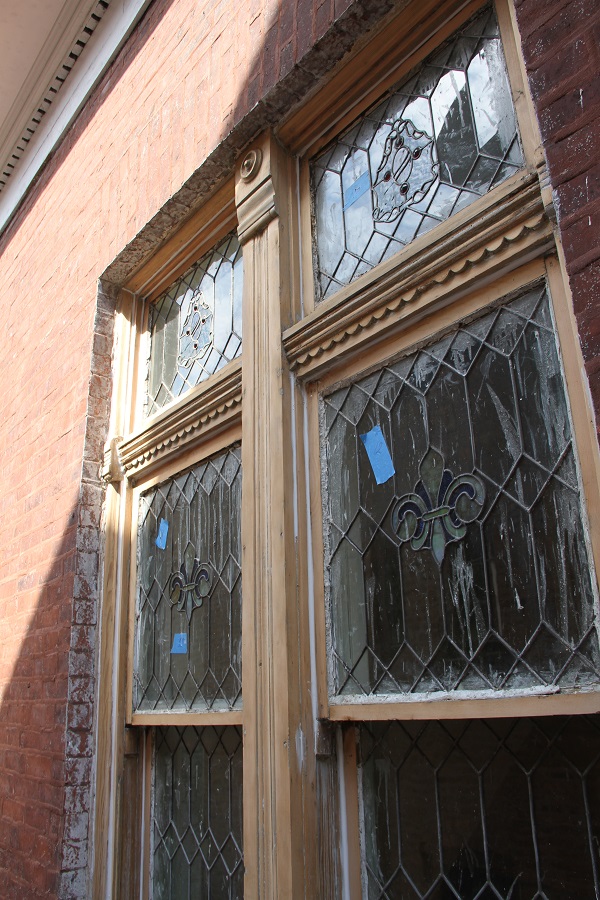
- Decorative & stained glass repair coordination - leaded, beveled, and stained glass repair on historic homes
- Storm window glass replacement - for interior and exterior storms
When Glass-Only Replacement Is the Right Call
The most common situations where Chicago homeowners think they need new windows but actually only need new glass:
1. Condensation or Fog Between the Panes
Visible condensation, fog, or hazy buildup between the two panes of a double-pane window means the perimeter seal has failed. The insulating gas (typically argon) has leaked out and humid air has entered. The good news: only the insulated glass unit (IGU) needs to be replaced - the sash, frame, and hardware stay. Per the Insulating Glass Manufacturers Alliance, IGUs typically have a 15–25 year service life in residential applications, after which seal failures become increasingly common.
2. Cracked or Broken Single Panes
A cracked pane from a stray branch, a thrown stone, or a thermal stress fracture is almost always a glass-only repair. The cost is a fraction of full window replacement, and the original window character is preserved.
3. Historic Wavy Glass That Needs Repair
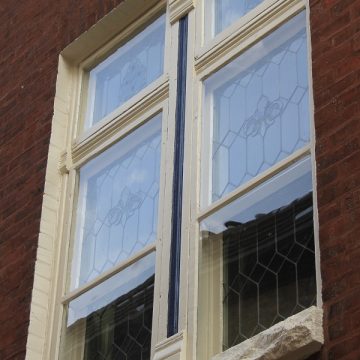
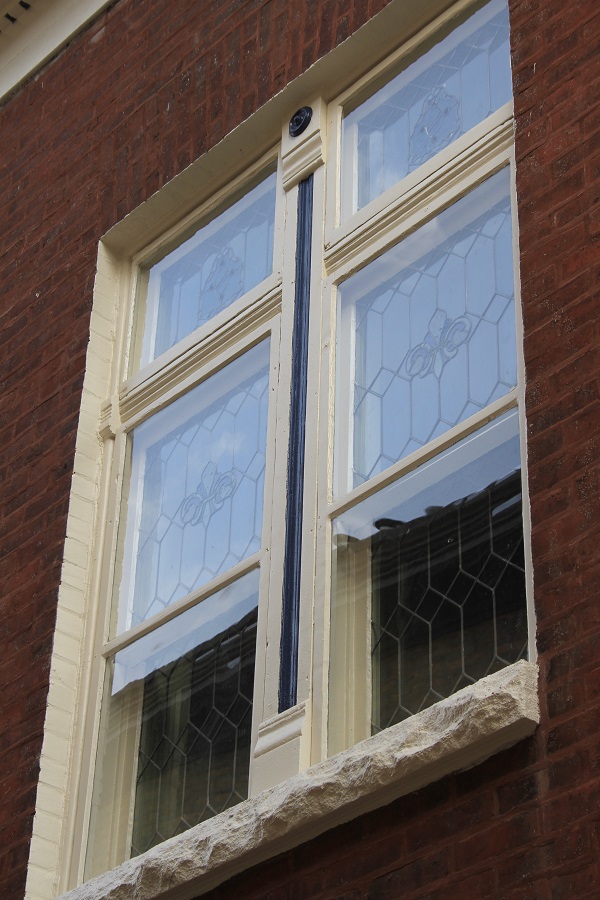
Original cylinder or crown glass in pre-1920 Chicago homes has a distinctive wavy, slightly imperfect quality that modern float glass cannot replicate. When a single pane breaks, we source restoration glass that approximates the original - preserving the irreplaceable character of the home. The U.S. National Park Service’s Preservation Brief #9 on historic wooden windows is the definitive technical reference for this kind of work.
4. Failed Glazing Putty on Original Wood Windows
The glazing putty (or compound) that holds glass in original wood window sashes hardens, cracks, and falls out over decades. Re-glazing involves removing the old glass, cleaning the rabbet, applying fresh putty, re-setting the glass, and finishing - extending the life of the original window by another 20–40 years.
Types of Glass We Install
The right glass depends on the location, code requirements, and performance goals:
- Single-pane float glass - for historic windows where original aesthetics matter most. Lowest cost; lowest thermal performance.
- Single-pane restoration glass - slightly wavy, hand-blown style glass that mimics historic cylinder glass for pre-1920 homes.
- Double-pane insulated glass units (IGUs) - two panes with a sealed gas-filled cavity. The standard for modern thermal performance.
- Triple-pane IGUs - three panes for maximum thermal performance in Chicago’s Climate Zone 5.
- Low-emissivity (low-E) glass - microscopic coating that reflects infrared heat. Per National Glass Association performance data, low-E coatings can reduce heat loss by 30–50% compared to clear glass.
- Tempered (safety) glass - heat-treated to be 4–5x stronger than standard glass; breaks into small pebbles rather than sharp shards. Required by code in specific locations.
- Laminated glass - two glass layers bonded with a plastic interlayer. Holds together when broken. Used for security, sound dampening, and skylight applications.
- Obscure / privacy glass - textured or frosted glass for bathrooms, entry sidelights, and stairwell windows.
Safety Glazing: What Chicago Code Requires
The U.S. Consumer Product Safety Commission requires tempered or laminated safety glass in specific “hazardous locations” under federal regulation 16 CFR 1201. The City of Chicago Building Code adopts these requirements. Common locations where safety glazing is mandatory:
- Within 24 inches of a door, in a fixed or operable panel
- In any glazing panel larger than 9 square feet with the bottom edge within 18 inches of the floor
- Within 60 inches of a tub, shower, sauna, or steam room floor
- Adjacent to stairways, ramps, and landings, where the glazing is within 60 inches of the walking surface
- In storm doors, French doors, and patio doors
The Consumer Product Safety Commission maintains the federal safety glazing standards that apply nationwide. We always replace glass in these locations with code-compliant tempered or laminated glass - never with standard annealed glass.
Historic Glass Replacement for Vintage Chicago Homes
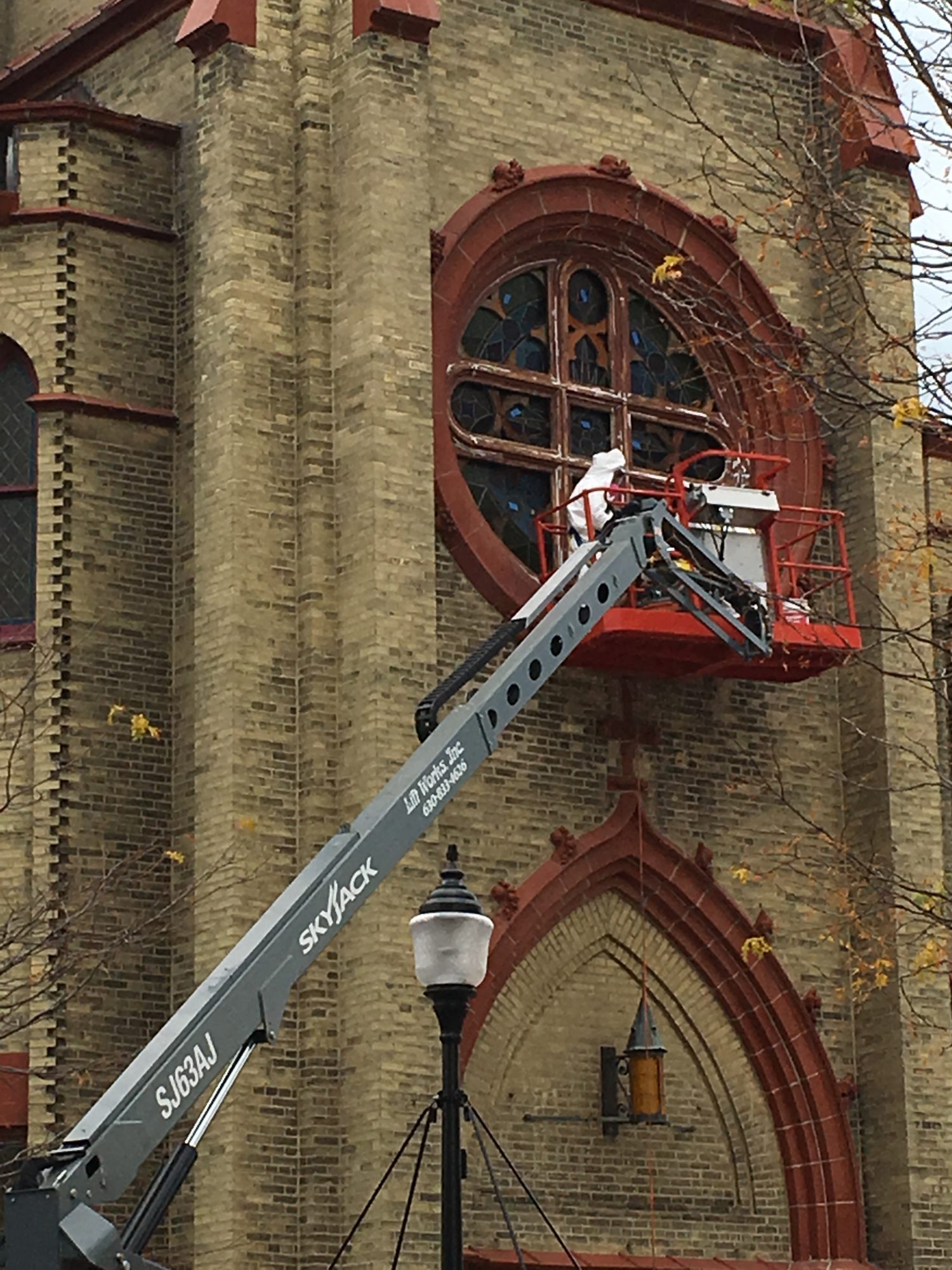
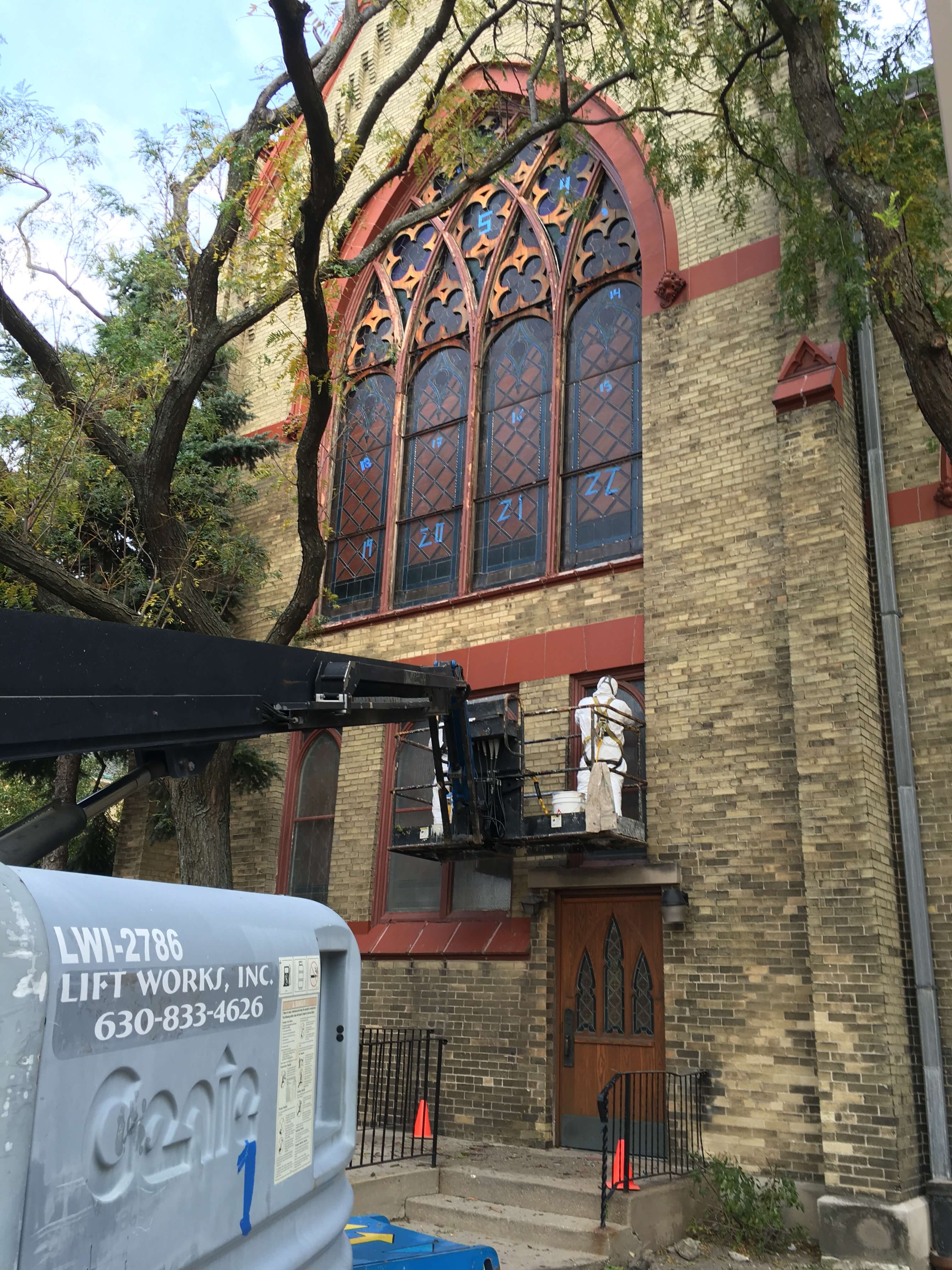
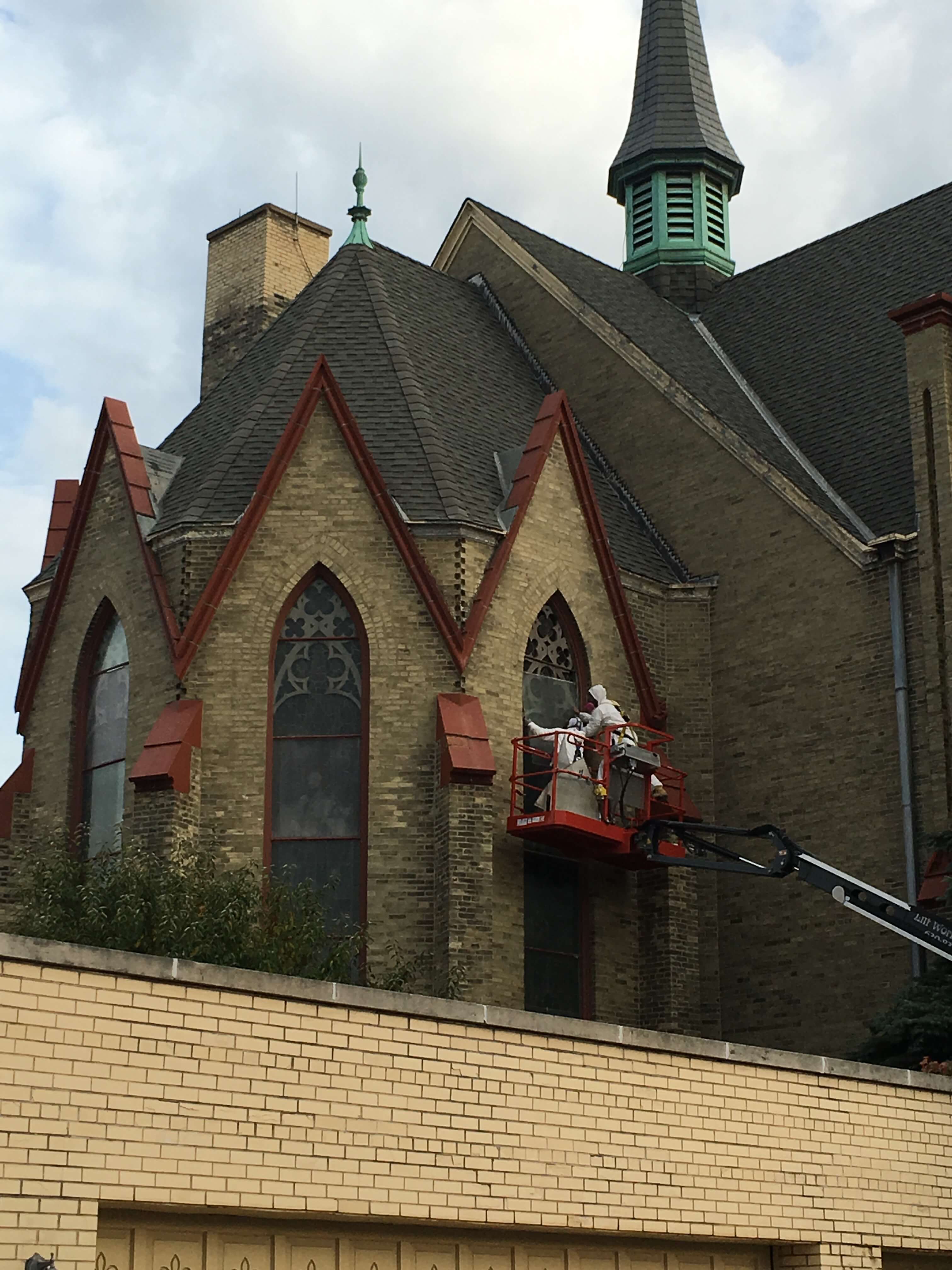
Original glass in Chicago’s pre-1920 housing stock - Italianate two-flats, Queen Anne homes, early Prairie residences, and the city’s countless workers’ cottages - has a distinctive optical character that modern glass cannot match. The slight waviness, the visible “lines” in the surface, the way light bends through it: these are produced by the cylinder and crown glass-making processes that haven’t been used commercially in over a century.
When historic glass breaks, our options are:
- Restoration glass - modern reproductions that approximate historic wavy glass. Available from specialty suppliers; we source and install.
- Salvaged historic glass - original glass reclaimed from demolished buildings of the same era. Limited availability but the most authentic match.
- Standard float glass - appropriate when the original glass character isn’t a priority or when budget is the deciding factor.
On landmark and historically significant homes, glass selection may be subject to Chicago Commission on Chicago Landmarks or local preservation district review. We navigate those approvals as part of the project.
The Glass Replacement Process
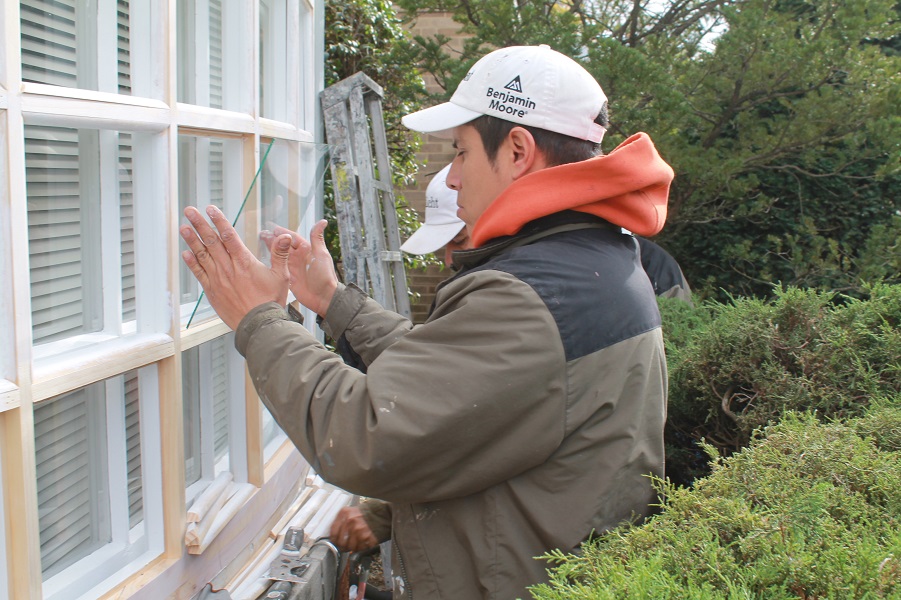
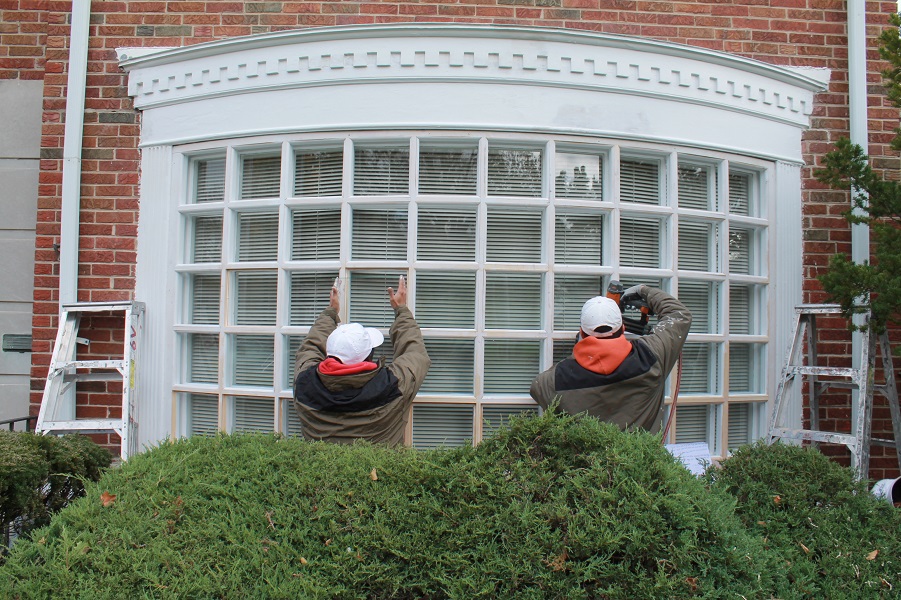
A typical Fortune Restoration glass replacement project takes one to three days from removal to finished re-installation.
- On-site assessment. Measure the opening precisely, identify glass type required (annealed, tempered, laminated, IGU, low-E, etc.), and evaluate the surrounding sash and frame condition.
- Glass ordering. Standard glass is typically available in 3–10 days; custom IGUs, restoration glass, and unusual shapes take 2–4 weeks.
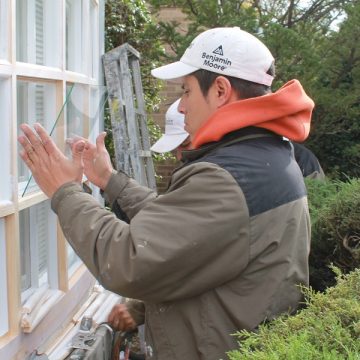
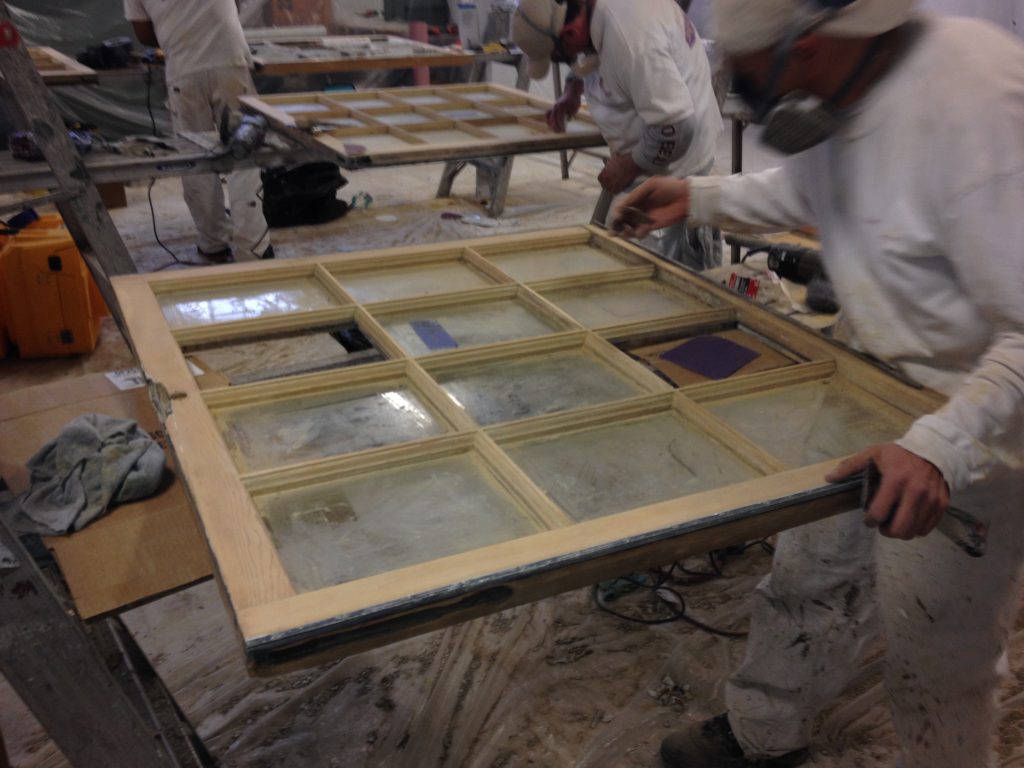
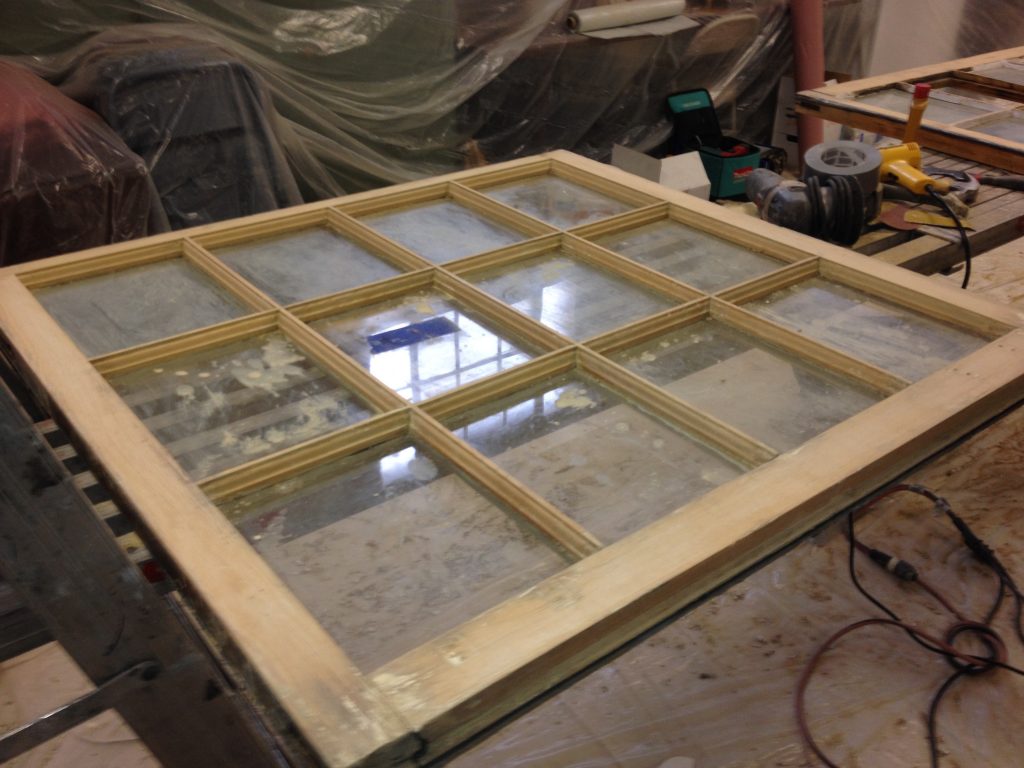
- Sash removal (when applicable). For wood window re-glazing, the sash is removed and brought to the shop for safer, cleaner glass replacement.
- Old glass removal. Existing glass and glazing putty are carefully removed without damaging the sash or stops.
- Rabbet preparation. The wood rabbet (the channel that receives the glass) is cleaned, sanded, and primed if bare wood is exposed.
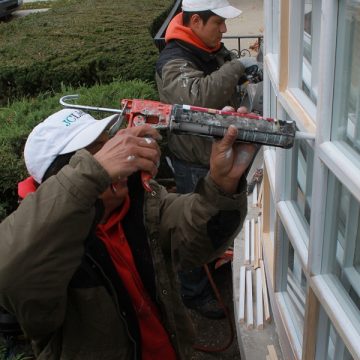
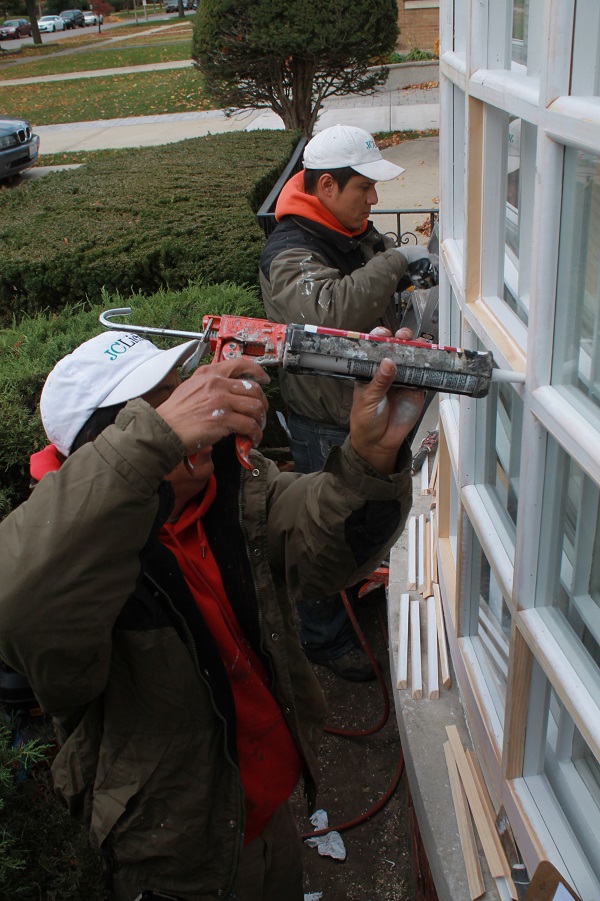
- New glass installation. Glass is bedded in fresh glazing compound or installed with glazing points and modern sealant systems as appropriate.
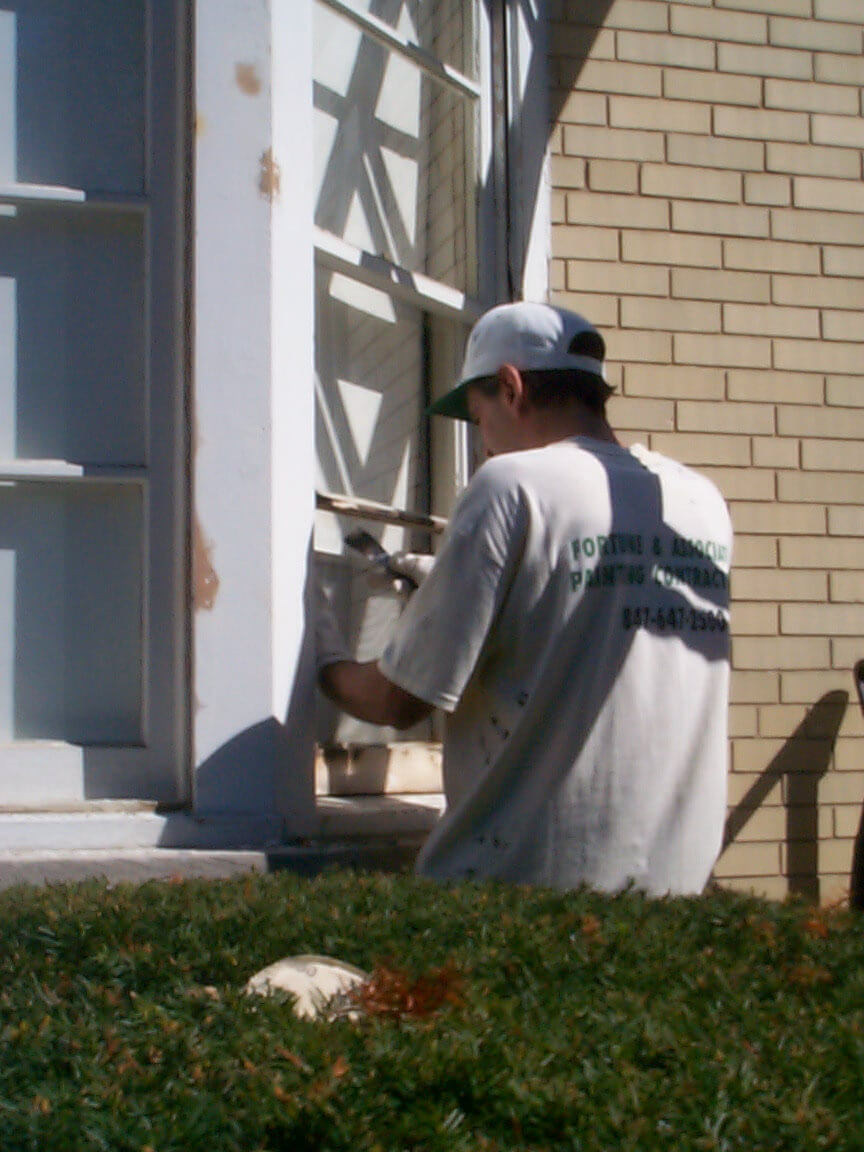
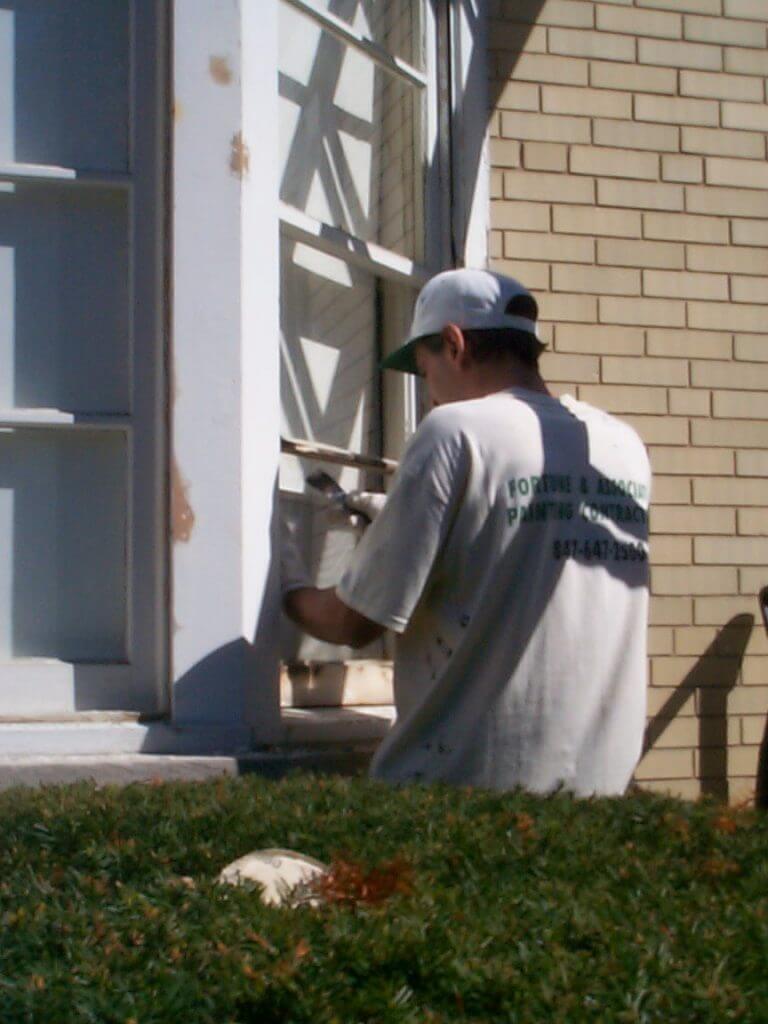
- Finishing. Putty is tooled to a clean profile, allowed to skin over, and primed and painted to match. See our residential painting services for the finish work.
Glass Replacement & Related Restoration Work
Glass replacement often happens as part of a larger restoration scope. Fortune Restoration coordinates the full project under one contractor:
- Window Replacement - when the frame and sash need replacement, not just the glass
- Carpentry - sash and frame repair, custom sash fabrication
- Custom Millwork - replacement of damaged window surrounds and trim
- Wood Stripping & Refinishing - restoring historic wood window sashes back to their original detail
- Exterior Painting - finish coating of sashes, trim, and surrounds
- Paint Preparation - proper prep at glass and putty edges
- Door & Eaves Replacement - for entry door glass and sidelights
- Shutter Replacement & Repair
- Caulking & Sealant - perimeter sealing at window-to-masonry interfaces
Chicago Glass Replacement Service Area
Fortune Restoration provides glass replacement throughout the Chicagoland region from our Lincolnwood, IL headquarters:
- City of Chicago: Lincoln Park, Wicker Park, Bucktown, Logan Square, Lakeview, Wrigleyville, Old Irving Park, Edgewater, Rogers Park, Hyde Park, Beverly, Norwood Park, Lincoln Square, Gold Coast, Andersonville
- North Shore: Evanston, Wilmette, Winnetka, Kenilworth, Glencoe, Highland Park, Lake Forest, Glenview, Skokie, Northbrook, Lincolnwood
- Western Suburbs: Oak Park, River Forest, Forest Park, Hinsdale, La Grange, Western Springs, Riverside
Glass Replacement FAQs
Can you replace just the glass in a window, or do I need a whole new window?
Yes - if the frame, sash, and hardware are sound, glass-only replacement is almost always possible and typically costs 50–80% less than full window replacement. We assess the entire window during the estimate and recommend the most cost-effective approach for your specific situation.
How much does glass replacement cost in Chicago?
Single-pane glass replacement typically ranges from $100 to $400 per pane installed. Double-pane insulated glass unit (IGU) replacement ranges from $250 to $700 per unit. Custom-shape glass, restoration glass for historic homes, tempered safety glass, and large-format units run higher. Multi-pane projects often qualify for volume pricing.
My double-pane window is fogged between the panes. Do I need a new window?
No. Fogging or condensation between the two panes means the perimeter seal of the insulated glass unit (IGU) has failed. Only the IGU needs to be replaced - the sash, frame, and hardware stay in place. This is significantly less expensive than a full window replacement.
How long does insulated glass last in a Chicago home?
Quality residential insulated glass units typically last 15–25 years before seal failure becomes likely. South and west-facing windows that take more UV and thermal cycling tend to fail earlier; north-facing units often last longer. When one IGU in a home fails, others of the same age are usually not far behind.
Can you match the wavy glass in my historic Chicago home?
Yes. For pre-1920 Chicago homes with original cylinder or crown glass, we source restoration glass that approximates the slight waviness and optical character of the original. Salvaged historic glass is also an option when an authentic match is the priority. We discuss these options as part of the estimate.
Does Chicago require tempered glass in certain windows?
Yes. Federal regulation 16 CFR 1201, adopted into the Chicago Building Code, requires tempered or laminated safety glass within 24 inches of doors, in large windows close to the floor, near tubs and showers, in storm and patio doors, and in several other “hazardous locations.” We always install code-compliant safety glass in these locations.
How long does glass replacement take?
Standard glass replacement is typically a one-day job once the glass arrives. Custom IGUs, restoration glass, and custom-shape panes take 2–4 weeks to receive from suppliers. Sash removal and shop re-glazing of multiple historic wood window sashes can extend the timeline to a week or more, depending on quantity.
Request a Free Glass Replacement Estimate
Fortune Restoration has been replacing window glass and re-glazing original wood windows on Chicagoland homes since 1979. Whether you’ve got a single broken pane, a fogged double-pane, an entire historic home that needs careful re-glazing, or a glass replacement project that touches related carpentry and painting work, we handle the full scope under one trusted contractor.