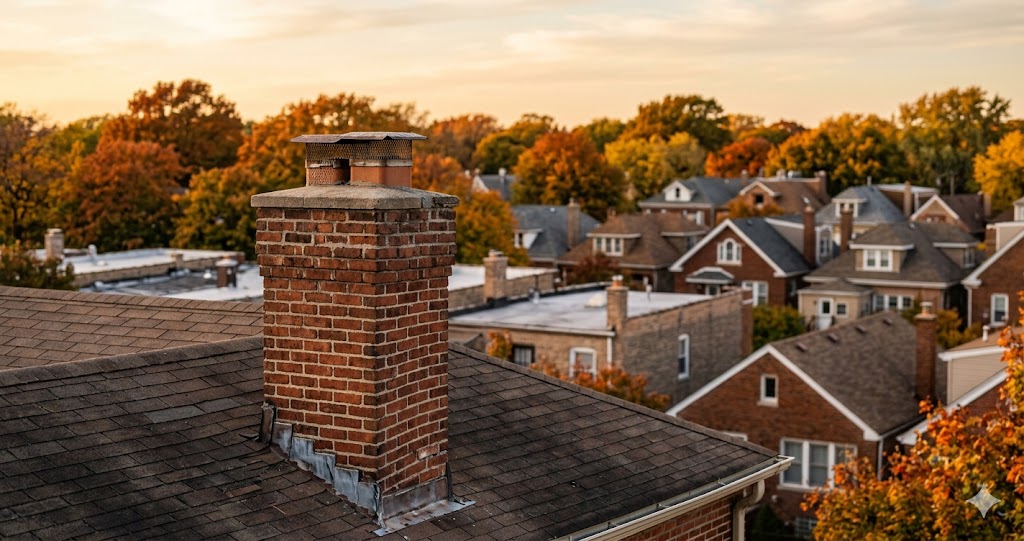
What Causes Chimney Damage in Chicago Homes?
Key Takeaways:
Chimney damage in Chicago comes mainly from water and freeze-thaw cycles that crack masonry. Wind, age, and failed flashing speed up the breakdown. Brick, mortar, and the crown wear fastest because the chimney stands fully exposed above the roof.
Water is the number one enemy of any Chicago chimney. Rain and melting snow soak into the brick and the mortar joints. Then the temperature drops, the water freezes, and it pushes the masonry apart from the inside. We get dozens of these freeze-thaw swings every winter, so the damage adds up fast.
Water And Freeze-Thaw
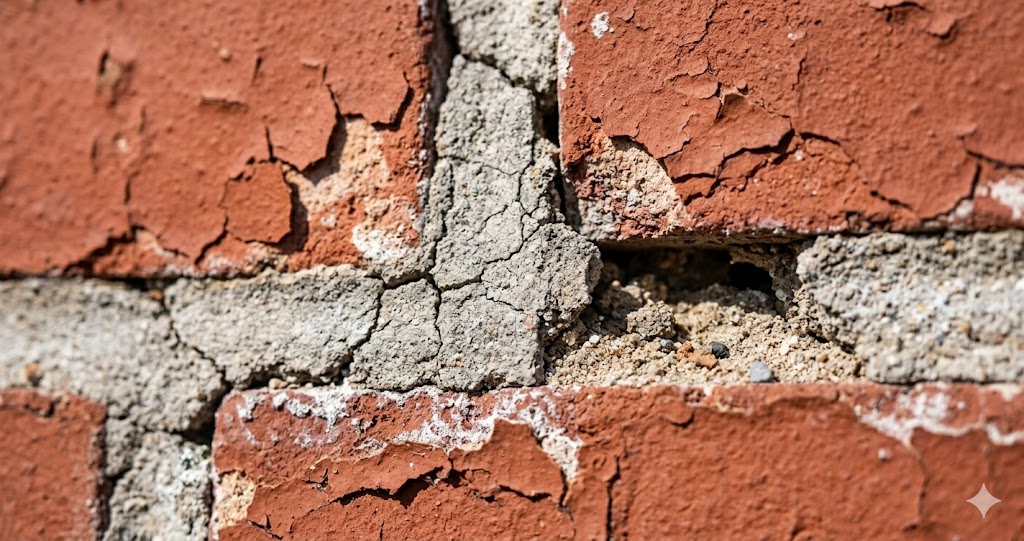
When water freezes inside a brick, it expands. That tiny push happens over and over, and the face of the brick begins to flake off. We call this spalling. Once a brick spalls, it soaks up even more water, and the problem grows.
The Most Exposed Spot
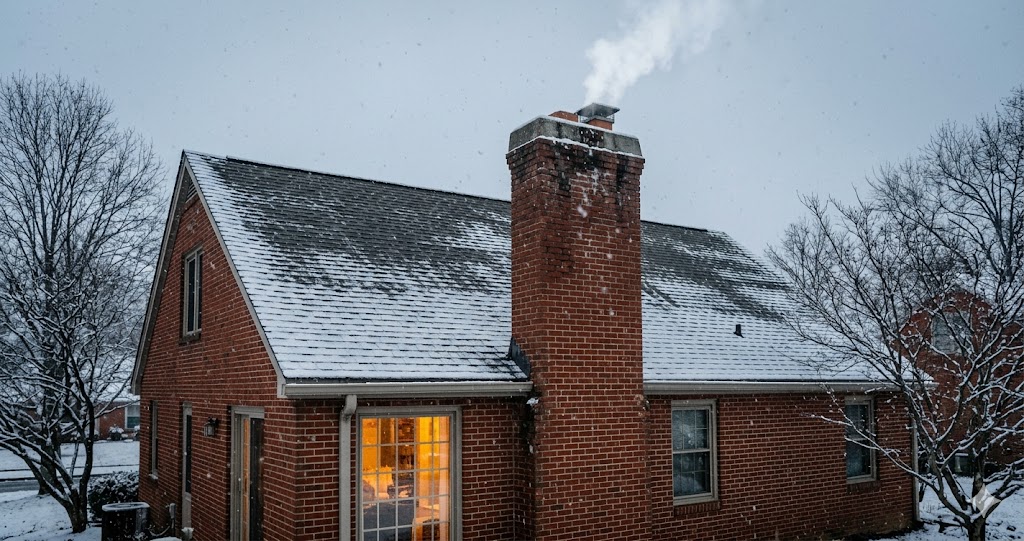
Your chimney has no neighbor protecting it. It sticks up above the roofline with wind and rain hitting all four sides. That’s why the mortar up there usually fails sooner than the mortar on your walls. There’s a few homes I’ve worked on where the chimney was crumbling while the rest of the brick looked nearly new.
Failed Crowns, Caps, And Flashing
The crown is the concrete top that sheds water away. The cap covers the flue opening. The flashing is the metal seal where the chimney meets the roof. When any of these fail, water pours straight in. A cracked crown and a missing cap are two of the most common things I find.
Worried about what the weather has done up top? Get a straight answer from a crew that’s worked on Chicago homes since 1979.
How Do I Know If My Chimney Needs Repair?
Key Takeaways:
A chimney needs repair when there are white stains, crumbling mortar, flaking brick, or rust near the firebox. Water stains on the ceiling or in the attic point to a leak. Catching these signs early keeps a small chimney repair from turning into a costly rebuild.
You don’t need to climb on the roof to spot trouble. Most warning signs can be seen from the ground or from inside the house. Here is what I tell every homeowner to look for.
White, chalky deposits on the brick are called efflorescence. That powder means water is moving through the wall and leaving salt behind. It’s a symptom, not the disease, but it tells you water is getting in. You can read more about that white stuff in our guide on masonry waterproofing.
Look for mortar you can scratch loose with a key or a screwdriver. Sandy, crumbling mortar joints are a clear sign the chimney is due for tuckpointing. Flaking or popping brick faces, called spalling, mean water has already done damage. Rust on the damper or the firebox is another red flag, since that metal should stay dry.
Inside the house, watch for stains on the ceiling near the chimney or up in the attic. A lot of people think they have a roof leak when the real culprit is a failed crown or bad flashing on the chimney. We see this kind of mix-up almost everyday. If your fireplace smells musty or smoky even when it’s not in use, that points to moisture or a draft problem too.
Spotting one of these signs? Let us take a look before the next freeze sets in.
The Real Cost of Waiting on Chimney Repair
Here’s the hard truth I share with folks: chimney repair only gets more expensive the longer you wait. A chimney problem never fixes itself. Water keeps getting in, freezing, and pushing the masonry apart, season after season.
A small tuckpointing job or a fresh crown might run a few hundred dollars. Ignore it for a few winters and that same chimney can need full brick replacement, a new liner, or a complete rebuild that costs many times more. I’ve watched a $400 fix grow into a $9,000 problem because someone kept putting it off.
There’s a safety side too. A leaning or crumbling chimney can drop brick onto the roof, the yard, or a sidewalk. In a busy Chicago neighborhood, that’s a real hazard, and the City can issue a violation for an unsafe chimney. Water damage inside the home also rots framing, ruins plaster, and feeds mold. None of that is cheap to undo.
Timing matters with the seasons, too. Mortar and crown work need dry, mild weather to cure right, so spring through early fall is the sweet spot in Chicago. Fixing the chimney before winter means the masonry is sealed up tight before the freeze-thaw cycle starts hammering it again.
What Does Chimney Repair Cost?
Key Takeaways:
Chimney repair cost in Chicago depends on the type of damage, the height, and how much access a crew needs. Small fixes like a cap or crown patch are the most affordable. Tuckpointing, brick replacement, and rebuilds cost more because they take more labor and materials.
Every chimney is different, so the only honest answer is “it depends.” Still, homeowners deserve a ballpark, so here is how the pricing usually breaks down.
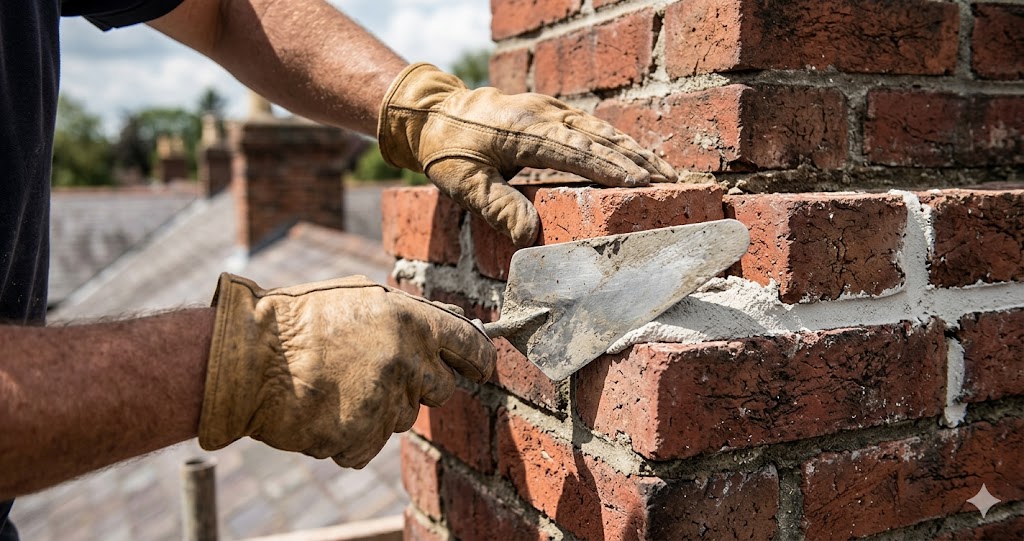
A new chimney cap is the cheapest and one of the most valuable fixes, since it keeps out rain, animals, and debris. Crown repair or a crown sealer comes next, often a one-day job that prevents years of damage. Tuckpointing the chimney, where we grind out the old mortar and pack in fresh, sits in the middle and depends on how many joints need work.
Brick replacement runs higher because matching old Chicago brick takes skill and the right materials. A full rebuild is the biggest job, since the chimney gets taken down and built back up. Two things drive the price more than anything: height and access. A tall chimney that needs scaffolding costs more to reach safely than a low one a worker can stand beside.
Be careful with any bid that seems too good. Cheap crews often skip prep, smear new mortar over old, or use the wrong mix that cracks the brick later. A fair price for real work beats a low price for a repair that fails in two years.
Want a clear price with no surprises? We’ll walk your chimney and give you an honest number.
Should I Repair or Rebuild My Chimney?
Key Takeaways:
Repair makes sense when damage is limited to mortar, a few bricks, the crown, or the cap. A rebuild is the right call when decay is widespread or the chimney has become unsafe. A professional inspection settles the question by showing how deep the damage really goes.
Most chimney problems can be solved with targeted repairs, not a full rebuild. If the mortar is failing but the brick is mostly sound, tuckpointing and a little brick replacement usually does the trick. The same goes for a cracked crown or a worn cap, which are simple swaps.
A rebuild becomes the smart choice when the damage runs deep. If a big share of the brick is spalling, if the chimney is leaning, or if water has been getting in for years, patching just delays the inevitable. At some point you’re spending good money chasing a structure that’s already failing.
The crown and the cap is also part of this decision. If they’ve been broken for a long time, water has likely traveled all the way down, weakening the masonry from the top out. That kind of hidden damage often tips a job from repair toward rebuild.
This is exactly why a real inspection matters. From the ground a chimney can look fine, while up close the back side is half gone. A trained eye, and sometimes a camera in the flue, tells us whether you’re looking at a weekend fix or a bigger project.
What a Professional Chimney Repair Looks Like
People are often surprised at how careful good chimney work really is. It’s not just slapping on mortar and calling it a day. Here’s roughly how my crew approaches it.
First, we inspect every side of the chimney and check the crown, the cap, the flashing, and the flue. We figure out where water is getting in, because fixing the symptom without finding the source is a waste of your money. Then we set up safe access, which on a tall Chicago home usually means scaffolding.
For tuckpointing, we grind the old, failed mortar out to a solid depth, clean the joints, and pack in fresh mortar that matches the original in color and strength. On older homes that means a softer, lime-based mix so we don’t crack the brick. Spalled brick gets replaced with the closest match we can source. A failing crown gets rebuilt or sealed, and a missing cap gets replaced.
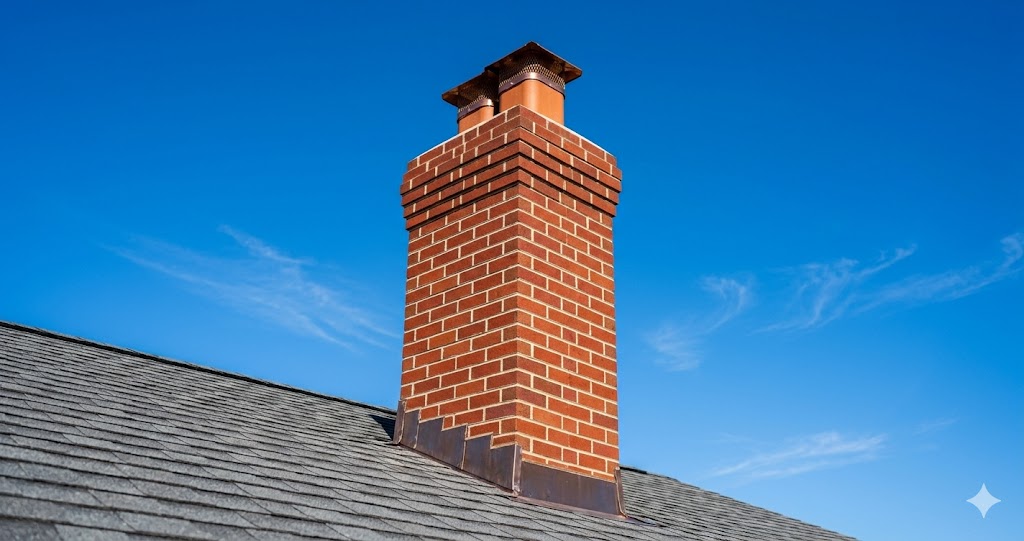
Once the masonry repairs cure, we often seal the chimney with a breathable water repellent. This is a key step that lets the wall dry out while keeping new rain from soaking in. We also coordinate with roofers when the flashing needs work, since that joint is shared between two trades. When the job’s done, the chimney should shed water for many winters to come.
Curious what your chimney actually needs? Let our team assess it and lay out a plan.
What Should I Look For in a Chimney Repair Contractor?
Key Takeaways:
A good chimney repair contractor is licensed, bonded, and insured, with real masonry experience. Look for clear explanations, fair written estimates, and references on similar Chicago homes. Lead-safe certification matters for any home built before 1978.
Choosing the right contractor protects both your home and your wallet. Anyone can buy a bag of mortar, but proper chimney work takes training and care. Use these questions to sort the pros from the rest.
Ask if they are licensed, bonded, and insured. That paperwork protects you if something goes wrong on the job. Ask how long they’ve worked on Chicago masonry, since our weather and our older brick are their own challenge. A contractor who can show photos of similar chimneys they’ve fixed is a good sign.
For homes built before 1978, ask about lead-safe practices. Disturbing old paint can release lead dust, so the U.S. EPA’s Renovation, Repair and Painting program requires certified work. Also ask about their prep process. Pros who grind out old mortar and match the mix will gladly explain it. The ones who skim over your questions and push a low price are the ones to avoid.
Finally, get the scope and price in writing. A clear estimate that lists the work, the materials, and the timeline shows a contractor who stands behind their work.
Why Chicago Homeowners Trust Fortune Restoration
My family has been restoring Chicago homes since 1979, which is more than 45 years of brick, mortar, and chimney work across the city and suburbs. We’re a family-run shop, fully licensed, bonded, and insured, and we treat every chimney like it’s on our own house.
Our field superintendent, Dan Stojak, is EPA RRP lead-safe and OSHA certified, so older homes are handled the right way. We’ve worked on everything from simple two-flat chimneys to landmark restorations, and that range means we’ve seen just about every kind of chimney trouble Chicago can throw at us.
When you call us, you get straight talk and careful work, not a sales pitch. We’ll tell you honestly whether you need a quick fix or a bigger repair. You can learn more on our chimney repair service page or our chimney cap repair and replacement page. To reach us directly, call 847-647-2500 and ask for an estimate.
Chimney Repair FAQs
How often should I have my chimney inspected in Chicago?
A chimney should be inspected at least once a year, which follows the national NFPA 211 standard cited by the Chimney Safety Institute of America. Chicago’s harsh freeze-thaw winters can speed up damage, so a yearly check helps you catch small cracks early. If you recently bought a home or had a chimney fire, schedule an inspection right away rather than waiting.
Is chimney repair covered by homeowners insurance?
Coverage depends on the cause of the damage. Most policies help pay for sudden events, such as a lightning strike or a fallen tree, but not slow wear from age or skipped maintenance. Read your policy and call your agent before assuming a repair is covered. Keeping records of regular inspections can also strengthen a future claim.
Can I still use my fireplace if my chimney needs repair?
It is not safe to use a fireplace when the chimney has cracks, blockages, or a failed liner. Damaged flues can let smoke, sparks, or carbon monoxide into your home, and the CDC warns that carbon monoxide is odorless and deadly. Stop using the fireplace until a professional inspects and repairs the chimney, and keep a working detector nearby.
How long does chimney repair take?
Most chimney repairs take one to three days. Simple jobs, like a new cap or a crown patch, often finish in a single day. Full tuckpointing, brick replacement, or a rebuild can run longer, especially when scaffolding is needed or the weather turns. Your contractor should give you a clear timeline before the work begins.
What is the difference between chimney repair and a chimney rebuild?
Chimney repair fixes specific problems, such as cracked mortar, spalled brick, or a leaking cap. A rebuild takes the chimney down to a sound level and builds it back up with new materials. Repair is the right call for limited damage. A rebuild makes sense when decay is widespread or the structure has become unsafe.
Does a damaged chimney cause leaks inside my house?
Yes, a damaged chimney is a common source of indoor water leaks. Cracked crowns, failed flashing, and open mortar joints let rain travel down through the wall. The water often shows up as ceiling stains near the chimney before anyone spots the real cause. Fixing the chimney early stops costly interior damage and protects your tuckpointing and brickwork too.
Protect your home before winter.
A quick inspection today can save you thousands tomorrow. Reach out and we’ll take it from there.