

Fortune Restoration is a Chicago historic landmark restoration contractor with over 45 years of experience preserving architecturally significant buildings — Frank Lloyd Wright homes in Oak Park, the Grosse Point Lighthouse in Evanston, the birthplace of Walt Disney, Yerkes Observatory, and dozens of Chicago Landmarks and National Register properties.
Chicago has more than 350 designated Chicago Landmarks and thousands of buildings on the National Register of Historic Places. From Frank Lloyd Wright’s Prairie houses in Oak Park to Gold Coast mansions, from Daniel Burnham’s commercial blocks in the Loop to Daniel Burnham’s neighborhood two-flats that represent the lived fabric of the city’s communities, the architectural inheritance here is unmatched among American cities. Taking care of it requires more than skilled trades. It requires understanding why preservation matters, what materials the original builders used, and how to repair them in ways that honor the building’s design intent.
I’m Peter Fortune. My family has been doing historic restoration work in Chicago and the surrounding region since 1979. The buildings on this page — and dozens more like them — are the work we’re proudest of, and the work that defines our craft. Request a free estimate if you’re stewarding a historic property and want to talk about what it needs.
Our Historic Restoration Services
We provide comprehensive historic restoration covering masonry, painting, carpentry, custom millwork, decorative finishes, and specialty trades — performed to Secretary of the Interior’s Standards and coordinated with landmark commissions when required.
The full scope of historic work we handle:
- Tuckpointing with historic-compatible mortar — soft lime-based mixes for pre-1930 buildings, never modern Portland cement on historic brick
- Brick replacement and matching with sourced historic units when modern manufacturing doesn’t match the original
- Terra cotta restoration — Chicago’s defining ornamental material from 1880 to 1930
- Chemical cleaning calibrated to substrate — alkaline systems on limestone, controlled acid on hard brick, never aggressive pressure on soft historic material
- Wood stripping and refinishing for original doors, woodwork, and millwork buried under generations of paint
- Victorian Painted Lady restoration with period-correct multi-color schemes
- Custom millwork fabrication for replacement spindles, brackets, columns, and architectural details that no longer exist in commercial supply
- Column restoration — porch and entry columns on Victorian, Italianate, and Craftsman properties
- Historic porch and deck restoration with structural carpentry and reproduction of original detail
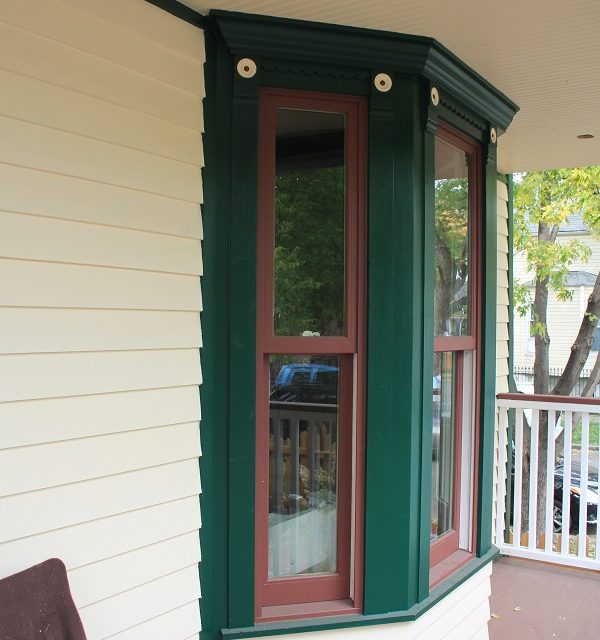
- Historic window restoration and replacement — repair when salvageable, custom replication when not
- Lead-safe RRP-certified paint removal for pre-1978 historic homes
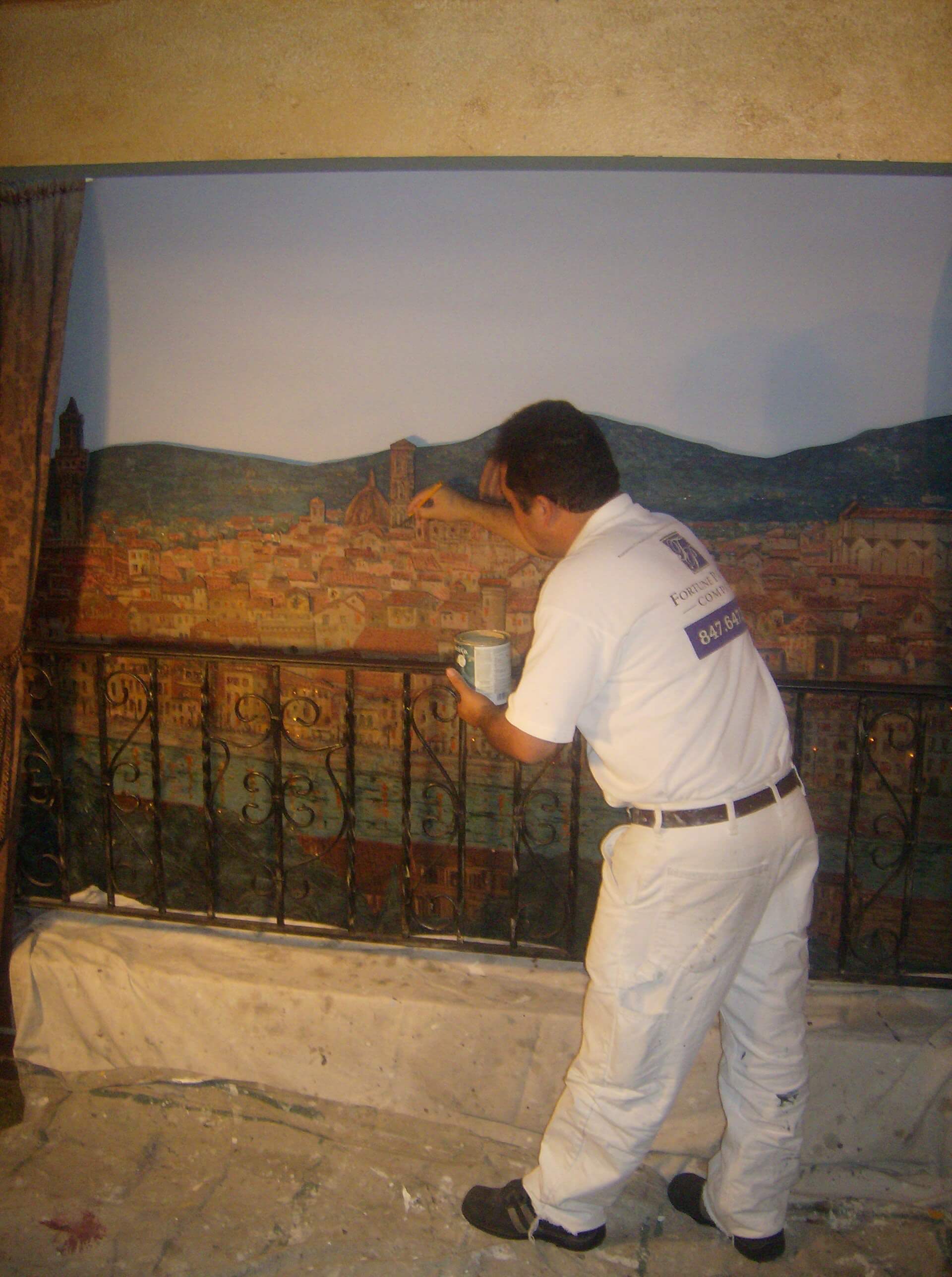
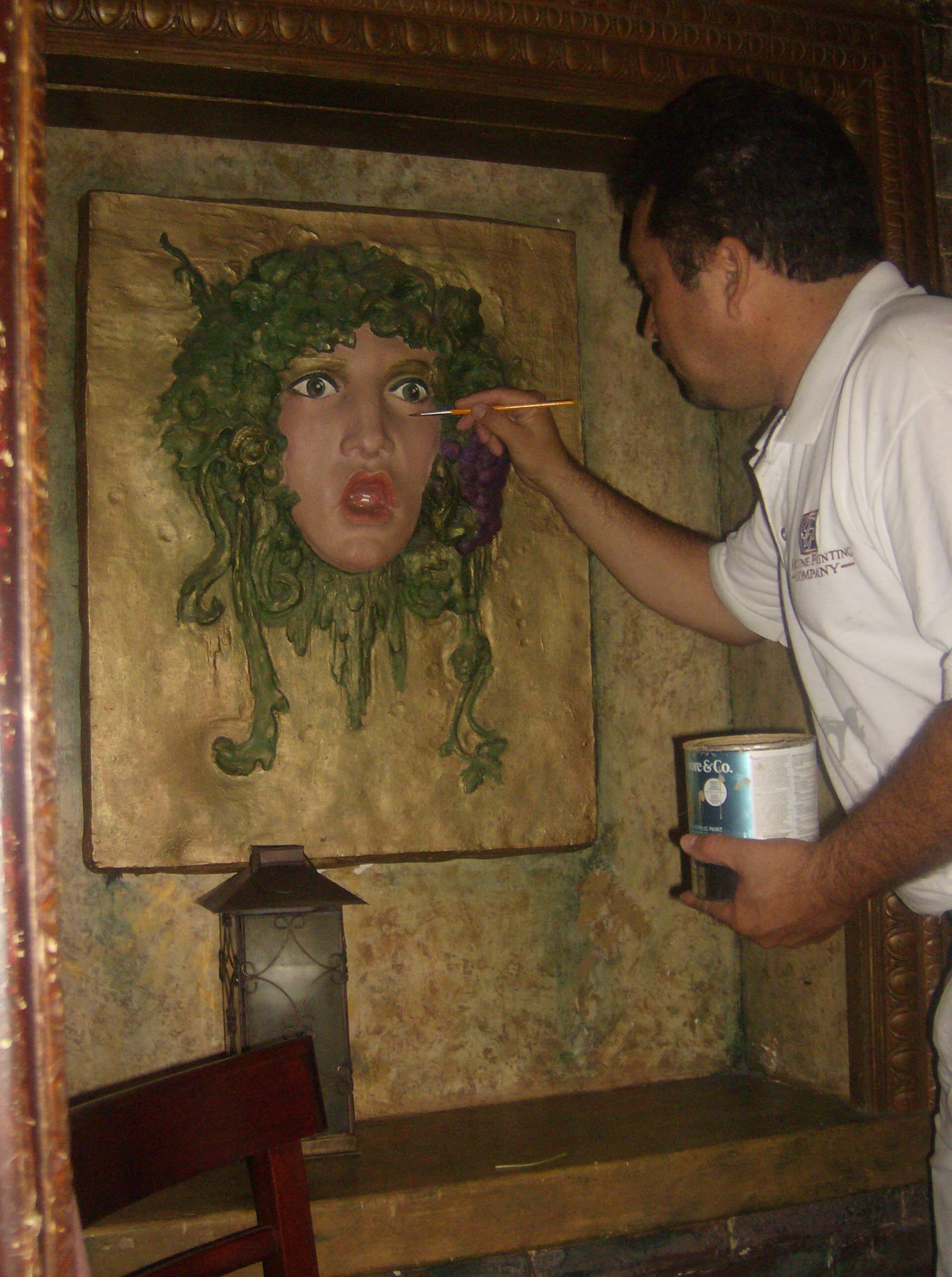
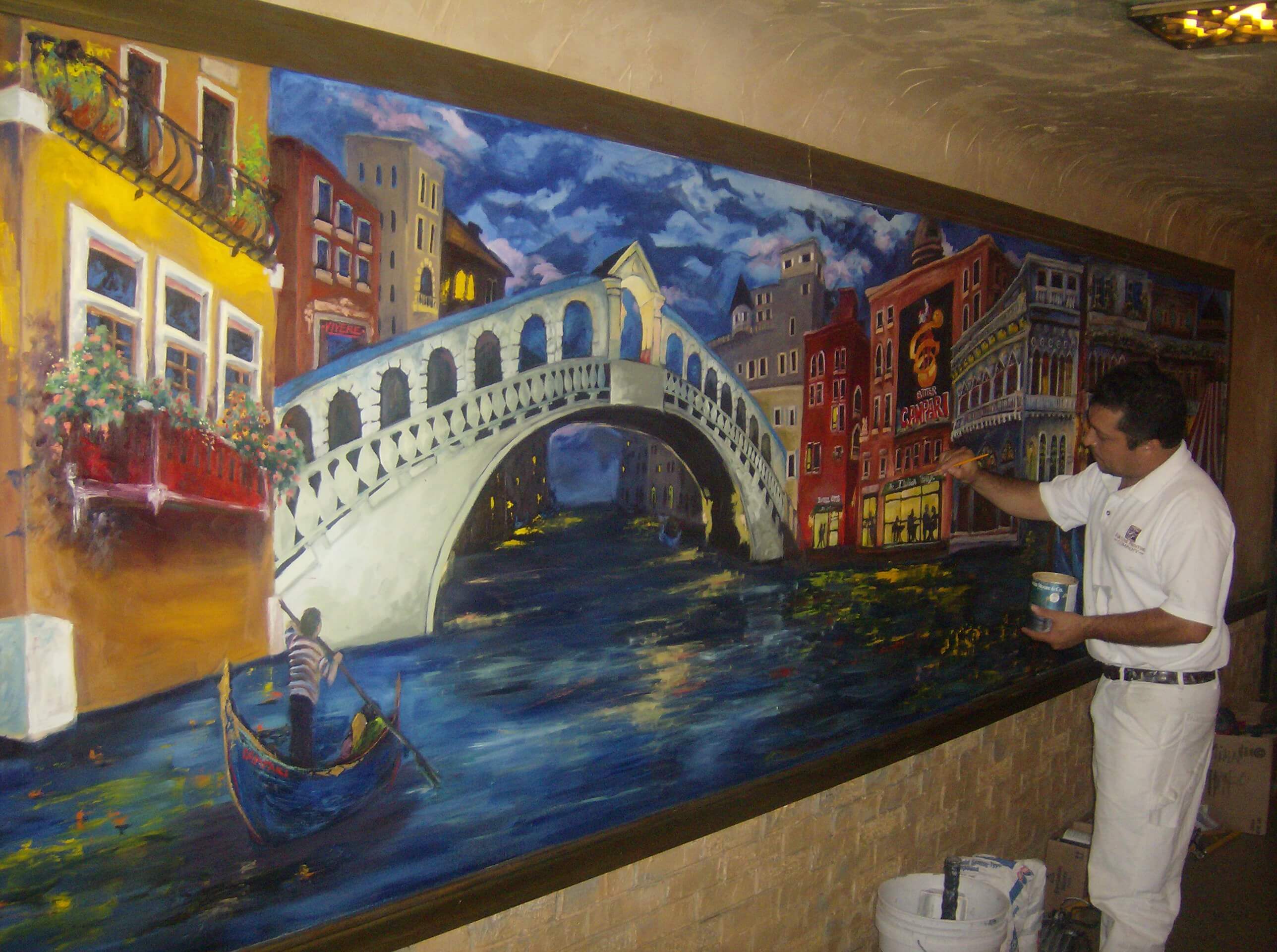
- Decorative painting, gold leafing, mural restoration, and stenciling on landmark interiors
- Plaster repair and skim coating to match original interior finishes
Notable Historic Restoration Projects
Forty-plus years of historic work in Chicago and the surrounding region produces a portfolio. A selection of the projects we’re proudest of:
Frank Lloyd Wright Homes — Oak Park, IL
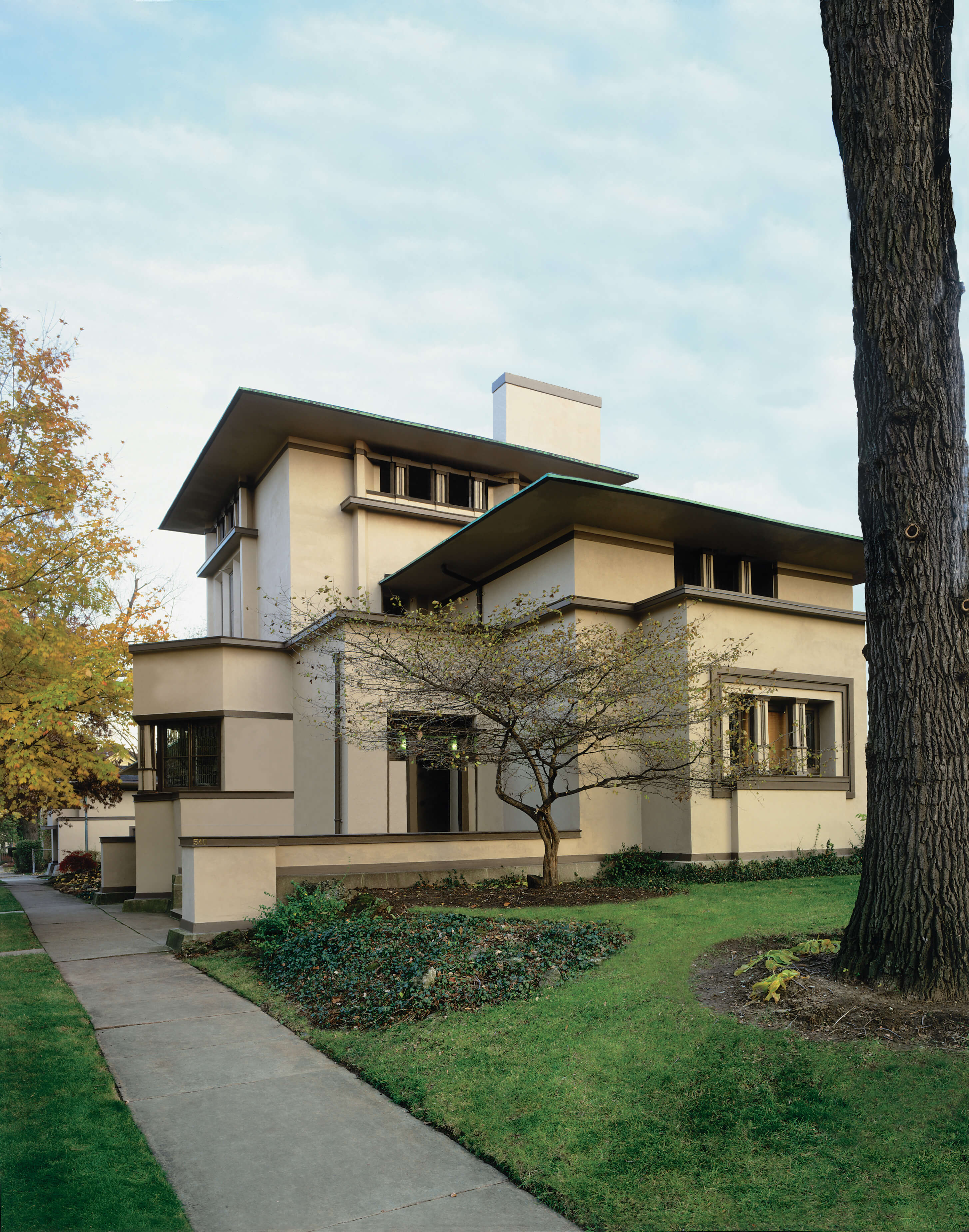
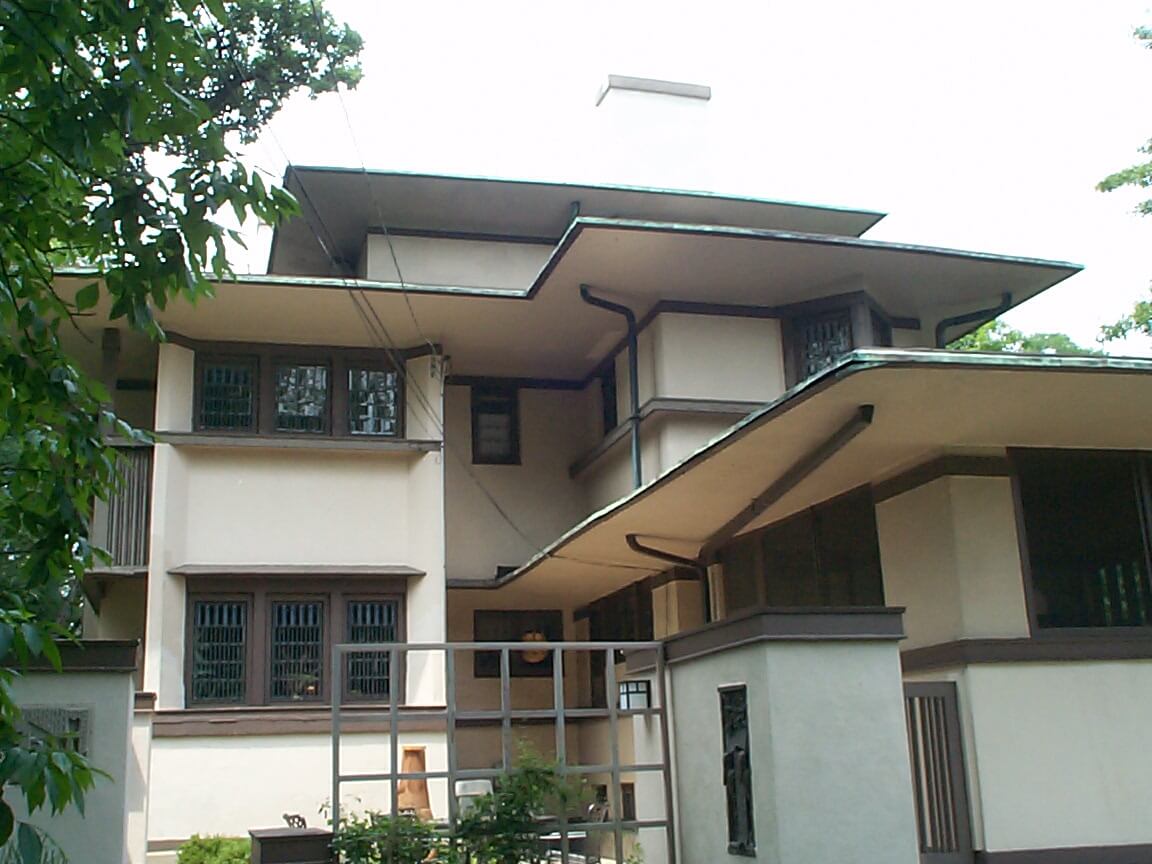
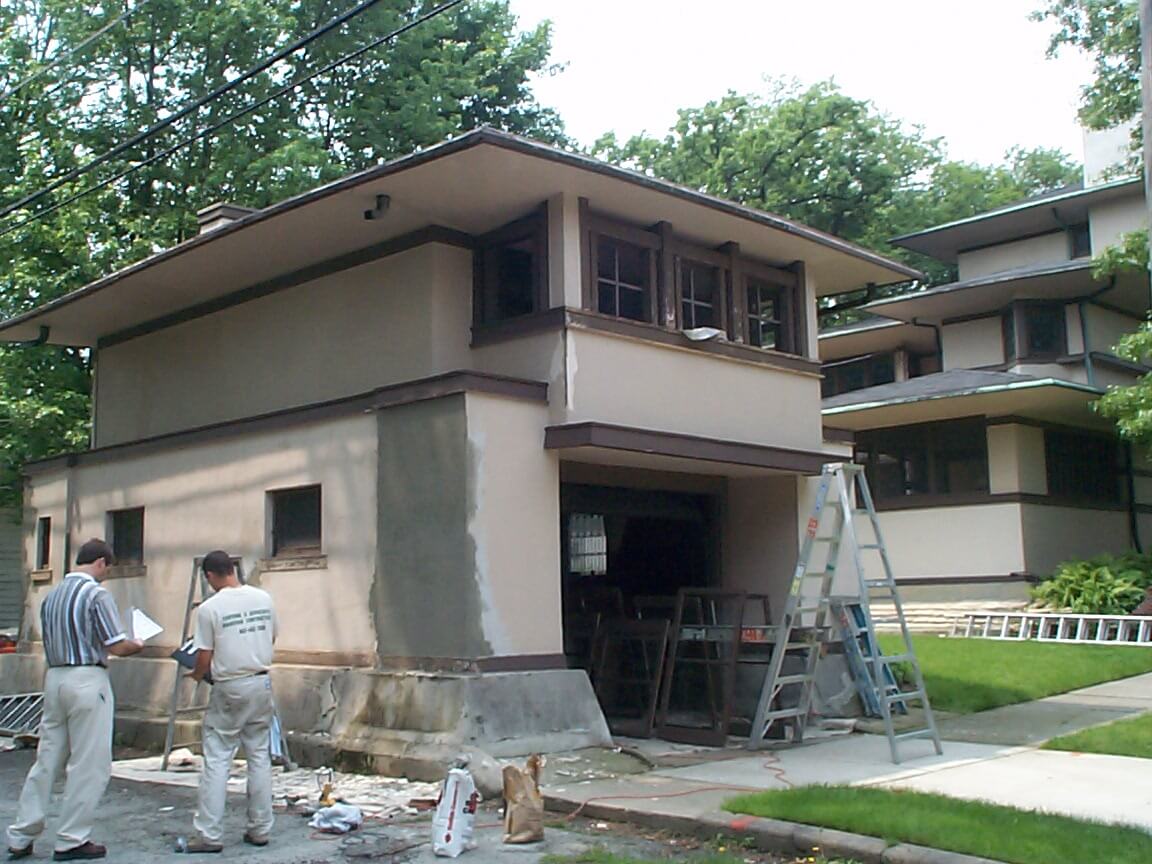
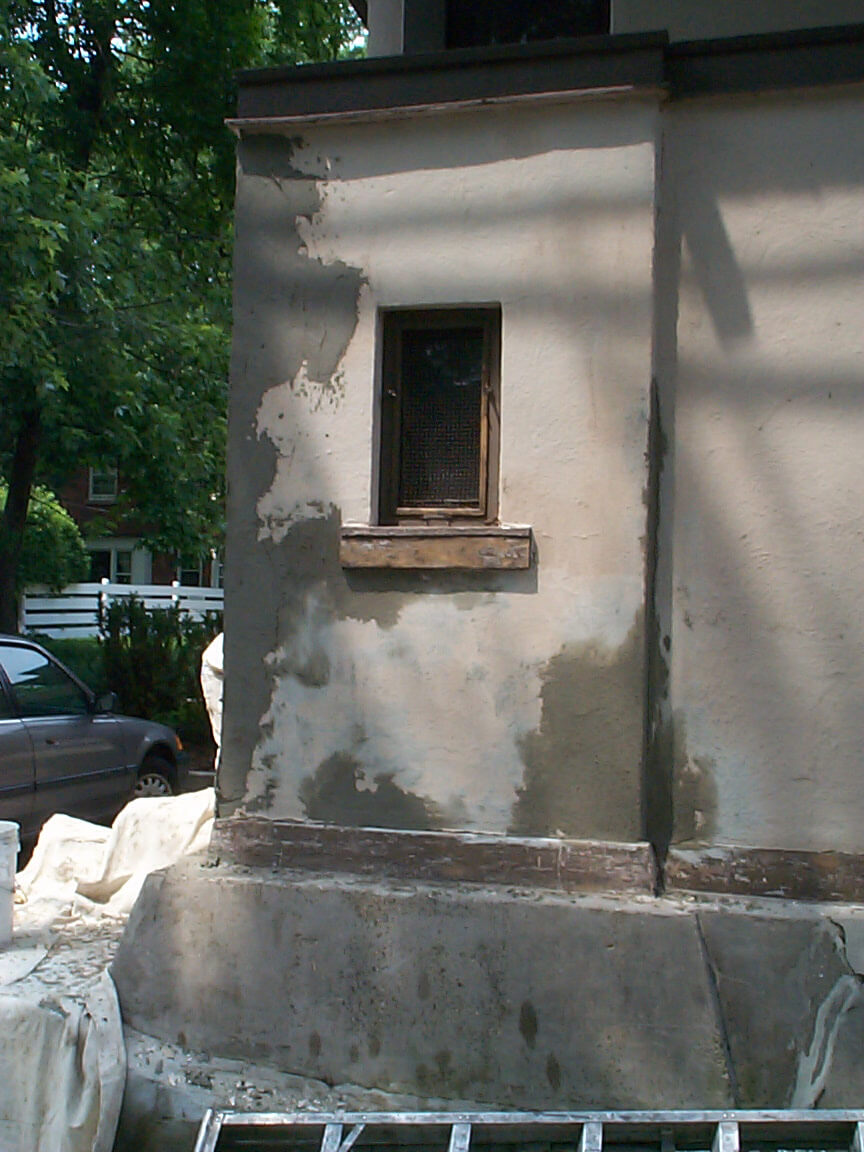
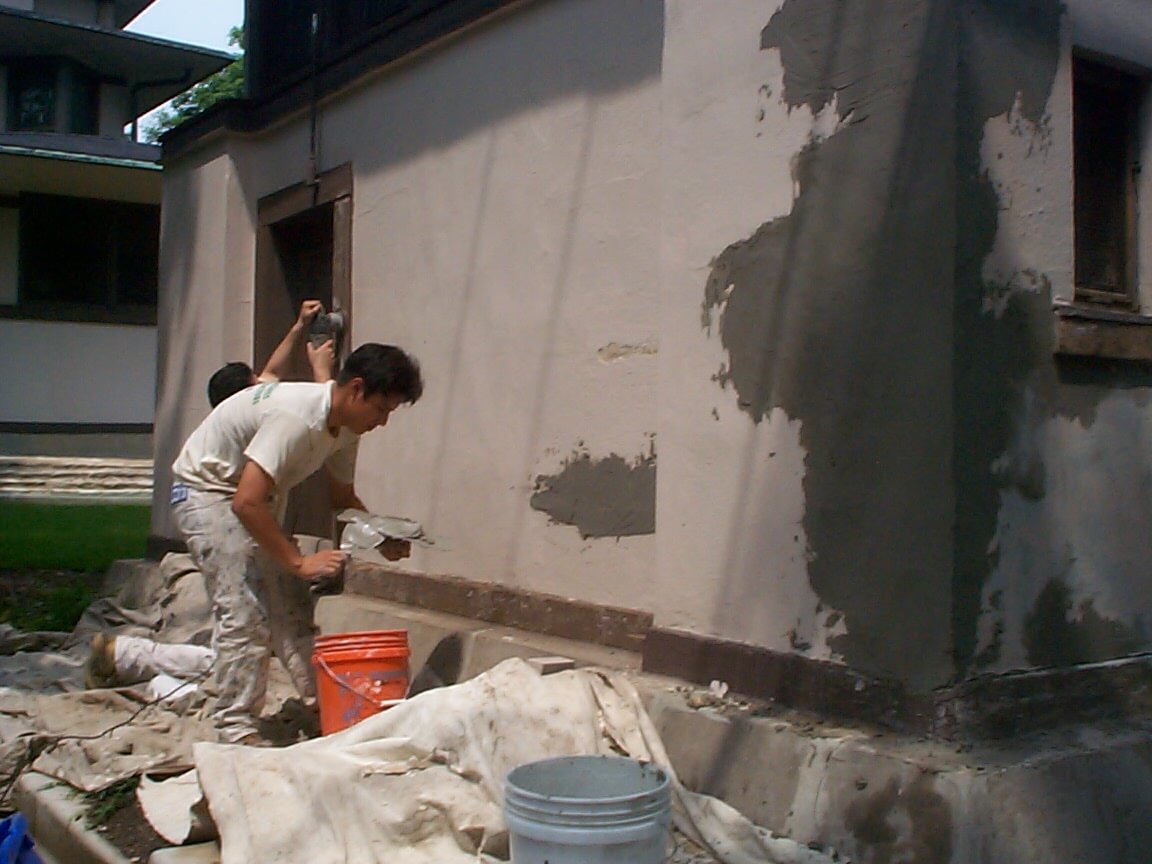
Restoration work on Frank Lloyd Wright Prairie-style homes in Oak Park, the neighborhood that holds the densest concentration of Wright’s residential work anywhere. This is the bar for residential historic restoration in America, and we’ve earned the trust of stewards of these properties through careful, materials-compatible craftsmanship. The Frank Lloyd Wright Trust maintains the authoritative documentation on Wright’s Oak Park work.
Grosse Point Lighthouse — Evanston, IL
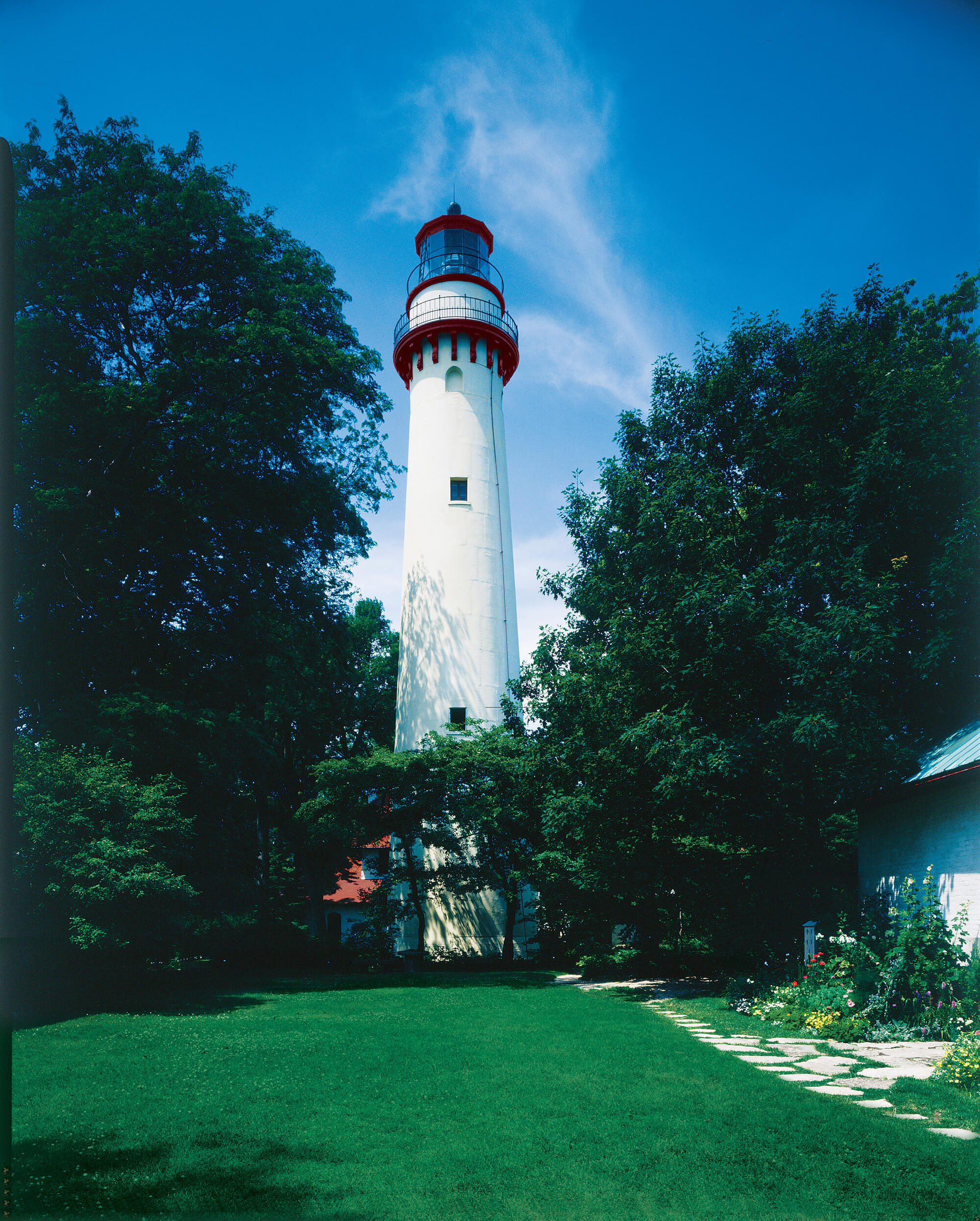
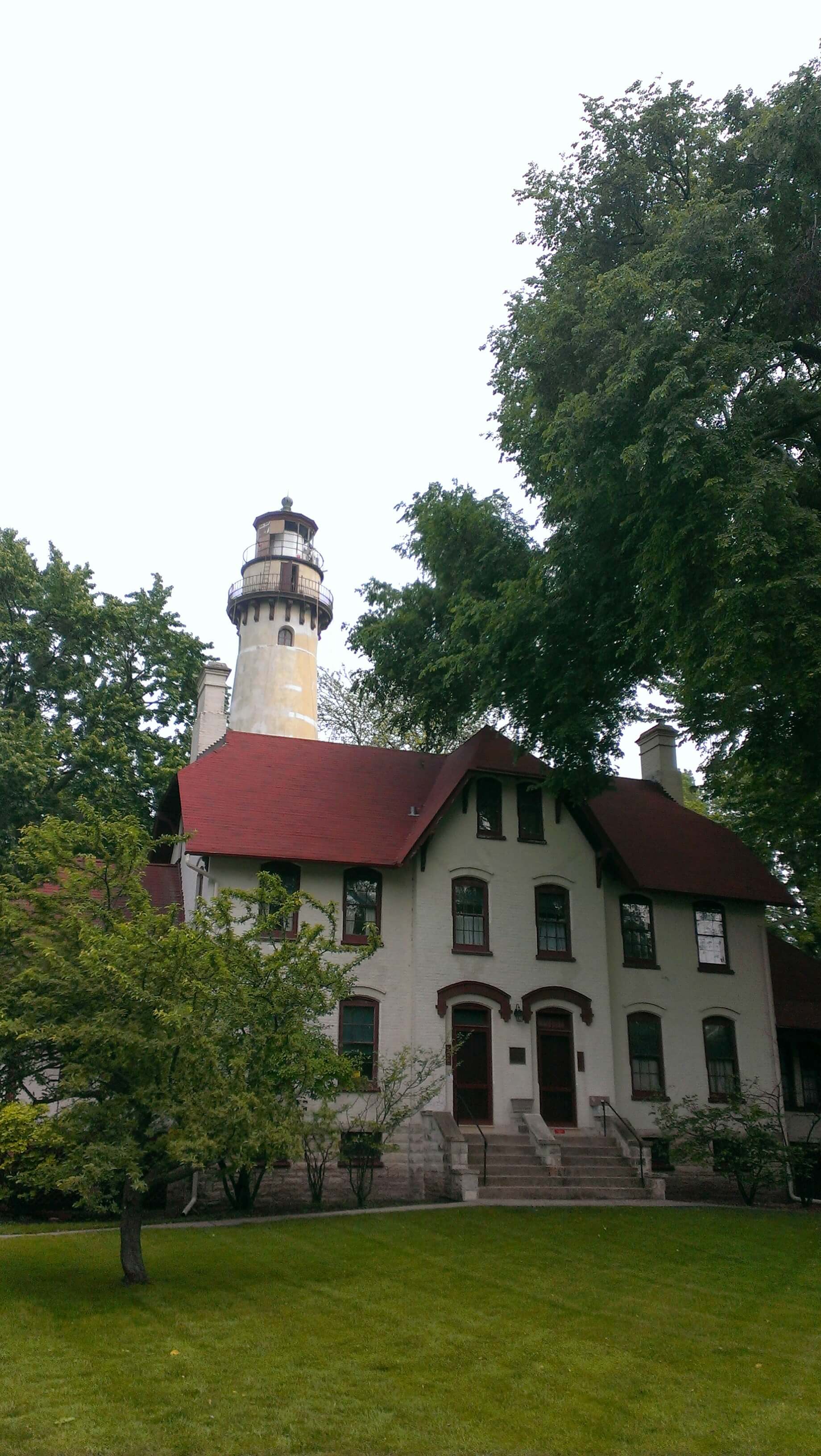
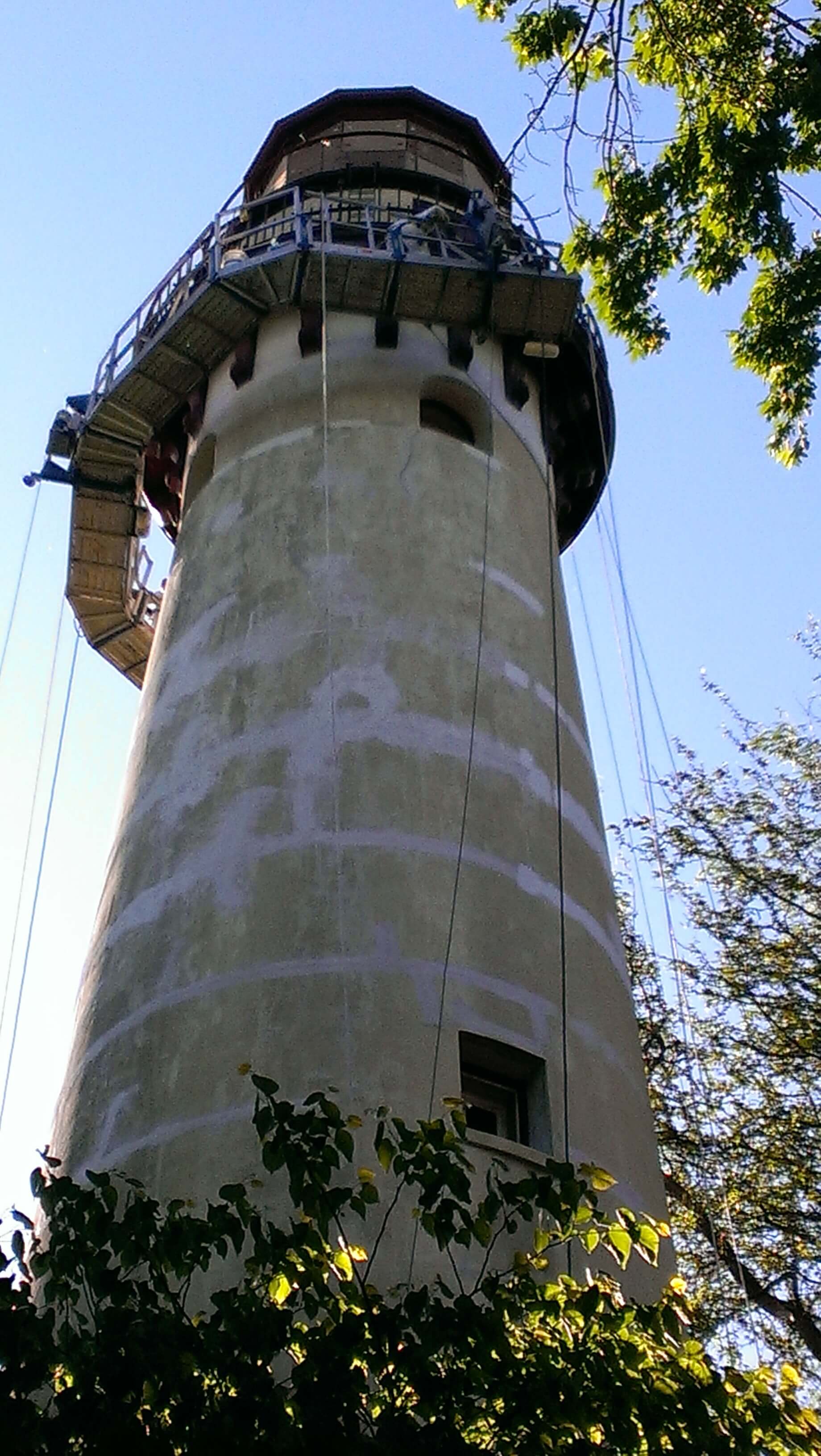
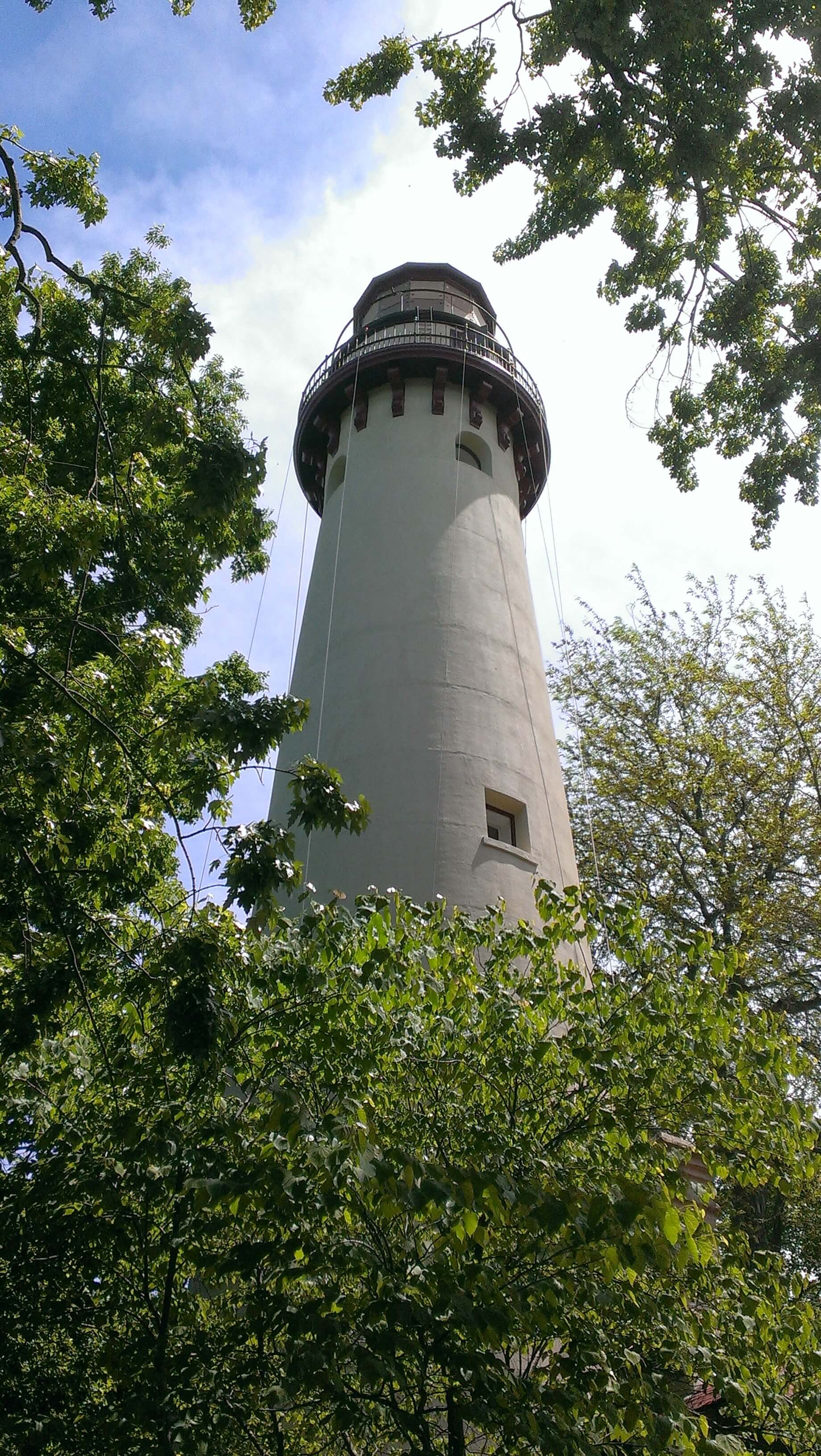
Exterior restoration of the Grosse Point Lighthouse, a National Register property and one of the most recognizable historic structures on Chicago’s North Shore. Lighthouse work combines extreme weather exposure, masonry restoration, painting in saltwater air, and a level of public visibility that doesn’t tolerate sloppy execution.
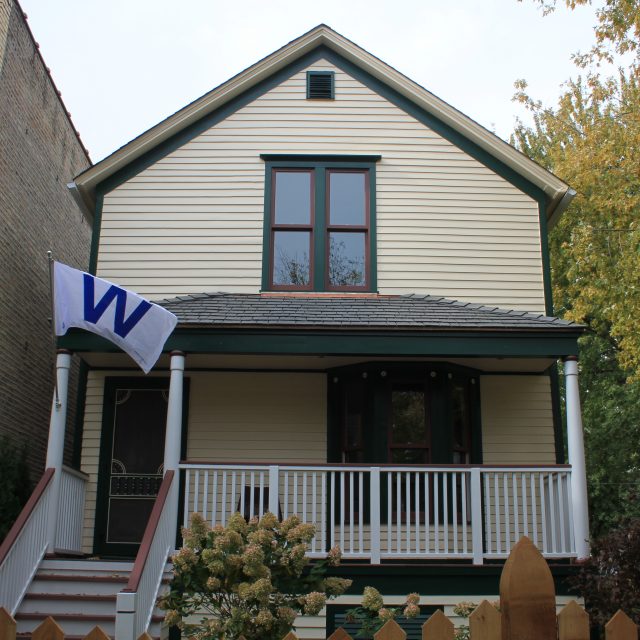
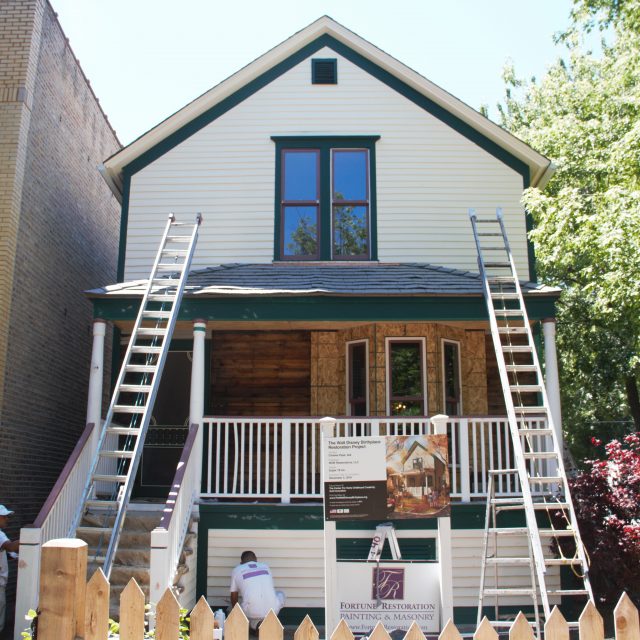
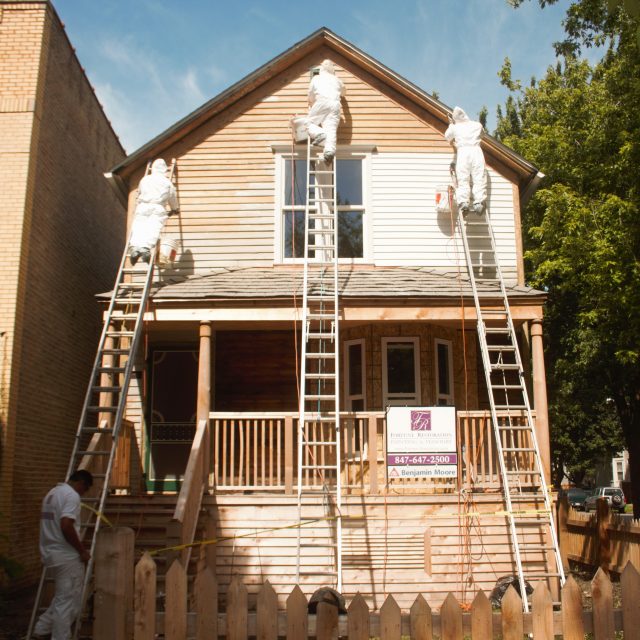
Birthplace of Walt Disney — Chicago, IL
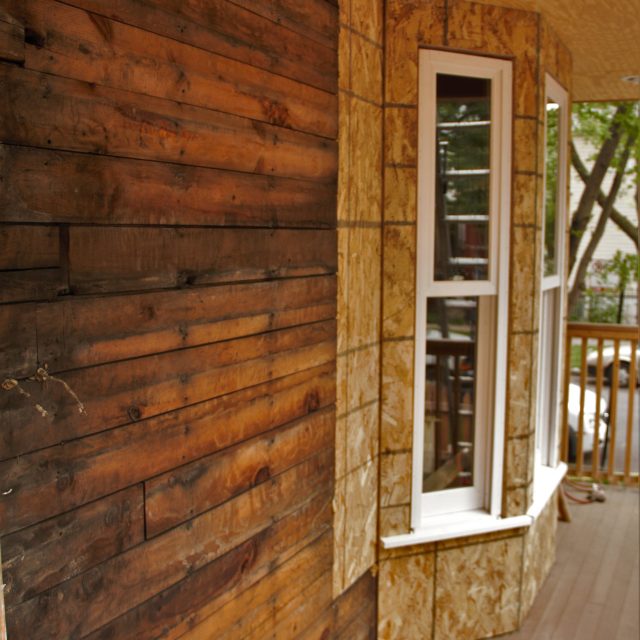
Restoration work at the Hermosa neighborhood home where Walt Disney was born in 1901. A modest frame house, but a property of significant cultural value that required careful preservation of original detail under the scrutiny of preservation advocates and Disney historians.
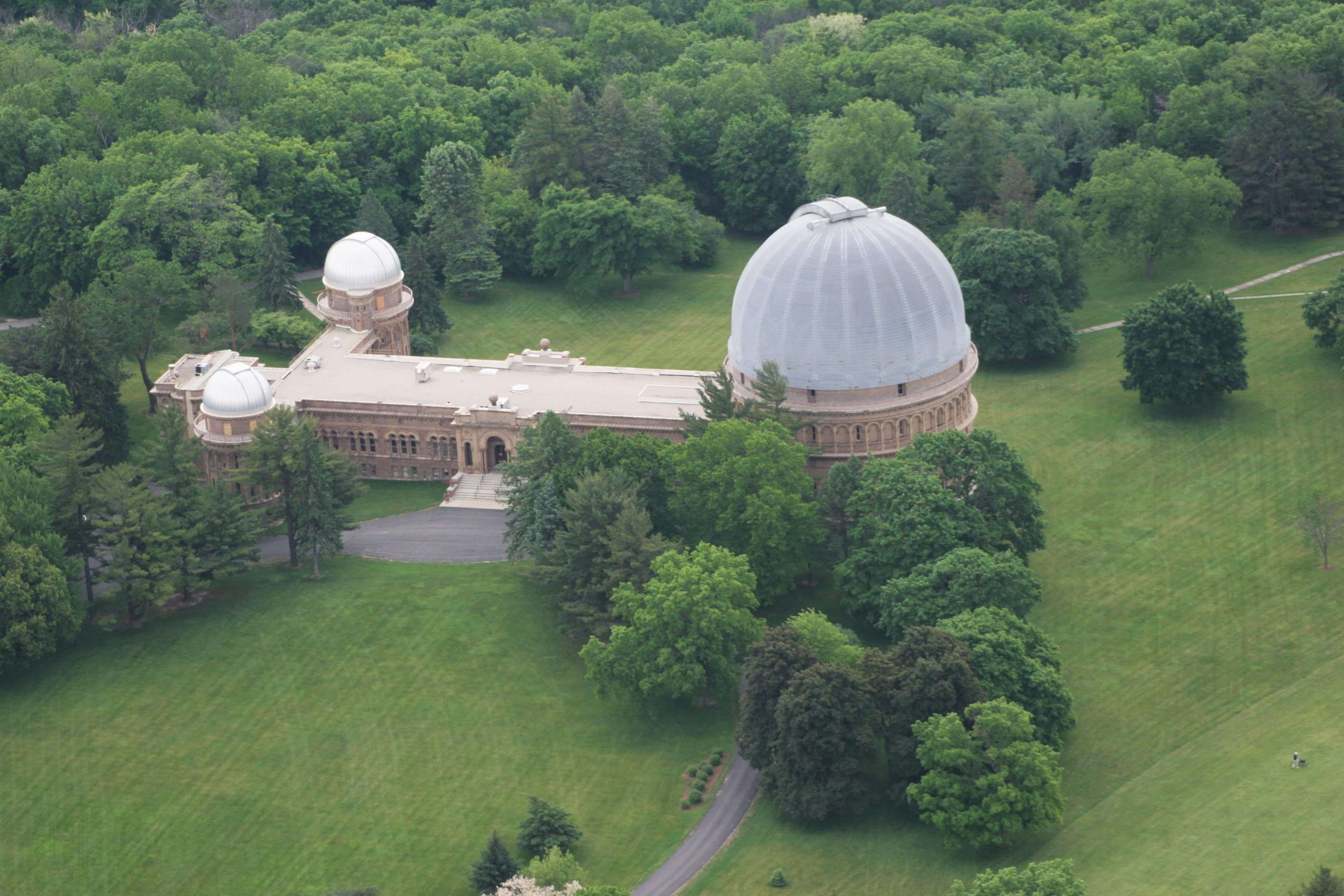
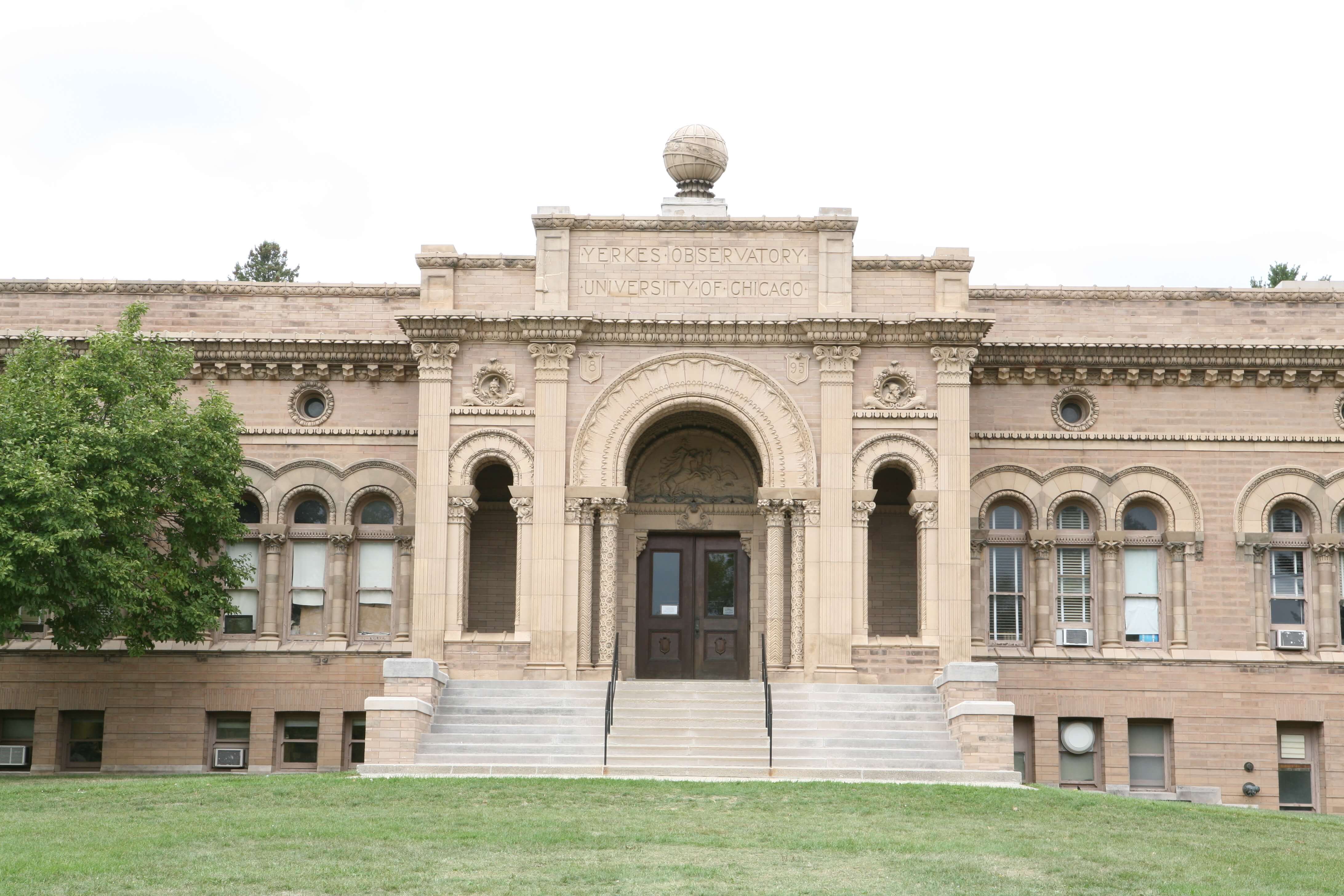
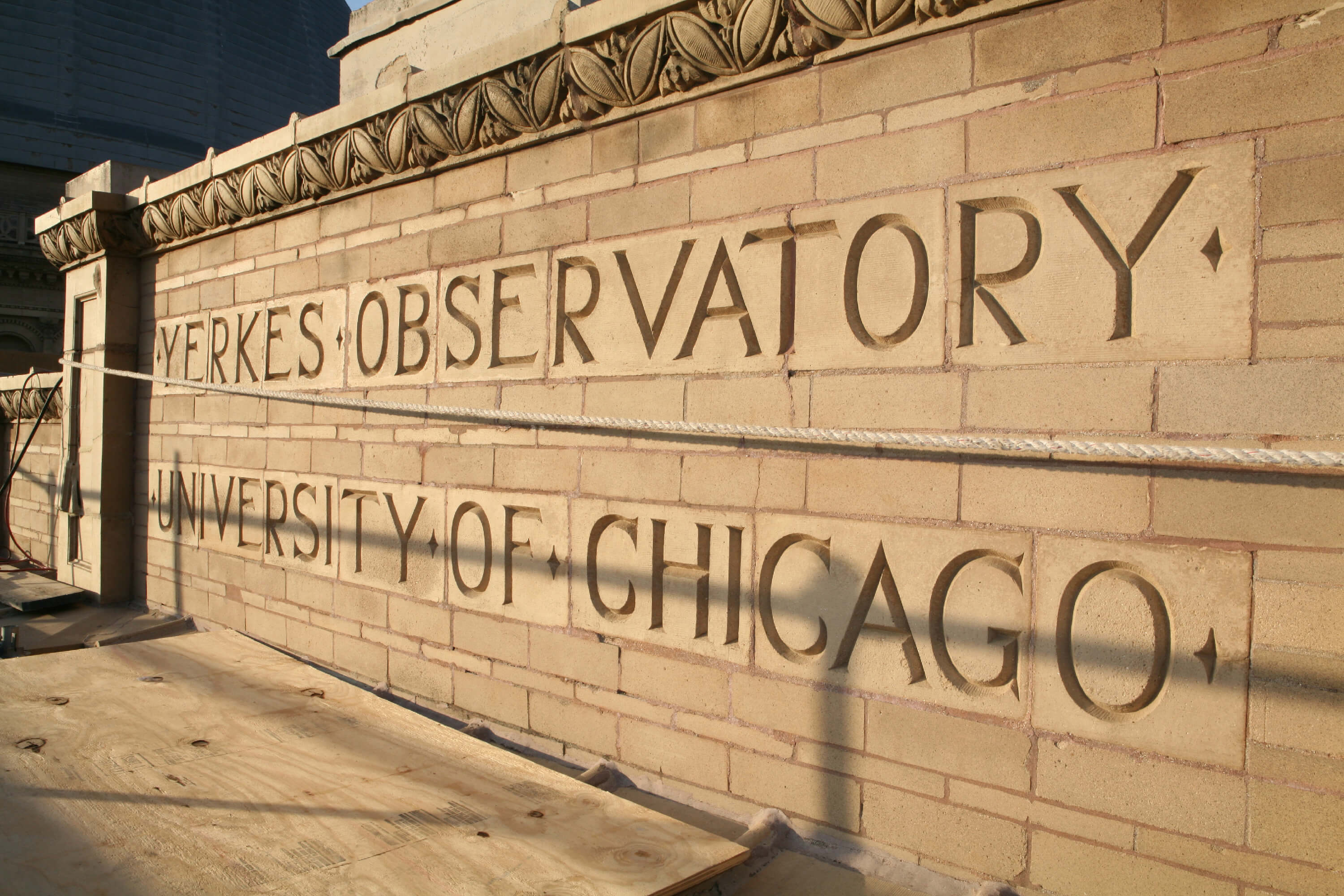
Yerkes Observatory — Williams Bay, WI
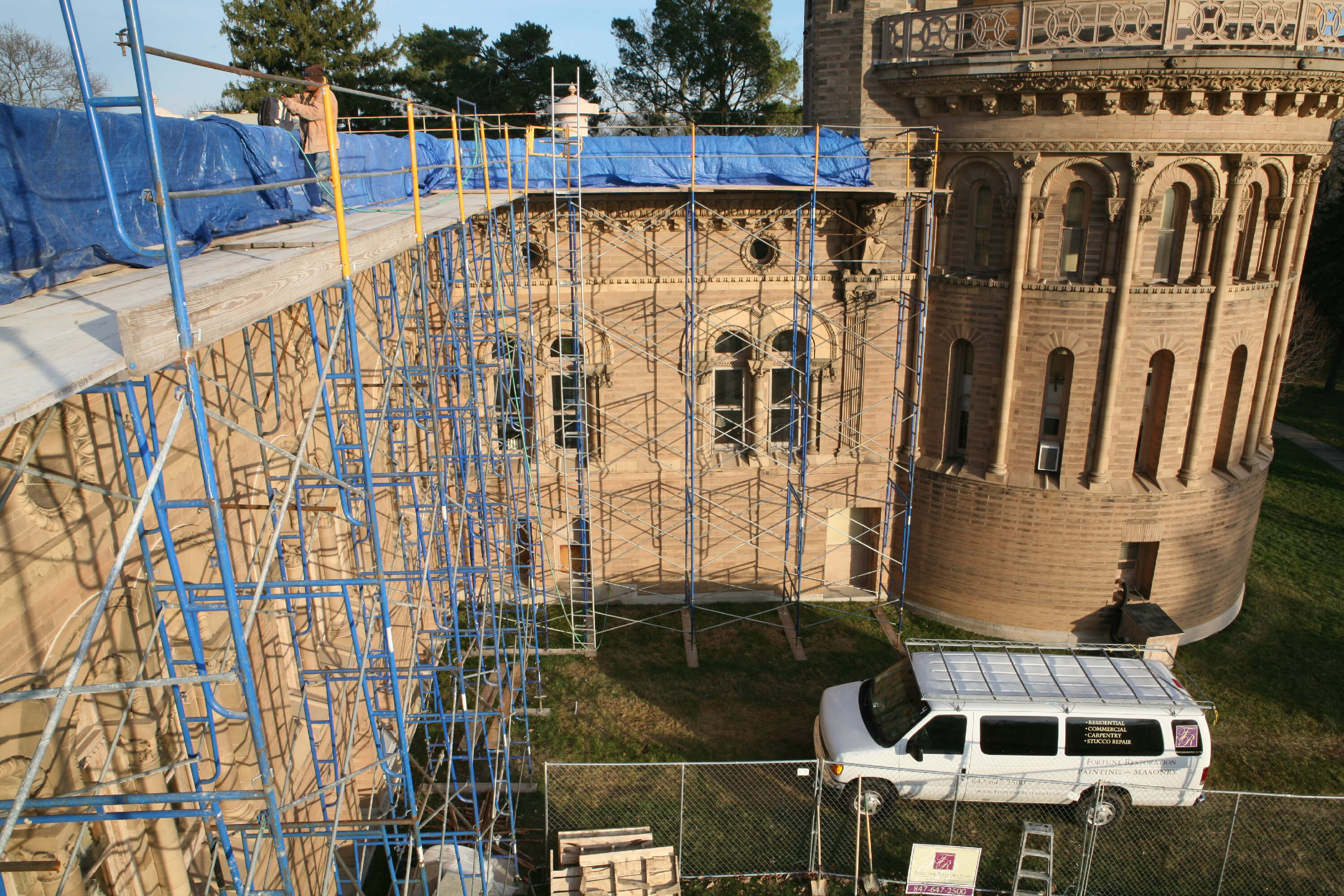
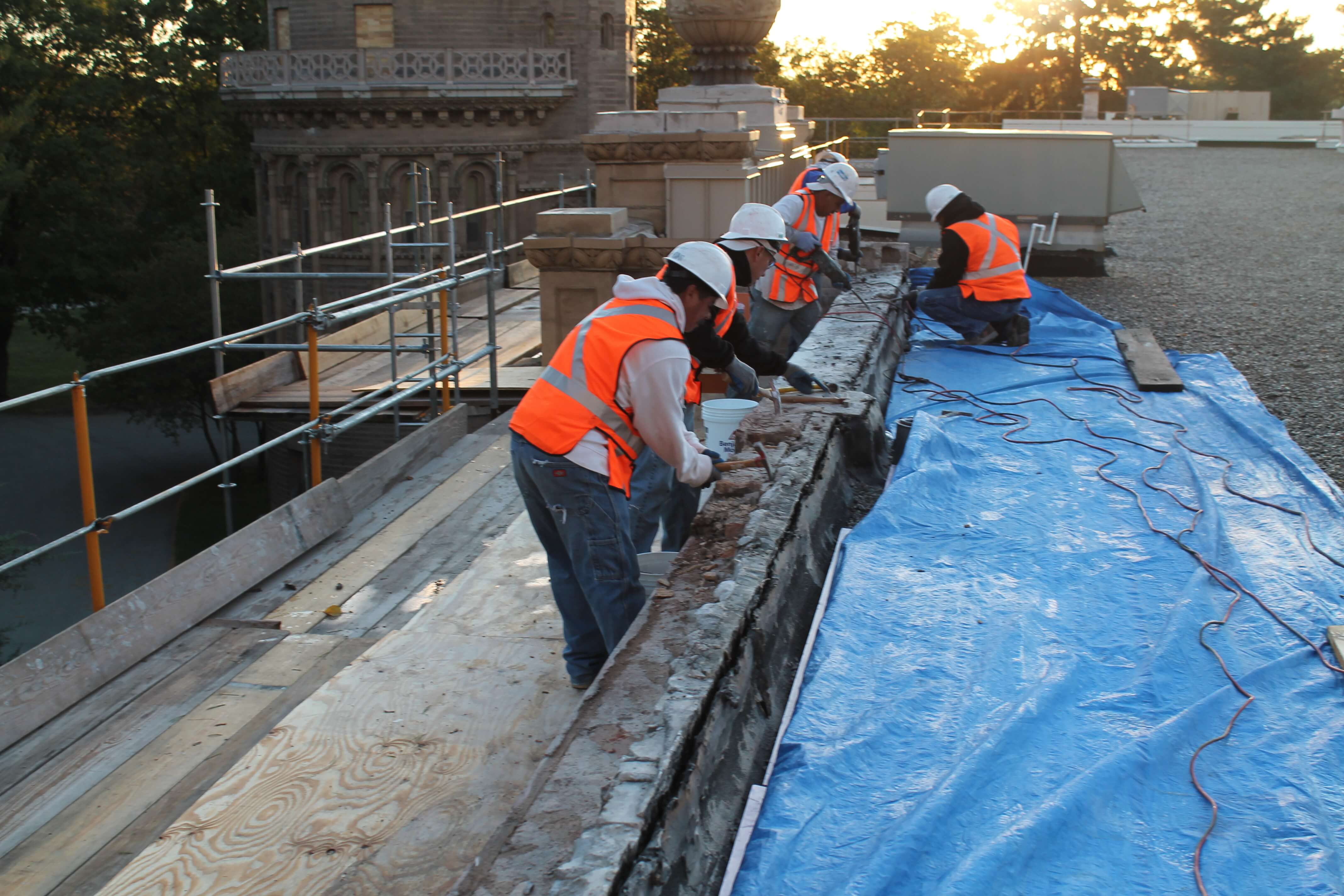
Historic restoration at Yerkes Observatory, the late-19th-century University of Chicago astronomical research station that holds the world’s largest refracting telescope. Restoration scope included exterior masonry, interior plaster, and metal railing systems on a building of exceptional architectural and scientific significance.
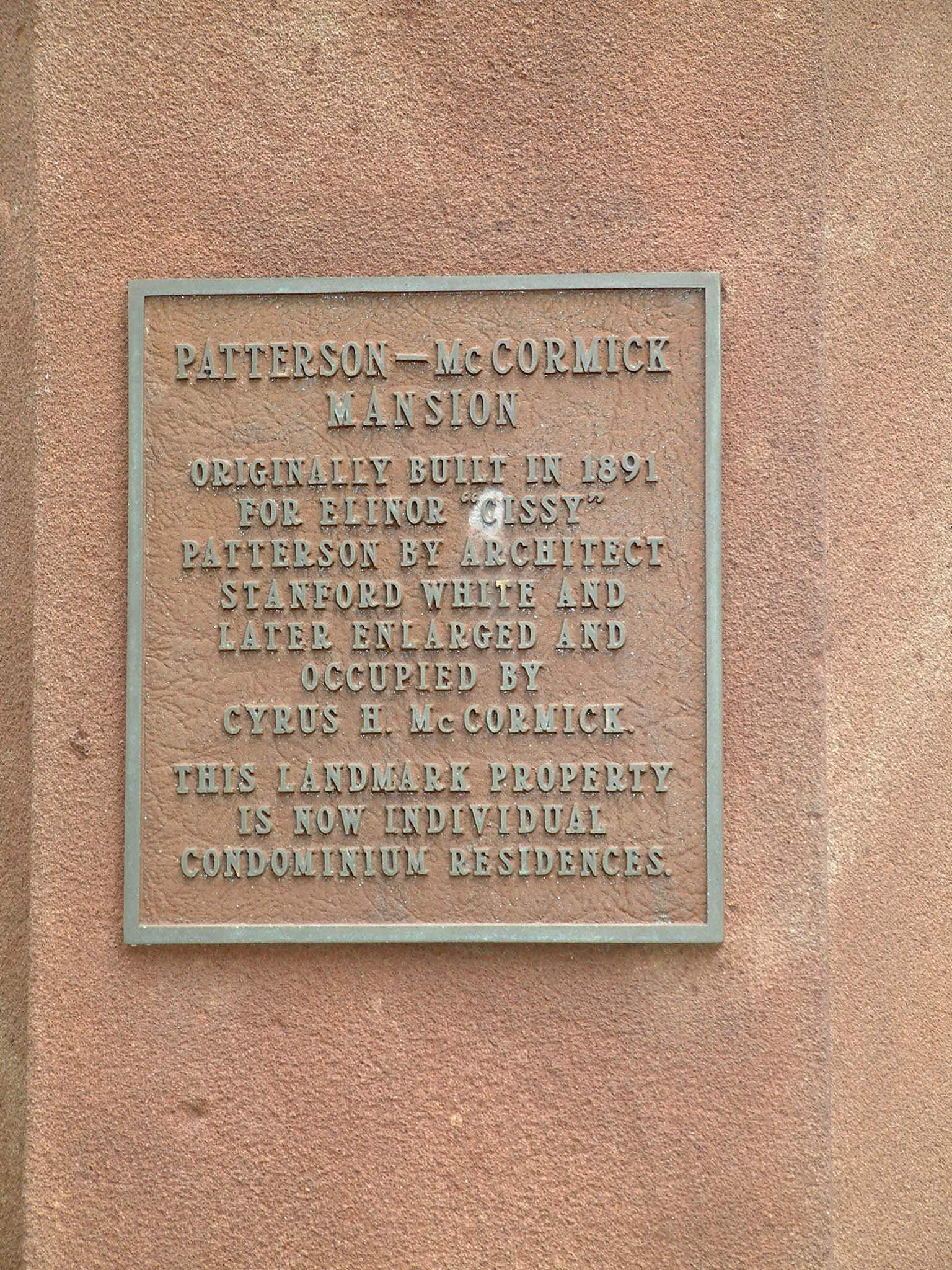
Patterson-McCormick Mansion — Gold Coast, Chicago
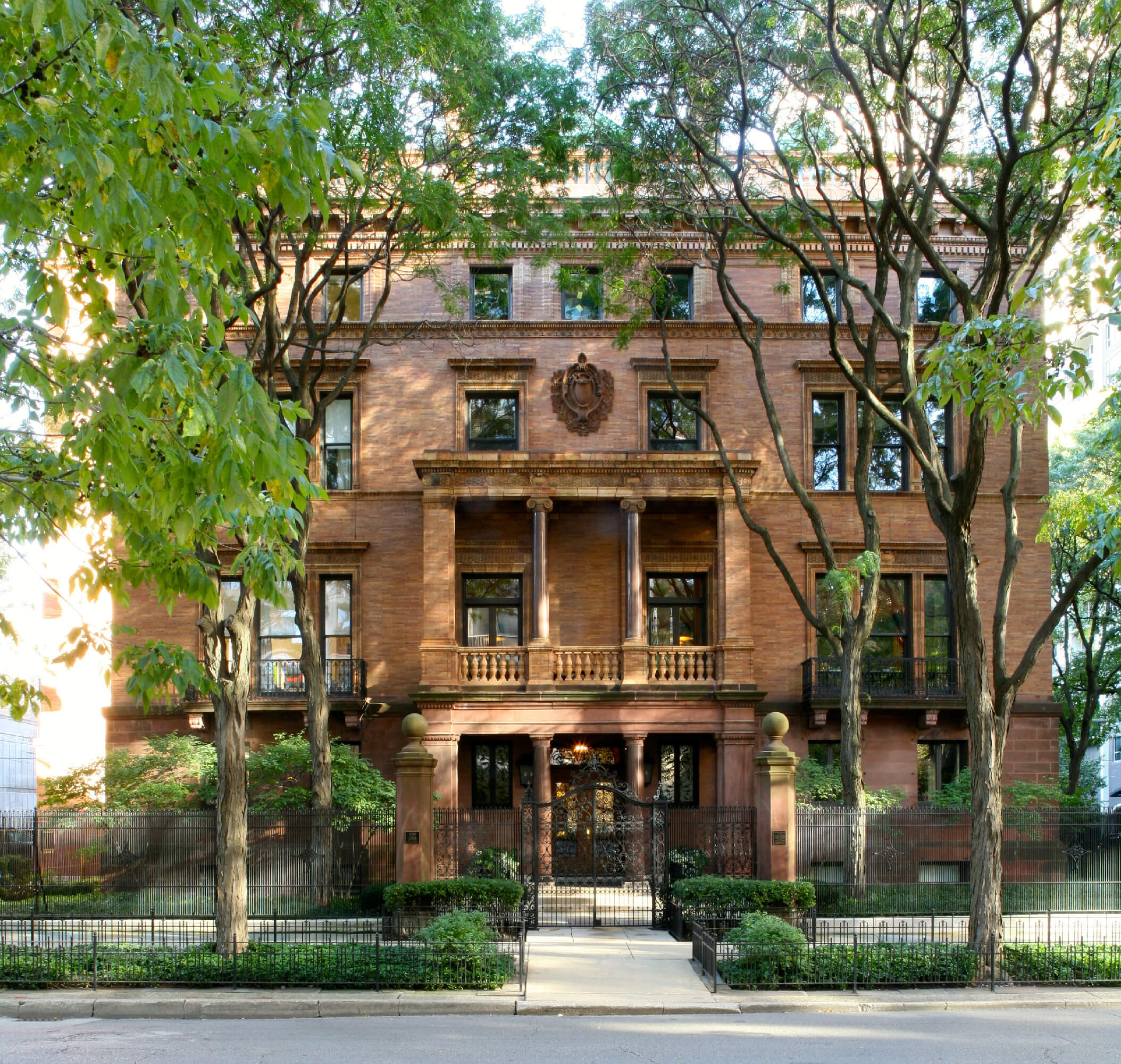
Restoration on the Patterson-McCormick Mansion in Chicago’s Gold Coast, a Stanford White-designed property and one of the great surviving Gilded Age residences in the city.
Noble Seymour Crippen House — Norwood Park, Chicago
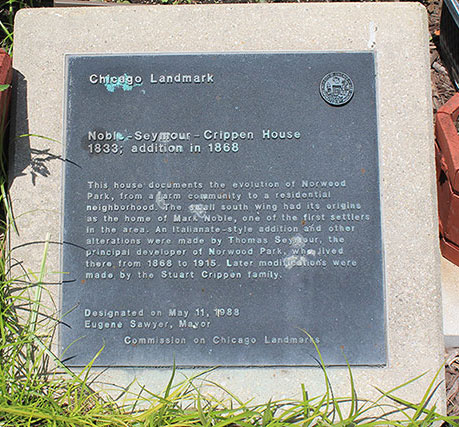
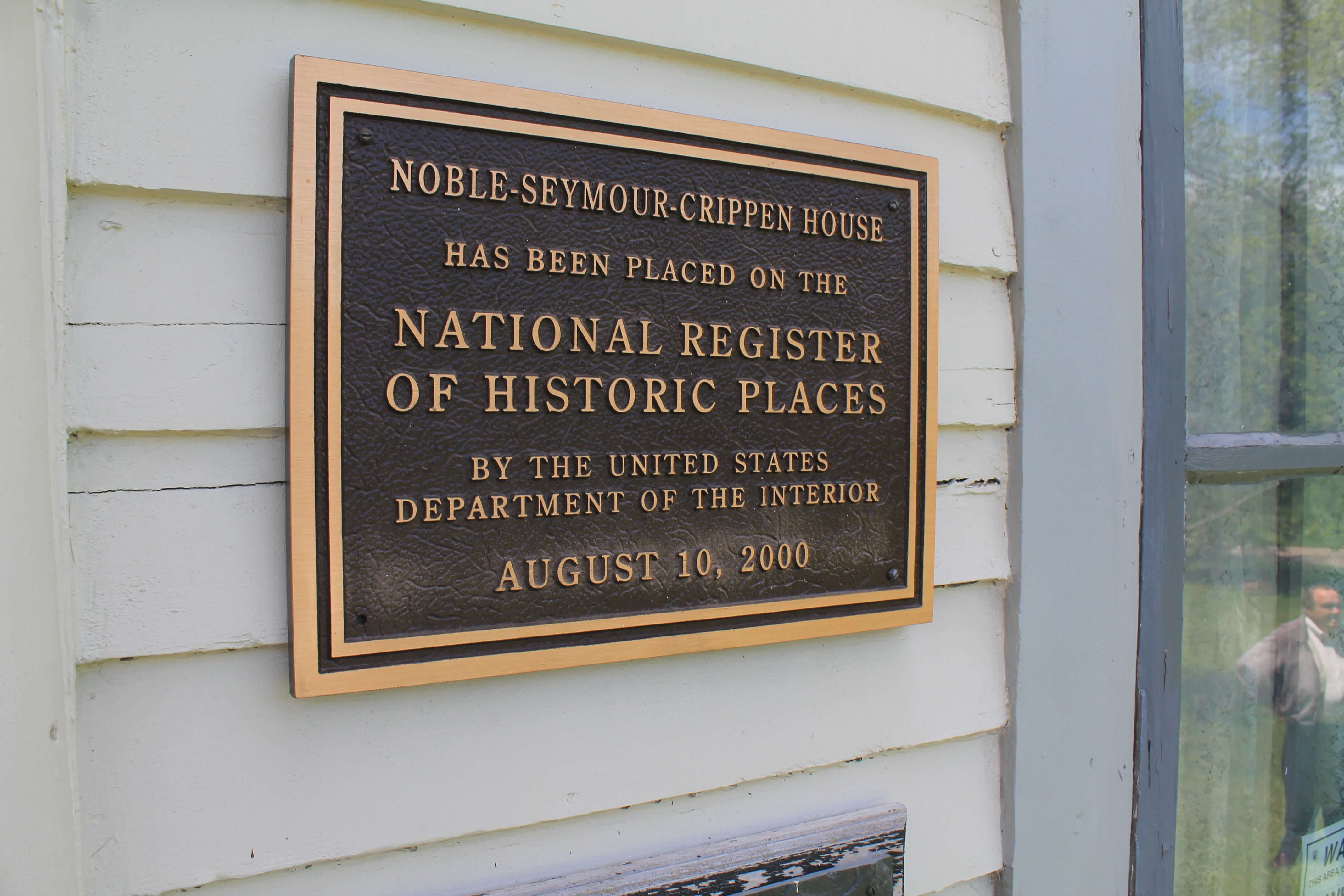
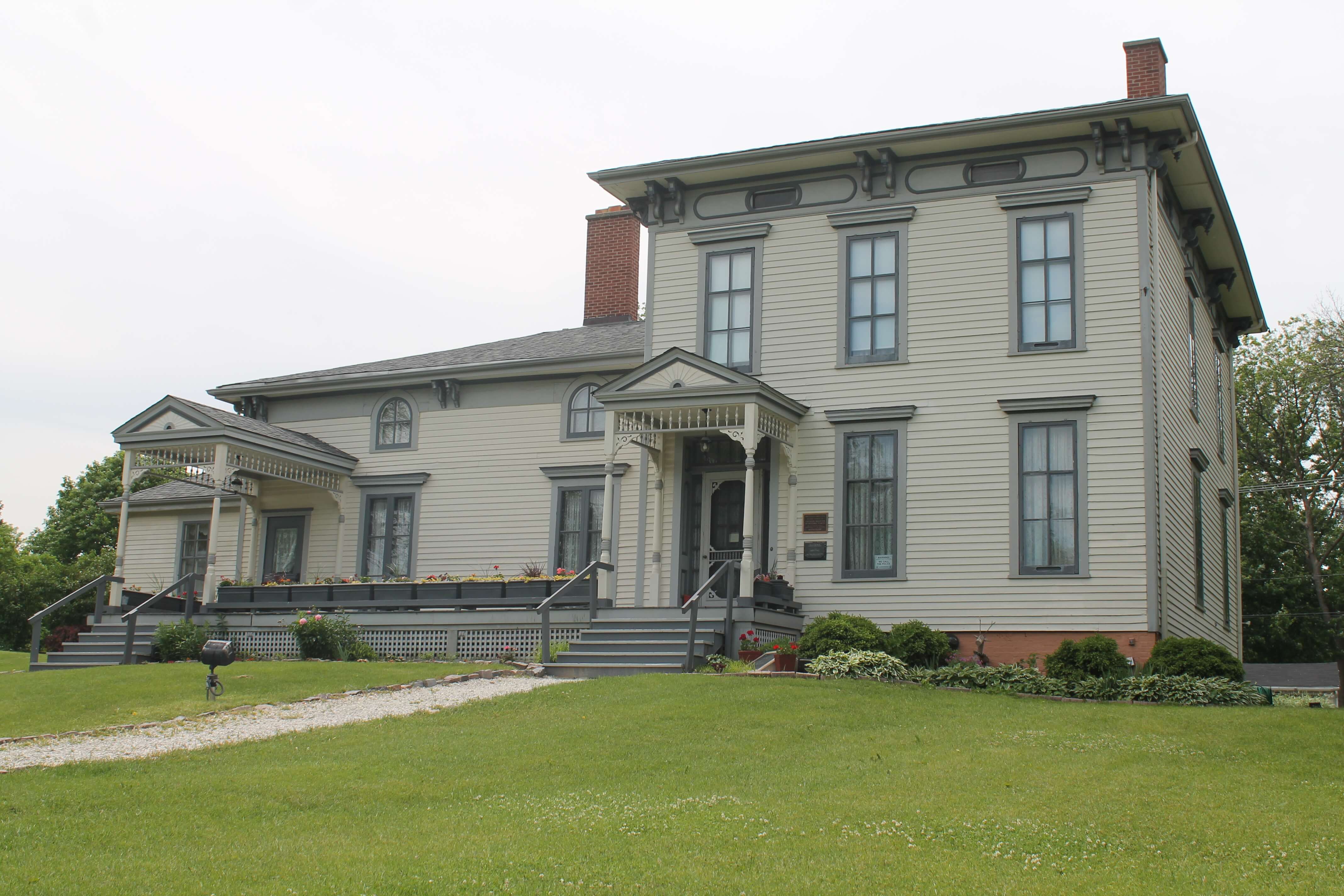
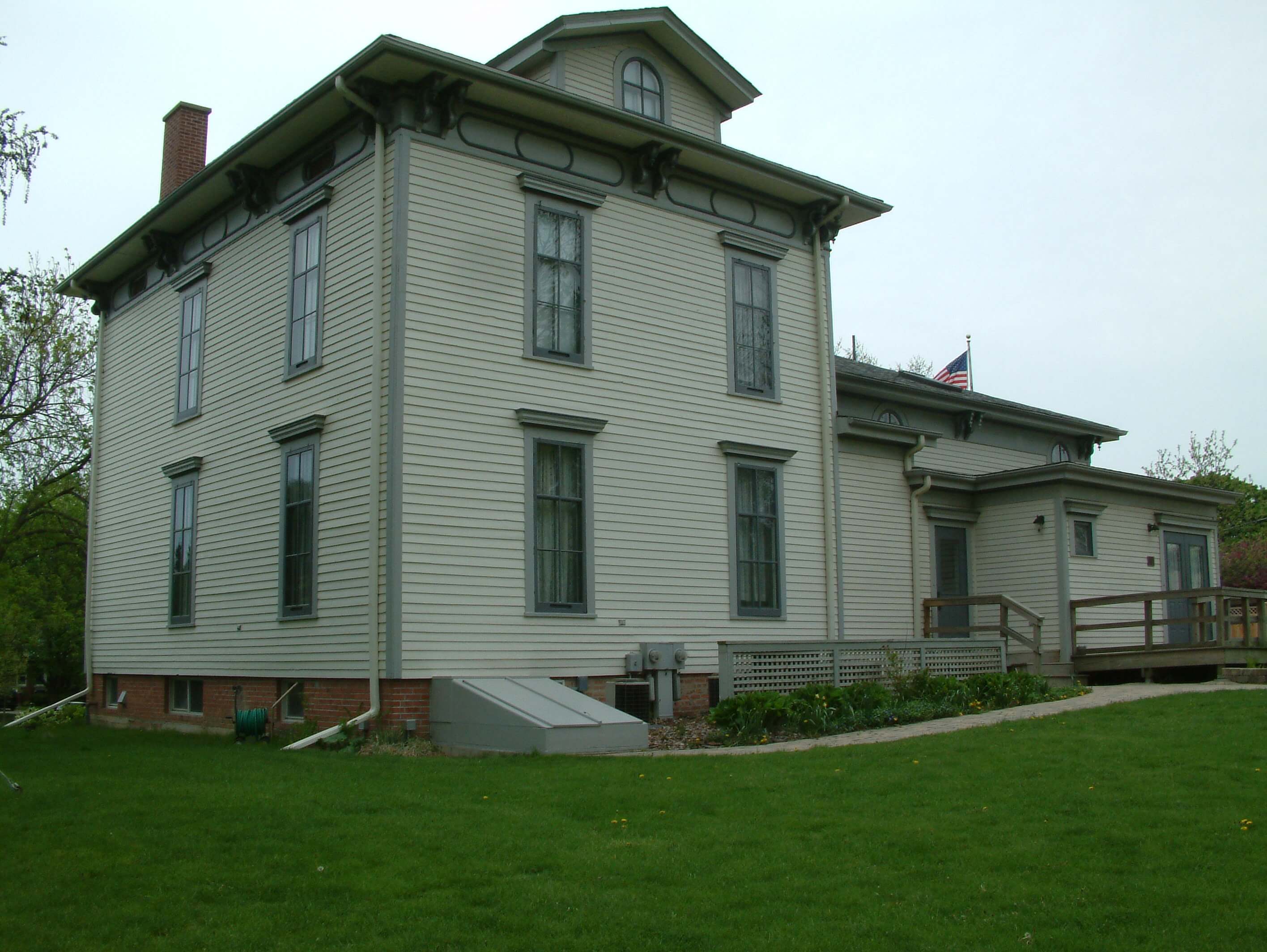
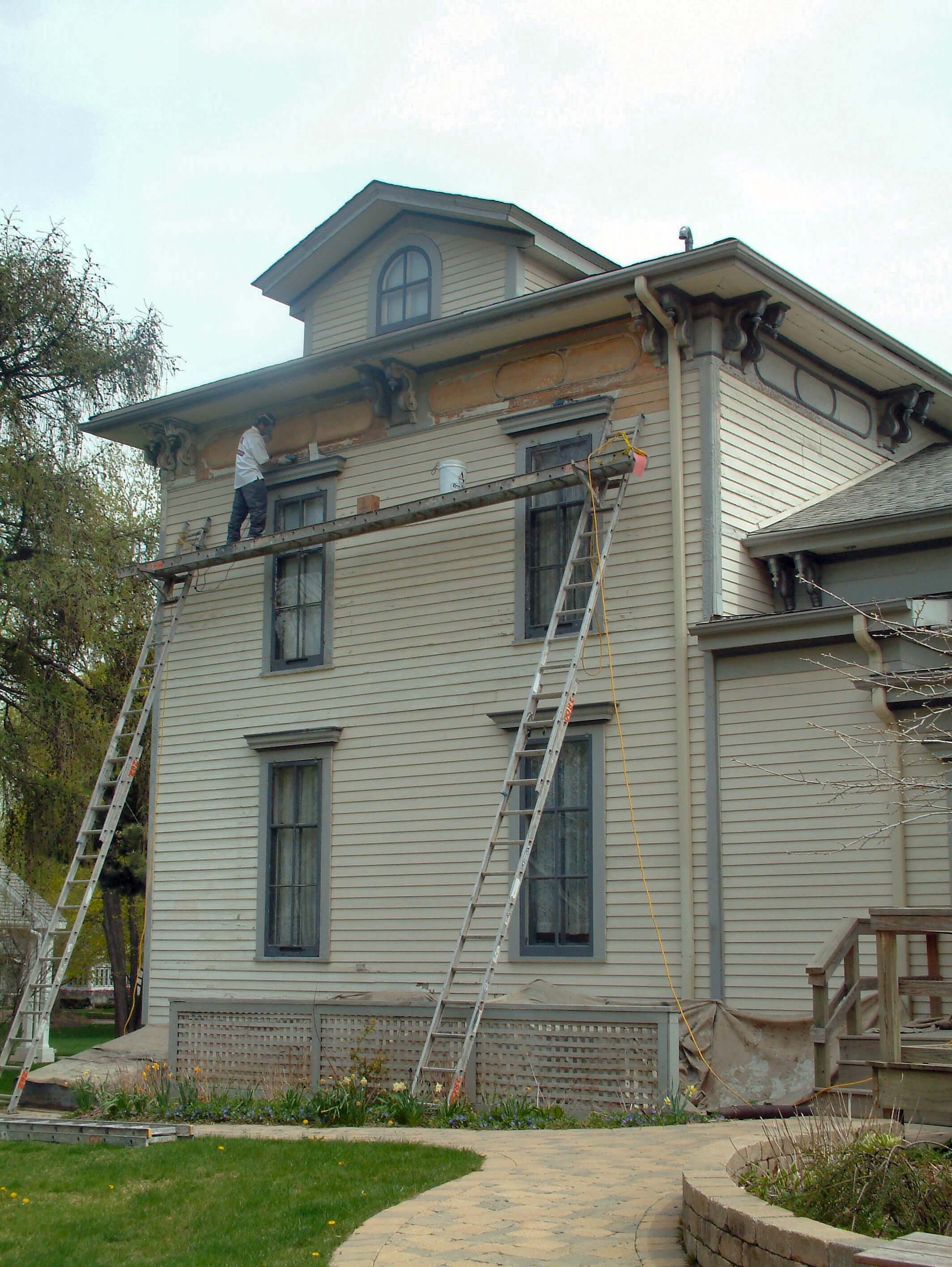
Restoration of the Noble Seymour Crippen House, the oldest house in Chicago, dating to 1833. Exterior painting, custom millwork, masonry repair, and brick work on a property that predates virtually everything else still standing in the city.
Biograph Theater — Lincoln Park, Chicago
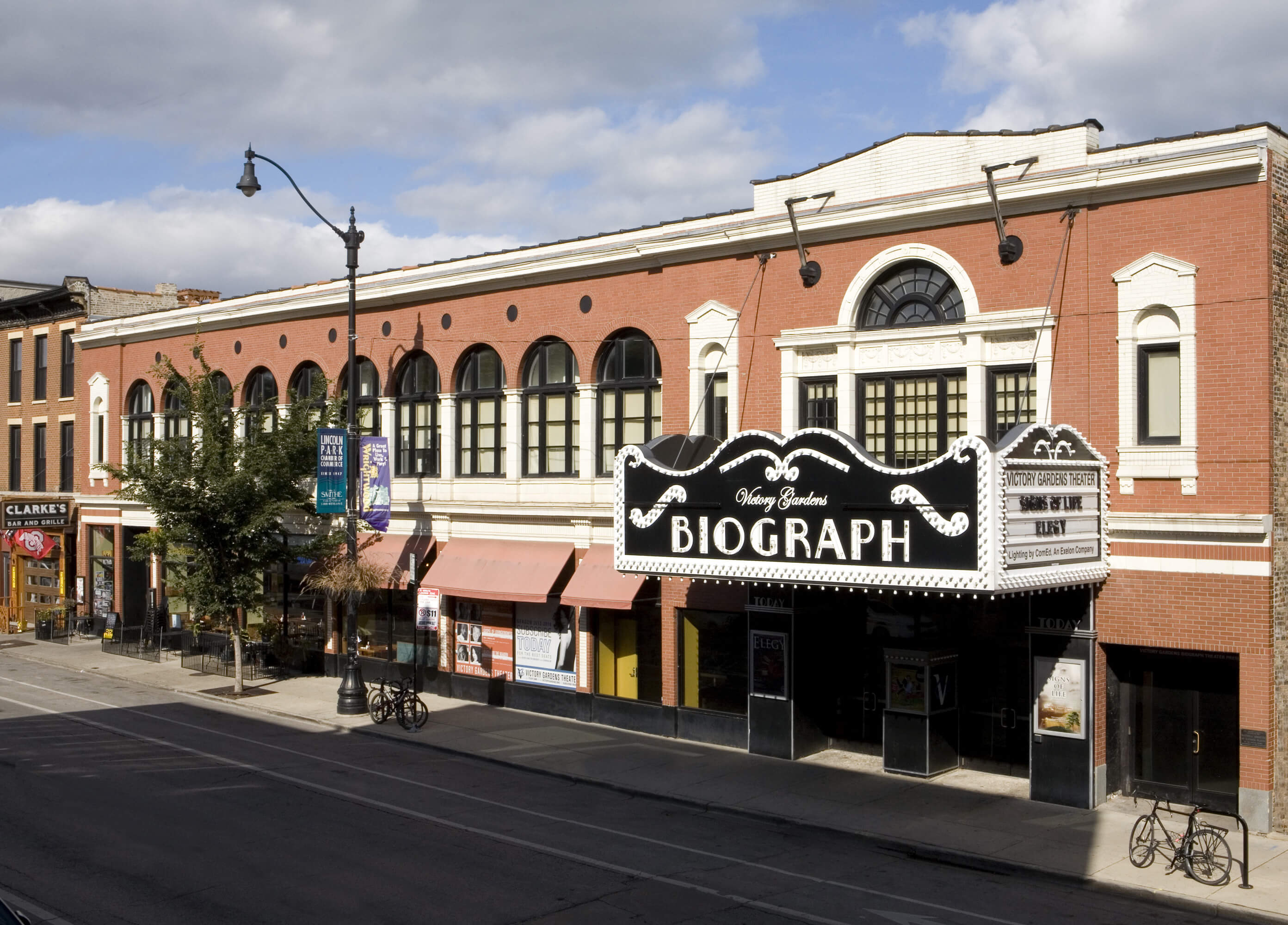
Restoration work at the Biograph Theater in Lincoln Park, the 1914 movie house outside which John Dillinger was killed in 1934. A Chicago Landmark and a property whose facade restoration carried both architectural and cultural weight.
Italian Village — Chicago Loop
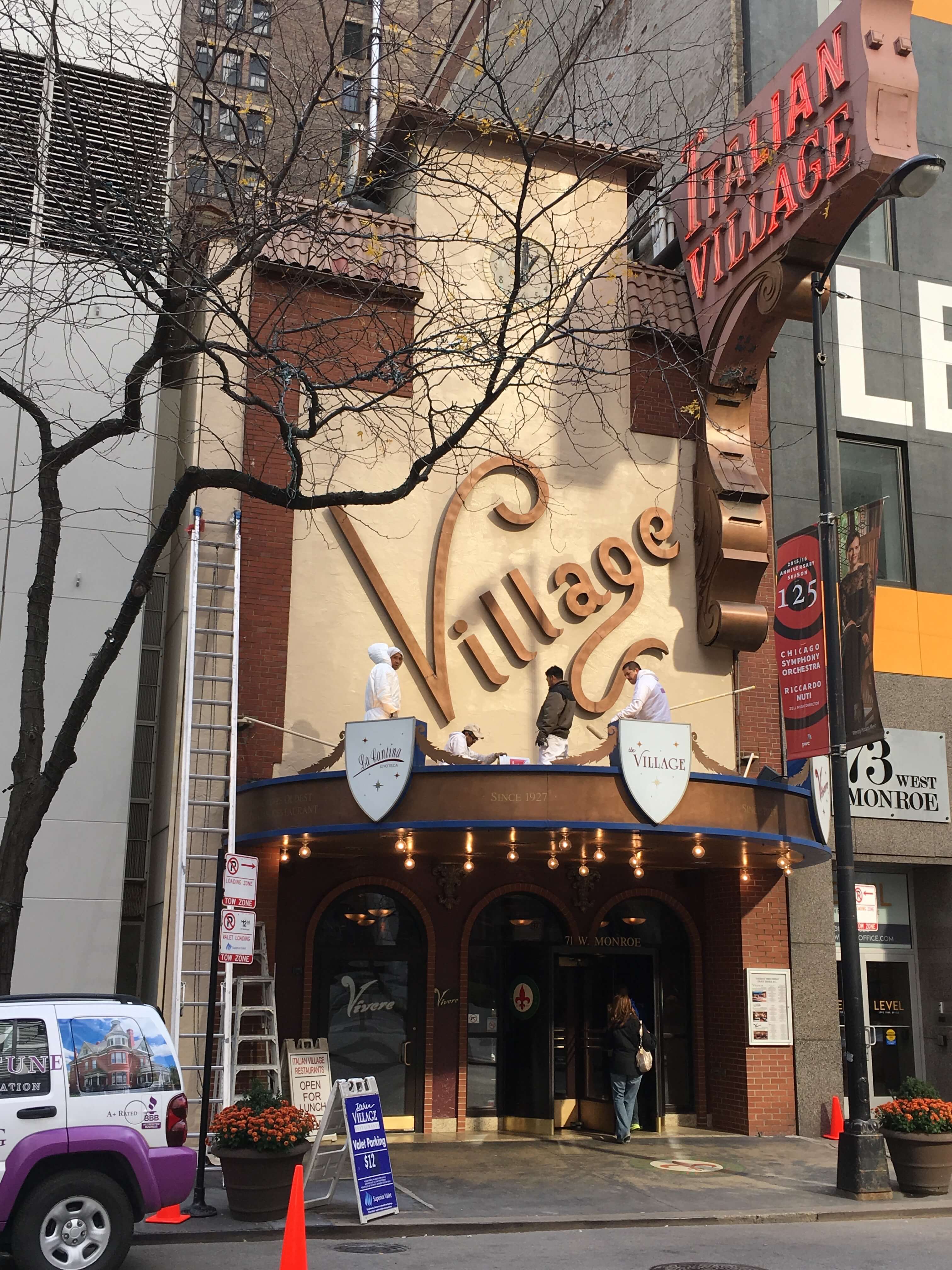
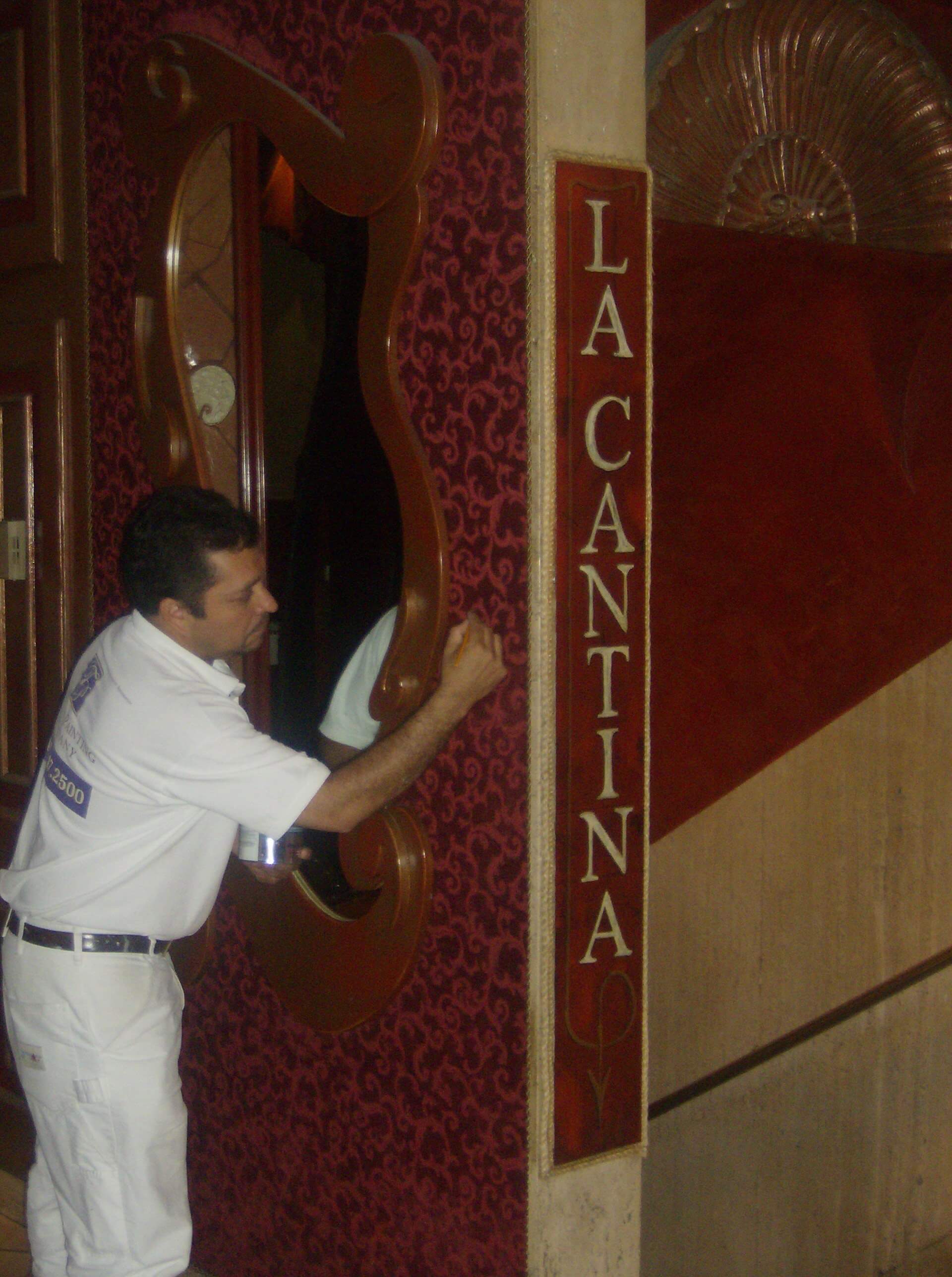
Restoration at Italian Village restaurant in the Loop, one of Chicago’s oldest continuously operating Italian restaurants. Interior painting, plaster repair, and decorative work in a space that’s been part of the city’s culinary fabric since 1927.
Flanders & Zimmerman — Oak Park, IL
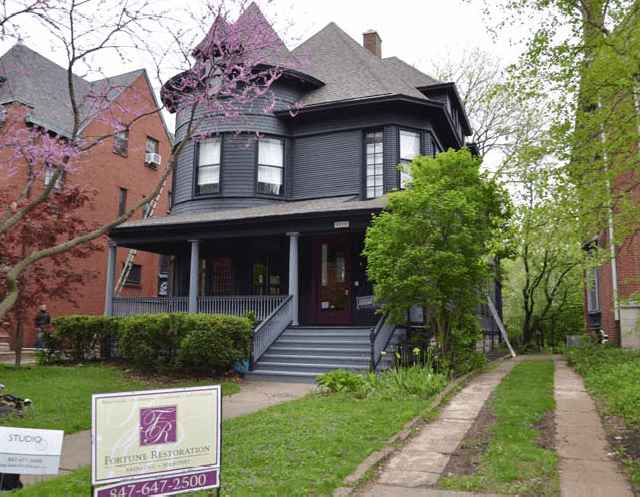
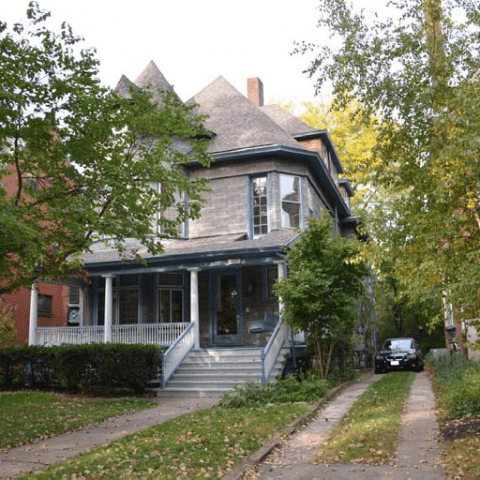
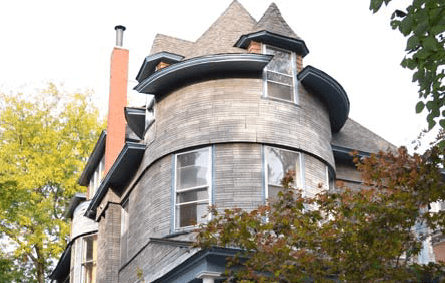
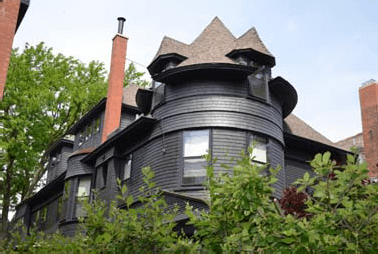
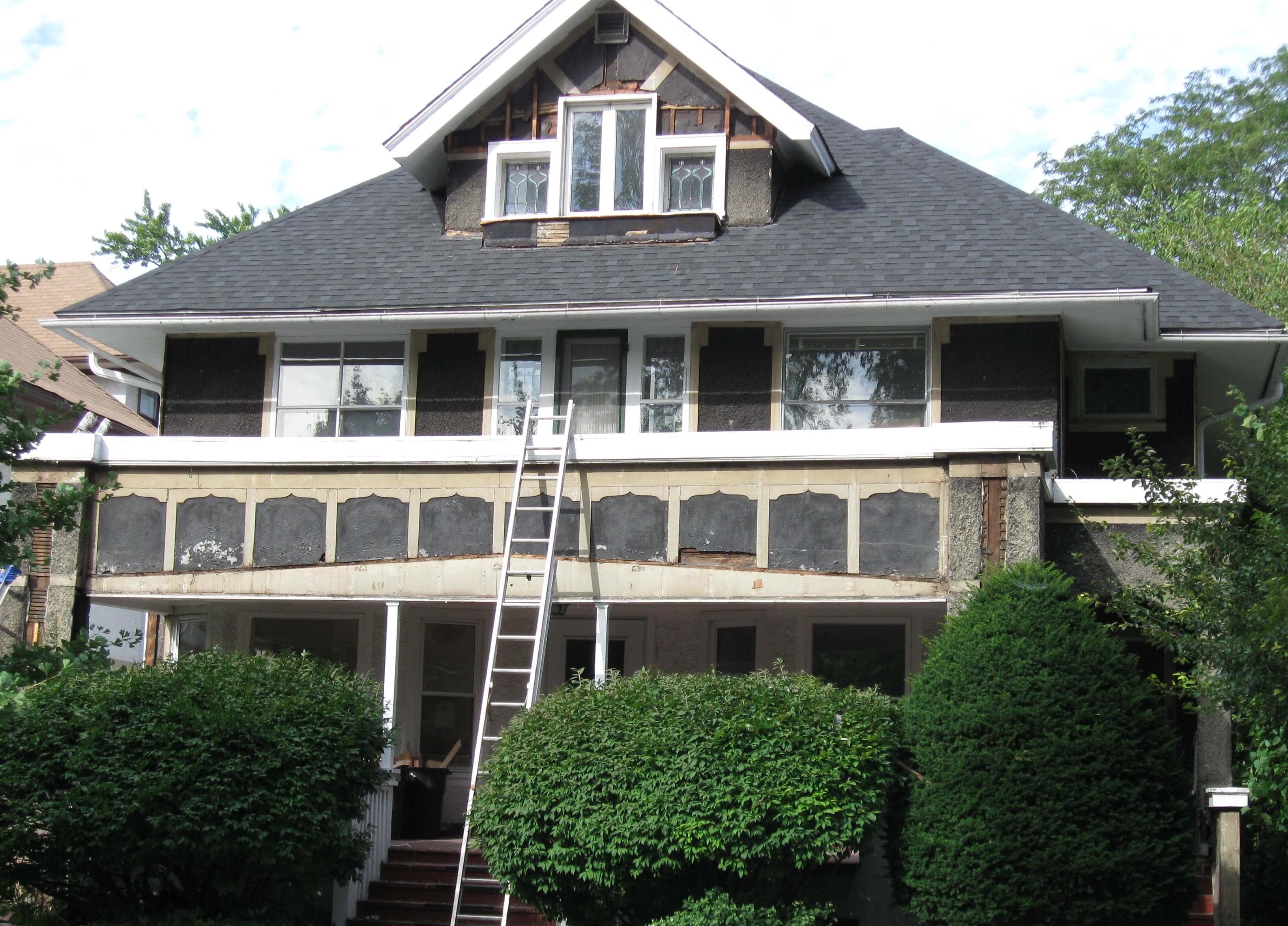
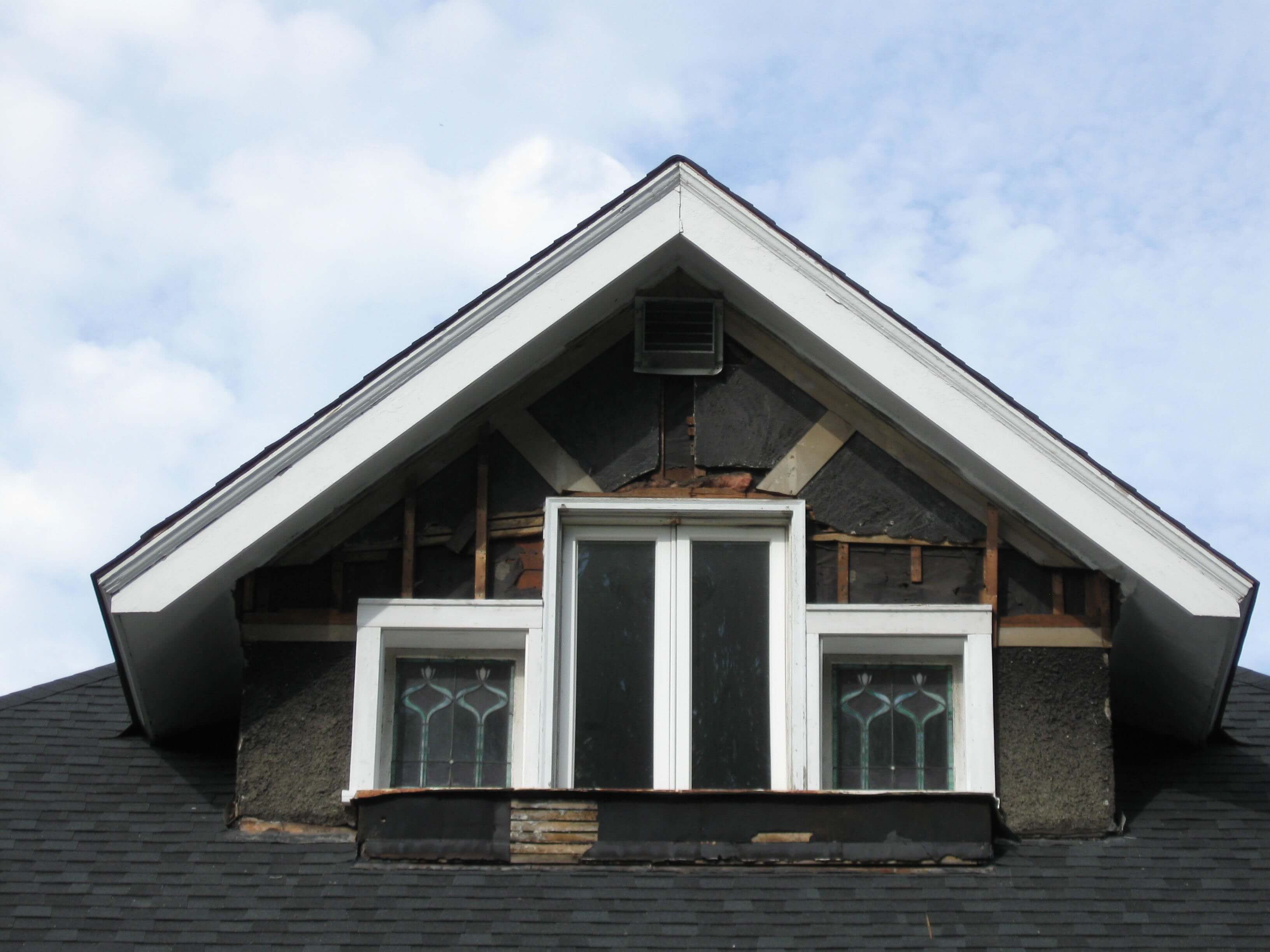
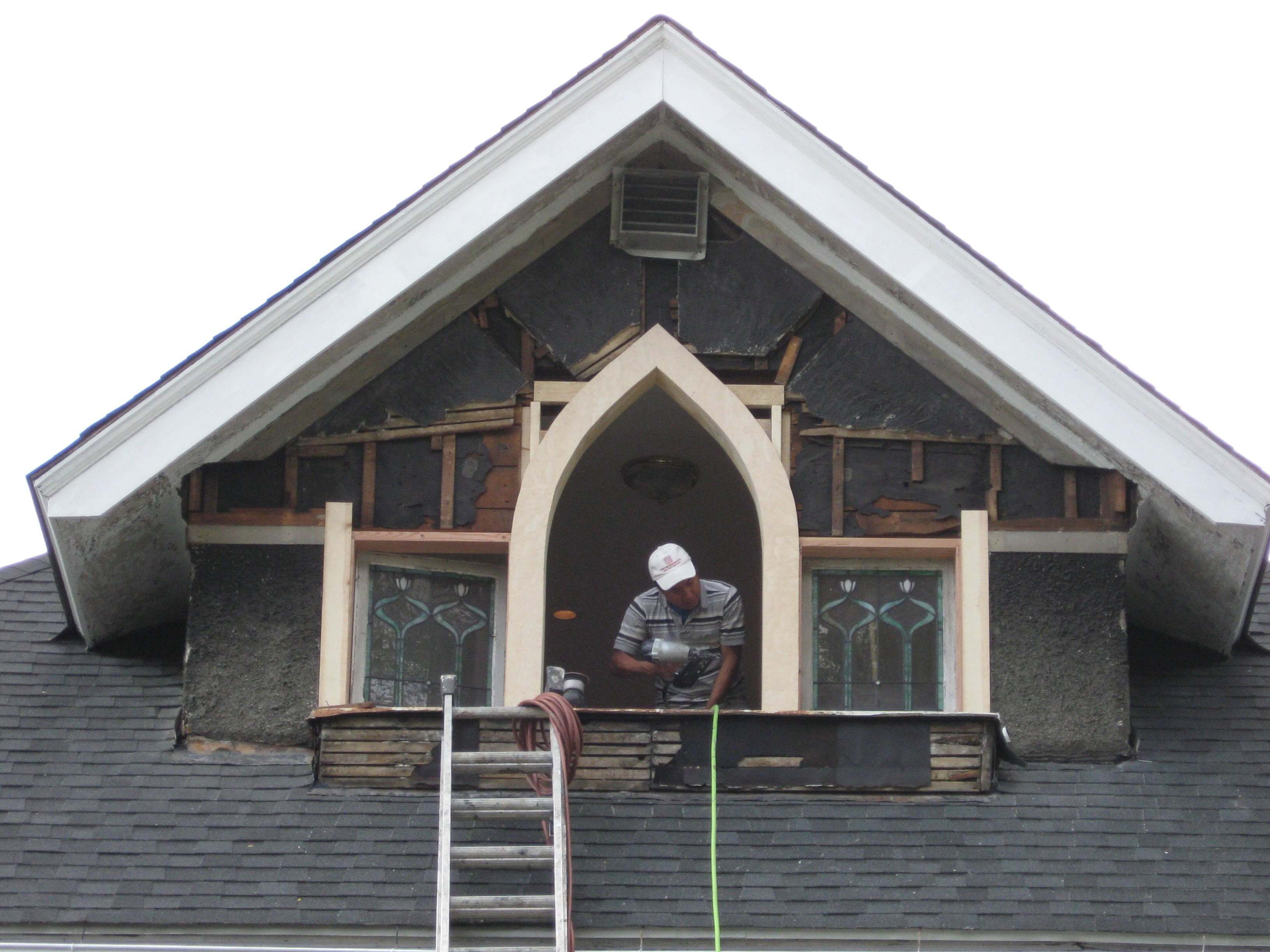
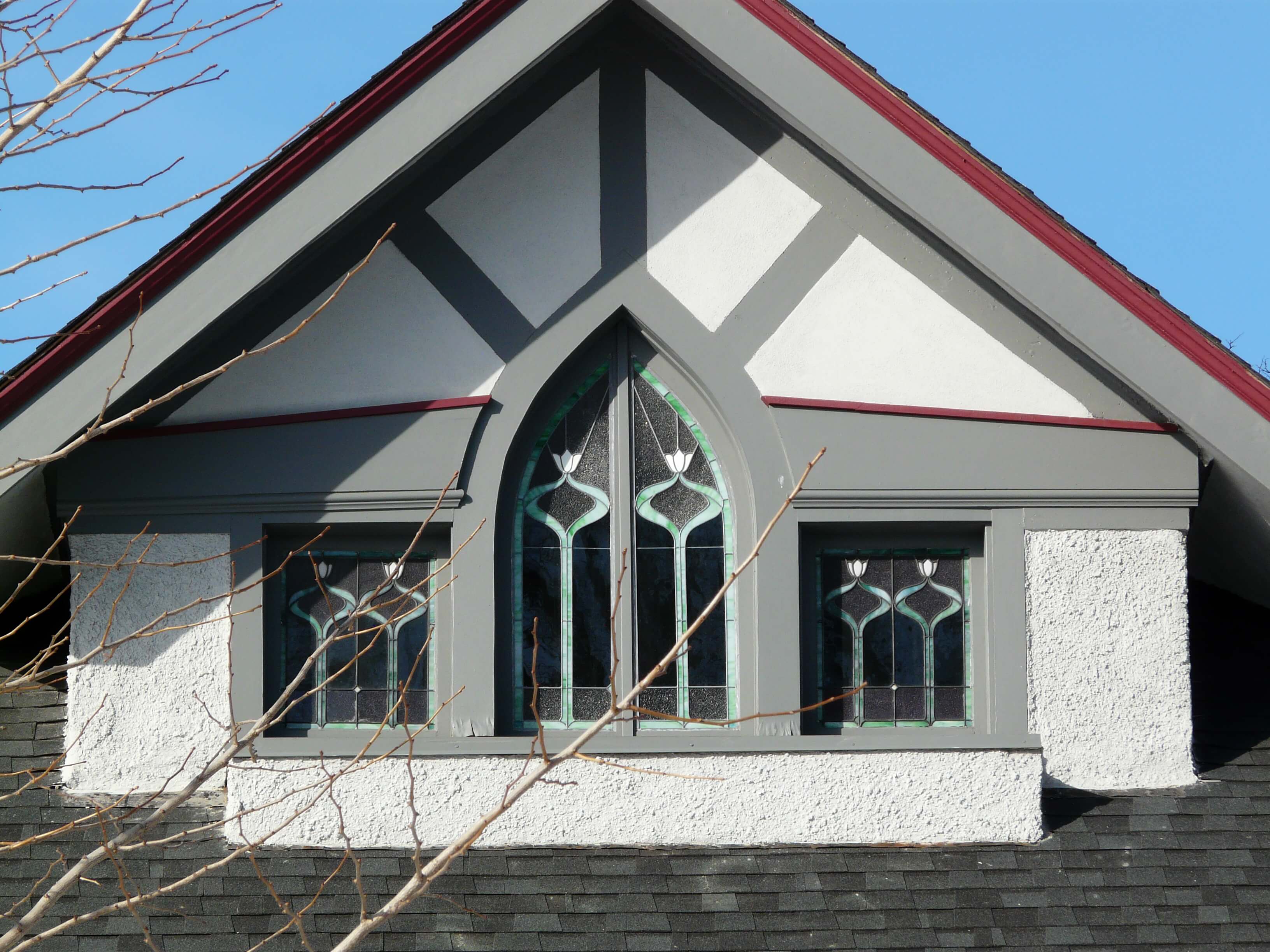
Restoration of the Flanders & Zimmerman home in Oak Park. Exterior color recovery, turret restoration, and award-recognized preservation work on a Queen Anne residence in one of America’s premier historic neighborhoods.
E.E. Roberts Homes — Oak Park, IL
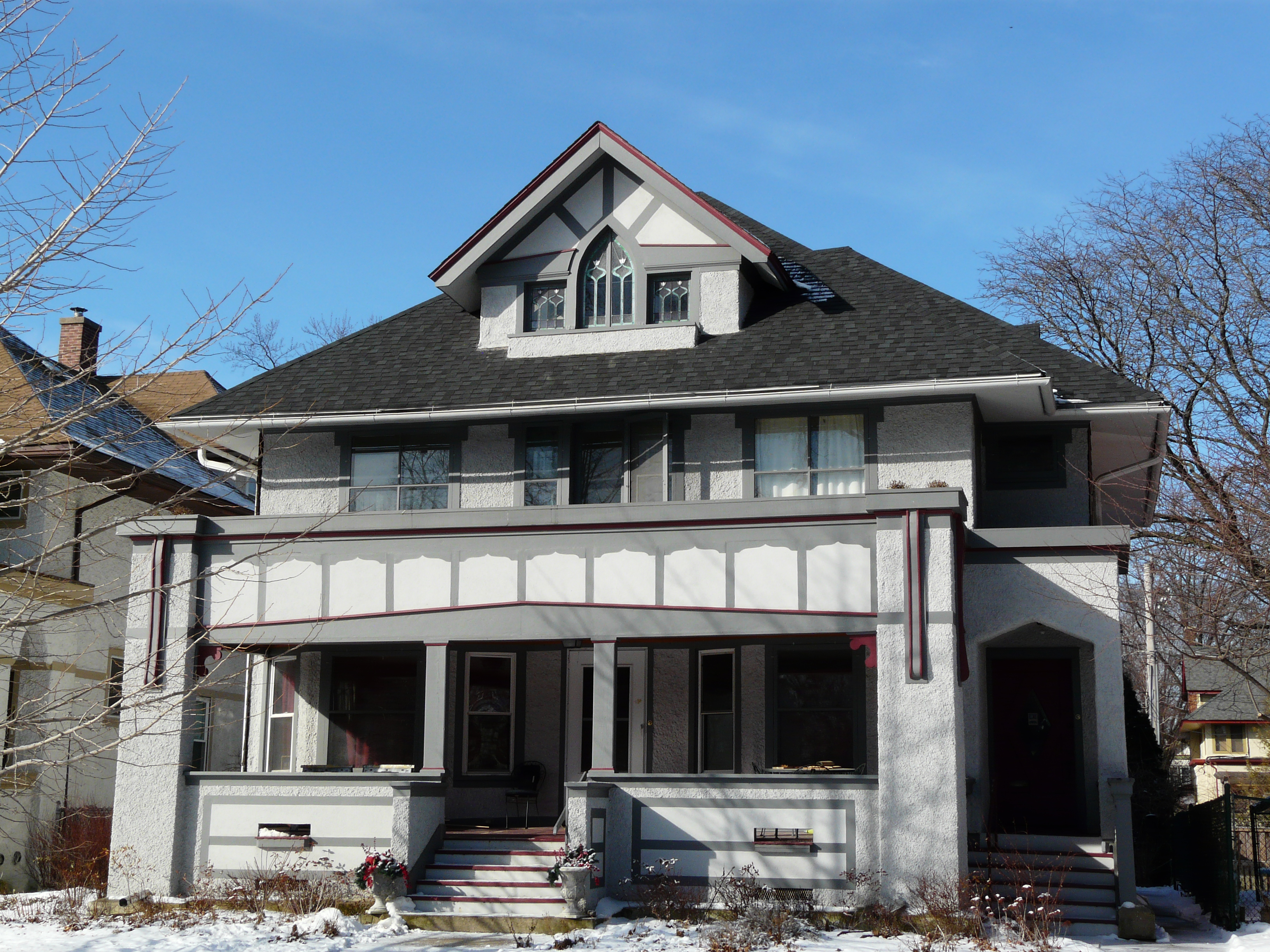
Restoration of homes designed by E.E. Roberts, the prolific Oak Park architect whose Prairie-style and Queen Anne residences number in the hundreds across the village. Exterior painting, structural carpentry, and porch reconstruction on multiple Roberts properties.
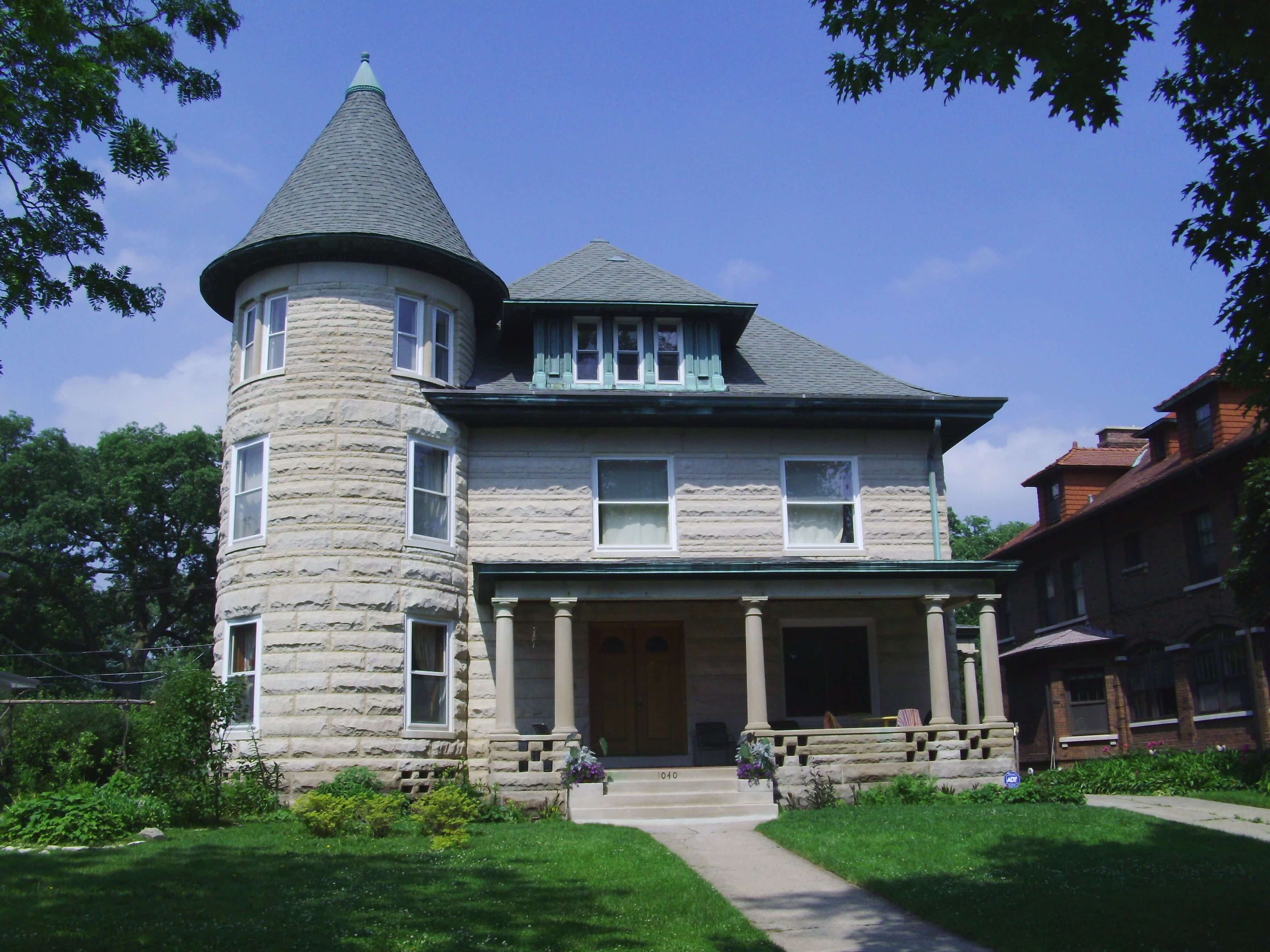
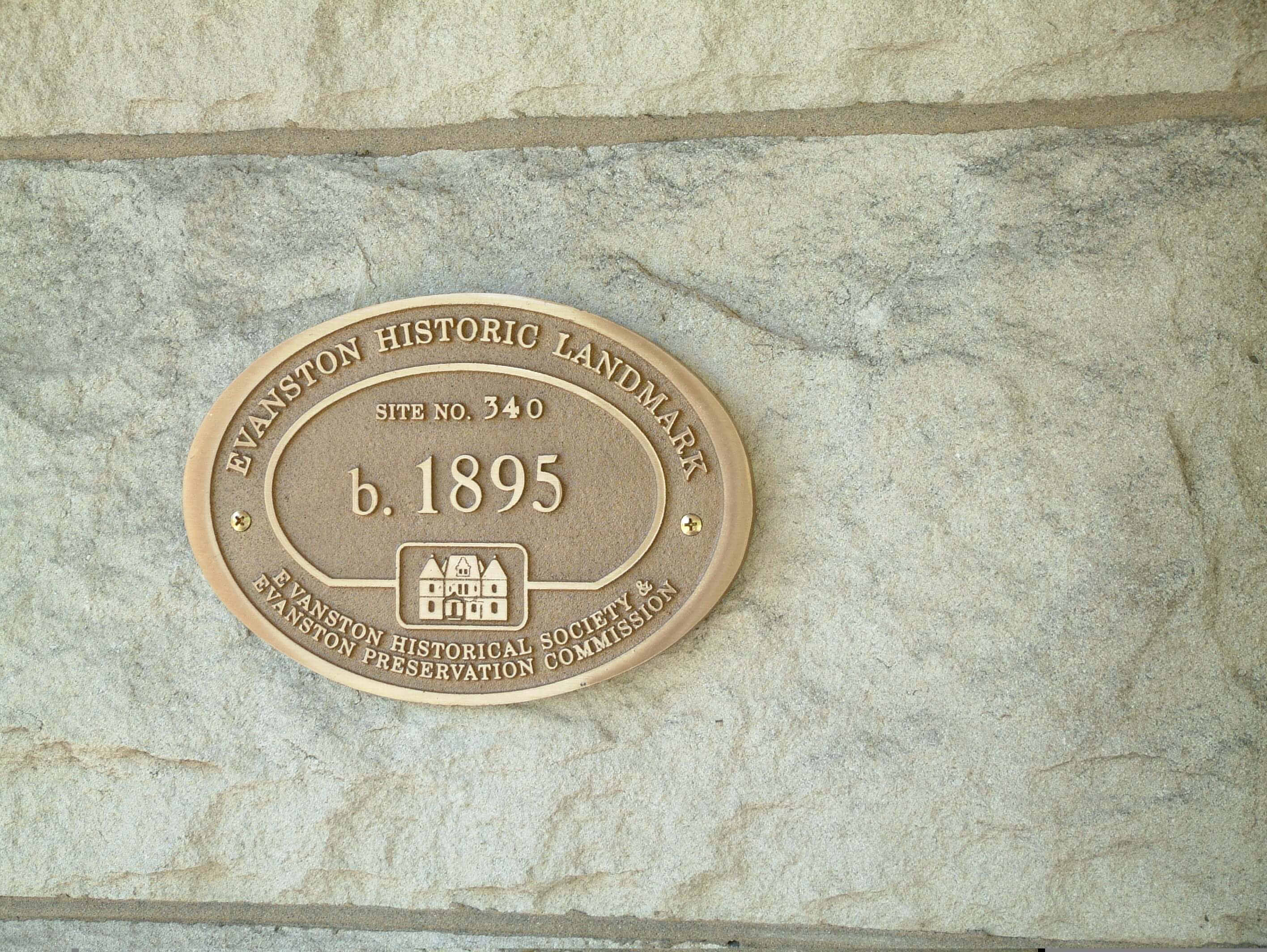
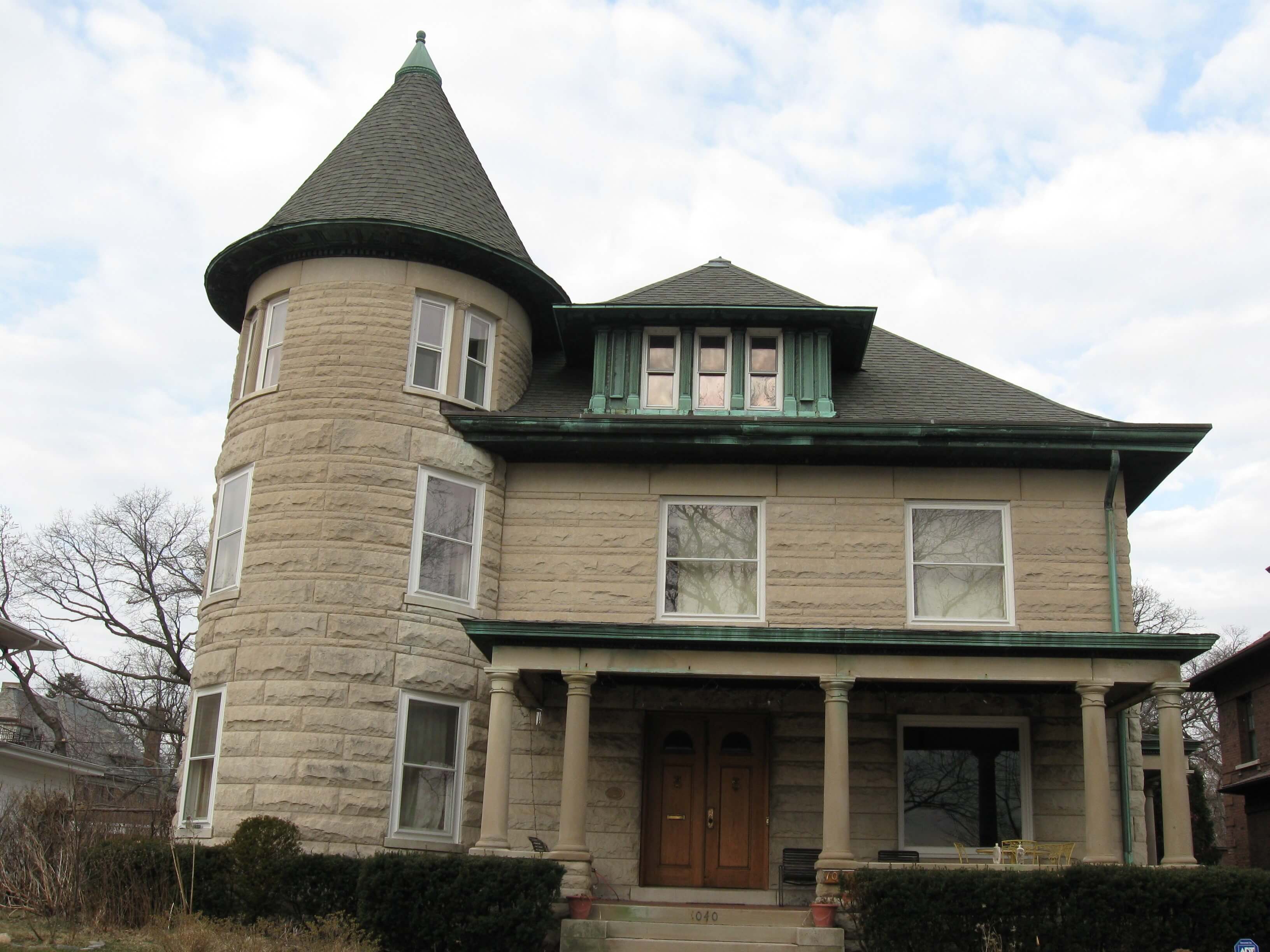
Historical Landmark Home — Evanston, IL
Comprehensive exterior painting, masonry, and plaster restoration on a designated landmark property in Evanston.
Beyond these residential and commercial landmarks, our church and sacred architecture portfolio includes restoration of dozens of Catholic, Protestant, and other faith communities’ historic buildings — including the PDCA National Award-winning Our Lady of Tepeyac project. See our awards for full recognitions across our preservation work.
Working with Preservation Standards
The Secretary of the Interior’s Standards for the Treatment of Historic Properties define the four approaches to historic work — preservation, rehabilitation, restoration, and reconstruction — and govern what’s acceptable on landmark properties. We work to these standards on every historic project regardless of whether they’re formally required.
The Secretary of the Interior’s Standards, published by the National Park Service, are the authoritative framework for historic preservation in the United States. The core principle is compatibility: new materials and work must be compatible with the existing historic fabric in appearance, strength, and durability. You can’t slap modern Portland cement stucco over original lime plaster and call it preservation. You can’t use modern hard mortar on soft historic brick. You can’t replace original windows with off-the-shelf vinyl substitutes on a National Register property.
The NPS publishes detailed Preservation Briefs on every major restoration topic — repointing historic masonry (Brief 2), terra cotta (Brief 7), masonry cleaning (Brief 1), painting historic wood (Brief 28), wood porches (Brief 45), and dozens more. These are the technical references we work from. The National Trust for Historic Preservation and the Illinois State Historic Preservation Office (SHPO) are additional resources that homeowners and stewards of historic properties should know about.
Historic Masonry, Painting, and Carpentry
Historic restoration is materials-driven work. The same physical task — tuckpointing a brick wall, painting a wood porch, replacing a sash window — requires different materials, different techniques, and different sequencing on a historic building than on a modern one.
Historic Masonry
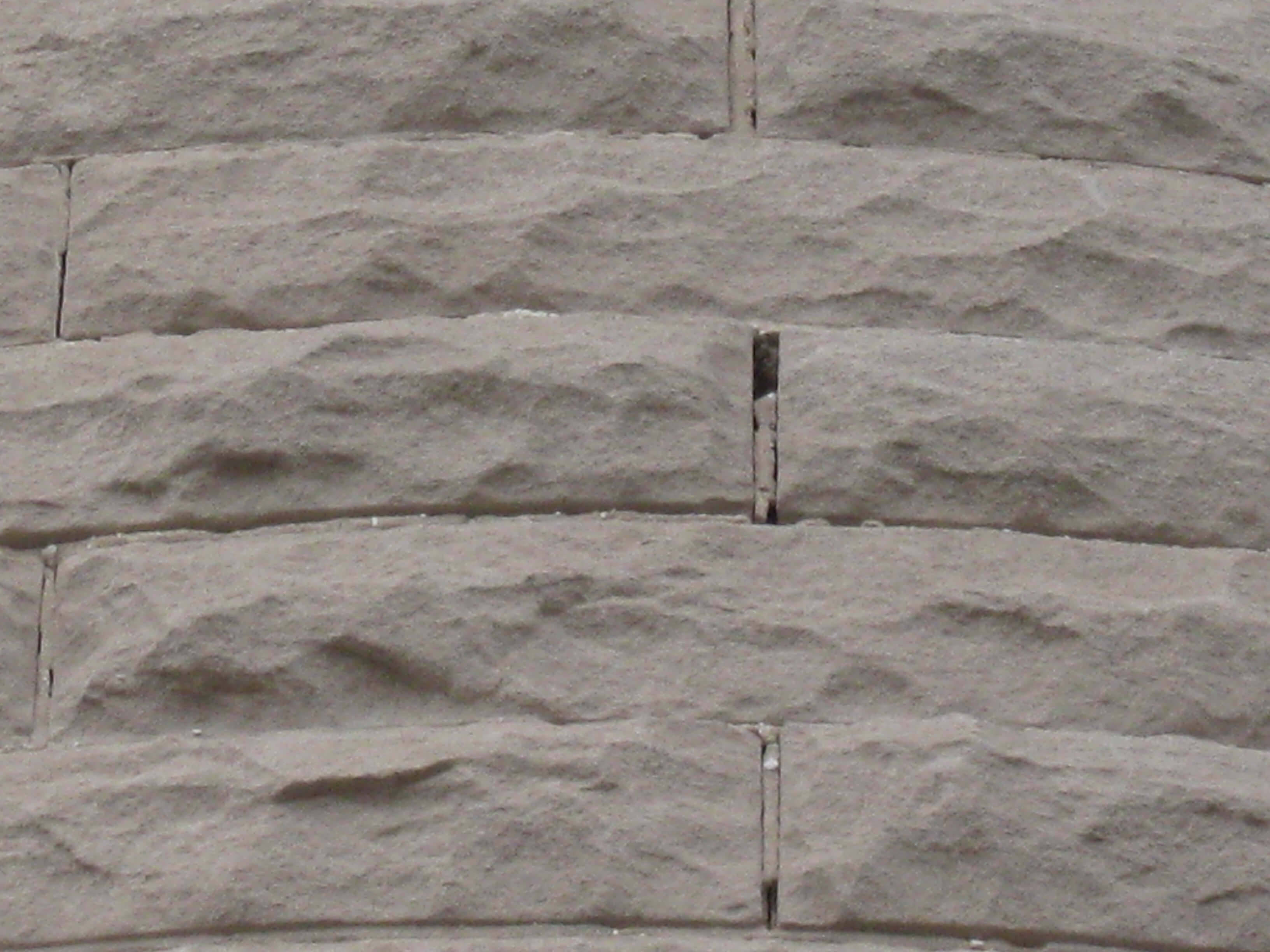
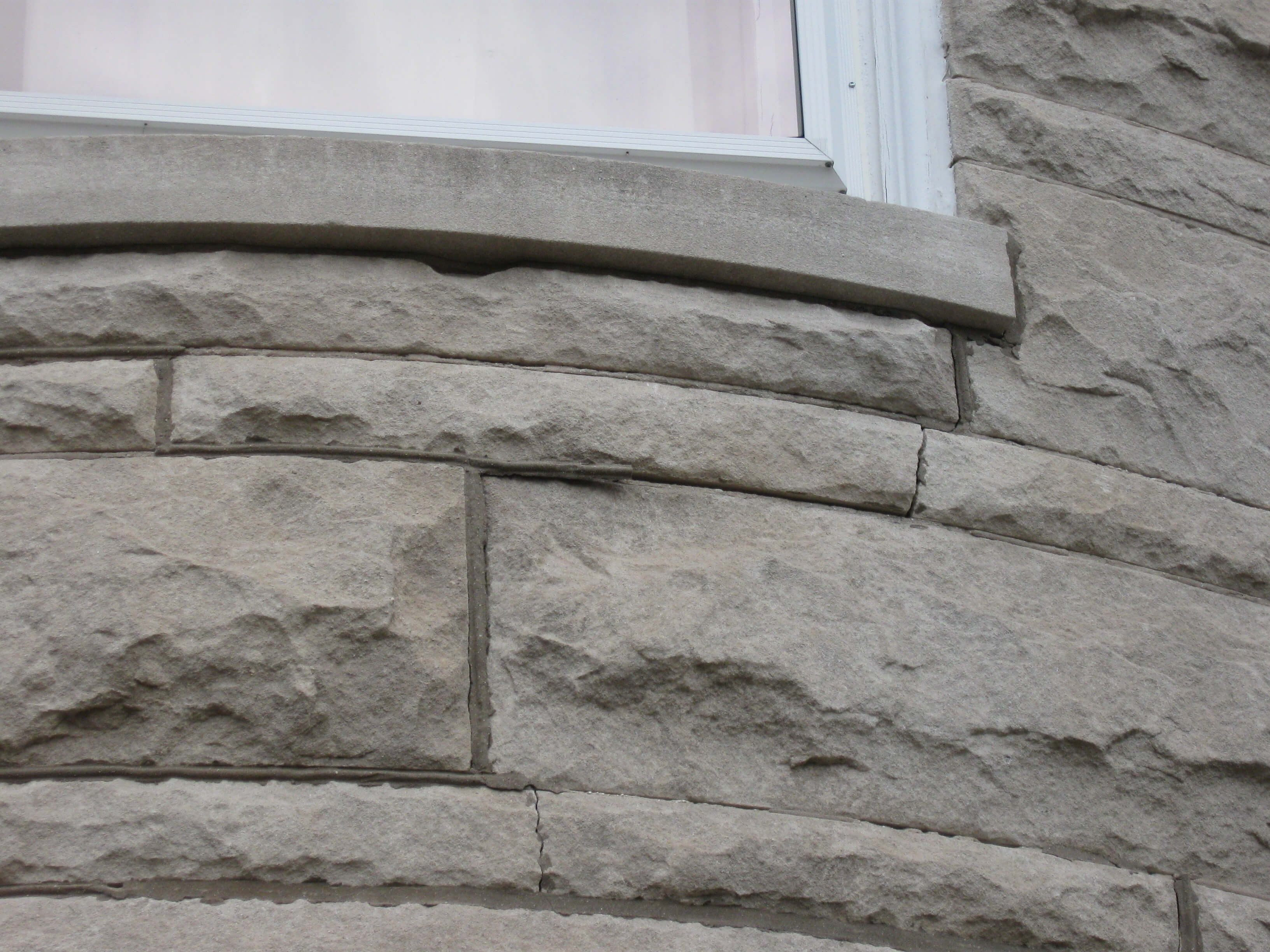
Pre-1930 Chicago brick was set with soft lime-based mortar, deliberately softer than the brick so that thermal movement and settling expressed in the mortar joints rather than cracking the brick faces. Modern Type N or Type S Portland cement mortars are too hard for these walls. Used on historic brick, hard mortar transfers stress to the masonry units, accelerating spalling and structural damage. We mortar-test before specifying any historic tuckpointing job and match composition, color, and joint profile to the original. See our masonry services and tuckpointing for the broader methodology.
Historic Painting
Pre-1978 historic homes have lead paint in the layered finish under everything else. Disturbing it triggers EPA RRP requirements and on landmark properties requires specific containment protocols. We are EPA Lead-Safe (RRP) Certified and follow safe work practices on every pre-1978 building. For Victorian color schemes specifically, our Painted Ladies service covers period-appropriate multi-color treatments. For wood that’s been buried under decades of paint accumulation, our wood stripping and refinishing service recovers the original.
Historic Carpentry and Millwork
Original Chicago millwork from the 1880s through the 1920s used quarter-sawn old-growth oak, mahogany, fir, and other species with a level of detail that simply isn’t manufactured today. When original components are damaged beyond repair, our custom millwork shop reproduces them — exact profiles, period-correct details, and matching wood species when available. For porch detail specifically, our porch and deck restoration covers structural rebuilding plus reproduction of spindles, brackets, and column details.
Permits, Approvals, and Landmark Commissions
Work on Chicago Landmarks and National Register properties requires permits from the Chicago Department of Buildings and may require approval from the Commission on Chicago Landmarks before work proceeds. We navigate these approval processes regularly.
The Chicago Landmarks program protects more than 350 designated landmark properties in the city. Substantial alterations to landmark properties require permit review by the Commission on Chicago Landmarks, which evaluates whether proposed work meets preservation standards. Routine maintenance generally doesn’t require commission approval, but the line between maintenance and alteration can be subtle on landmark work, and we help property owners navigate it.
For National Register properties seeking historic preservation tax credits — both the federal Historic Tax Credit administered through the National Park Service and the Illinois State Historic Preservation Tax Credit — work must conform to the Secretary of the Interior’s Standards and be approved by the State Historic Preservation Office. We’ve worked on multiple tax-credit-eligible projects and understand the documentation and methodology required to maintain credit eligibility.
Who We Serve
Our historic restoration work spans four primary client categories:
Private Owners of Historic Homes
Homeowners stewarding designated landmark properties or historically significant homes in neighborhoods like Oak Park, Wilmette, Winnetka, Lake Forest, and Chicago’s Gold Coast, Lincoln Park, and Beverly. Most of our residential historic work is for private homeowners who care deeply about their properties and want a contractor who understands what they’re protecting.
Religious Institutions and Sacred Architecture
Catholic, Protestant, and other faith communities with historic church buildings — including the PDCA National Award-winning Our Lady of Tepeyac, plus dozens of others. See our full church restoration portfolio.
Educational and Institutional Clients
The University of Chicago, Northwestern University, and other educational and cultural institutions have trusted us with their historic building envelope and restoration work. The Yerkes Observatory project is part of this category.
Commercial and Mixed-Use Historic Properties
Historic commercial buildings, theaters (the Biograph), restaurants (Italian Village), retail spaces, and mixed-use historic structures across Chicago and the suburbs. Often these projects coordinate with property management for ongoing maintenance — see our property management services.
Service Area
Fortune Restoration provides historic restoration services across Chicago and the North Shore, plus selected projects in Wisconsin (Yerkes Observatory in Williams Bay) and the broader Chicagoland region. Our office is in Lincolnwood, IL.
Within Chicago, we work in every historic neighborhood — Lincoln Park, Lakeview, Wicker Park, Bucktown, Logan Square, Wrigleyville, Andersonville, Edgewater, Old Town, the Gold Coast, the Loop, Pilsen, Hyde Park, Kenwood, Beverly, Norwood Park, and the dozens of other neighborhoods with significant historic building stock.
North Shore and suburban projects regularly take us to Evanston, Wilmette, Winnetka, Glencoe, Kenilworth, Highland Park, Lake Forest, Oak Park, River Forest, Hinsdale, and Park Ridge. The Chicago Architecture Center documents the regional architectural inventory we draw from.
Why Choose Fortune Restoration for Historic Restoration
- Family-owned and operated since 1979 — over 45 years of historic restoration work in Chicago and the surrounding region
- Documented portfolio on Chicago Landmarks, National Register properties, Frank Lloyd Wright homes, and major institutional buildings
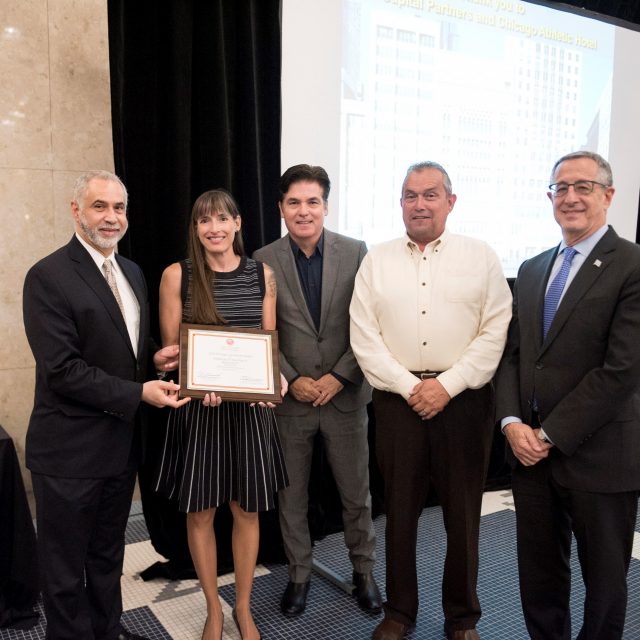
- Award-recognized preservation work, including the PDCA National Award for Outstanding Achievement
- EPA Lead-Safe (RRP) Certified Firm — required on virtually all pre-1978 historic homes
- In-house custom millwork capability for historic detail reproduction
- Specialty experience on terra cotta, decorative interiors, gold leafing, and mural restoration
- Mortar analysis and material testing on historic masonry projects
- Familiarity with Commission on Chicago Landmarks and Illinois SHPO processes
- Single contractor coverage across masonry, painting, carpentry, plaster, and decorative trades — no fragmented subcontractor handoffs on landmark projects
- Member of the Archdiocese of Chicago’s preferred contractor list for sacred architecture
Stewarding a historic property? Fortune Restoration has been preserving Chicago’s architectural inheritance since 1979. Request a free estimate, contact us, or call 847-647-2500.
Frequently Asked Questions About Historic Landmark Restoration
What’s the difference between historic restoration and renovation?
Historic restoration returns a building to a specific period of its history using materials and methods compatible with the original construction. Renovation modernizes a building, often replacing original materials with new ones for performance or convenience reasons.
The Secretary of the Interior’s Standards distinguish four approaches: preservation (maintain as-is), rehabilitation (alter for compatible new use), restoration (return to a specific period), and reconstruction (rebuild what’s been lost). Most of our historic work is rehabilitation or restoration.
Do you need special permits for work on a historic landmark in Chicago?
Yes. Substantial alterations to Chicago Landmark properties require permit review by the Commission on Chicago Landmarks before work can proceed. National Register properties seeking historic tax credits require approval from the Illinois State Historic Preservation Office.
Routine maintenance generally doesn’t require commission approval, but the line between maintenance and alteration can be subtle. We help property owners navigate the approval process and prepare the documentation required for landmark review.
How do you match historic mortar and materials?
For mortar specifically, we test the existing mortar to determine composition (lime-to-cement ratio, sand color and gradation) and match it in the repair mix. On pre-1930 Chicago brick this almost always means a soft lime-based mortar, never a modern Portland cement mix.
For brick and stone, we source historic-matching units from regional yards, salvage suppliers, and brick brokers. For wood, we match species, grain orientation, and profile through our custom millwork shop. For terra cotta, we work with specialty fabricators who can cast units to match originals.
Do you work on Frank Lloyd Wright properties?
Yes. We’ve worked on Frank Lloyd Wright Prairie-style homes in Oak Park, the neighborhood that holds the densest concentration of Wright’s residential work. Wright homes have specific material and detail requirements — the cantilevered eaves, art glass windows, and decorative wood detailing each require careful, period-appropriate restoration.
The Frank Lloyd Wright Trust maintains the authoritative documentation on Wright’s Oak Park work, and we coordinate with their guidance on properties in their care.
Are tax credits available for historic property restoration?
Yes. Two main programs: the federal Historic Tax Credit administered through the National Park Service offers a 20% credit on qualifying rehabilitation expenses for income-producing historic properties, and the Illinois State Historic Preservation Tax Credit offers a state-level credit for both income-producing and certain owner-occupied historic properties.
Both programs require work to conform to the Secretary of the Interior’s Standards and require formal review and approval. We’ve worked on multiple tax-credit-eligible projects and understand the documentation required to maintain credit eligibility.
How long does a historic restoration project take?
Historic restoration timelines vary widely with scope. Targeted single-trade work — a tuckpointing project on a landmark home, an exterior repaint, a porch restoration — typically runs 2 to 8 weeks. Full envelope restorations with masonry, painting, and carpentry can extend 3 to 6 months.
Complex landmark projects with commission approvals, custom millwork fabrication, and specialty decorative trades sometimes run 6 to 18 months from initial assessment to completion. We provide a detailed phased schedule before any work starts and build in buffer time for material lead-times and approval processes.
Can you handle decorative finishes like gold leafing and mural restoration?
Yes. Decorative finish work — gold leafing, stenciling, mural restoration, faux finishes, and specialty plaster — is part of our historic restoration capability. The PDCA National Award-winning Our Lady of Tepeyac project included gold leafing, mural work, and restoration of a 90-degree dome.
Decorative finishes require specialty crews trained in conservation techniques and careful coordination with adjacent painting and plaster work. We treat sacred art and historic decorative finishes as art, not as surfaces to be painted over.